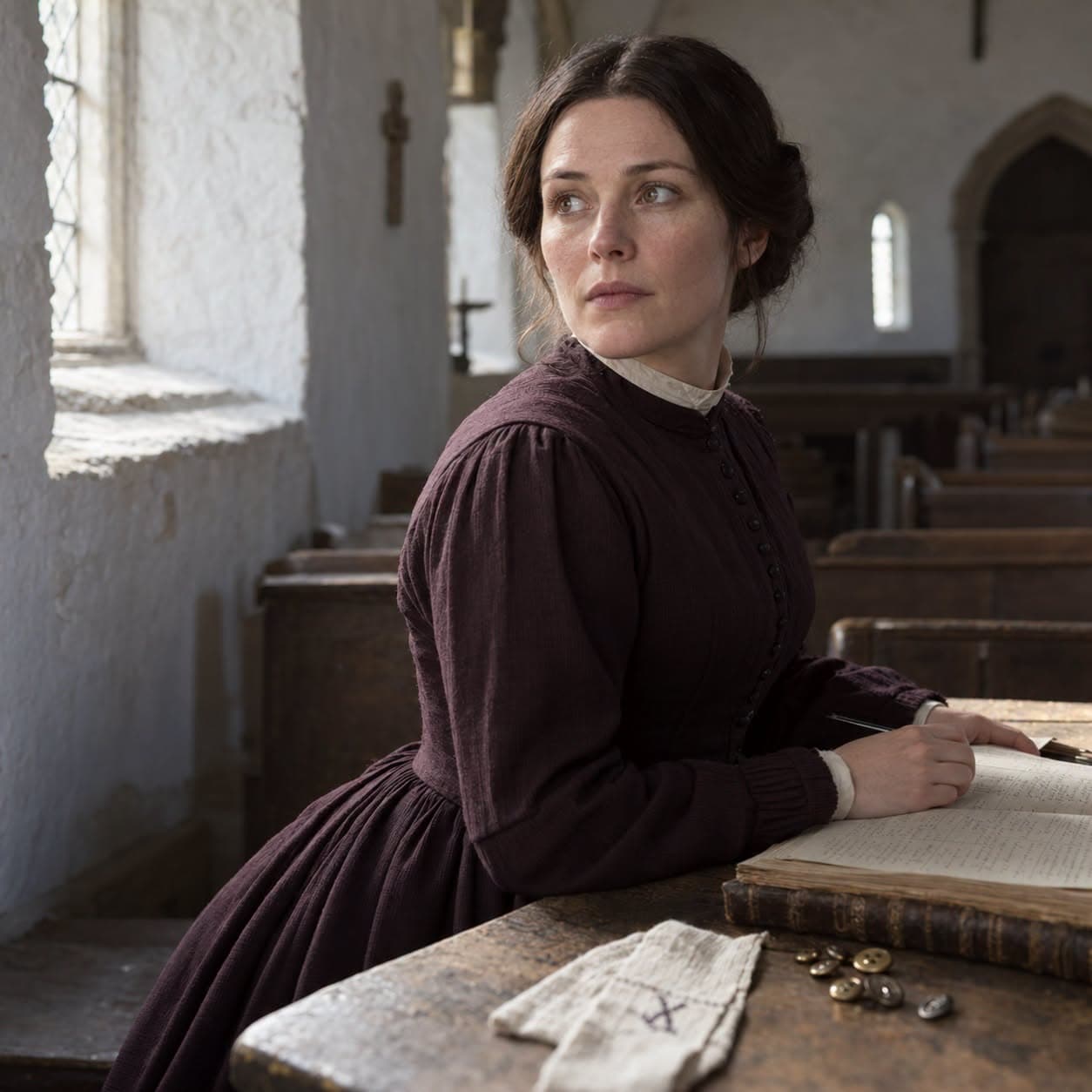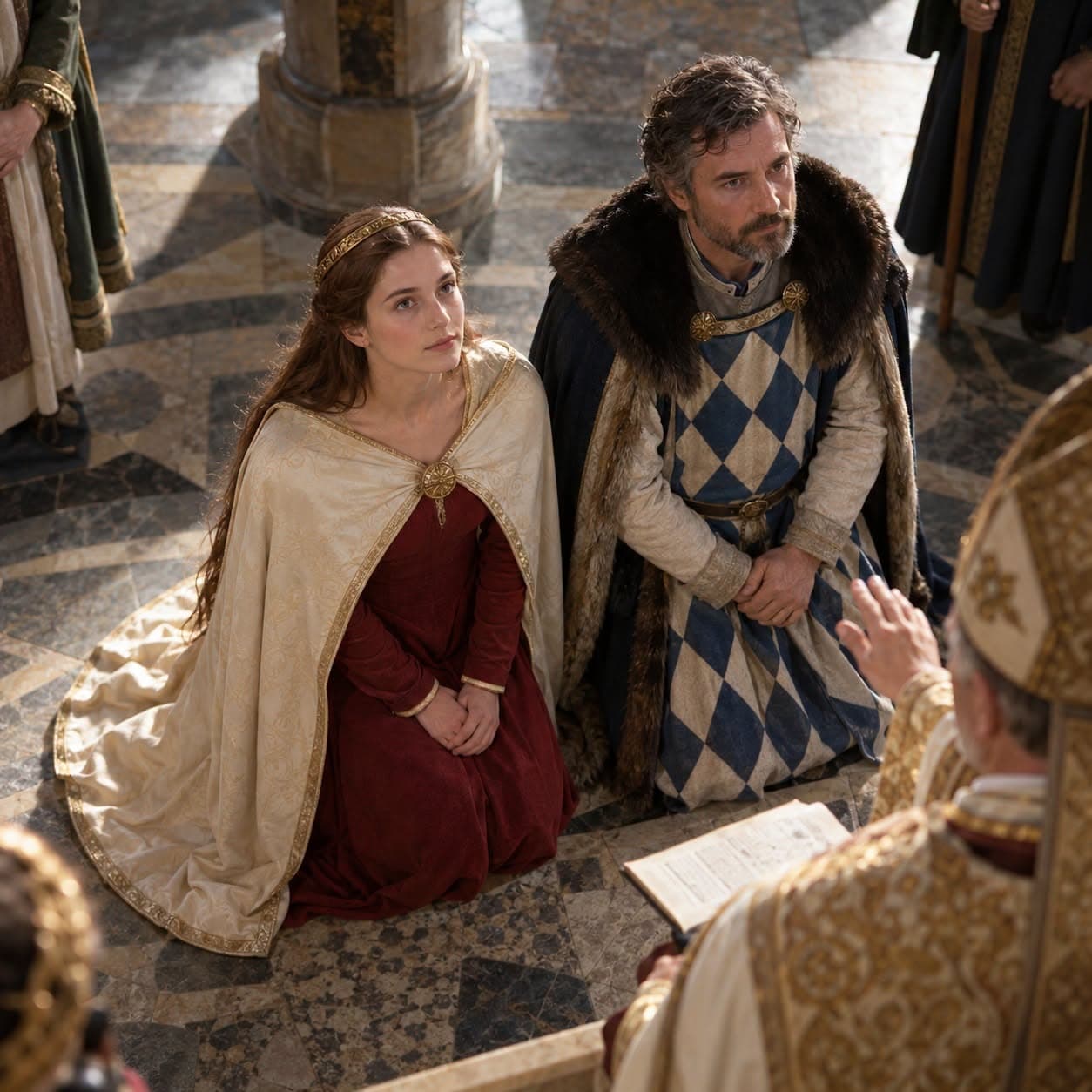
He had ordered his first wife to be beheaded. Now it was her turn to marry him.
On 24 October 1273, Matilda of Habsburg married Louis II, Duke of Upper Bavaria and Count Palatine of the Rhine, at Aachen. Her father, Rudolf, had been elected King of the Romans at Frankfurt at the start of that month, and Louis had been one of the princes who chose him. The wedding bound the new king to a man he had good reason to keep close.
Louis was forty-four. He belonged to the Wittelsbach family, held lands in Bavaria and along the Rhine, and had a vote in choosing the king. Rudolf had needed the backing of men with that kind of standing, and in the negotiations around his election the promise of Matilda's hand helped secure Louis's position under the new ruler. Three days after the wedding, Rudolf pledged five imperial towns, Nuremberg among them, to his new son-in-law. Father and husband each gained something substantial from her marriage.
The first wife had also been a duke's daughter.
Her name was Mary of Brabant. She married Louis in 1254, and in January 1256 he had her beheaded at Donauwörth on suspicion of adultery. A husband's suspicion had become a death sentence. Mary's birth and marriage had placed her among the great families of Europe; neither had protected her from the man she married.
As penance, Louis founded a Cistercian monastery, endowed it with land and privileges, and made provision for prayers. In 1263 its monks settled at Fürstenfeld, west of Munich. A religious house grew out of the killing, with monks, estates and an income of its own. Louis remained a duke. By the time Matilda married him, the monks had been at Fürstenfeld for ten years.
Mary was not the wife Matilda immediately replaced. Louis had married again in 1260, to Anna of Glogau, who died in 1271. Matilda entered a family with children from that second marriage as well as the memory of the first. At Aachen, Louis's earlier violence had not prevented him from becoming the new king's son-in-law.
Matilda's marriage lasted more than twenty years and produced five children. Two were sons. Rudolf, born the year after the wedding, carried her father's name. Louis, born in 1282, carried her husband's. Habsburg and Wittelsbach had been joined at Aachen for their fathers' purposes, and now both lived on in her children.
She also had the means to act in her own name. At the Palatine court she kept her own household, with a steward, a judge, a notary and her own chancery to administer property and put decisions into writing. A duchess could be central to a marriage agreement and still have business of her own to conduct afterwards.
Louis died at Heidelberg in February 1294. Rudolf, not yet twenty, took up the government alone, while the younger Louis was still a boy. Matilda claimed a share in the boy's guardianship. The authority of the widow, the ambitions of the elder brother and the younger brother's inheritance now occupied the same uncomfortable ground.
Her widowhood brought acts of patronage as well as disputes. In 1297 she gave Fürstenfeld ten farms and other property, and confirmed privileges her husband had granted it. The monastery founded in penance for Mary's death was now receiving gifts from his third wife. Matilda was helping sustain the prayers for the family into which she had married.
She had also paid towards her elder son's future. In 1294 Rudolf married Mechthild, daughter of King Adolf of Nassau, and to make the match possible Matilda exchanged her dower lands around Heidelberg and along the Rhine for lands in Upper Bavaria and the Upper Palatinate.
Within that family, her authority was becoming harder to sustain.
In 1298 her brother Albert took the crown from Adolf, who was killed in battle that summer. Matilda had tried to mediate between the two kings. Her elder son had backed his father-in-law; her younger son stood with her. Family connections did not make family interests identical. Matilda had a brother on the throne, sons with competing claims and possessions of her own to defend.
In 1302, Rudolf seized her at Schiltberg, together with his younger brother and a leading ducal official, Konrad von Oettingen, and had her taken to Munich. The duke was using force against his own mother.
He demanded that she surrender her authority and her possessions and stop interfering in government. Matilda gave way. Once released, she repudiated the concessions: she had made them as a captive. She turned to her brother the king against her son.
An agreement had been obtained. It had not settled the matter.
Rudolf had Konrad beheaded in Munich. The dispute continued, with the younger Louis at his mother's side and Albert intervening. Matilda's royal brother could give her an ally; he could not make the quarrel disappear. Almost thirty years after the wedding beside a coronation, authority in the family it created was still being fought over.
At Aachen, Matilda had married the man whose support her father needed. At Schiltberg, the son of that marriage, whose own wedding she had given up her dower lands to make possible, took her prisoner to obtain her surrender. He secured her agreement while he held her in his power. Once she was out of it, she refused to let that agreement stand.