Martha was thirty-eight and pregnant when the court sentenced her to the fire. The judges agreed to wait for the baby. They did not agree to anything else.
On 23 October 1684, Martha van Wetteren was burned alive at Belsele, in the county of Flanders. She was a widow, and she had only recently given birth. Her pregnancy had changed when the court could kill her. It had never changed the court's mind.
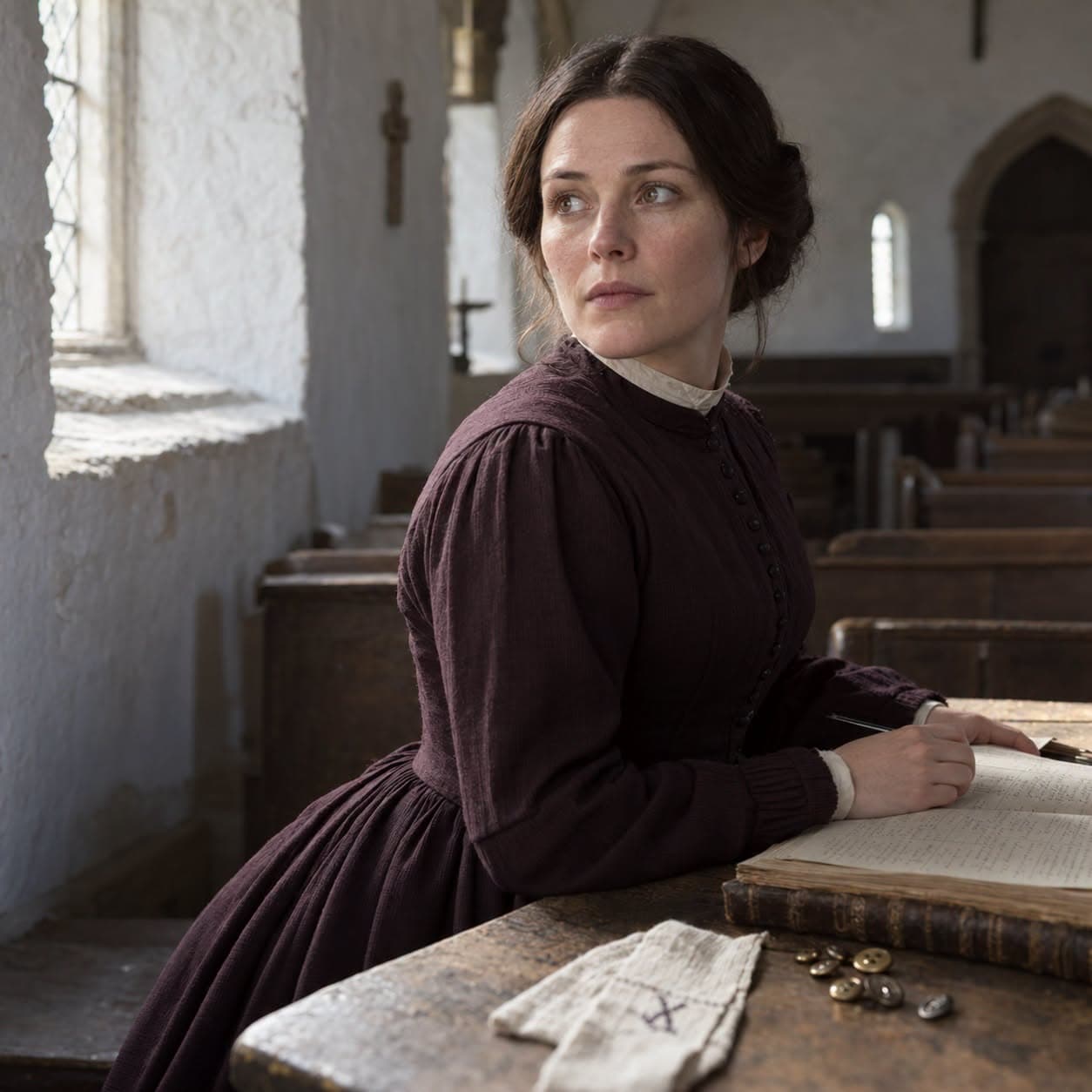
Martha was born in Landegem, west of Ghent, in 1646. Before her marriage she worked as a servant in the household of a man named Albert Geerinckx at Sint-Pauwels, in the Waasland. She married Adriaan van Moerbeke and went with him to live in Belsele. Not long afterwards he died. She was pregnant. It was then, with her husband dead and a child on the way, that the talk about her began.
Accusations of witchcraft in rural Flanders rarely arrived all at once. They began as gossip, gathered weight as neighbours watched what the suspect did, and ended, if the talk did not die down, in front of the local bench. Martha's case went before the vierschaar of Sinaai-Belsele, the aldermen's court shared by the two neighbouring villages. Its members were not trained lawyers. Benches like it were made up of local men, mostly farmers and tradesmen, and they had wide freedom over how they ran a trial and what sentence they passed.
The stories told against her concerned some very ordinary wants. Healthy sheep. A crop that would grow. A husband with money.
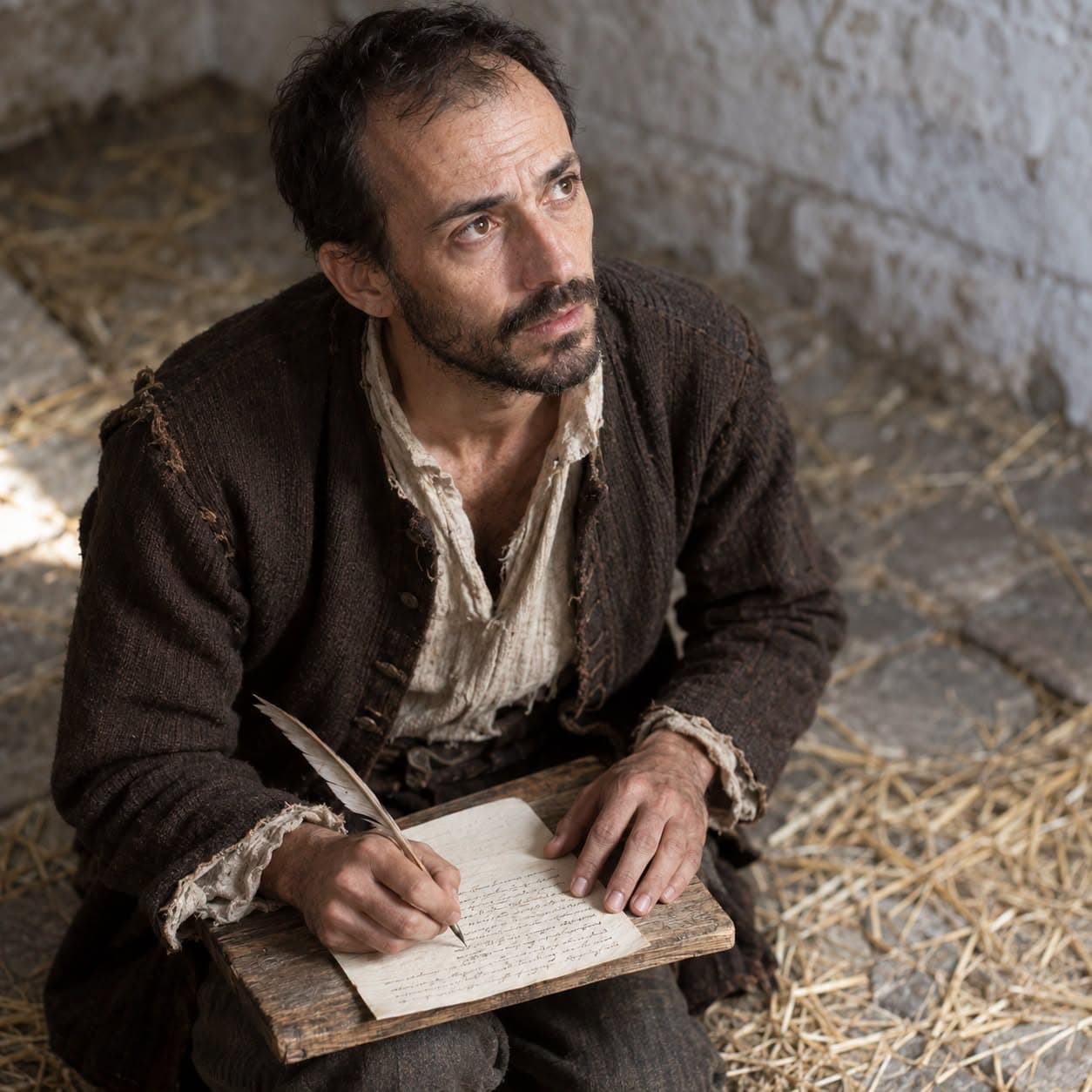
Bernard Bruggeman, from Sint-Pauwels, told the judges that Martha had done him great services. She had cured his sheep of the pox, he said, and brought a stolen cow back into his stall. When he wanted his grain to grow, she had told him to kill a dog, cut it into pieces and scatter the pieces over his field. Every item on his list was a favour. Every one of them went into the case against her.
Isabelle Aerents said that Martha's magic had found her a wealthy husband, and that Martha had foretold what would follow. Six weeks after the wedding the man was dead and Isabelle had his fortune, just as predicted. It was a marriage, a death and an inheritance, and Isabelle laid all three at Martha's door.
A third witness, Jan van Paddebrouck, said Martha had promised to teach him magic if he would marry her. Marriage ran through the whole case, as a bargain offered and a fortune won. The woman at the centre of it had been a wife for only a short time.
None of the three witnesses whose testimony survives said she had harmed them.
It made little difference. A death sentence needed a confession, and in a Flemish witchcraft trial a confession was usually obtained by torture. Martha was tortured twice. She was still pregnant. At the end of it, worn out, she told her questioners that she had learned magic from Albert Geerinckx, the man she had served in Sint-Pauwels before she was married.
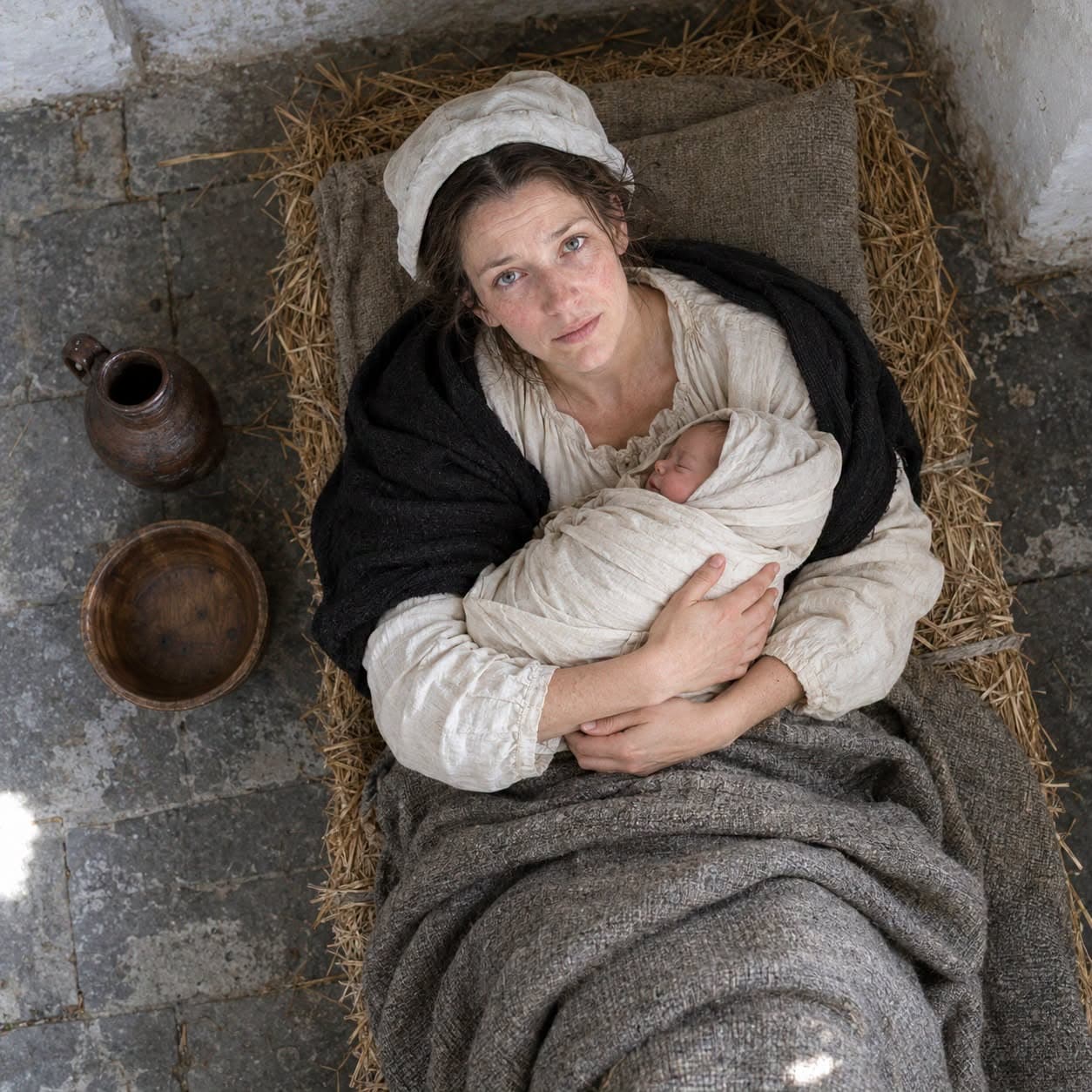
On 24 July 1684 the vierschaar condemned her to the stake. Because she was pregnant, the execution was put off until after the birth. Nothing else was reopened. The testimony stood, the confession stood and the sentence stood. The court had agreed to wait for one thing only, and it was not her.
She gave birth some time before the end of October. The surviving accounts do not record the child's name, whether it was a boy or a girl, or what became of it.
Burning alive was not the usual end, even for a condemned witch. Many were strangled at the stake before the fire was lit, and many accused women in Flanders were fined, banished or let go without ever coming near it. Martha van Wetteren was not strangled. As far as is known, no one else in the county of Flanders went to the fire for witchcraft after her. Her pregnancy had bought her three months, from late July to late October, and the court had never offered her more than that.