Marie de Guise was twenty-two when she sailed from France to join her new husband, the King of Scots. Her son, not yet three, stayed behind. Her mother would send news of him across the sea.
Marie de Guise belonged to a family whose marriages reached well beyond its own borders. Her father, Claude of Lorraine, the future first Duke of Guise, was born on 20 October 1496 at the château of Condé-sur-Moselle, now Custines. His mother was Philippa of Guelders. His wife would be Antoinette de Bourbon. Between those two women, the family Marie left behind had acquired a home, powerful connections and considerable practice at managing its affairs.
Philippa had married René II, Duke of Lorraine, in 1485. By the time Claude was born, she was taking part in the government of his father's territories, handling business during the duke's absences and undertaking diplomatic work of her own. In 1494 she had gone to Metz to help seal a reconciliation with the city. Childbearing and government occupied the same years of her life. One did not wait politely for the other to be finished.
Those years also brought losses. Before Claude's birth, Philippa had buried children, including a son who died on the day he was born. Claude survived. So did his elder brother Antoine, who would inherit Lorraine.
When René died in 1508, Philippa had years of experience in the duchy's affairs. The Estates nevertheless declared Antoine old enough to rule, shutting her out of the regency. He would still make her his lieutenant when he was away. She could do the work when required. That did not give her the right to do it on her own terms.
Claude's inheritance lay in the family's French possessions. In 1513 he married Antoinette de Bourbon in Paris, but marriage did not immediately give the couple possession of the home they wanted at Joinville. Philippa retained rights there as part of her dower, the provision made for her widowhood. Her son's plans had to accommodate those rights. Only in 1519, when she relinquished them and entered the convent of the Poor Clares at Pont-à-Mousson, could Claude and Antoinette establish themselves at Joinville.
A widow's provision could be an inconvenient thing for an ambitious son. It was still hers.
Philippa's life in the convent was serious, but it was hardly a disappearance. She refused the title of abbess, protected her order as Lutheran ideas spread, and through the Franciscans her influence reached as far as Rome. In 1544 the Emperor Charles V called on her. Among the family members who shared her convent life for a time was her granddaughter Marie, born to Antoinette in November 1515. The girl who would cross the sea to become Queen of Scots spent part of her childhood with a grandmother whose authority had survived both widowhood and retirement.
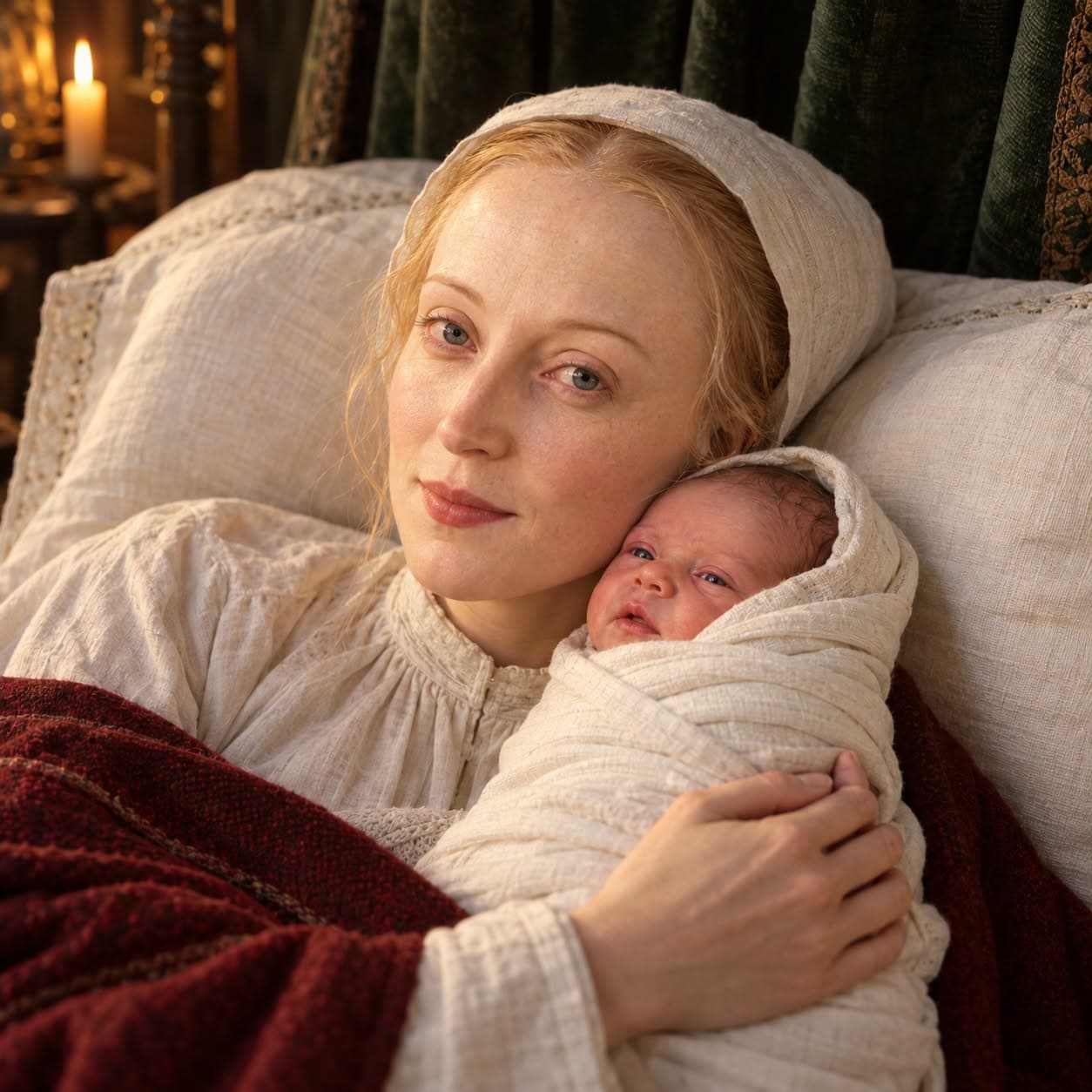
At Joinville, Antoinette and Claude built the next generation's connections through marriages into other great families. Marie's first marriage, in 1534, was to Louis, Duke of Longueville. Their son François was born the following year. Her husband died of a fever in June 1537. A second son, Louis, was born that August, after his father's death, and lived only a few months. Before she was twenty-three, she had been a wife, a mother and a widow, and had buried a child.
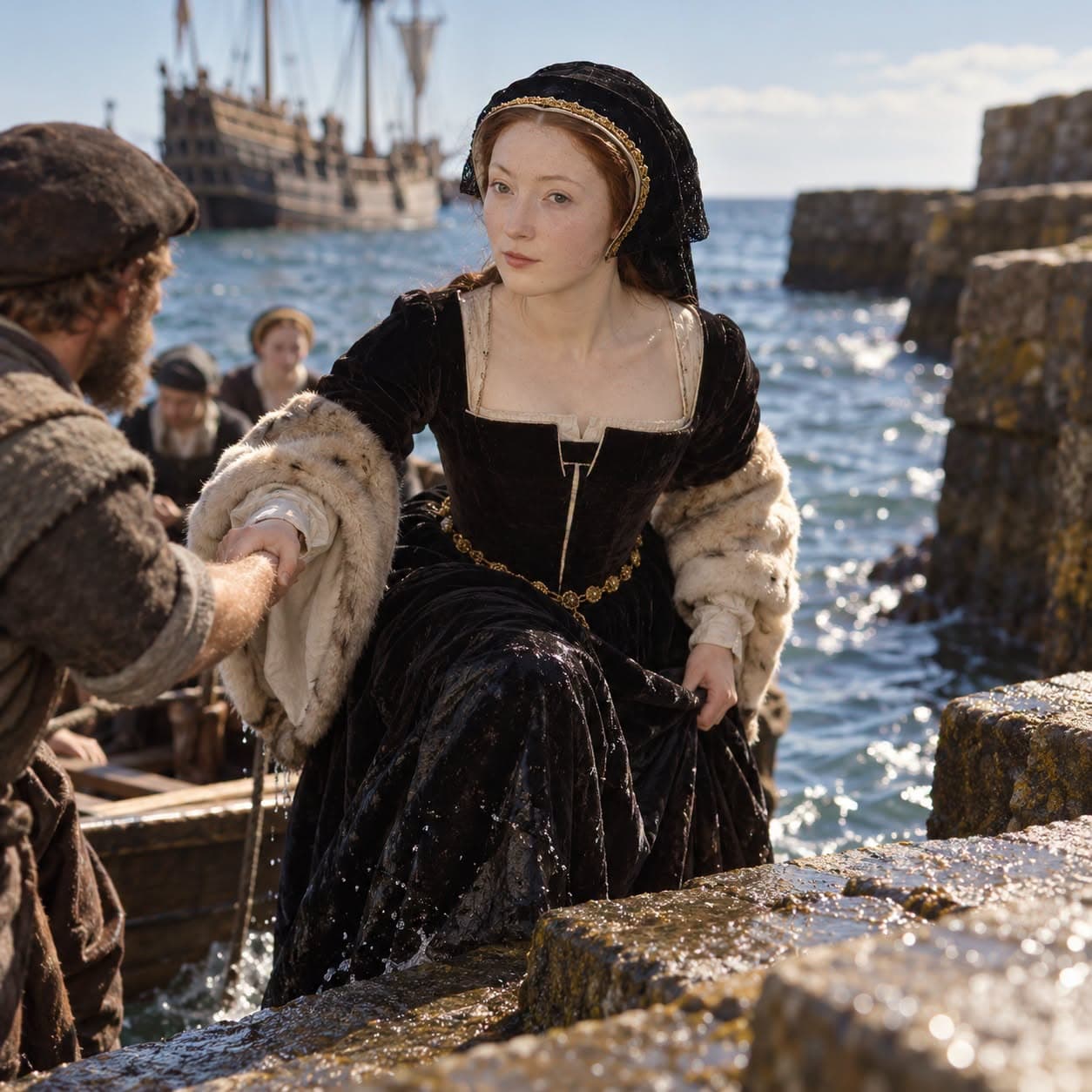
Her next marriage took her to Scotland. James V needed another French bride after the death of his first wife, Madeleine. In June 1538 Marie sailed from Le Havre and landed at Crail in Fife. François stayed in France with his grandparents. The marriage gave Scotland a queen and the Guise family a royal connection. It also put the sea between a mother and her son.
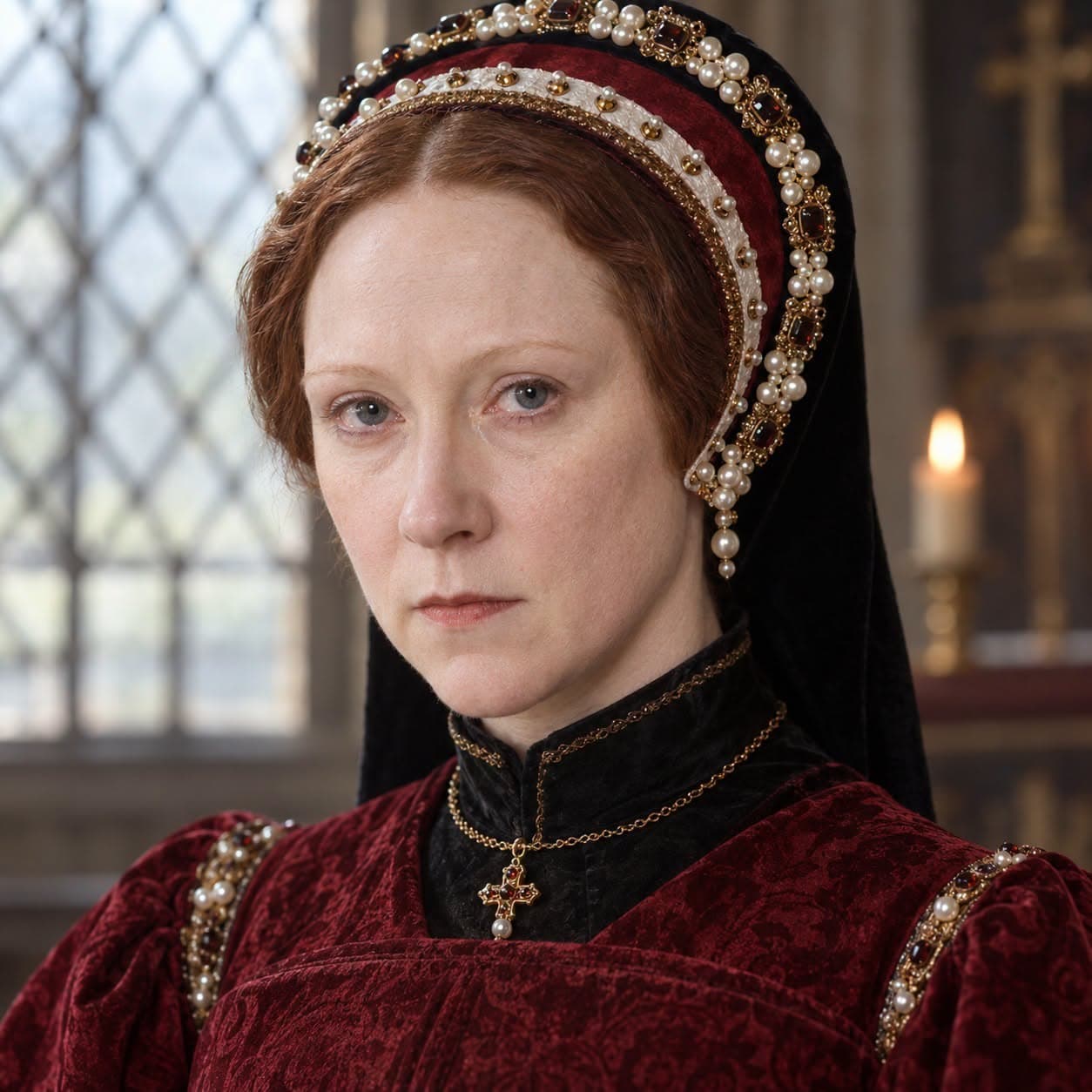
Antoinette wrote from Joinville that August. There was news of the family's health, of Claude's movements and hopes at court, and of the French affairs that still needed attention while her daughter was away. Becoming a queen had not brought Marie's existing business to a convenient end. Her mother was helping to see to it.
She also considered the crossing itself. Marie had proved a good sailor. Perhaps she would come back; Antoinette would attempt the journey herself if she were younger. Claude might visit if there was peace. These were family visits with rather more conditions attached than most.
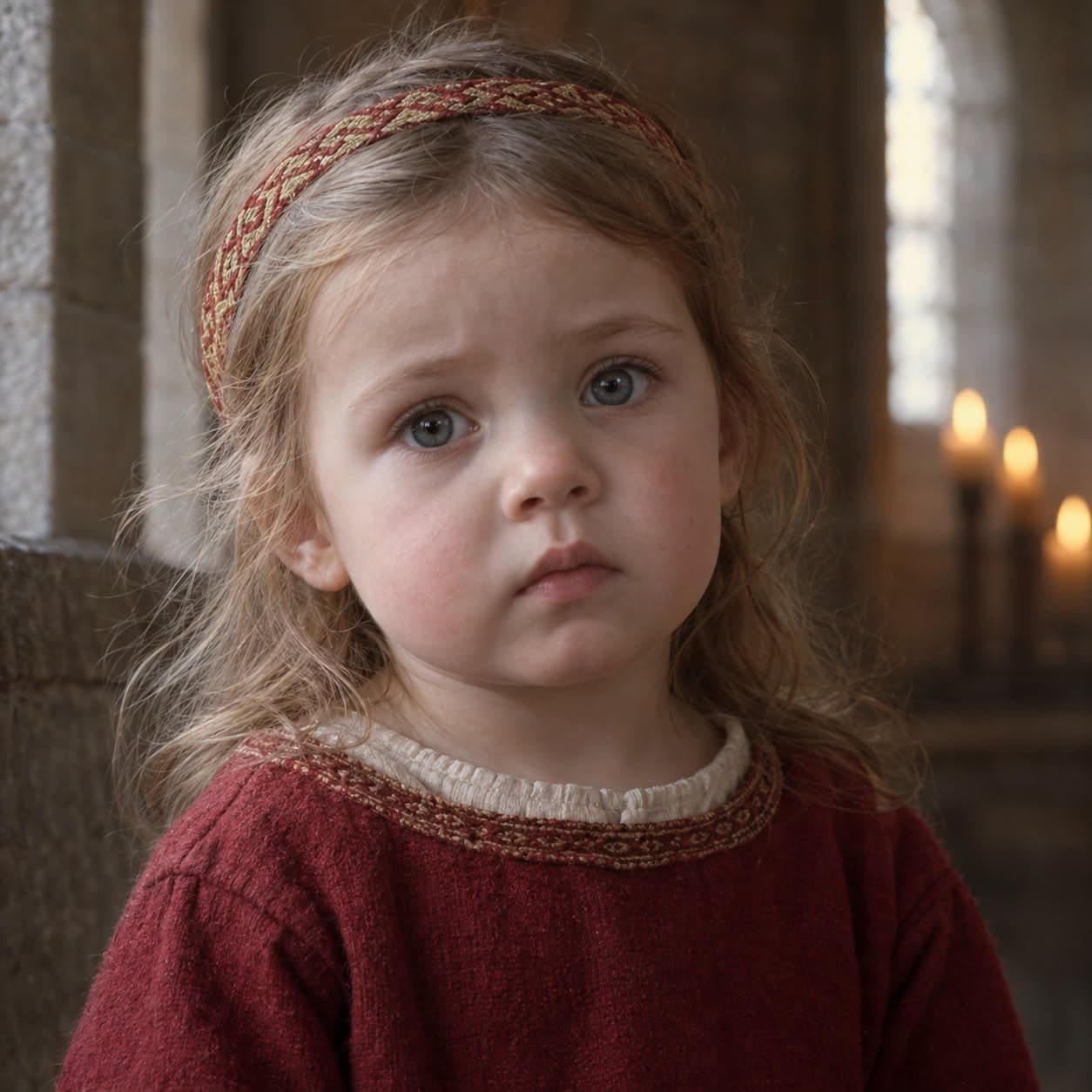
And there was news of François. He was well.
In Scotland, Marie had two more sons, James and Robert. In April 1541 they died within a day of each other. From France, Antoinette wrote that the couple were young and could still hope for more children. In December 1542 Marie gave birth at Linlithgow Palace to a daughter, Mary. Six days later James V was dead, and the baby was Queen of Scots. Marie stayed. She now had one child in each kingdom.
Marie's regency came later, in 1554. The granddaughter of a woman denied the regency of Lorraine would govern Scotland in her own daughter's name. Antoinette's letters had continued through the intervening years, carrying family news and practical advice between France and Scotland.
But the August letter belongs to the beginning, when Marie had only recently made the crossing at twenty-two and Antoinette could still write of possible visits. There was property to attend to, a husband's prospects at court to report, and a little boy at Joinville getting on very well with his grandfather. He still talked about his absent mother. He called her the Queen.