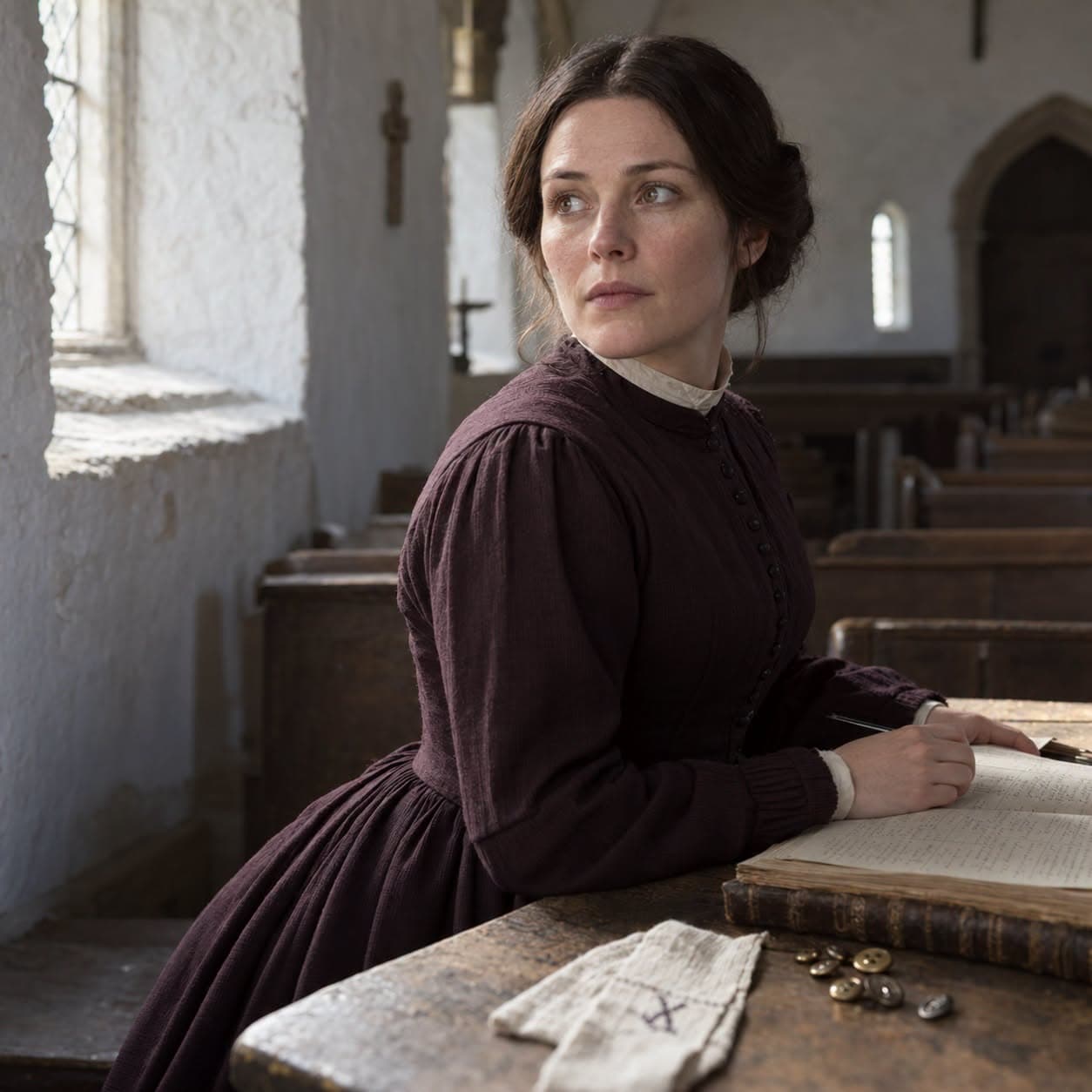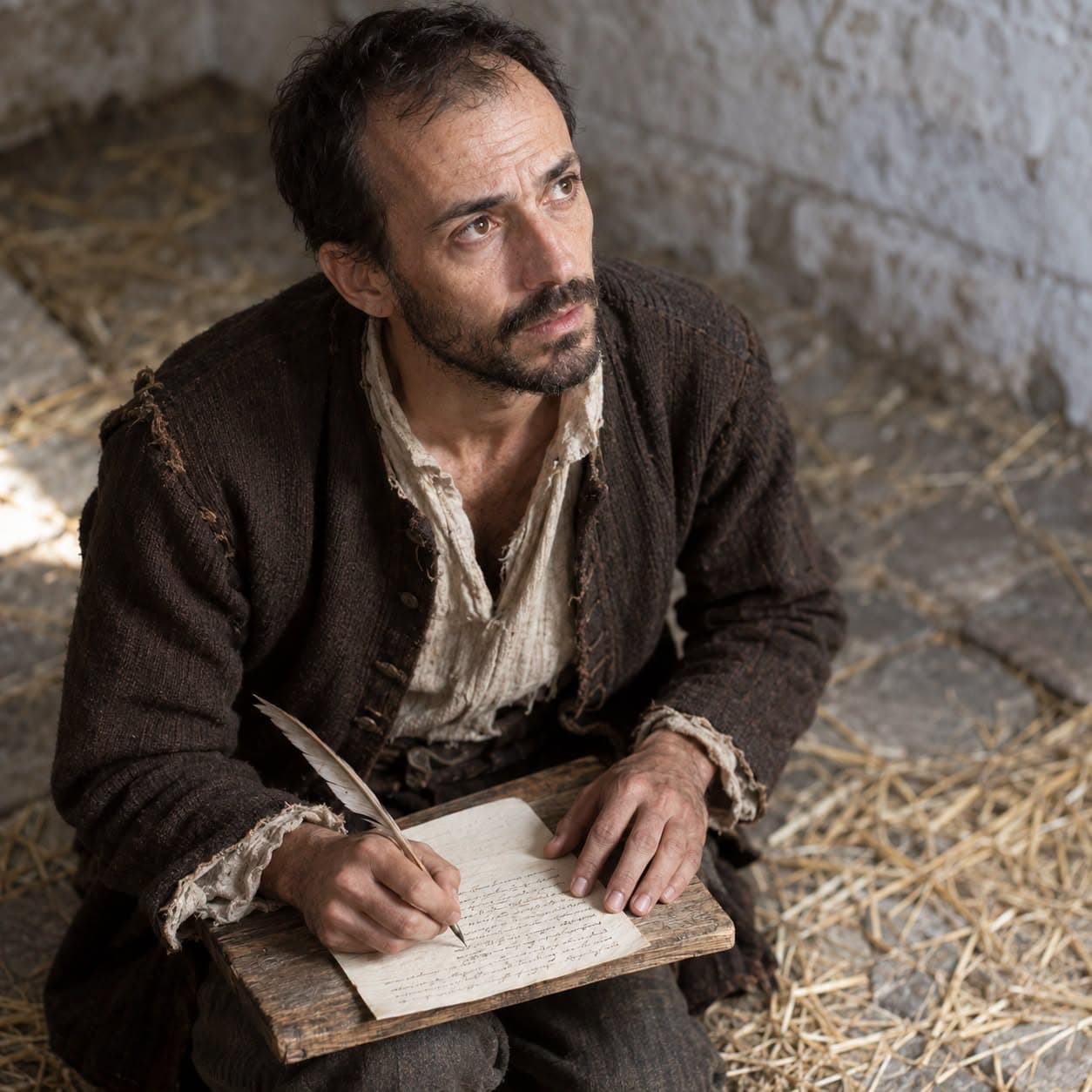
She was about sixty when two boys of seven and ten said she had flown with them through a window at night. She had suffered fits since she was a child. Her lawyer called it illness. The court called it witchcraft.
On 25 October 1575, according to the historian Rochelle Rojas, María Johan of Anocíbar was executed in Pamplona. It was not the Inquisition that condemned her. It was the royal court of Navarre, and her case had passed from a village household to its judges in a matter of weeks. The boys were her great-nephews, Miguel and Martín de Olagüe. She lived with their family.
Anocíbar lay in the Odieta valley, where the accusations against María concerned things close to home: children, neighbours and the grain growing in the fields. In August, the village abbot, Pedro de Esáin, questioned the boys. Miguel said their great-aunt took them out at night, flying through the windows with them by the hand. Before they left, she rubbed ointment on their heads and beneath their ears. The children described gatherings and the poisoning of crops. A ruined harvest could become evidence against a woman the village already talked about.
The abbot prepared questions, took down answers and sent the matter to the authorities. By the end of August, María was being questioned in Pamplona. The family accusation now had a prosecutor behind it.
Asked about her reputation, she explained that people called her a witch who did harm. What followed was an account reaching back into her childhood. She described a frightening figure appearing to her, loss of sight and fits in which she fell unconscious to the ground, foaming at the mouth. Her parents had sought religious help. At San Salvador in Urdax, she said, she had been bound with a priest's stole while the Gospels were read over her for three days. María spoke of spirits and torment. These were the terms in which she described her suffering, and they gave her interrogators plenty to work with.
She also described being taken to gatherings where people danced and harmed the crops, although she denied handling the destructive powders herself. She denied taking the boys anywhere. Her account was entangled with the very things of which she was accused. But describing a tormentor was not the same as freely offering oneself to the Devil, and her lawyer argued that the distinction mattered.
Pedro de Larramendi said her statements did not establish that she was a witch, a sorceress or party to a demonic pact. They could describe an illness, a form of melancholy, or affliction by an evil spirit. Even within a world that accepted spirits, there was room to recognise a sufferer rather than condemn an accomplice.
He challenged the children's evidence too. Their flights through the air sounded more like dreams than events that had actually happened. Their youth, he argued, made them unsuitable witnesses in a criminal case. The objections were there, in the proceedings, before the sentence. Doubt did not have to wait for another century.
The court ordered torture.
On 26 September, María was brought into the torture chamber. The order was explained to her in Basque. The judges asked which crops she had destroyed, when she had done it and who had been with her. They promised mercy if she told the truth. They also warned that if an arm or leg broke, or if she died under torture, the responsibility would be hers. The warning was a standard form of words. It made the prisoner answerable for whatever the court chose to do to her.
María answered that she had already told them what she knew. They asked whether two other prisoners, Miguel de Zubiri and María Xandua, had attended the gatherings. She said she had recognised no one. When pressure failed to produce another answer, they stripped her and put her on the rack. She said that accusing anyone would put her soul in danger, and that she would rather perish in her body than lose her soul.
They asked again.
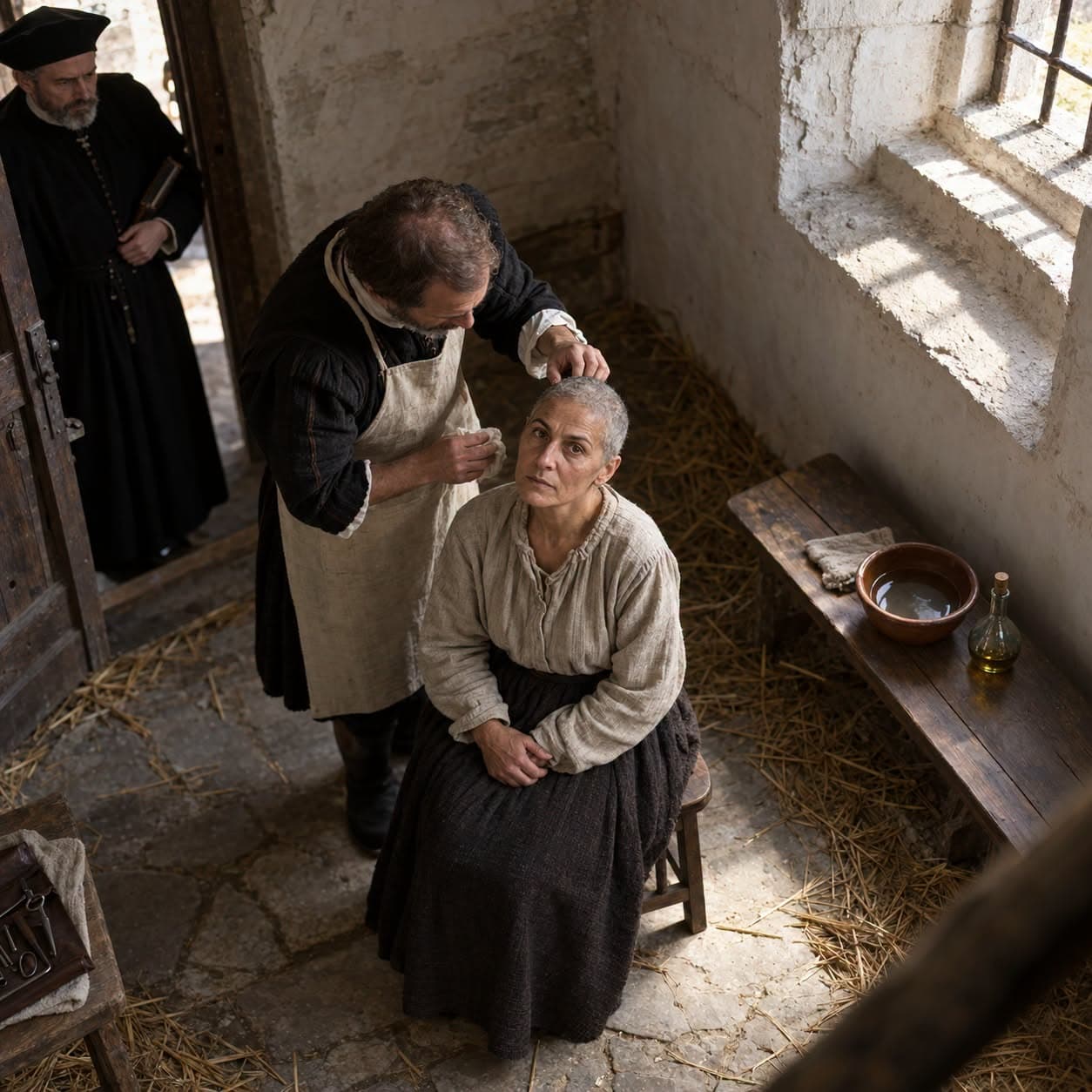
The questioning continued through repeated sessions. In October, her head was shaved and her body examined for a devil's mark, the supposed sign that might explain her resistance to the torture. A surgeon searched her with oil and water. He found no such mark. The absence did not bring the proceedings to an end.
They asked again.
The men directing this case were officers of the royal secular courts. Larramendi sought to have the accused transferred to the Inquisition, whose claim to jurisdiction offered another possible route through the proceedings. María remained in the royal court's hands. Her defence had questioned the evidence, the meaning of her symptoms and the authority handling her case. None of it saved her.
The sentence ordered her taken from prison on a beast of burden, with a trumpet and a crier announcing her crime, through Pamplona's streets to the Taconera. There she was to be strangled at a wooden post and her body burned. Her goods were to be confiscated.
The Anocíbar case helped spread accusations into other communities. More people were questioned, more neighbours named. But María's own journey ended in Pamplona that October. The body that had fallen to the ground in fits since her childhood, that others had bound for prayers and judges had stretched on the rack, was given one last instruction. The sentence required the burning to continue until her body and bones had become ash.