She was thrown backwards by two violent jolts, and the dining room of the imperial train ceased to exist. Her husband survived. Her five children survived. More than twenty of the people travelling with them did not.
On 29 October 1888, the Russian imperial train derailed near Borki, south of Kharkov, now Kharkiv, in present-day Ukraine. Empress Maria Feodorovna was returning with Alexander III and their family from a tour of the Caucasus. In Russia, where the Julian calendar was still in use, the date was 17 October. It was under that date that she recorded the wreck in her diary.
Maria was forty. Before Russia she had been Princess Dagmar of Denmark. She had married Alexander in 1866, taken the name Maria Feodorovna on entering the Orthodox Church, and become empress when he succeeded to the throne in 1881. By the autumn of 1888, they had been married for almost twenty-two years.
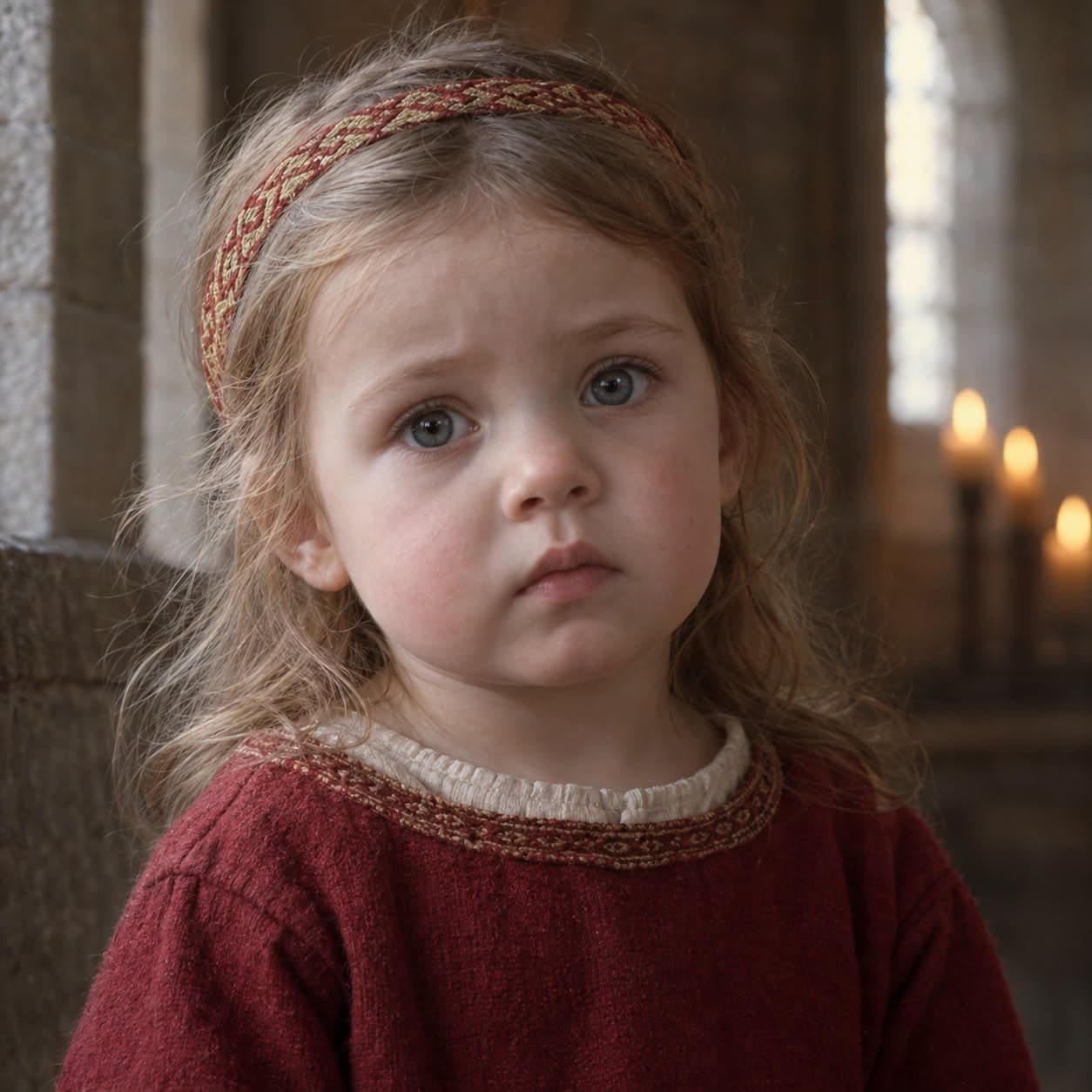
Their children ranged from a grown son to a little girl. Nicholas, the heir to the throne, was twenty; George was seventeen; Xenia thirteen. Michael was nine, with his tenth birthday still ahead of him, and Olga was six. There were grand dukes and grand duchesses among them, and a future emperor, but there was also a six-year-old travelling home with her parents. Imperial titles did very little to alter the size of a child.
The journey had been a substantial undertaking, with rail travel, sea crossings and elaborate public receptions. The family had visited cities across the Caucasus, then sailed back to Sevastopol before taking the train north. Such tours brought the sovereign before his subjects, with appearances arranged and programmes agreed in advance. An emperor could travel a very long way without escaping the business of being seen.
That morning Maria had woken early after a fairly quiet night to find the weather cold and overcast. They went in to their midday meal cheerful and contented. Then came the first jolt, followed by another, worse than the first. They were all flung backwards. The room in which she had been sitting was destroyed around her. A meal on the way home had ended in wreckage.
All seven members of the imperial family came through alive.
The train carried many other people. There were those whose work made the journey possible, those who attended the family and those who travelled as part of the court. They had shared the route and the danger. They did not all share the escape. Among the dead was Tikhon Sidorov, Maria's personal bodyguard, who had served her for twenty-two years. His service reached back to the year of her marriage. He had accompanied her through almost the whole of her Russian life.
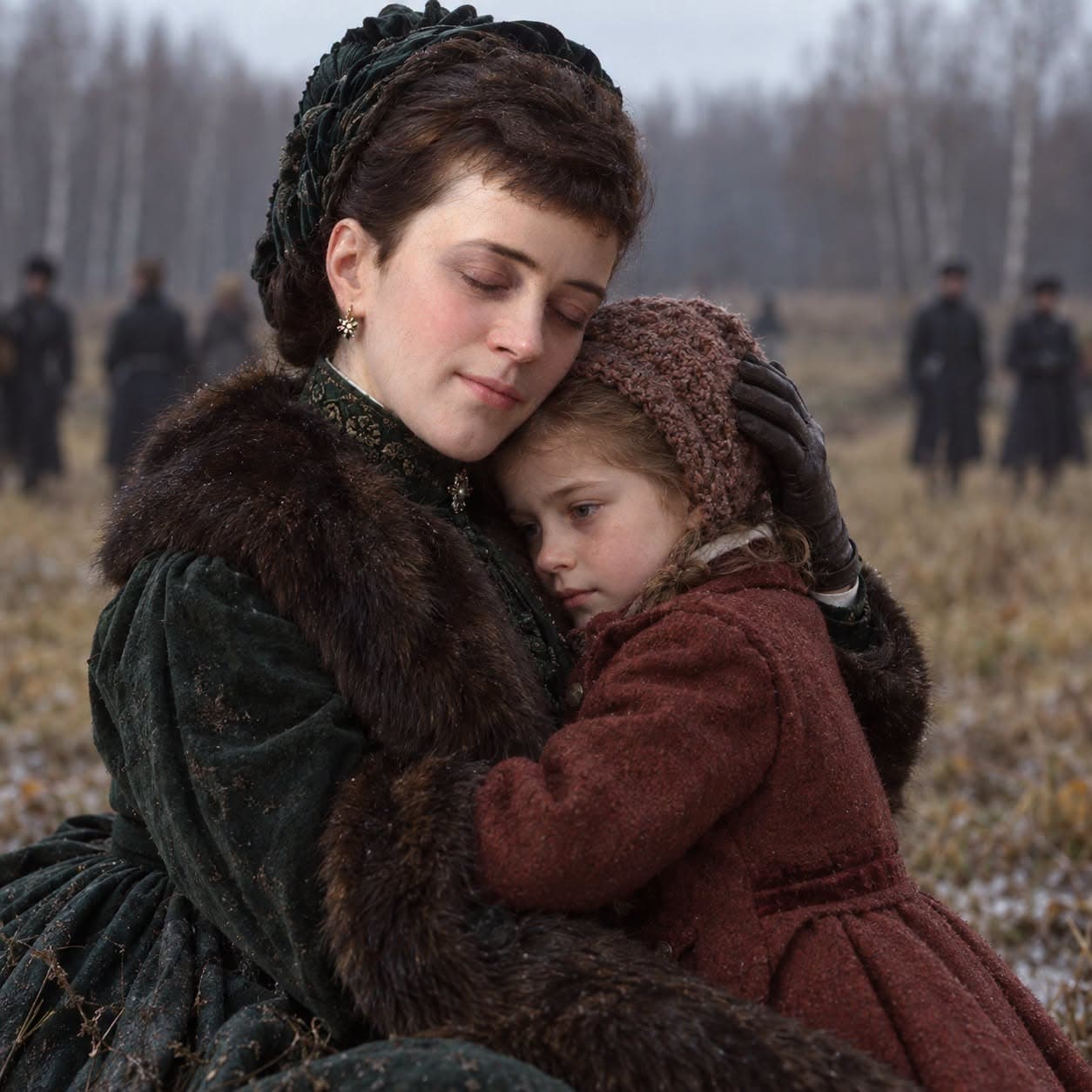
She helped care for the wounded after the crash. This was work she already cared about: the care of the sick and wounded was one of her established interests. At Borki, that interest had an immediate use. In her diary she wrote that none of the family had been hurt. Weeks later, writing to her brother, the King of Greece, she described her left hand as completely black.
By evening, the family and other survivors were able to board another train. The badly wounded soldiers and servants were taken to hospitals in Kharkov. Along the onward route, crowds gathered to see the emperor alive. People wept and cheered. The public receptions had resumed, but the journey now carried news of survival, and the bodies of those who had died were also brought to the capital.
The family's escape was celebrated as divine protection. There would be commemorative medals and icons, objects made to preserve the memory of the sovereign and his family being spared. Maria understood her survival in those terms too. In her diary she wrote that God had worked a miracle and saved them all together. The empress and the mother had the same reason to give thanks.
The dining room had disappeared around her, and her husband and all five children had survived. Sidorov would not be going home with them. In her notebook, Maria praised God's mercy for preserving everyone she loved. Then, in the same sentence, she turned to the suffering around her: "but so much grief!"