She spent years arranging her son’s marriage to a queen. When it finally happened, she was a prisoner in the Tower of London.
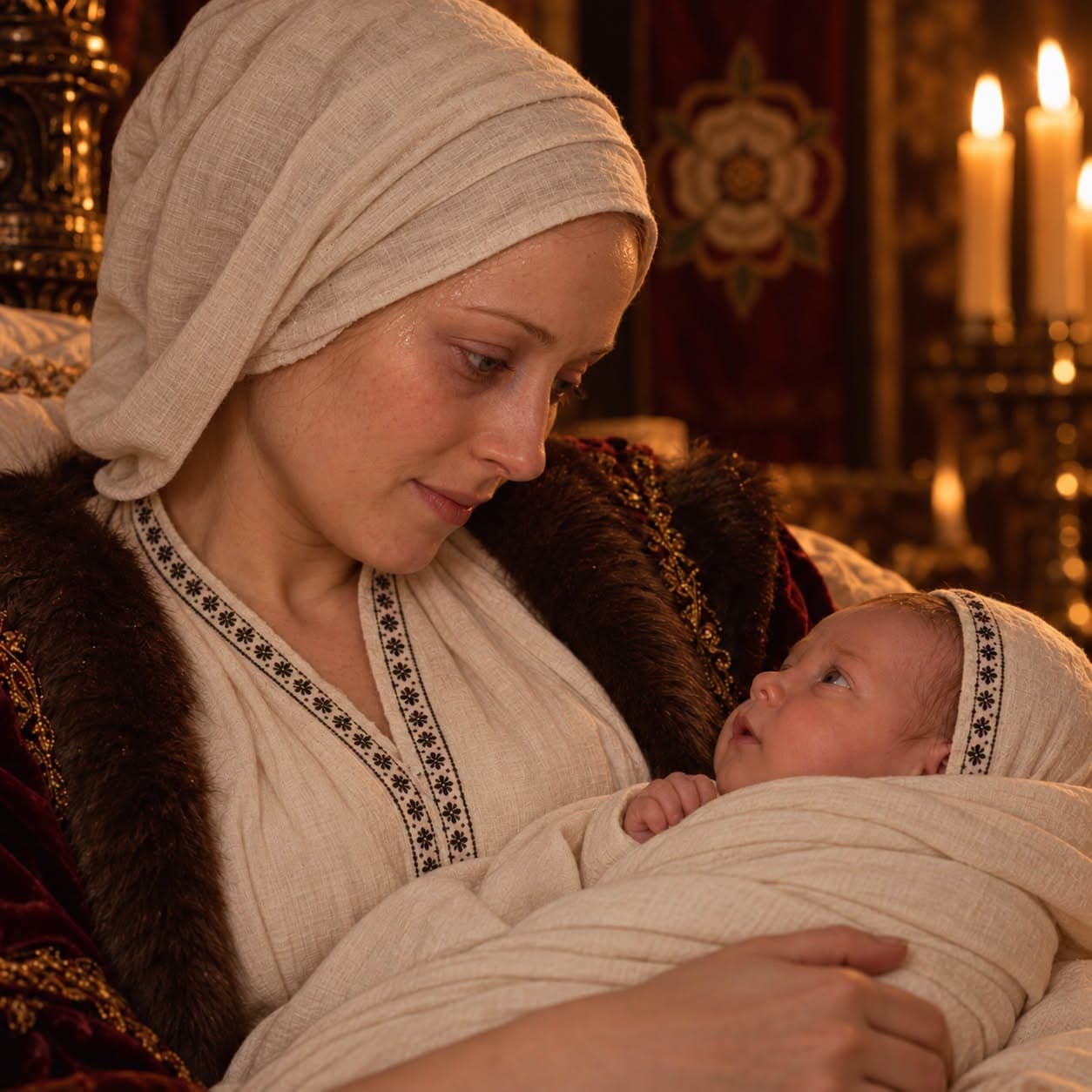
Margaret Douglas was born on 8 October 1515 at Harbottle Castle in Northumberland. Her mother, Margaret Tudor, had fled Scotland heavily pregnant, leaving two small sons behind her, and the baby arrived in a border fortress within days of crossing into her brother’s kingdom.
The girl grew up at the court of her uncle Henry VIII and learned young what a Tudor niece was worth. At twenty she gave her word to Lord Thomas Howard, half-brother of the Duke of Norfolk, without asking the king. Henry sent them both to the Tower. Thomas died there in October 1537. In 1541 she was caught again, this time with his nephew Charles Howard, brother of Henry’s fifth queen, and was sent to Syon. When Henry finally chose a husband for her, it was Matthew Stewart, Earl of Lennox, a Scottish exile with a claim of his own. They married in July 1544.
They had eight children, and only two sons lived to be grown. Henry, Lord Darnley, had the blood of Henry VII from his mother and of the Stewart kings from his father. Margaret watched him grow up and knew exactly what that was worth. When Mary, Queen of Scots, was widowed in 1560, Margaret began to write to her. Mary said afterwards that she had been pestered with letters, messages and presents. When one of Margaret’s agents was questioned, he admitted that his errands in Scotland had been meant to arrange this marriage and nothing else.
In February 1565 Elizabeth allowed Darnley to travel north to join his father, and Mary met him that month at Wemyss Castle. To win the support of the Douglas family, Margaret gave up her own claim to the earldom of Angus. Elizabeth ordered father and son home.
They stayed.
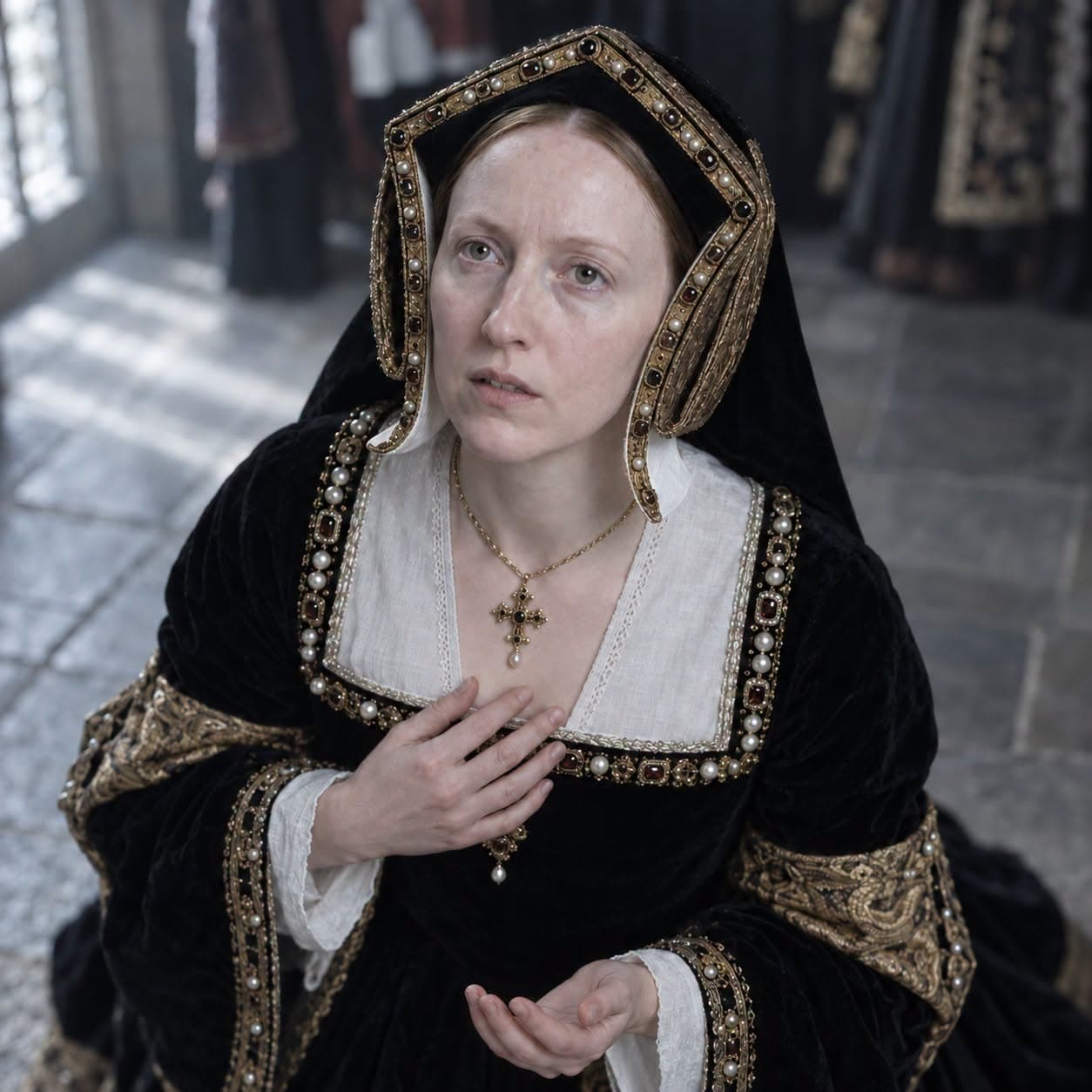
On 22 June, Margaret was taken to the Tower. The woman who had once been imprisoned for arranging her own marriage was now imprisoned for arranging her son’s.
Mary married Darnley at Holyrood on 29 July 1565. The bridegroom’s mother was not among the company, because she was in a cell in London. Mary asked Elizabeth to release her, and so did the kings of France and Spain. Darnley wrote to Elizabeth himself, saying that his mother had known nothing of it. Elizabeth kept her where she was, comfortable and well attended.
The marriage went wrong quickly.
In June 1566 Mary gave birth to a son, James, which gave Margaret a grandson in the line of two thrones, but it did nothing to mend things between his parents. On the night of 9 to 10 February 1567, the house at Kirk o’ Field in Edinburgh, where Darnley was lodging, was blown up. He was found dead in the garden. He was twenty-one.
Margaret knew nothing of it for nine days.
She was still in the Tower on 19 February when two women came up the stairs. One was Mildred Cecil, wife of Elizabeth’s secretary. The other was Lady William Howard, sister-in-law to the Thomas who had died in that same fortress almost thirty years before. They told her that her son was dead. They told her, wrongly, that Lennox had been killed as well. William Cecil wrote that nothing could quiet her. Elizabeth sent her own physician. Within days Margaret was moved to Sheen, where her younger son Charles was waiting for her.
Lennox, in Scotland, put Bothwell on trial for the murder, and Bothwell was acquitted. Margaret and Lennox decided that Mary was behind it. Mary was forced to abdicate that summer, and on 29 July 1567, two years to the day after her wedding, her thirteen-month-old son James was crowned King of Scots.
Margaret was not finished.
She and Lennox, short of money, paid for a painting, the Memorial of Lord Darnley, because they were afraid they might not live long enough to remind their grandson that his father’s death had to be avenged.
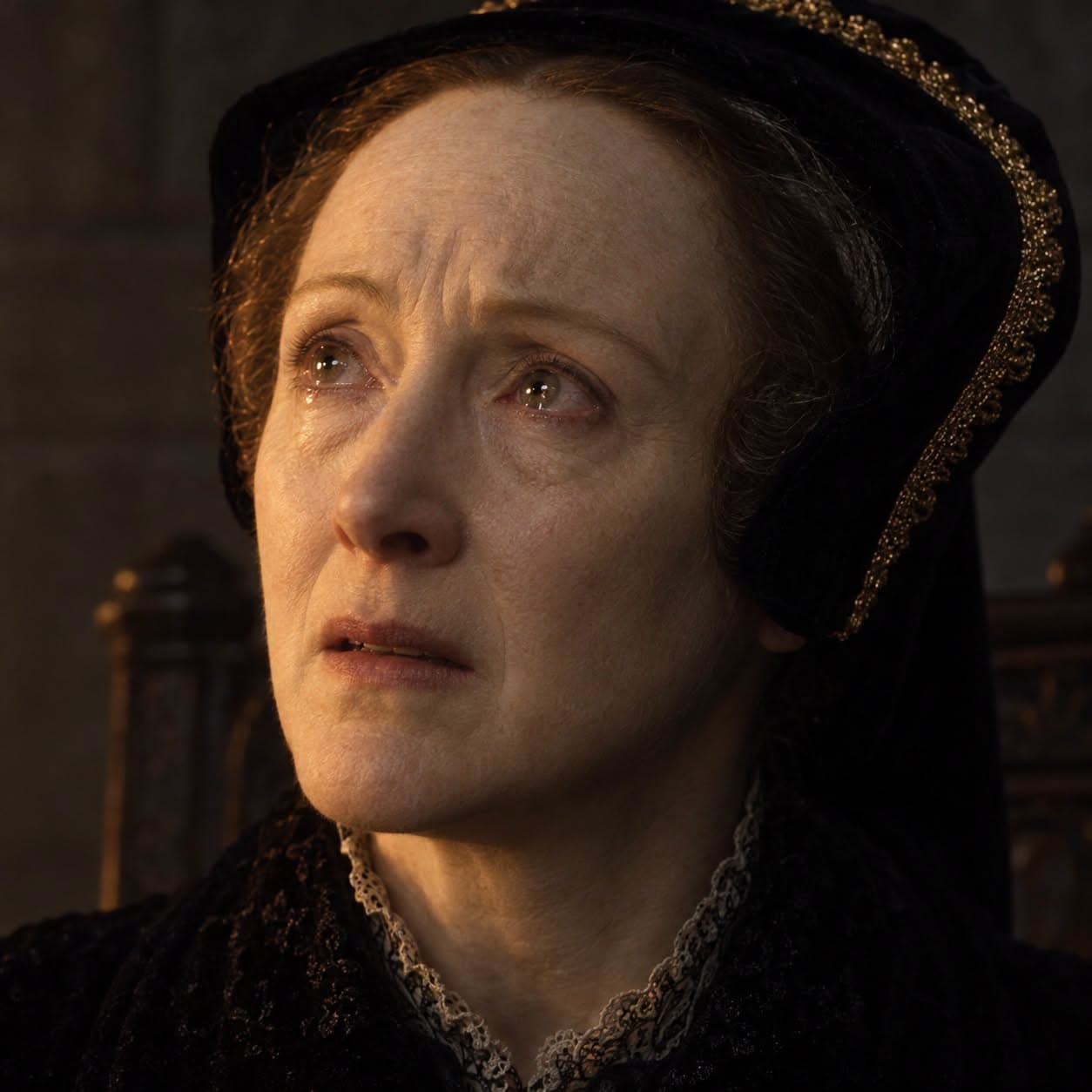
In 1568 Mary escaped across the border and threw herself on Elizabeth’s mercy. Margaret and Lennox hurried to court and begged for justice. One observer described Margaret’s face as swollen and stained with tears. Elizabeth sent them away, telling them that so great a crime should not be believed of a queen without more proof. Mary wrote that she would meet anyone who accused her, except Margaret.
In 1570 the Regent of Scotland was assassinated, and Margaret asked Elizabeth to send James south so that she could bring him up herself. Elizabeth refused. She sent Lennox north to govern as regent and kept Margaret and Charles in London. In September 1571 Lennox was shot in the back in a skirmish at Stirling. Three years later Charles married Elizabeth Cavendish, daughter of Bess of Hardwick, without asking the queen, and Elizabeth sent Margaret back to the Tower. Charles died of tuberculosis in 1576, aged twenty-one. He left a baby daughter, Arbella.
Margaret died in March 1578, in debt. Her goods could not cover her debts and her funeral, and Elizabeth paid for her burial in Westminster Abbey, in the same grave as Charles.
Her executor finished the monument that October. Her alabaster figure lies in blue and gold robes and a red fur-lined cloak, hands raised in prayer. Eight small figures kneel along the sides of the tomb, four sons and four daughters, every one of them dead before her. The inscription lists her kin from her great-grandfather Edward IV down to her cousins, and among them is her “neece and daughter in law Mary Q. of Scotts.” It calls her murdered son King Henry the First and says he was “murthered at the age of 21 yeares.” It ends with her grandson, “James the 6 now king.”
In 1603 he became King of England as well.