Margaret accepted a bed for the night from a man who claimed a connection to her family. The next day, another woman was offered money to keep quiet about her death. Ann Gray refused.
On 31 October 1828, Margaret was murdered in Edinburgh's West Port. She was a middle-aged Irishwoman, and the records give her several names, among them Campbell, her husband's name, and Docherty, her own. Her killers were William Burke and William Hare. Within weeks those names would be known across Britain. That Friday morning they belonged to two men in a poor corner of the Old Town who had found a way to make money from strangers. Margaret walked into the house alive.
Burke met her in a shop that morning. When he heard what she was called and where she came from, he said she might be a relation of his mother's. They were already fellow countrymen, and now he offered her something closer. He took her home with him, where there was food and the promise of a place to stay. The talk of family came with the invitation.
Later that day, in a neighbour's room, Margaret spoke of her host as Docherty. The neighbour told her his name was Burke. Margaret insisted it was Docherty. She wanted to know how to find her way back to the house, because she had no money to pay for a bed anywhere else. He had promised her supper and a bed. She meant to go back for them.
There was nothing extraordinary about needing help with a night's lodging. The extraordinary thing was what Burke intended to make of it.
Edinburgh's anatomy teachers needed bodies for their students, and the legal supply could not meet the demand. Grave robbers made up some of the shortfall. Burke and Hare had found another way. They murdered people and sold the bodies to the anatomist Robert Knox. A person who needed a roof could be brought indoors, given drink and made to disappear from the street without any grave being disturbed. The invitation was part of the business.
Ann Gray and her husband James were lodging with Burke and his partner, Helen McDougal. They had spent the previous night there, and Ann was in the house that morning when Margaret arrived. By evening Burke wanted the Grays elsewhere. He told them they must sleep away that night, said he had arranged a bed for them at Hare's, and told them to come back for breakfast.
They went. Around nine that evening they came back briefly to collect some things for their child. Burke and Hare were dancing. Margaret was singing to them. It was Halloween. The Grays stayed a few minutes and left again.
Margaret was killed later that night.
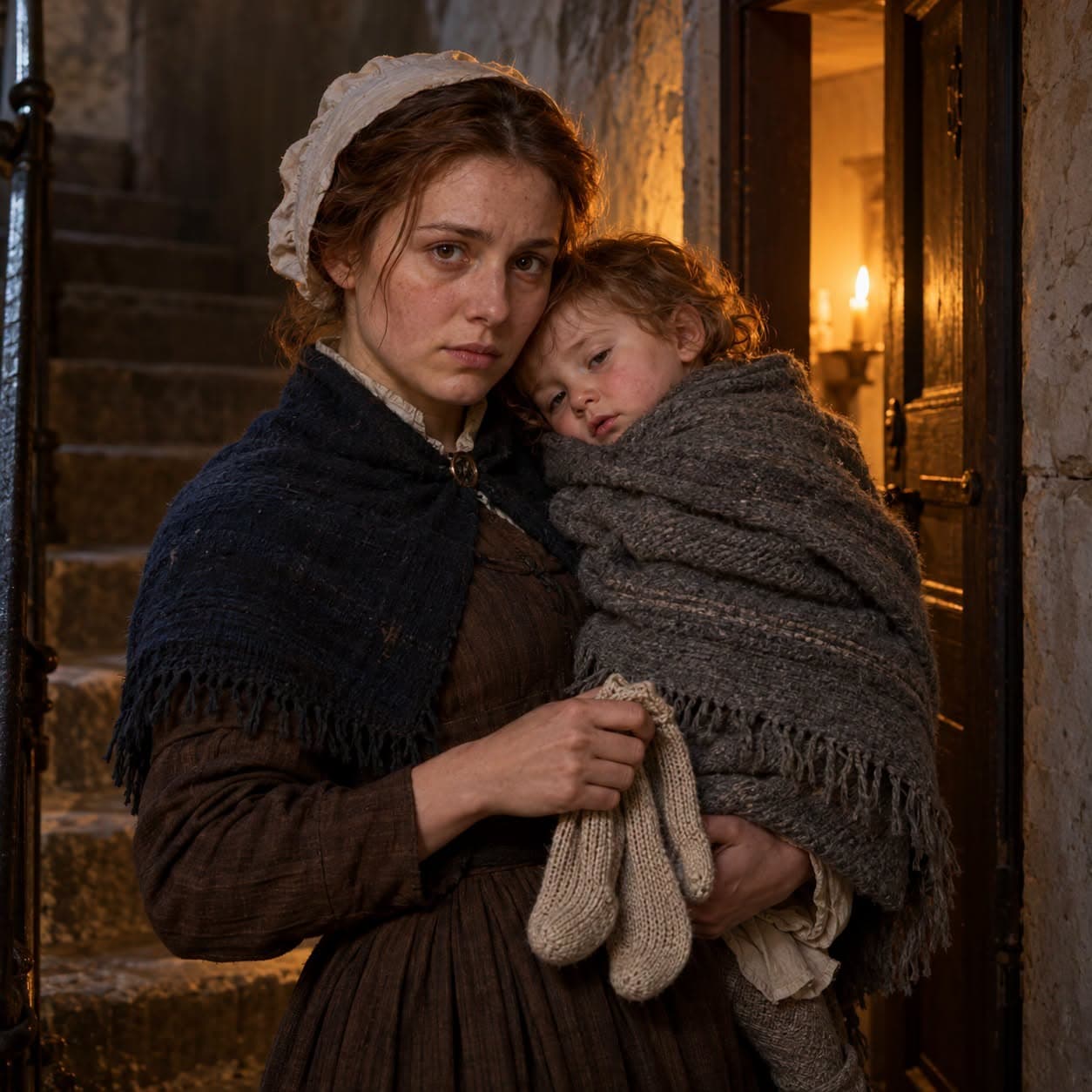
On Saturday morning the Grays came back for breakfast. Margaret was gone. Ann was told that McDougal had turned her out for being drunk. But there were ordinary things Ann needed to do in that room, and Burke kept stopping her. When she went looking for her child's stockings near the straw at the foot of the bed, he told her to keep out from there. When he told her to put on the potatoes and she reached under the bed for some, he ordered her out of it, saying she might set the bed on fire with her pipe. He had been throwing whisky about the room.
A woman who has been told twice to keep away from the same corner notices the corner. Later, when the house was empty, Ann and James searched the straw. They found Margaret dead.
McDougal came in on the reckoning soon after. She offered Ann five or six shillings to say nothing, and told her that if James kept quiet it could be worth ten pounds a week to him. Ann told her that this was the woman who had been well, singing on the floor, the night before.
The money was refused. James went to the police.
By the time officers reached the house, the body had already been carried to Knox's rooms. It was found there. The hospitality had served its purpose. The attempt to buy silence had not.
The case came to court on Christmas Eve. Ann and James gave evidence, but the prosecution wanted testimony from inside the partnership, and Hare was promised immunity in return for his. He appeared as a witness against Burke rather than standing beside him in the dock. The trial ran on into Christmas morning. Burke was found guilty of Margaret's murder. The charge against McDougal was found not proven, and she was released. Hare walked free under the agreement that had bought his evidence. Burke was hanged on 28 January 1829.
Margaret had been offered supper and a bed by a man who claimed her family. Once she was dead, the same household offered money, a few shillings now and ten pounds a week to come. Ann told the court what she had answered: she would not wish to be worth money got for dead people.