Margaret refused a queen entry to Leeds Castle. The king came with an army. Her children went to the Tower with her.
On 31 October 1321, Leeds Castle in Kent surrendered to Edward II. The refusal had come earlier that month, when his wife, Isabella of France, sought hospitality there. By the time the castle fell, the question of who could spend a night inside it had become a question of who could defy the Crown and survive.
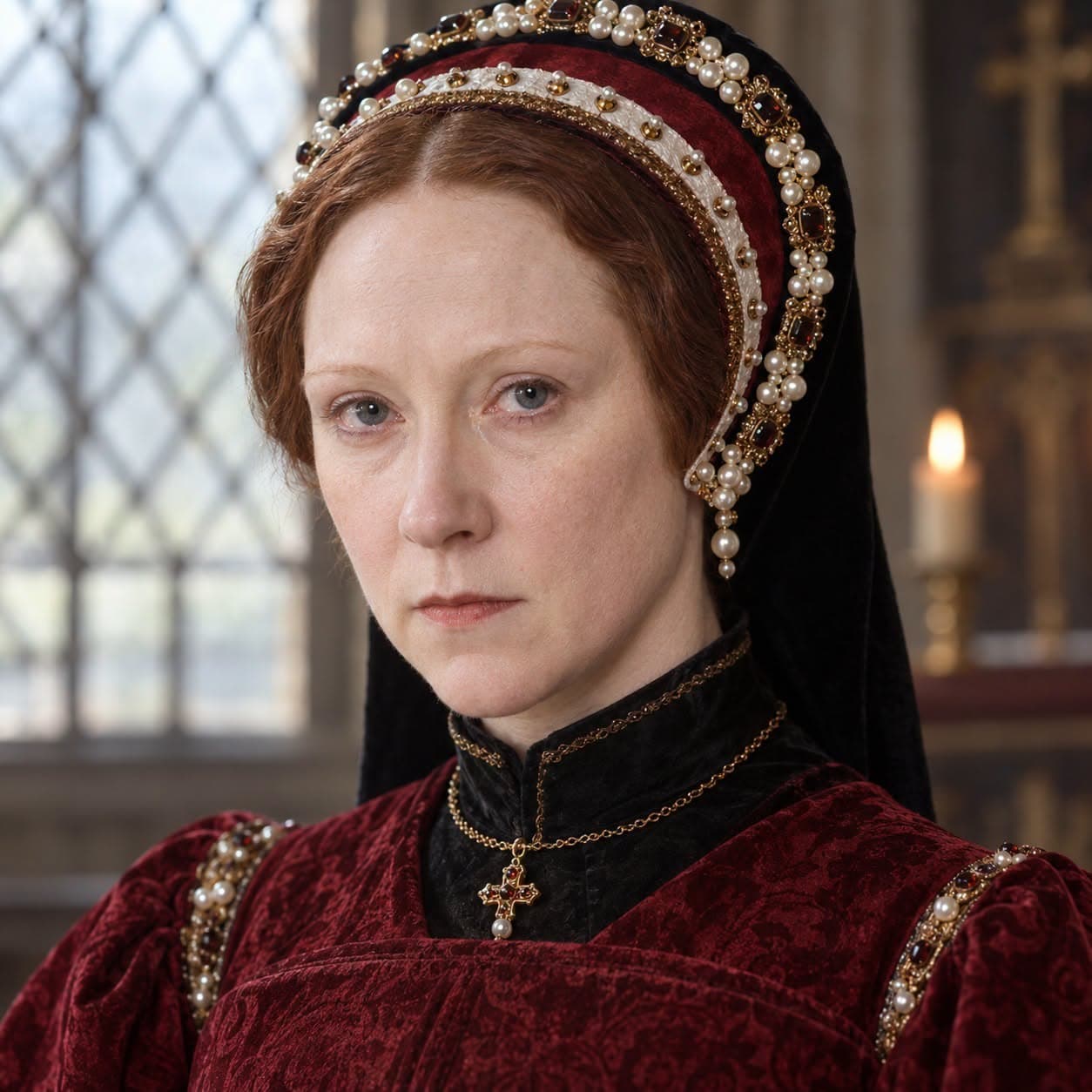
Margaret was a de Clare, from a family whose lands and marriages connected the nobility of England and Ireland. Her husband, Bartholomew de Badlesmere, had risen high in Edward's service. The king had given him custody of castles and made him steward of the royal household. They had four daughters and a son, Giles. Almost everything the family held had come to it through the king's favour.
Then Bartholomew changed sides.
During the summer of 1321, opponents of the king's favourite, Hugh Despenser the Younger, and his father had forced Edward to accept their exile. The dispute concerned land, influence and the power exercised in the king's name. Badlesmere joined the opposition. A man who had helped run Edward's household was now among the men limiting his freedom to govern it. The favour that had brought the Badlesmeres so much could also be withdrawn.
Before leaving Kent to rejoin his allies, Bartholomew put his castles into a state of defence. Margaret remained at Leeds with its garrison. In her husband's absence, the responsibility for admitting people belonged to her. This was work a noblewoman could be trusted to do. It became rather less convenient when the person seeking admission was a queen.
Isabella was travelling in connection with a pilgrimage to Canterbury when she came to Leeds. She brought an escort and the authority of her position. A request for hospitality from the king's wife was not an ordinary request, and Margaret refused it. When Isabella's party attempted to gain entry, the defenders fired on them. Members of the queen's escort were killed.
What began as a refusal of shelter had become an armed attack on a royal party. Isabella's rank turned a household's refusal into an offence against the Crown, and her husband's government would enforce the consequences.
Edward ordered men to assemble against Leeds. The attack on Isabella allowed him to gather support around an insult to the Crown, rather than asking everyone to rally behind his unpopular favourite. A baron could object to the Despensers and still find it difficult to defend the killing of the queen's attendants. At Leeds, the divisions among the king's opponents began to work in his favour.
The king came to the siege himself. Margaret was no longer deciding whether a travelling household should enter. She was holding a fortress against the man from whom her husband had received it.
Help did begin to move towards her. Bartholomew persuaded the Earl of Hereford and the Mortimers to attempt the relief of Leeds, but their force stopped at Kingston upon Thames. There were negotiations through bishops and the Earl of Pembroke. The barons wanted Edward to lift the siege, with the castle's surrender postponed until after the next parliament. Margaret's position was being discussed by men who remained beyond the reach of the king's siege.
Another powerful opponent of Edward, Thomas, Earl of Lancaster, discouraged assistance. He was hostile to Badlesmere as well as to the king. Opposition to Edward had not made his opponents friends with one another. The force at Kingston withdrew northwards, and Bartholomew went with it.
No relief reached Leeds.
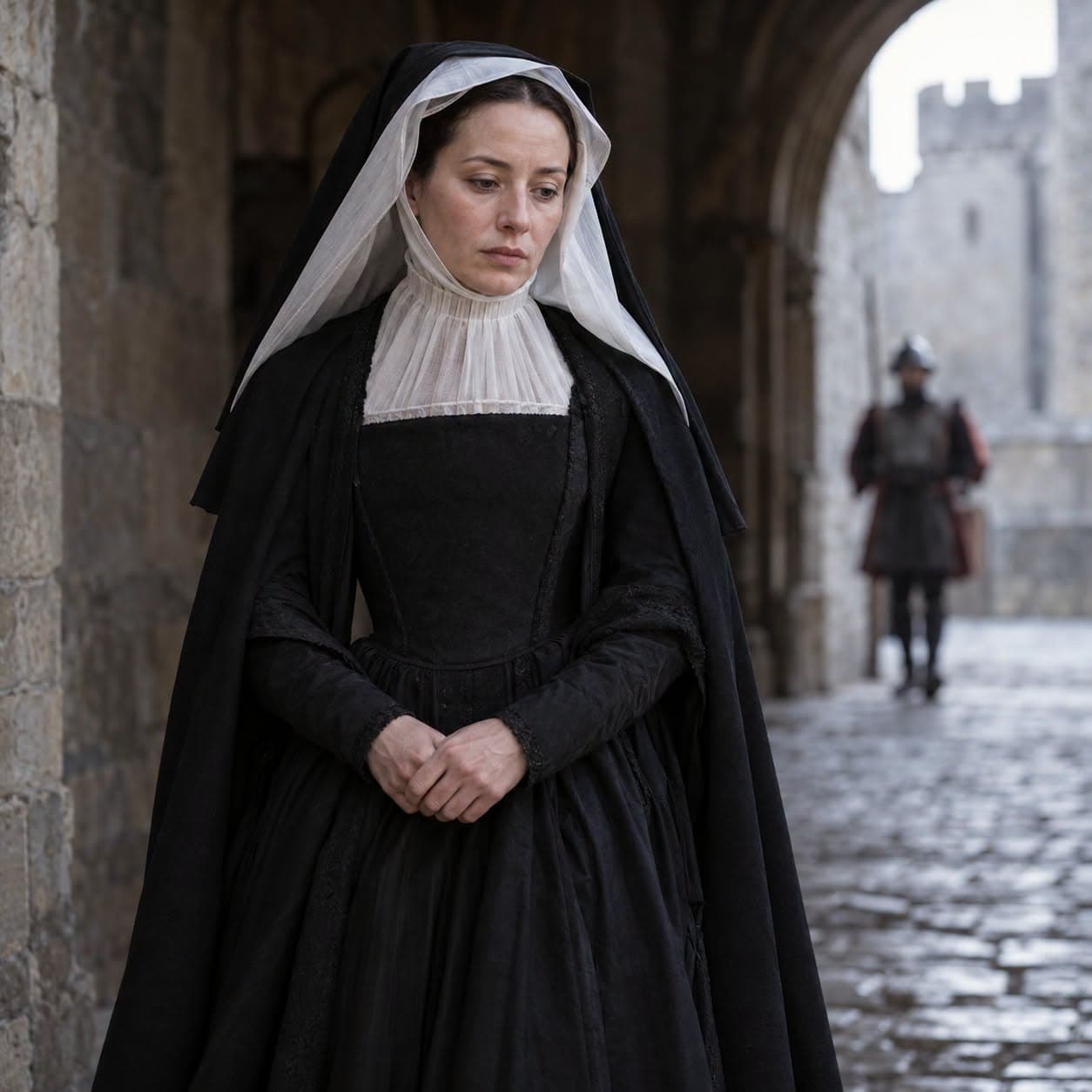
On the last day of October, the castle surrendered. Its garrison commander, Walter Culpeper, and twelve other defenders were subsequently executed. Margaret and her children were sent to the Tower of London. Others from the defeated castle were imprisoned too. Who went in and out of Leeds was now the king's decision.
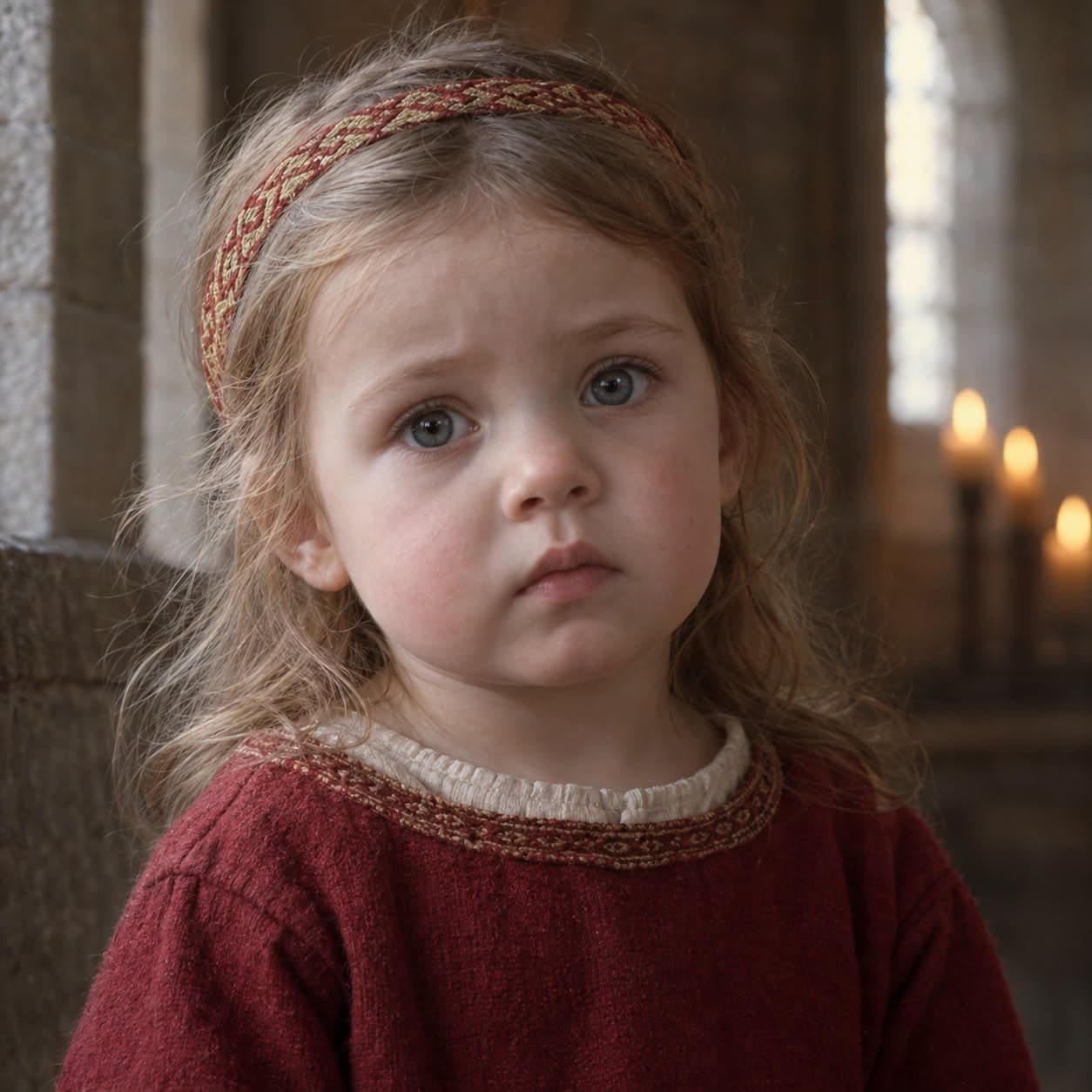
Her children had not made their father's alliance or their mother's refusal. Yet they shared the confinement that followed. The son who was his father's heir, and the four daughters who would one day divide the family estates between them, went with her. Royal punishment had room for them all.
Beyond the Tower, the fighting continued. The king defeated his opponents, and Bartholomew was captured. On 14 April 1322 he was executed. Margaret remained a prisoner after her husband's death.
Her release came on 3 November 1322, a year and three days after the surrender. At Leeds, she had possessed the authority to refuse admission. At the Tower, she needed the king's authority to leave. By the time it was granted, Margaret Badlesmere was a widow.