Louise was just seventeen but the man she married had to take her name. Monaco needed another Grimaldi. Becoming one was the condition of becoming her husband.
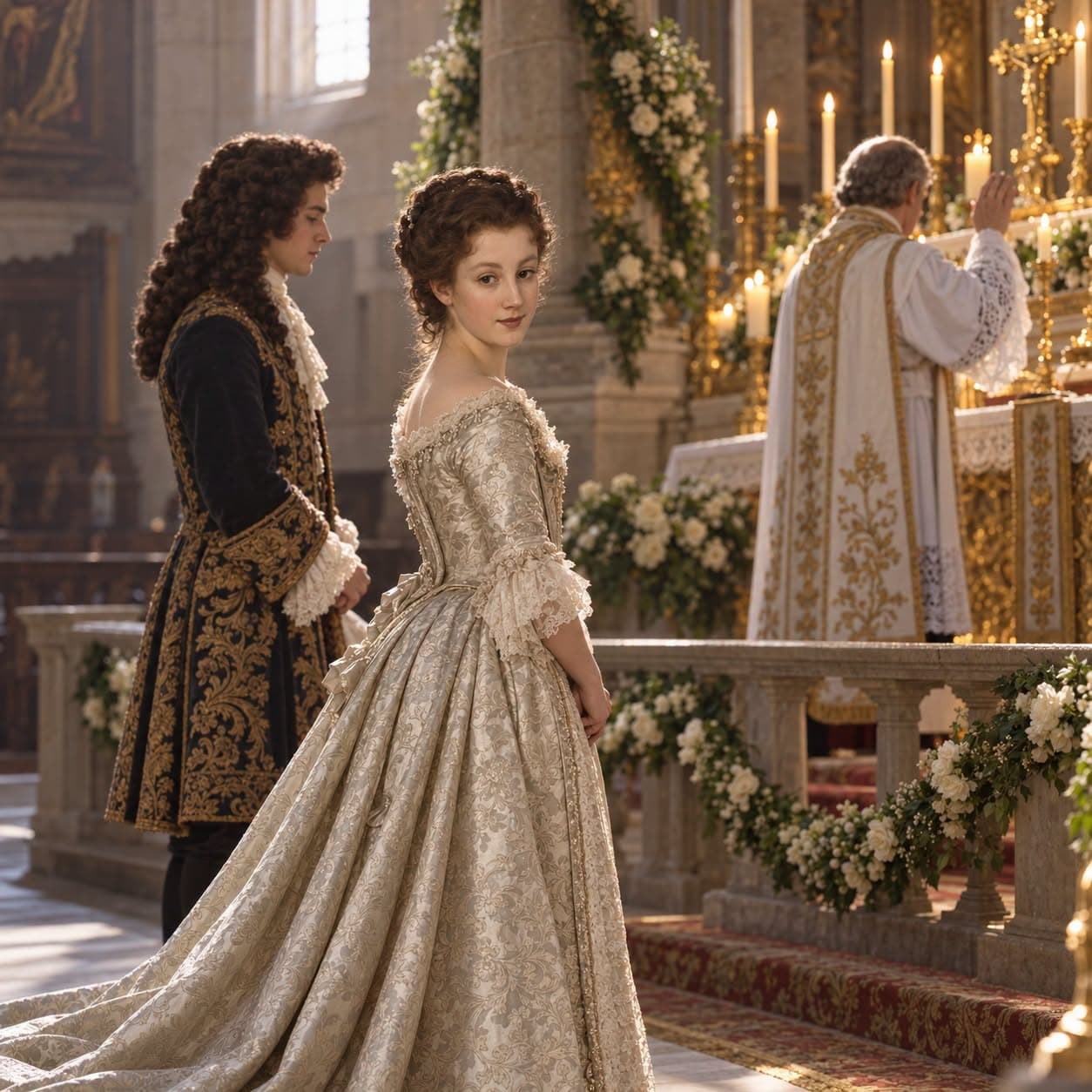
On 20 October 1715, Louise-Hippolyte Grimaldi married Jacques de Goyon-Matignon in Monaco. The blessing took place in the parish church of Saint-Nicolas, decorated for the occasion. She was three weeks short of her eighteenth birthday, the daughter of Prince Antoine I and Marie de Lorraine, and the heiress through whom the ruling house would continue. The bridegroom brought one of the oldest names in Normandy and Brittany, and had agreed to give it up. The bride brought the succession.
Her parents had had six daughters. Louise-Hippolyte was the eldest surviving daughter, and there was no legitimate son to inherit. That made finding her a husband a matter of government. A marriage could bring another family into possession of Monaco, and the Grimaldis had made provision against disappearing quite so conveniently into somebody else's ancestry.
Their succession rules went back to the will of Jean I in 1454. A woman could transmit sovereignty, provided her husband was a Grimaldi. For Louise-Hippolyte, whose intended husband came from outside the family, the solution was to require him to abandon his own name and coat of arms and take hers. Jacques agreed. The marriage would bring a new family into Monaco without letting Monaco pass to a new family.
There was a French dukedom in the arrangement as well. Antoine ceded the duchy of Valentinois to his future son-in-law, with royal approval. Jacques gained the rank of duke and peer of France. Giving up his surname had its compensations.
The arrangements had reached the French royal study before the couple reached the church. Their marriage contract was signed at Versailles on 5 September, while the court was in mourning. Louis XIV had died four days earlier, and the king in whose reign the contract was signed was five years old. By October, the contract had become a wedding, and Jacques de Goyon-Matignon had become a Grimaldi.
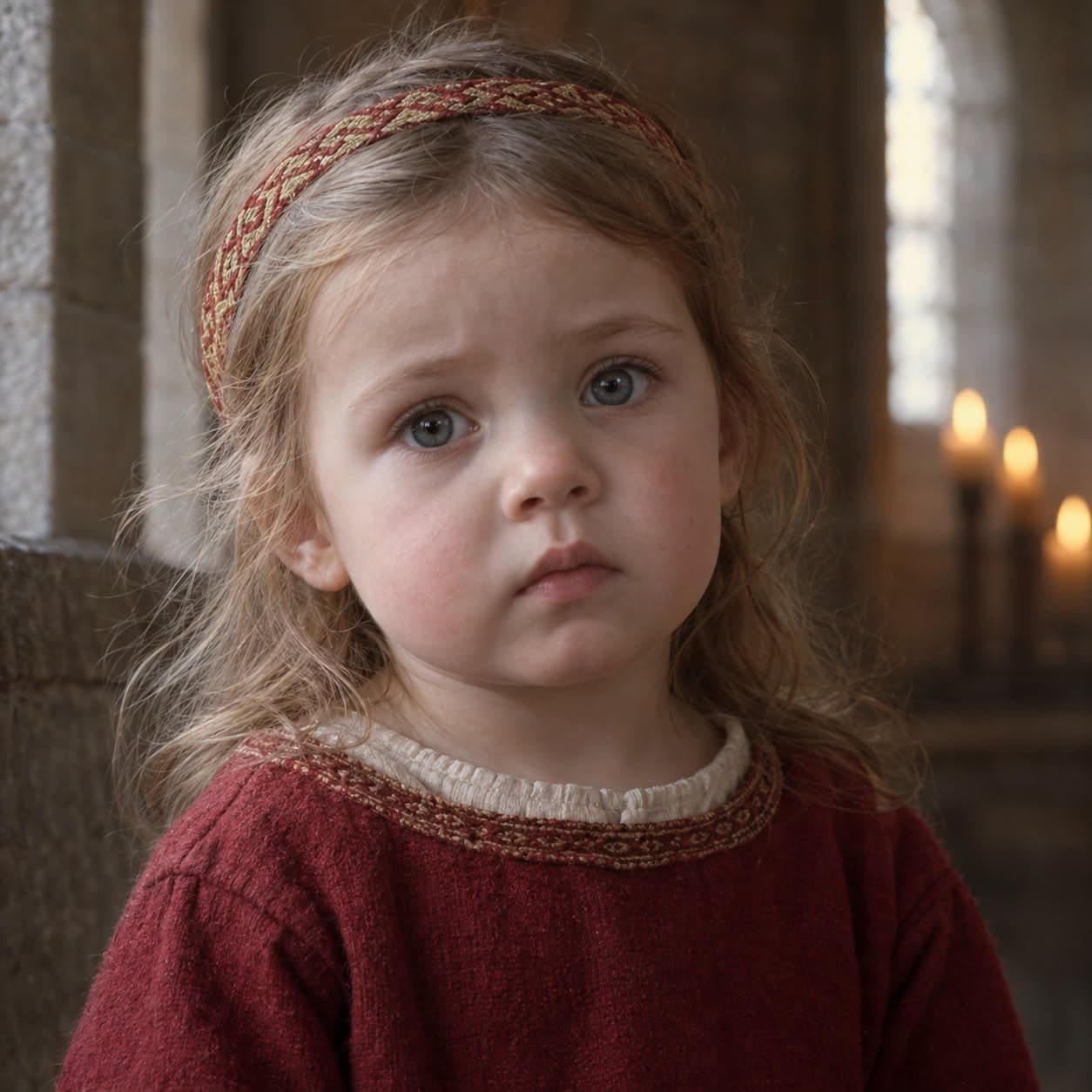
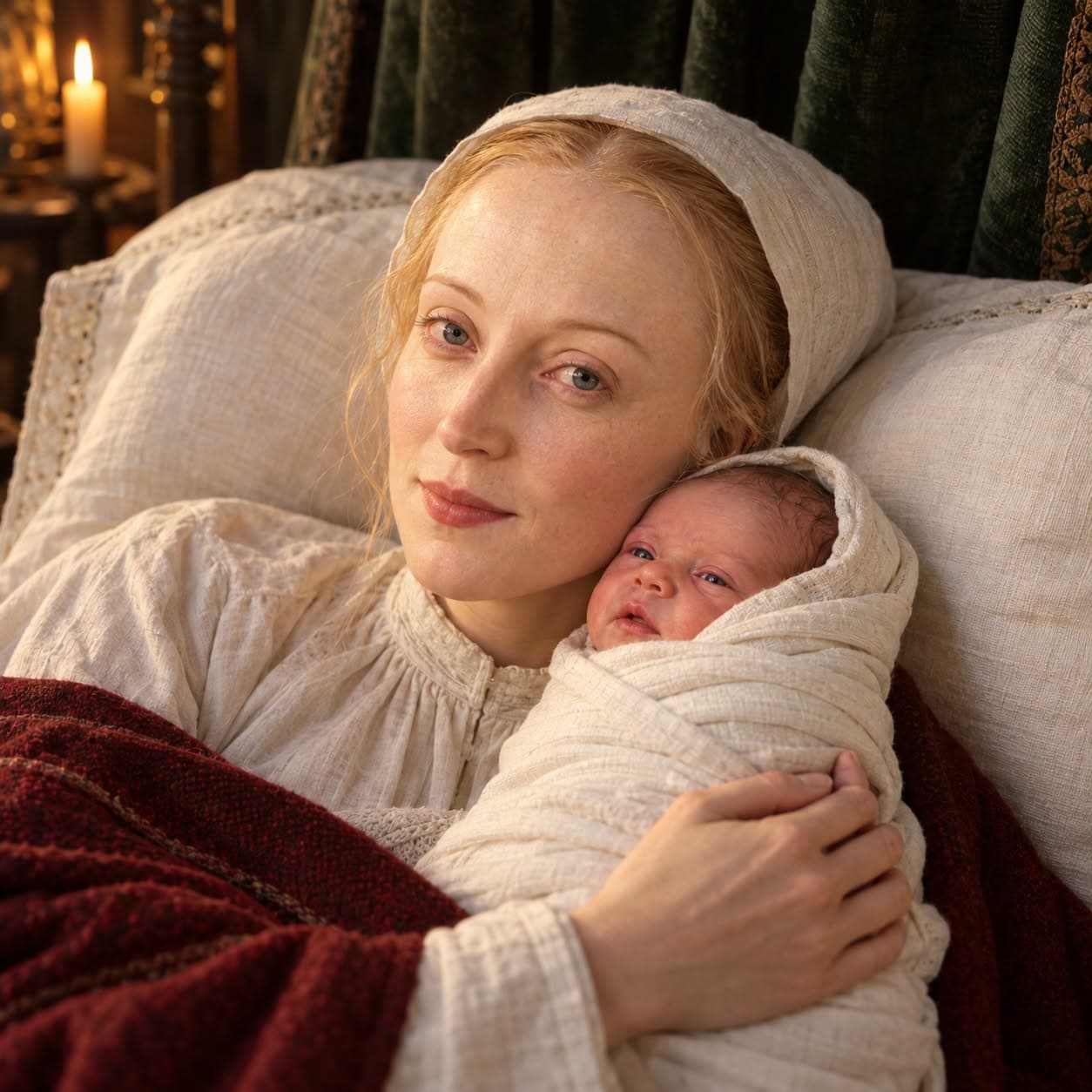
The life that followed was largely spent in France, in Paris and at the Matignon château of Torigni in Normandy. The Hôtel de Matignon became the couple's Paris residence in 1725. Louise-Hippolyte, whom her family called Coco, had nine children in eleven years. Three died young, the last of them a little daughter, Louise Françoise, in 1729. Among those who lived was Honoré, born in 1720, the son who would one day inherit Monaco. She concerned herself closely with the children's education, and she went on writing affectionately to Jacques after they had begun to live apart. The contract had been written for a dynasty. The letters were written to a husband.
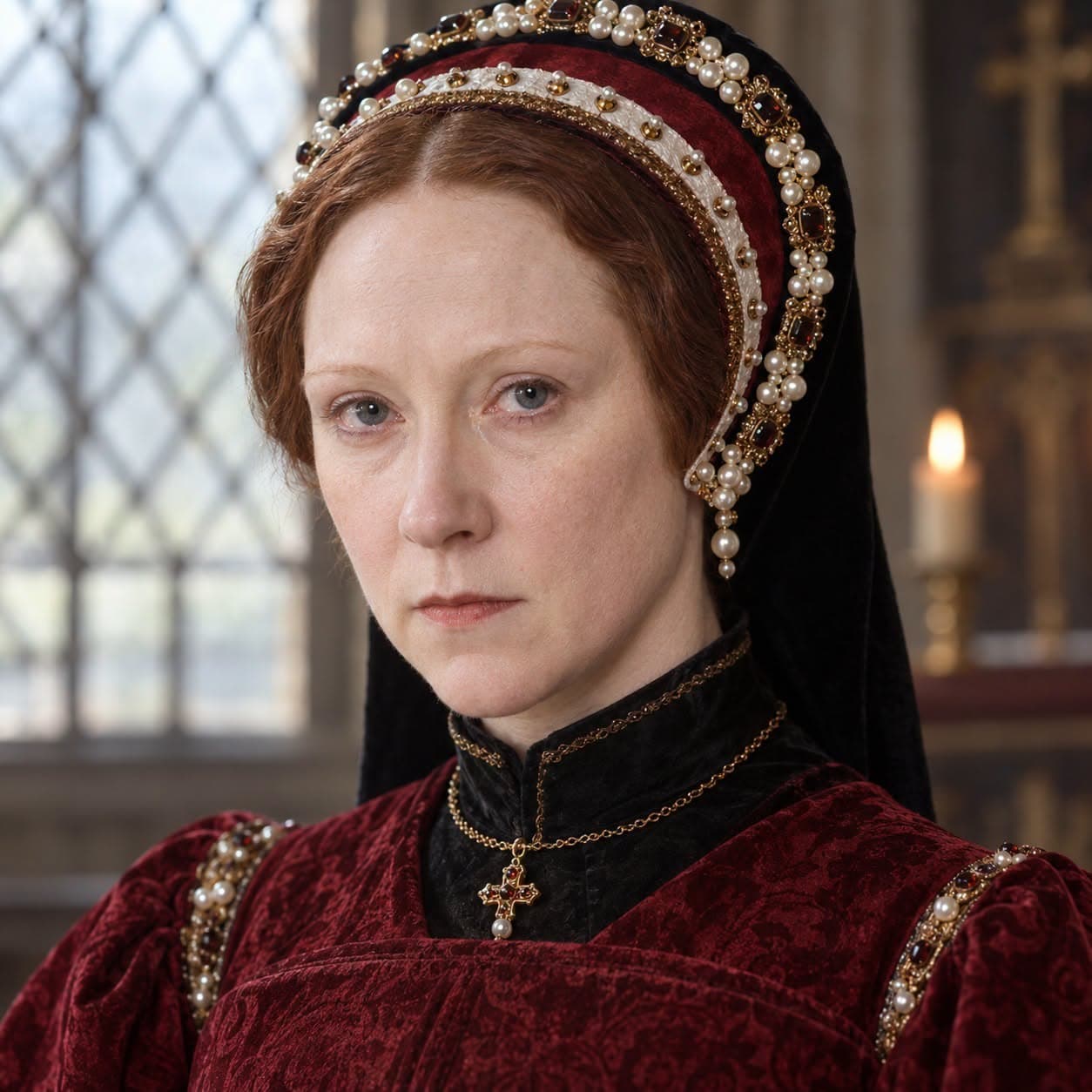
In 1731, her father died. Louise-Hippolyte became sovereign princess at thirty-three and came home to Monaco that April. She received her subjects' oaths without her husband beside her, at the palace for Monaco and Roquebrune, and in Menton. The succession that had occupied the marriage negotiations sixteen years earlier was now hers to exercise.
She declared that she and Jacques would govern together. He came to Monaco, and soon went back to France. The habits of a court had not changed because a contract had, and the old distinction between a prince and a prince's wife soon reached the prayers said in public.
Louise-Hippolyte asked to be named jointly with her husband. She was told that the husband always preceded the wife. She resisted. In a marriage, the explanation was familiar enough. Applied to the woman who had inherited Monaco, it placed the man who had married into the dynasty ahead of the woman through whom he belonged to it. Her name had been indispensable when the marriage was arranged. Now its place had to be defended when it was spoken aloud.
Her seal carried two shields of arms and one name. The name was Louise.
Nor was her government confined to precedence. She issued measures on the carrying of firearms and on defamatory songs, the dumping of rubble, the upkeep of roads and the regulation of butchery. Roads and meat supplies were less splendid than a wedding in a decorated church, but they were part of the inheritance too.
She had about ten months. On 29 December 1731, Louise-Hippolyte died of smallpox in the palace at Monaco where she had been born. She was thirty-four. She was buried in the church of Saint-Nicolas, where her wedding had been blessed sixteen years before. Jacques succeeded her as Jacques I, and in 1733 he abdicated in favour of their son Honoré. For those nearly two years the man who had taken her name in that church ruled Monaco under it, and nobody argued about whose came first.