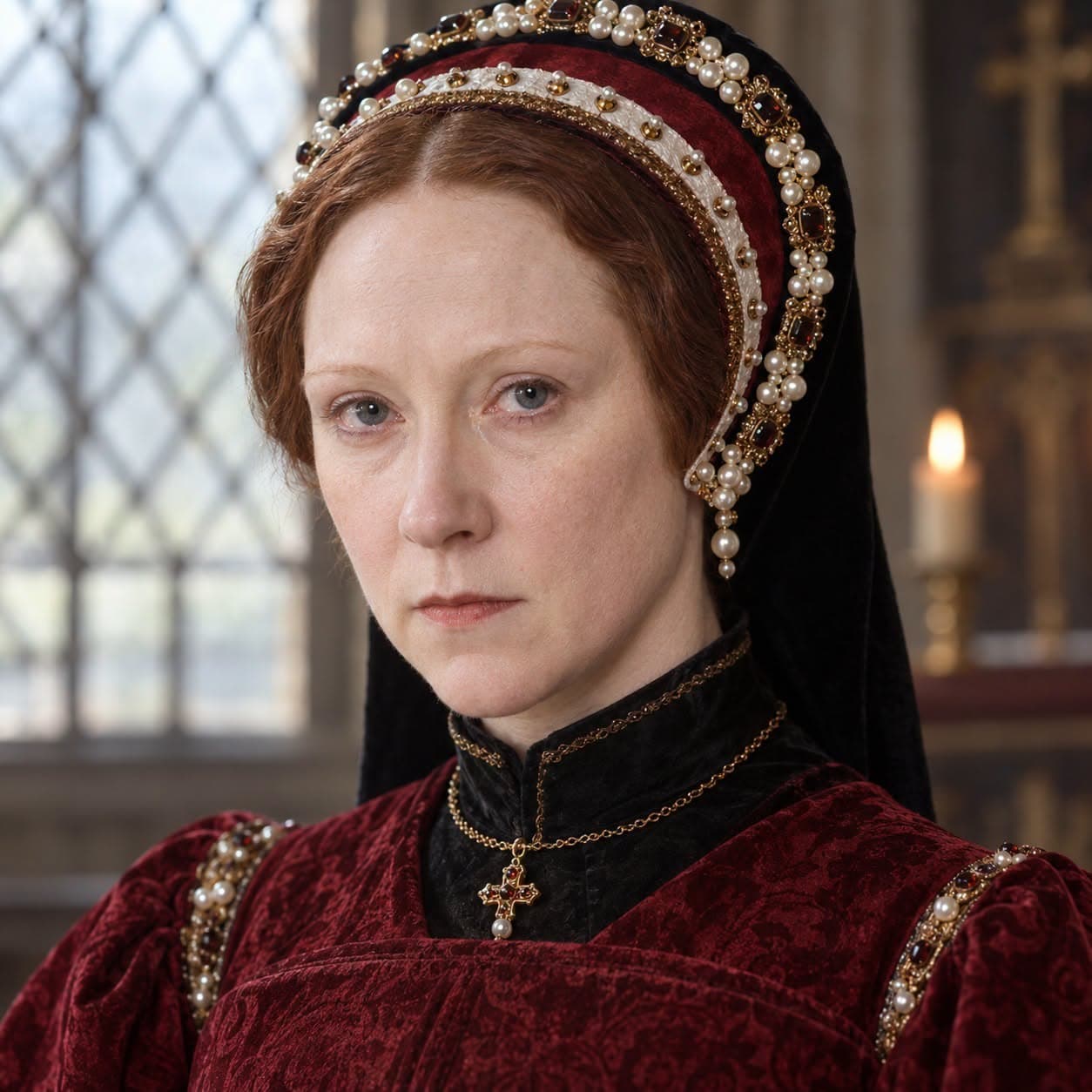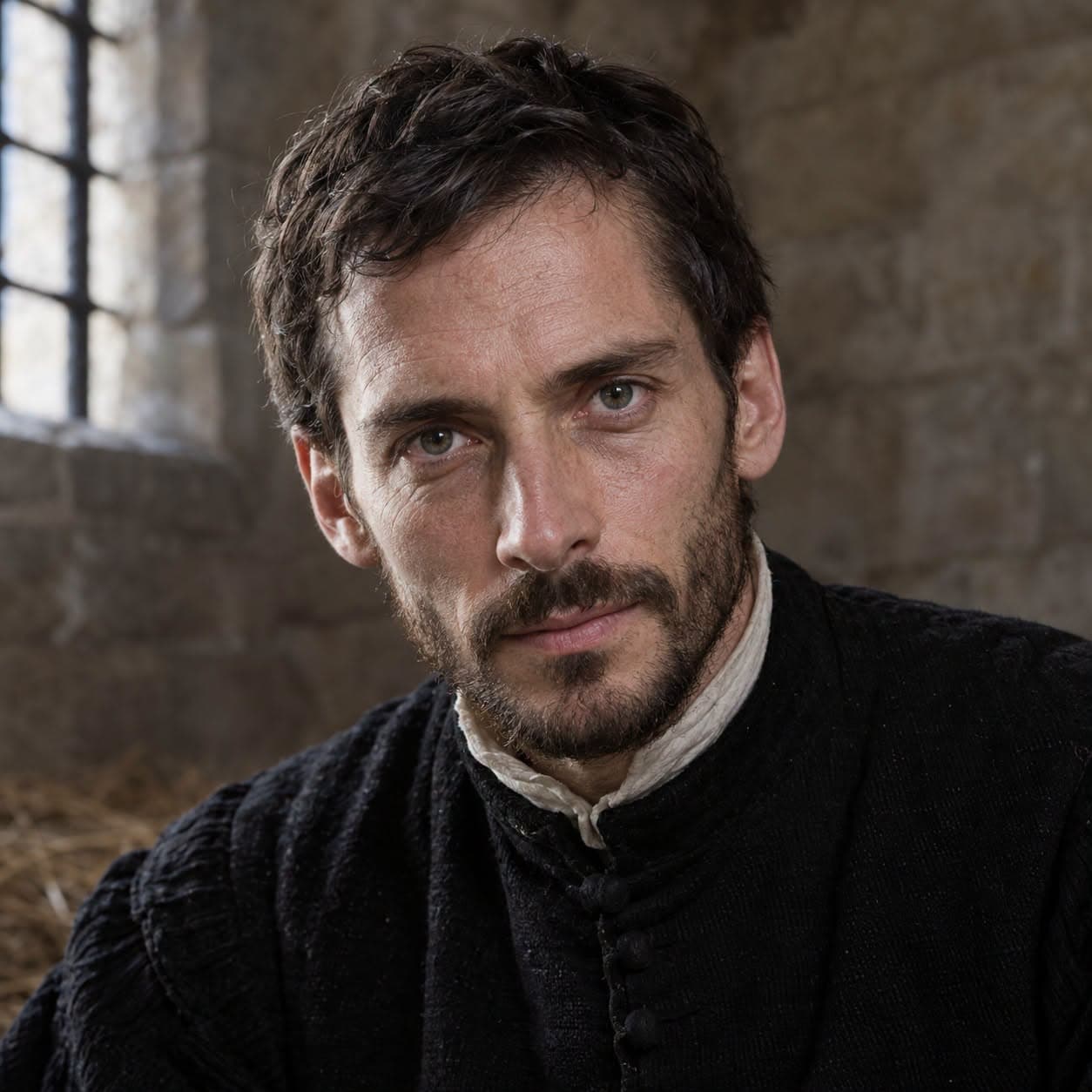
He knelt beside the gallows, traced a cross on one of its wooden posts and kissed it. The men around him wanted an apology to the queen. He would not give them one.
On 30 October 1583, John Slade was brought from Winchester prison to the city's market-place to be executed for high treason. He was a Catholic schoolmaster and an Oxford man, a layman rather than a priest. He had been tried twice and condemned twice. Even now, with the sentence about to be carried out, the officials around him were still trying to make him describe his death in terms they could accept.
Slade said he was dying for his faith. Sir William Kingsmell challenged him at once and told him not to "delude the people with plausible speeches". Slade had been condemned for denying the queen's supremacy over the Church in England, and Kingsmell wanted the proper word for that said aloud. The word was treason.
The sentence had been settled. Its meaning was still being argued over.
Elizabeth's religious settlement had made her supreme governor of the realm in spiritual as well as temporal matters. The pope's authority was excluded. For Catholics who held that spiritual supremacy belonged to Rome, obedience to their sovereign had become a question with dangerous qualifications. In 1570 Pope Pius V had sharpened the conflict by excommunicating Elizabeth, declaring her deprived of her crown and releasing her subjects from their allegiance. A question about who governed the Church could now lead straight to a question about whether the queen had any right to govern at all.
That question had followed Slade into prison.
On 14 June 1582, the Privy Council ordered two Dorset gentlemen to apprehend him. Their description was brief: "a very dangerous Papist" lurking in the county. They were also to search out "all such superstitious ornaments and trumpery" as they could find. The schoolmaster and the things through which he practised his faith were to be gathered in together.
He was held at Winchester with John Bodey, another Oxford man and another Catholic, and for a time the two shared a chamber. On 11 January 1583, officials searching it found four Catholic books, including works on purgatory, the Church and the Mass. Prison had taken his liberty. It had not yet taken his reading.
In April, both men were condemned at Winchester. In August they were tried again at Andover and condemned again. They went back to the wait that follows a death sentence, with no way of knowing how much of it remained.
In September Bodey wrote to friends at Rheims. He was, he told them, "now cunning, I thank God, in wearing of iron shackles". Their keeper had been rebuked for showing them favour, and orders had come to keep the two men apart. The prison could ration their company as easily as their movement.
The letter asked for prayers. Bodey signed it from "our school of patience". The schoolmaster's companion had found a name for the place where they were being made to wait.
By the last Wednesday in October, Slade's waiting was over. In the market-place he told Kingsmell that he would show Elizabeth "as much duty as he that is her most obedient subject". Kingsmell answered that Slade robbed her of her government.
Slade replied that the pope held his supremacy by right from St Peter. He reached for the Maccabees, the brothers who had told a king they were ready to die rather than break the laws of God. When the sheriff urged him to ask Elizabeth's forgiveness, he pointed to Peter and Paul, who would not have been put to death if they had obeyed their princes.
Dr Bennet stepped in. The apostles, he said, had died for religion, forbidden to preach in the name of Jesus. He pressed Slade to abandon his opinion for the sake of his soul.
Slade answered him the way a schoolmaster might answer a boy. Bennet, he said, should "behave after the manner of a truant" and forget his wicked life. Months in prison and two condemnations had not stopped him correcting the man who had come to correct him.
Then Bennet raised the excommunication. If the pope had deprived Elizabeth of her government, Slade said, he had done "no more than he may, and than he ought to do". He went further: the queen's temporal authority was only what the pope chose to allow her. Here his promise of duty reached its limit. The officials heard a challenge to the crown, and people in the crowd shouted for his death.
The sheriff demanded once more that he ask the queen's forgiveness.
"Why should I ask her forgiveness?" Slade answered. "Wherein have I offended her?"
Bennet asked him to commend his soul to God and to ask the people to pray for him. Slade would not take the prayers of those who were not of his faith. He went back to the silent Latin prayers he had begun at the post, and he died without the apology. Three days later John Bodey was executed at Andover. The school of patience had taken two pupils, and it let them go one at a time.