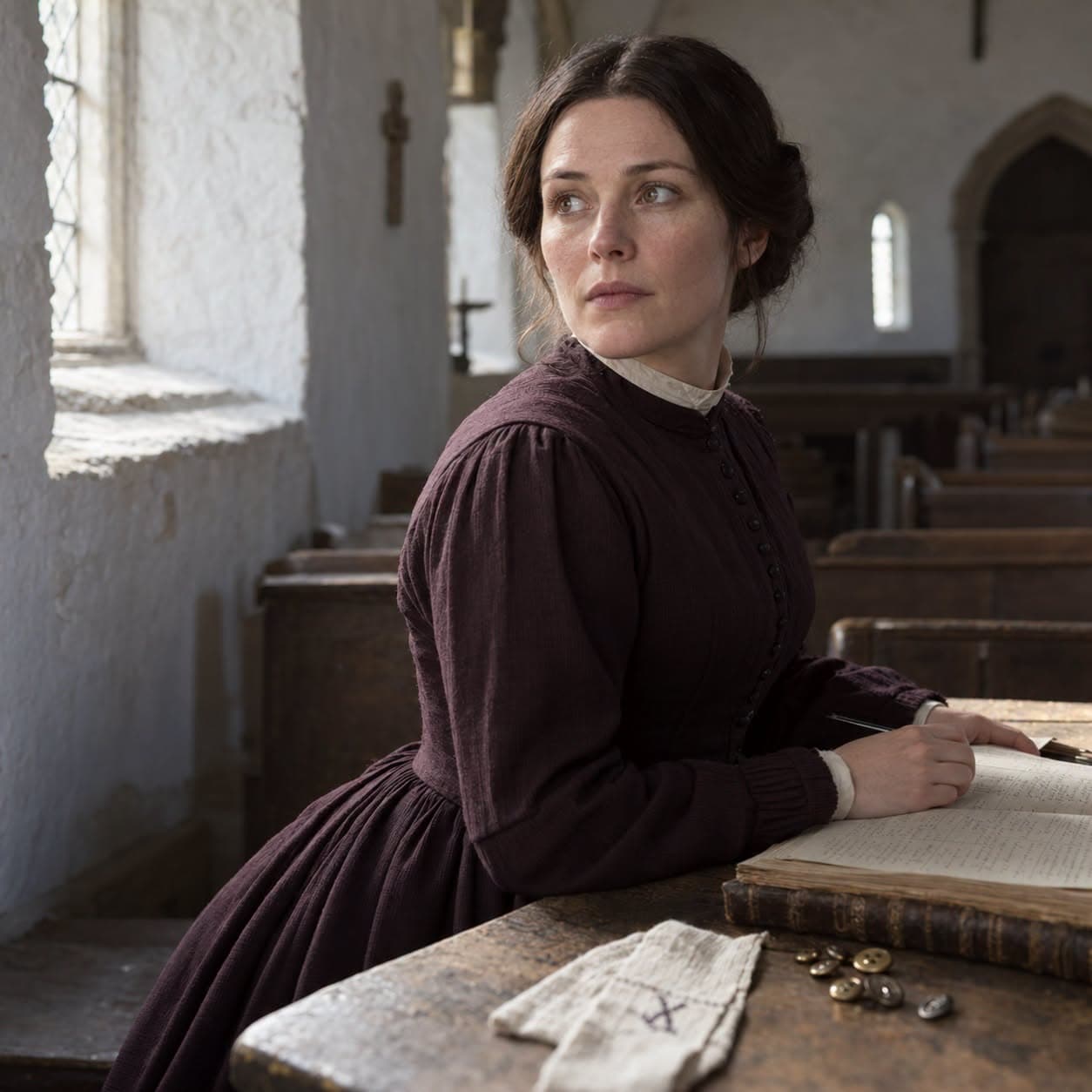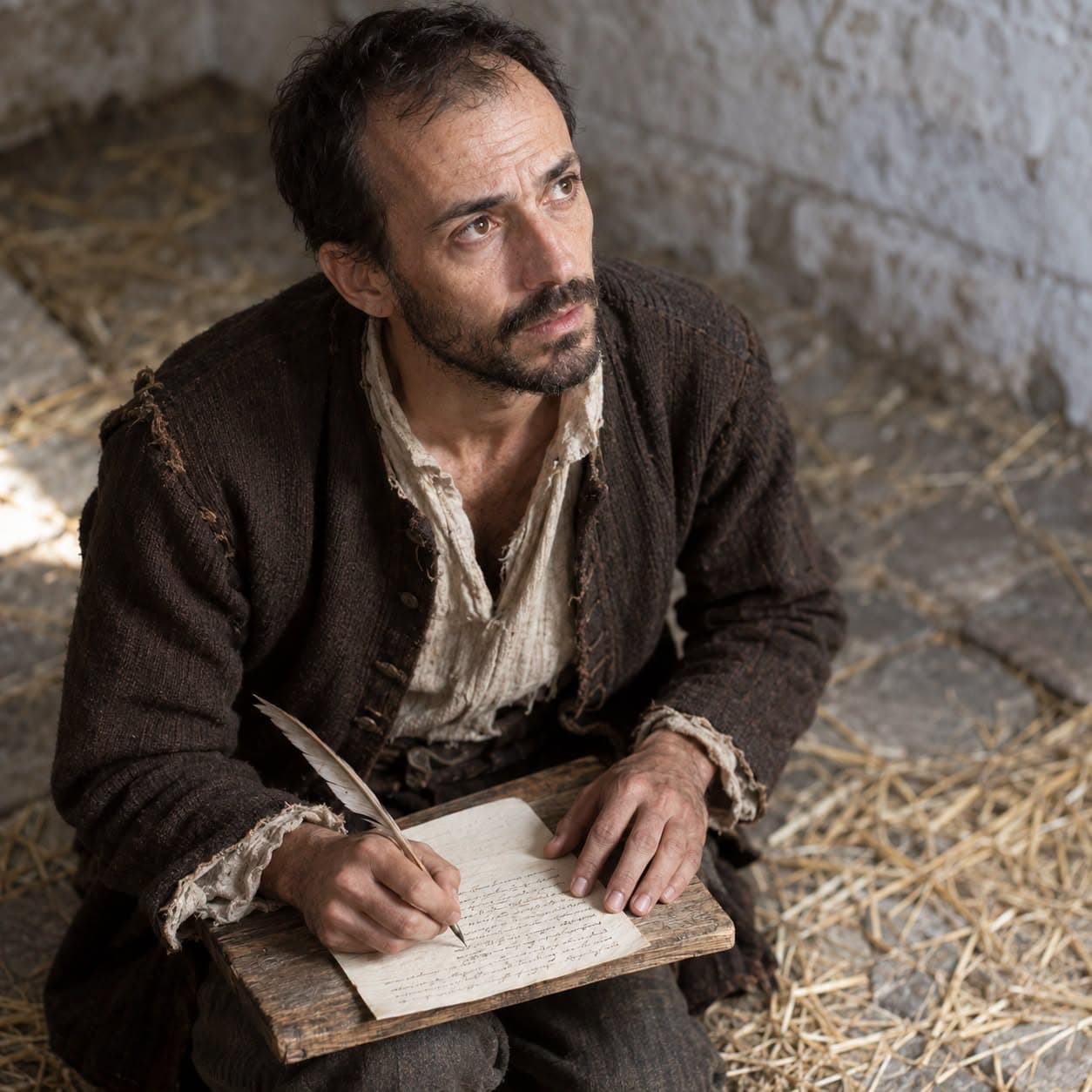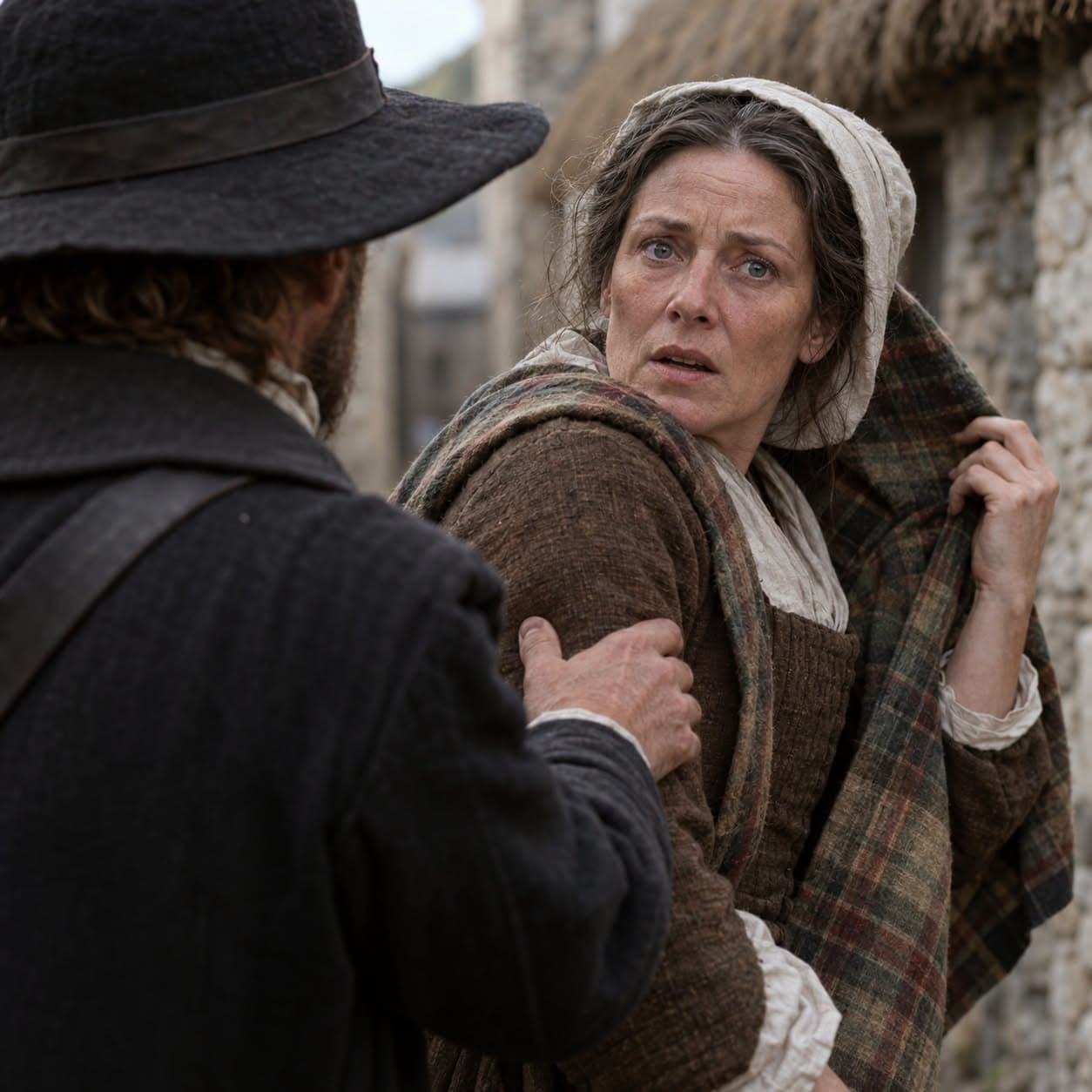
Janet escaped and left the island where she had been accused of witchcraft. For more than a decade she stayed away. Then she returned.
On 24 October 1673, Janet McNicol was executed at Rothesay on the Isle of Bute. She was strangled and her body burned. The town whose prison she had escaped in 1662 had finally sent her to its gallows.
The accusations belonged to one of the great outbreaks of Scottish witch-hunting. In 1661 and 1662, local investigations drew more and more people into danger, as interrogators asked those already accused to identify their supposed companions. A name given during one examination could become the beginning of the next. The process was quite capable of supplying itself with suspects.
Janet was among those named. The four people who named her were executed in 1662. She was imprisoned in the tolbooth at Rothesay, facing a prosecution in which other accused people's statements had helped put her in custody. There was already a path from those accusations to a death sentence, and other people were being taken along it.
Her own confessions were recorded on two successive days, 22 and 23 February 1662. They included an alleged encounter with two men, one described as copper-faced and the other as a handsome young man. She was recorded as recognising an evil spirit and entering into a pact. In the confession, she promised service and was promised that she would want for nothing. There was a new name, too, Mary Lykeas, part of the supposed reversal of Christian baptism that featured in accusations of allegiance to the Devil.
These were stories told within a witchcraft investigation, and a pact with the Devil could help establish the crime the authorities were trying to prove. The Kirk's courts could question suspects and gather testimony, but they could not impose a death sentence. That required a criminal court. A supposed meeting with the Devil could end in a very real appearance before a judge.
Janet got out before that process could reach its end.
She escaped from the tolbooth and fled to the Lowlands. Her destination was Kilmarnock, and she also stayed in places nearby. The later prosecution described her flight as an attempt to avoid the death that had overtaken the others. Even in the account used against her, the reason for leaving was plain enough.
The escape took her beyond Bute, beyond the prison and the immediate proceedings against her. It did not require an acquittal or the agreement of the people who had accused her. She had achieved something more immediate than either. When other accused people were being put to death, she remained alive.
The years between 1662 and 1673 belong in her story as much as the days of examination and trial. She spent them across the water, in Kilmarnock and the places around it, away from the town that had imprisoned her. Her escape had held for more than a decade.
Then, in 1673, she came back to Bute. Why she returned, the record does not say.
She was arrested again. The passage of years had not cleared the accusation, and being back on the island placed her within reach of another prosecution. The woman who had escaped in 1662 was brought to trial in Rothesay on 15 October 1673. This time the proceedings reached their end.
Guilty.
Among the officials involved was Ninian Bannatyne, younger of Kames, whose involvement in the Bute cases stretched back to 1662. Janet had been away for years, but there was a familiar name among those with authority over her fate. Distance had protected her for a time. It had done nothing to dispose of the case.
A woman who had first been questioned during the witch-hunt of 1662 now faced judgement more than a decade later, under a law that still treated witchcraft as a crime. Leaving the island had interrupted the proceedings against her. Returning brought her back into them, with a sentence of death at the end.
In 1662, Janet had escaped from the tolbooth and reached Kilmarnock. In 1673, the court ordered her execution at the gallows in Rothesay. The interval had given her years beyond the prison's reach, but the final interval was much shorter. Between her trial on 15 October and her execution on 24 October there were nine days.