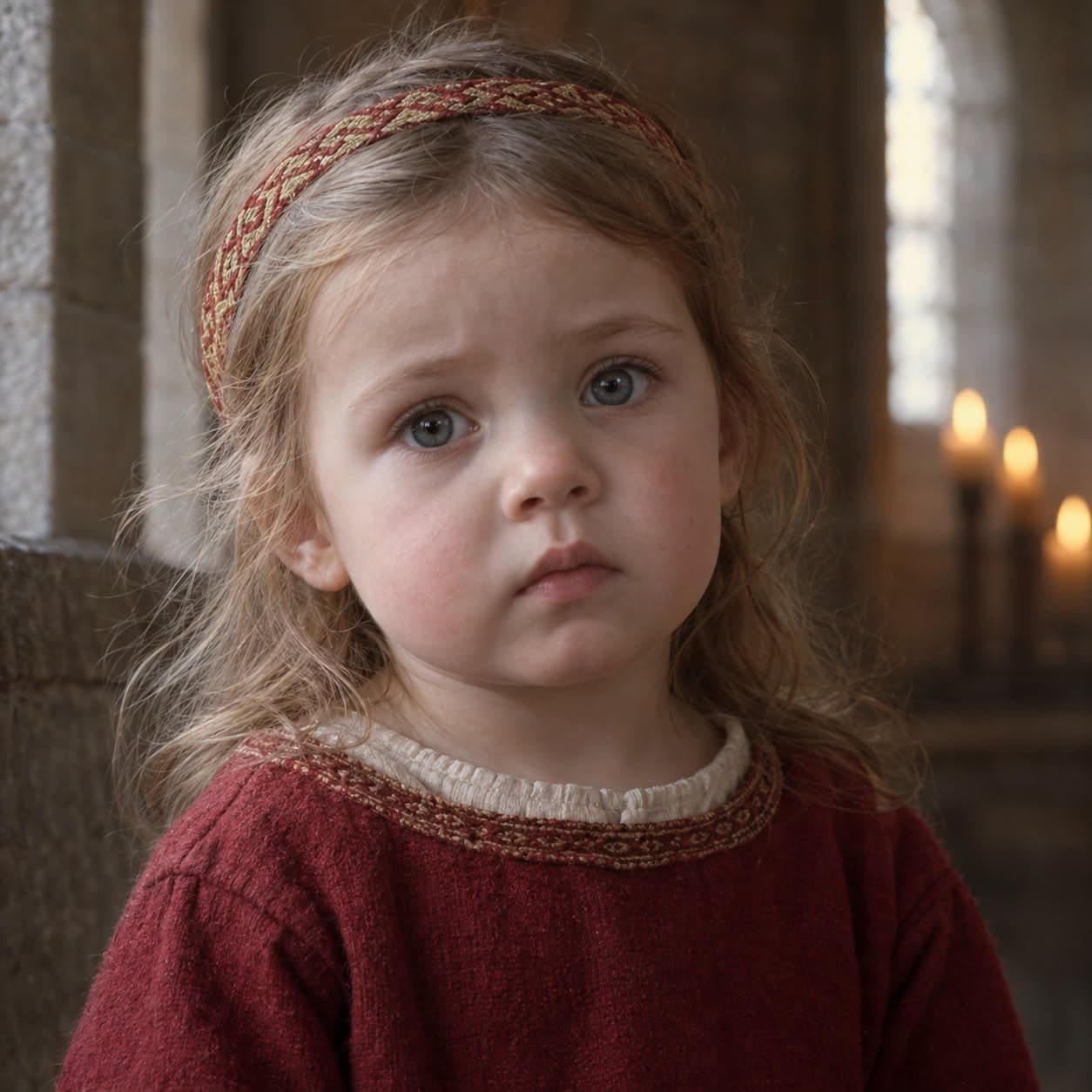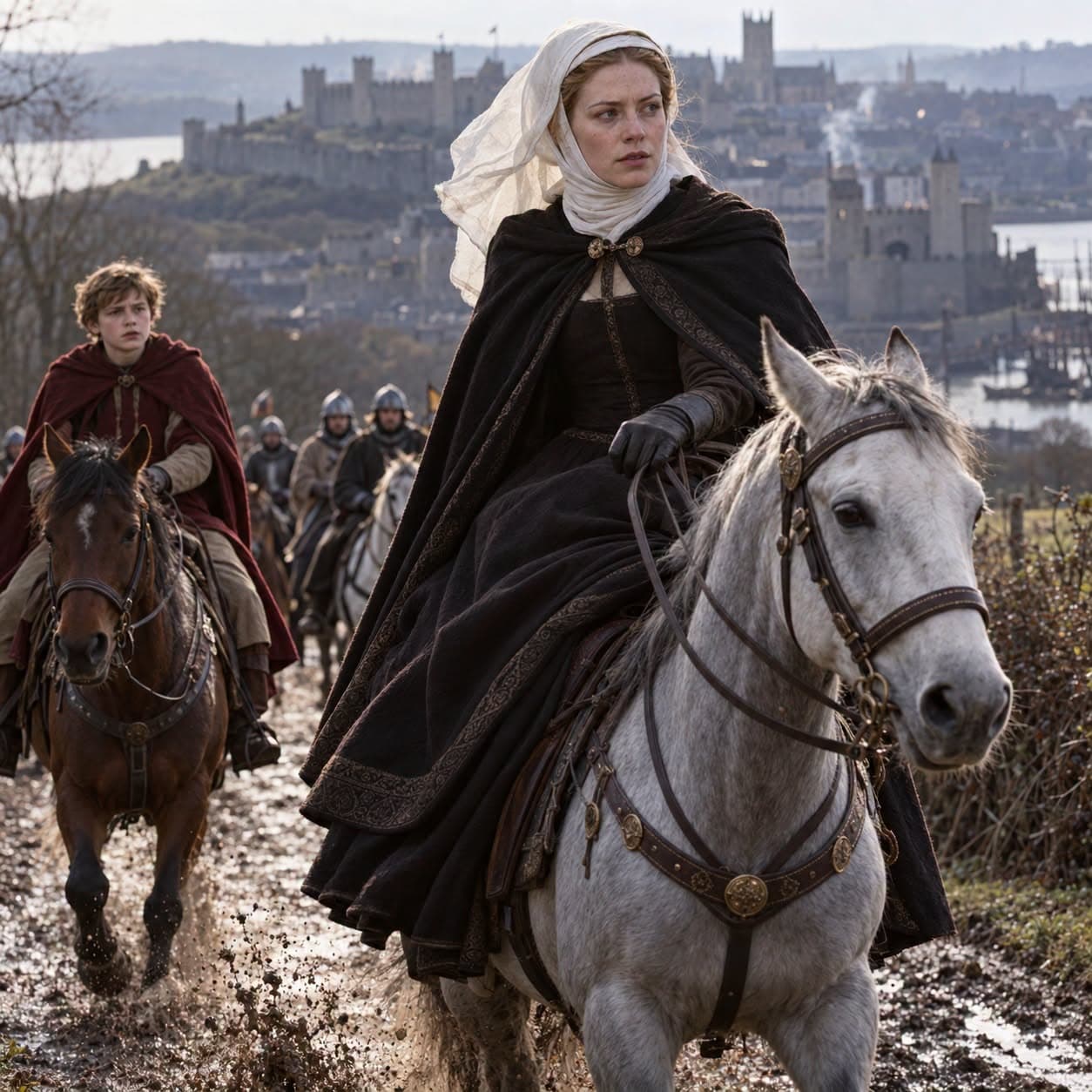
She reached Bristol with her thirteen-year-old son and an army. The town fell to her forces. The boy was chosen to govern England. His father was still king.
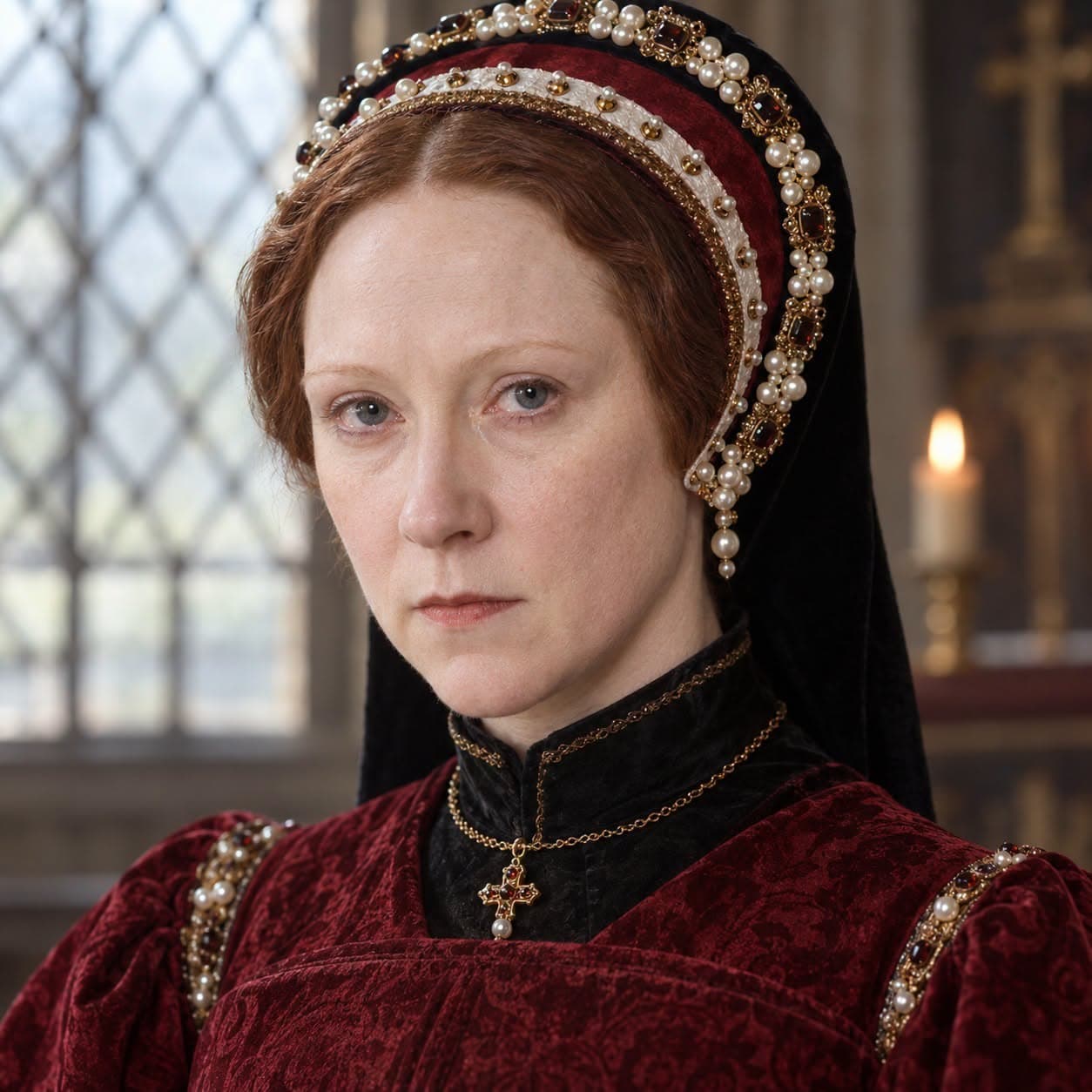
On 26 October 1326, Isabella of France was at Bristol as the lords and bishops gathered there made her eldest son keeper of the realm. Her husband's stronghold had surrendered, and Hugh Despenser the Elder, who had held it for him, was a prisoner. Edward II remained at large. His wife and son were preparing to exercise his authority without him.
Two years earlier, Edward had taken Isabella's English lands into his own hands. England and France were at war, and the English queen was the sister of the French king, Charles IV. That relationship made her useful when peace needed arranging and suspect when it did not. She was provided with an allowance, but income paid by her husband's government was a different thing from estates under her own control. A queen's lands supported a household, servants and the business of being someone to whom people brought requests. Taking them away reached beyond her purse.
Yet Edward still had work for her.
In 1325 he sent her to France to negotiate with her brother. The woman whose French connections had helped justify the seizure of her property was now expected to use them on England's behalf. She went as his representative, working between two kings to resolve their dispute over his French territories. Later that year Edward sent their eldest son across the Channel to do homage to Charles for the lands he had transferred to the boy. Mother and son were together in France with the king's consent.
Getting them home proved another matter.
Isabella refused to return while Hugh Despenser the Younger remained beside her husband. This was the son of the man who would eventually defend Bristol, and the distinction mattered. The elder Hugh possessed lands and influence; the younger held the king's favour and a place at the centre of his government. Isabella's complaint was that he had come between husband and wife. She declared that she would put aside her marriage garments and wear the clothes of widowhood until the intruder was removed.
Her husband was alive. Her public claim was that another man had made married life with him impossible. It gave her refusal a shape people could recognise: a wife asking to have her husband restored to her, with the king's favourite as the obstacle. She could insist on the rights of her marriage while refusing the obedience expected within it. Edward continued to support Despenser. Isabella continued to stay away.
In France she allied herself with Roger Mortimer, an English lord already in rebellion against Edward. Their association brought accusations of sexual misconduct as well as treason, and made her position as an injured wife considerably harder to maintain. But Mortimer also brought connections among the king's enemies. Isabella's cause was becoming a coalition, and her son gave it something a gathering of discontented lords could not supply for themselves. He was the king's heir.
She also negotiated his marriage to Philippa, daughter of the count of Hainault. The alliance brought money, ships and troops for an invasion. The boy's future marriage helped finance the force that would pursue his father. Isabella had gone abroad to settle one dispute between royal relatives. She returned with the means to fight another.
She landed in England on 24 September 1326, accompanied by her son and Mortimer. Supporters joined her, among them men from Edward's own family. Bishops lent their authority to the campaign. The king withdrew westwards as the queen advanced, but her proclamations continued to speak of him as her dear lord. Removing his evil counsellors offered his subjects a way to join her without first declaring that they meant to overthrow their king.
On 18 October the pursuit brought her to Bristol. The elder Despenser held the town for the king; Edward and the younger Hugh had gone on into Wales. By 26 October Bristol had surrendered, and Isabella's party held a royal stronghold and one of the men against whom the campaign had been directed. They also had the heir, but possessing the king's son did not by itself authorise anyone to govern England.
At the gathering on 26 October, that difficulty received a carefully worded answer. Isabella and her son were present with prelates, barons and knights, including Edward II's brothers, the earls of Norfolk and Kent. The assembled company chose the prince as keeper of the realm. The justification was that his father had gone away from his kingdom, taking Hugh Despenser the Younger and his chancellor Robert Baldock with him, and left it without government. The man she had named as the intruder in her marriage now stood in the record of how her husband lost his government. The boy would rule in his father's name and right.
There was a practical difficulty too. Edward II still had the Great Seal, under which royal business was authenticated. His son began governing with his own privy seal instead, held by his clerk Robert Wyvill. The government taking shape around Isabella could not yet use the king's seal. It could use the king's name.
On 27 October, Hugh Despenser the Elder was tried and executed at Bristol. Edward II's capture and deposition still lay ahead, and none of it had been settled in the room where his son was chosen.
At Bristol, the boy Isabella had brought home from France was thirteen. His mother was present, and his father's own brothers had joined in choosing him to govern. He sealed his first orders with his own seal because his father still had the great one. The authority he exercised was still his father's.