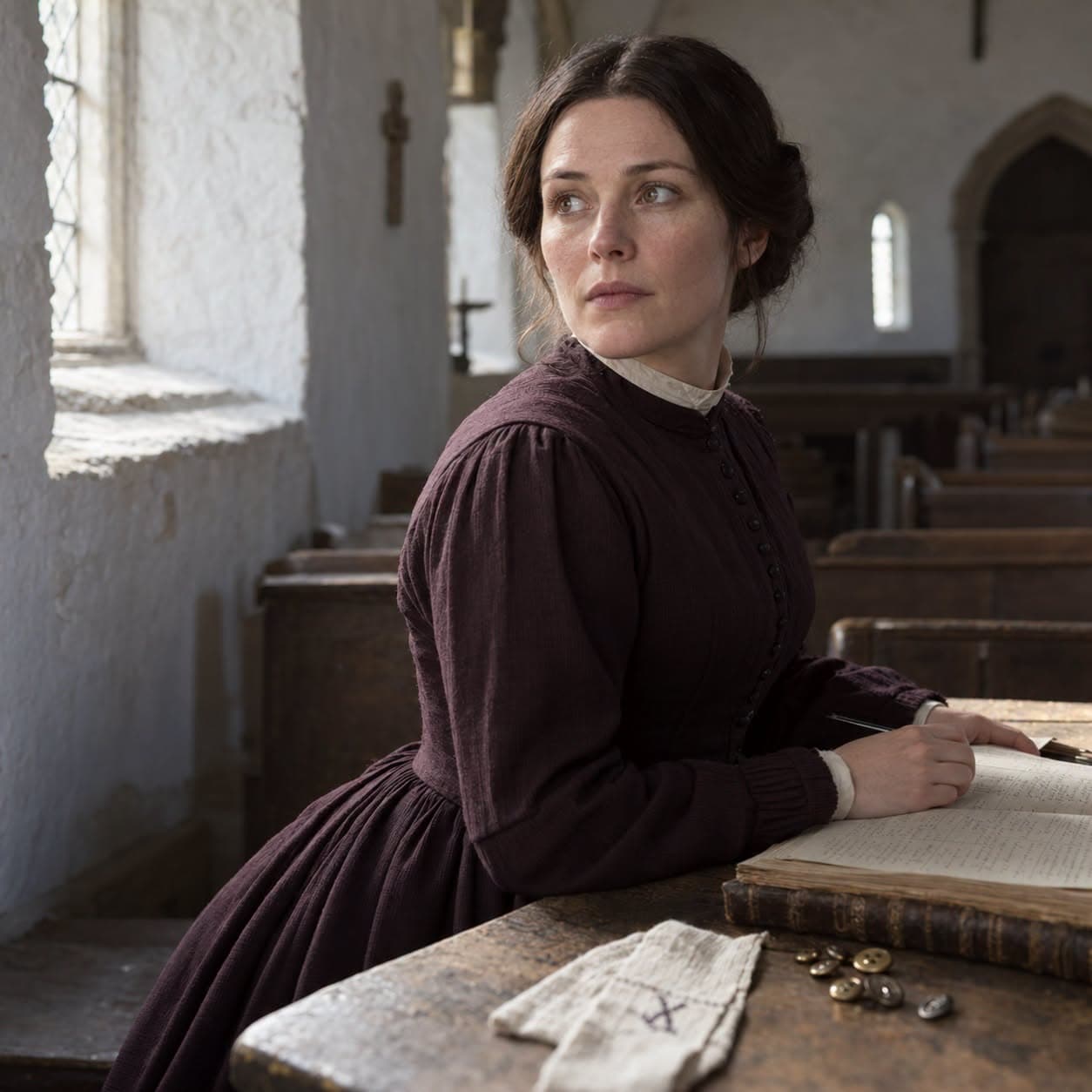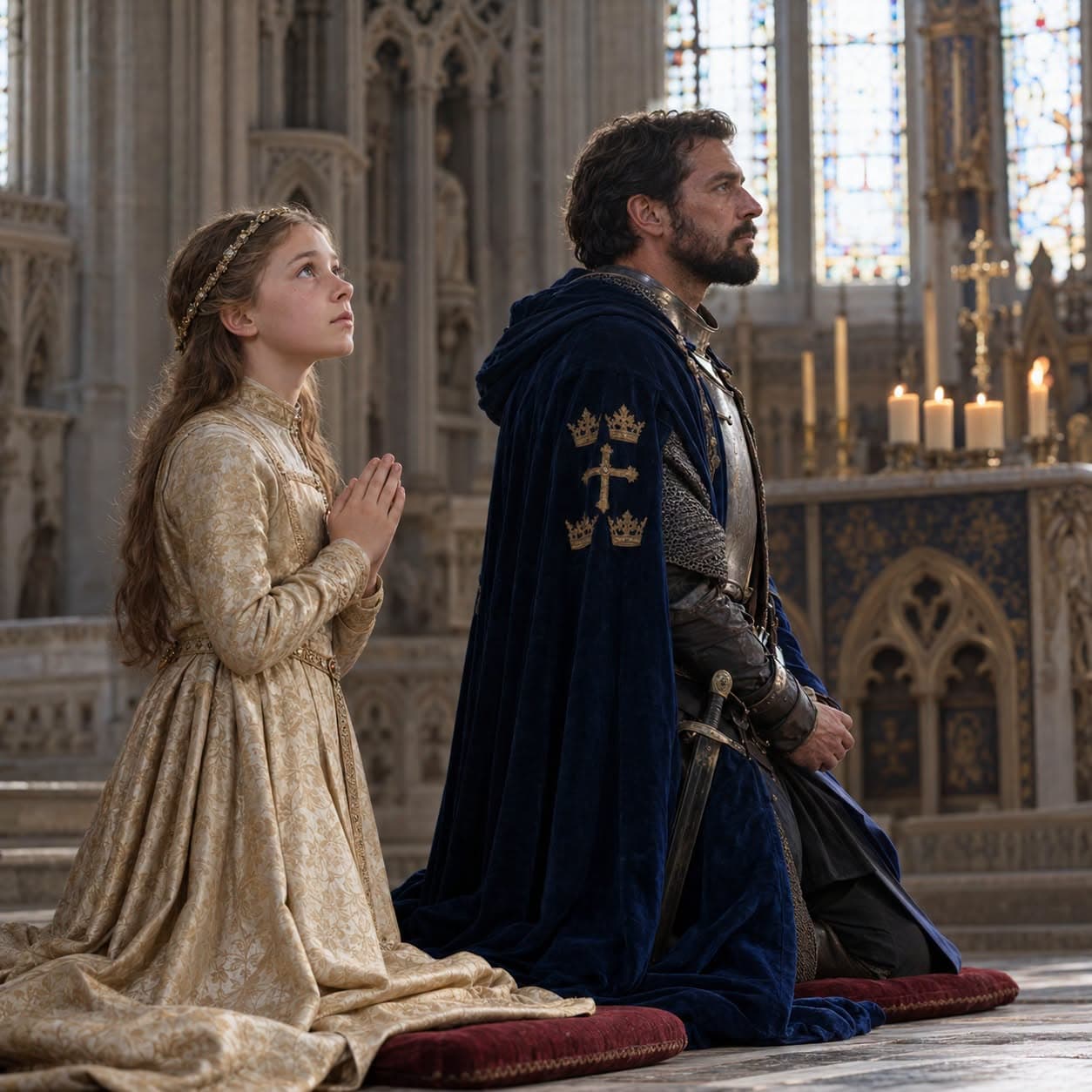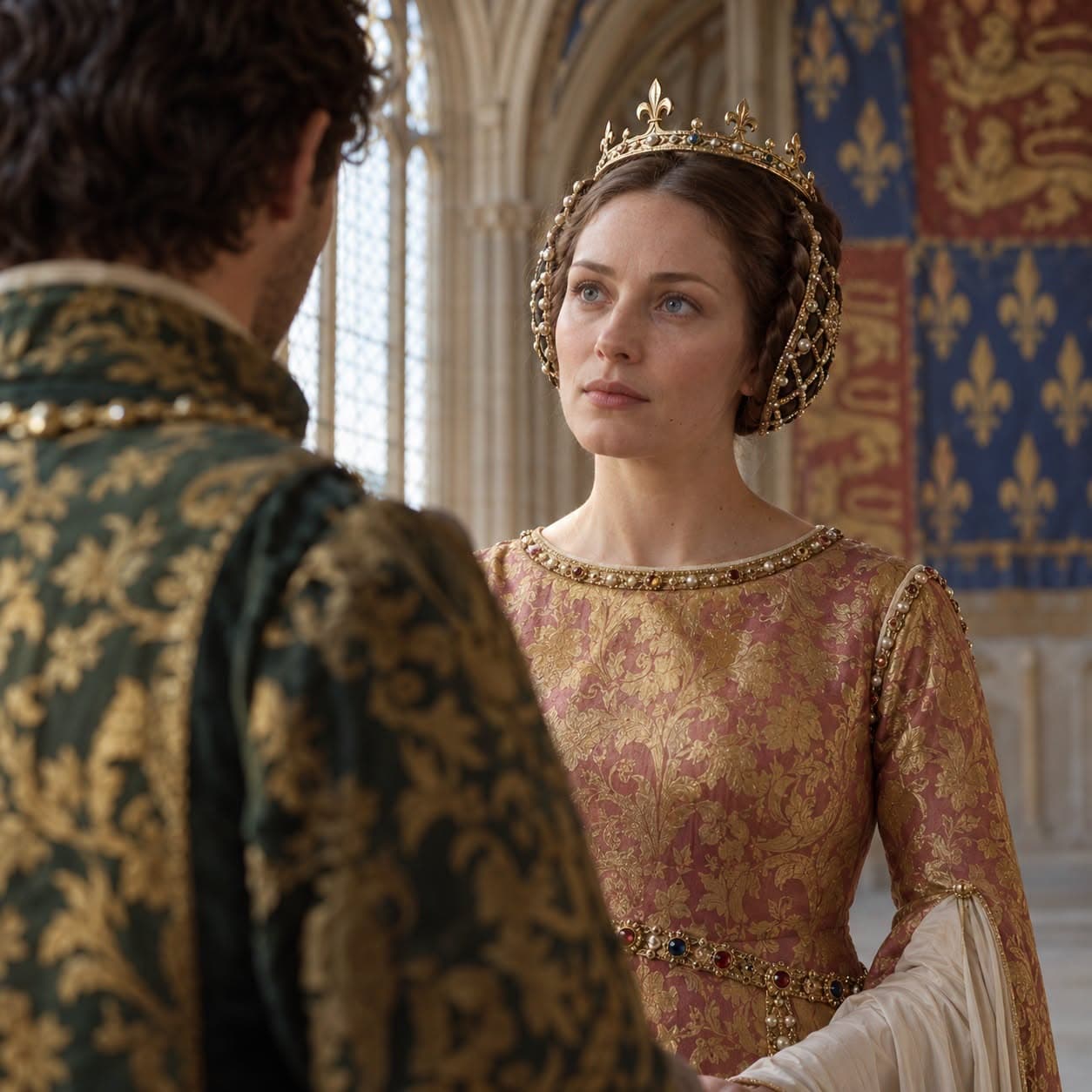
Isabella married her father's hostage. It wasn't until their wedding day that her father released him.
On 24 October 1360, Edward III of England and John II of France ratified the settlement of Brétigny at Calais. Edward's eldest daughter, Isabella, had spent much of her life with a possible marriage under negotiation. Now a treaty about a captive king, a ransom and the possession of French territory brought Enguerrand de Coucy into the English royal world. Their marriage was still nearly five years away.
John had been captured at Poitiers in 1356 by the army of Isabella's brother, the Black Prince. His ransom was fixed at three million gold crowns. A promise to pay was one thing; getting the money was another. The agreement required hostages, including members of the French royal family and leading nobles, to guarantee that it would be carried out. Coucy was among them. The king could go home while other men remained answerable for what had been promised in his name.
Isabella knew something about agreements made between families. Born to Edward and Philippa of Hainault at Woodstock in June 1332, she grew up amid the expensive comforts of the royal household. As a baby she lay in a gilded cradle. A robe of Lucca silk was made for her when her mother first received the court after the birth. She had a chaplain and musicians of her own. From infancy she had the surroundings of a princess, and from childhood she had the marriage negotiations that went with them. Her father's diplomacy had found uses for her long before there was any prospect of a wedding.
One proposed marriage reached the point of ships being ordered. In 1351, when she was nineteen, Isabella was to marry Bernard d'Albret, the son of a Gascon lord. Edward approved the match and promised money for it. On 15 November, five ships were ordered to take her to Gascony. The arrangements had gone beyond an exchange of hopeful messages. There was a bride to be carried across the sea, and the ships to carry her had been ordered.
The marriage never happened.
Nine years later she was still in England, still unmarried, and far from destitute. In 1358 Edward settled on her an income of a thousand marks a year. The following year he lent her another thousand marks to recover jewels she had pawned. A royal daughter's jewels could find their way to a creditor, but this royal daughter could also turn to the king. The king's money kept coming. A husband did not.
That was the court Coucy entered as a hostage. He was a French lord with estates and standing of his own, and Edward took a liking to him. Captivity and royal favour could exist quite comfortably together. His place at court did not cancel the obligation that kept him in England, but it put him among the people whose government held him there. Among them was a princess who would enter her thirties without having made any of the marriages once proposed for her.
On 27 July 1365, Isabella married Coucy at Windsor. She had turned thirty-three six weeks earlier. After so many negotiations there was at last a husband, and he was one of the men her father had been holding as security for the French king. At the marriage Edward released Coucy from his pledges as a hostage. A man the king had been holding was now a member of his family.
In November, Isabella went with him to Coucy, in northern France. Their first daughter, Mary, was born there the following April, and the family soon travelled back to England. In May 1366 Edward made Coucy Earl of Bedford, and Isabella became a countess. A second daughter, Philippa, was born at Eltham in 1367. One child had been born in France and one in England. For Isabella, marriage meant a French household as well as an English one. For Coucy, it meant an English royal father-in-law as well as a French king.
The peace did not last.
War between England and France resumed in 1369. That August, Isabella's mother died at Windsor. Coucy's tie to Edward had not removed his obligations in France, and his marriage could not keep the two crowns at peace. He avoided fighting either king and took his sword elsewhere, but the distance told. The couple spent long periods apart, Isabella in England, her husband drawn away by service and interests abroad. The arrangement that had brought him into her father's court belonged to a peace that no longer existed.
Edward III died in June 1377. Two months later Coucy gave up his allegiance to the English crown. For Isabella the consequences went beyond the separation of husband and wife: property was taken into royal hands. She petitioned the new king, Richard II, her ten-year-old nephew, asking that the lands and possessions affected be placed with friends who would hold them for her benefit, and she named them.
At twenty-eight she had lived in a court that held French lords as security for a king's word, their names written into a treaty until his promise was kept. At forty-five, with her father dead and her husband's homage handed back, she put forward names of her own. Her father's peace had needed guarantees in the form of other men's freedom. Hers needed only friends she could trust to keep her lands working for her, in a kingdom where she was still the king's daughter even though there was no longer a king who was her father.