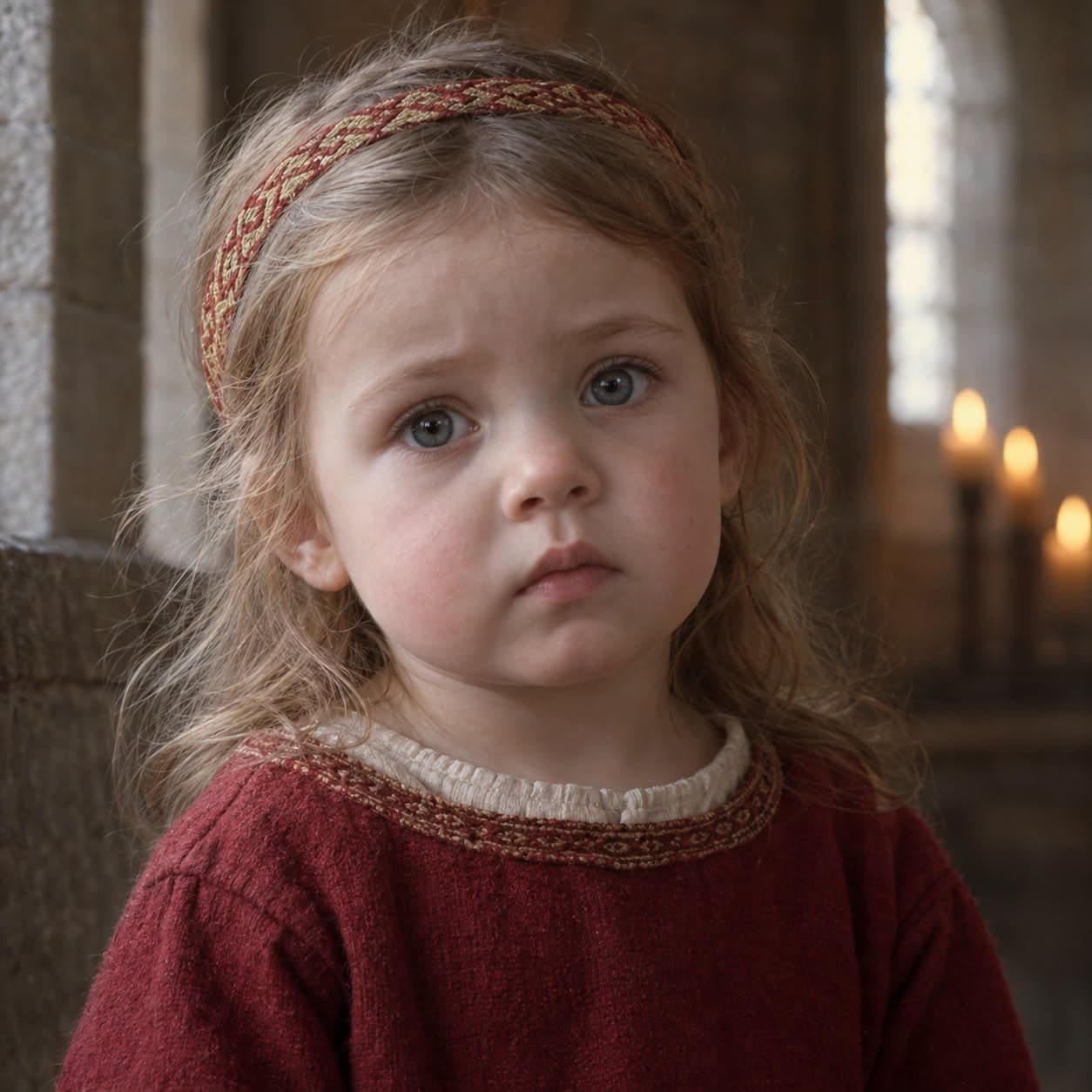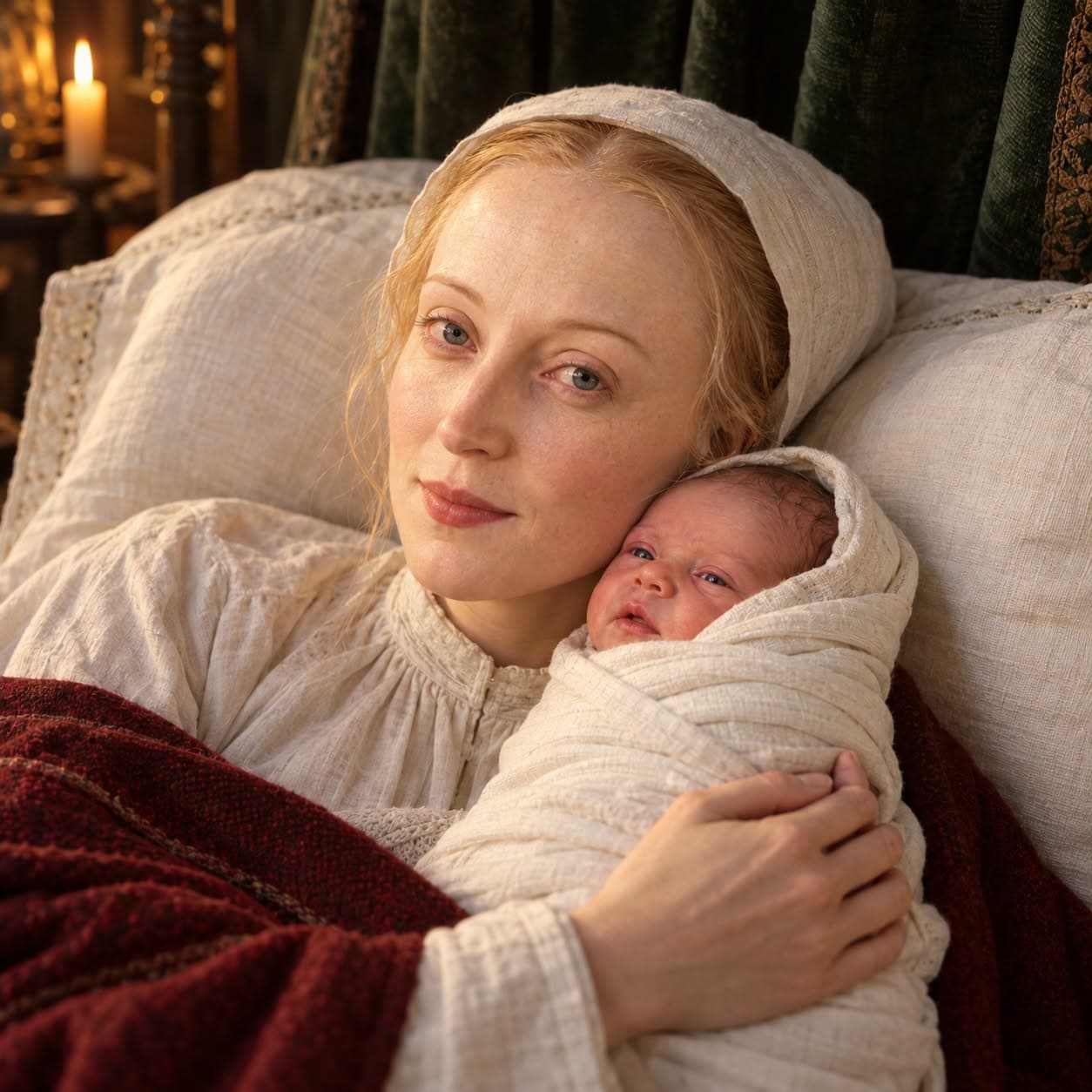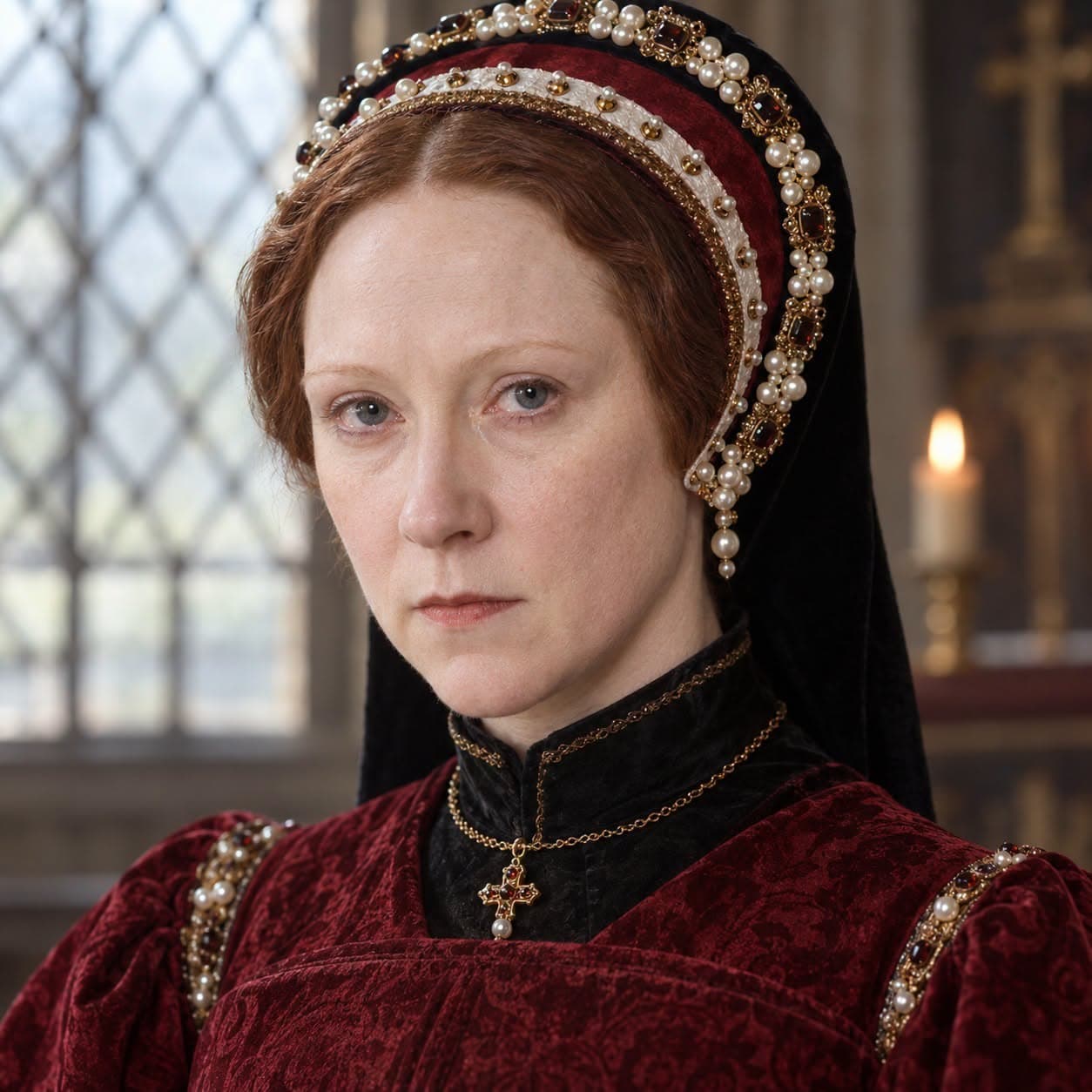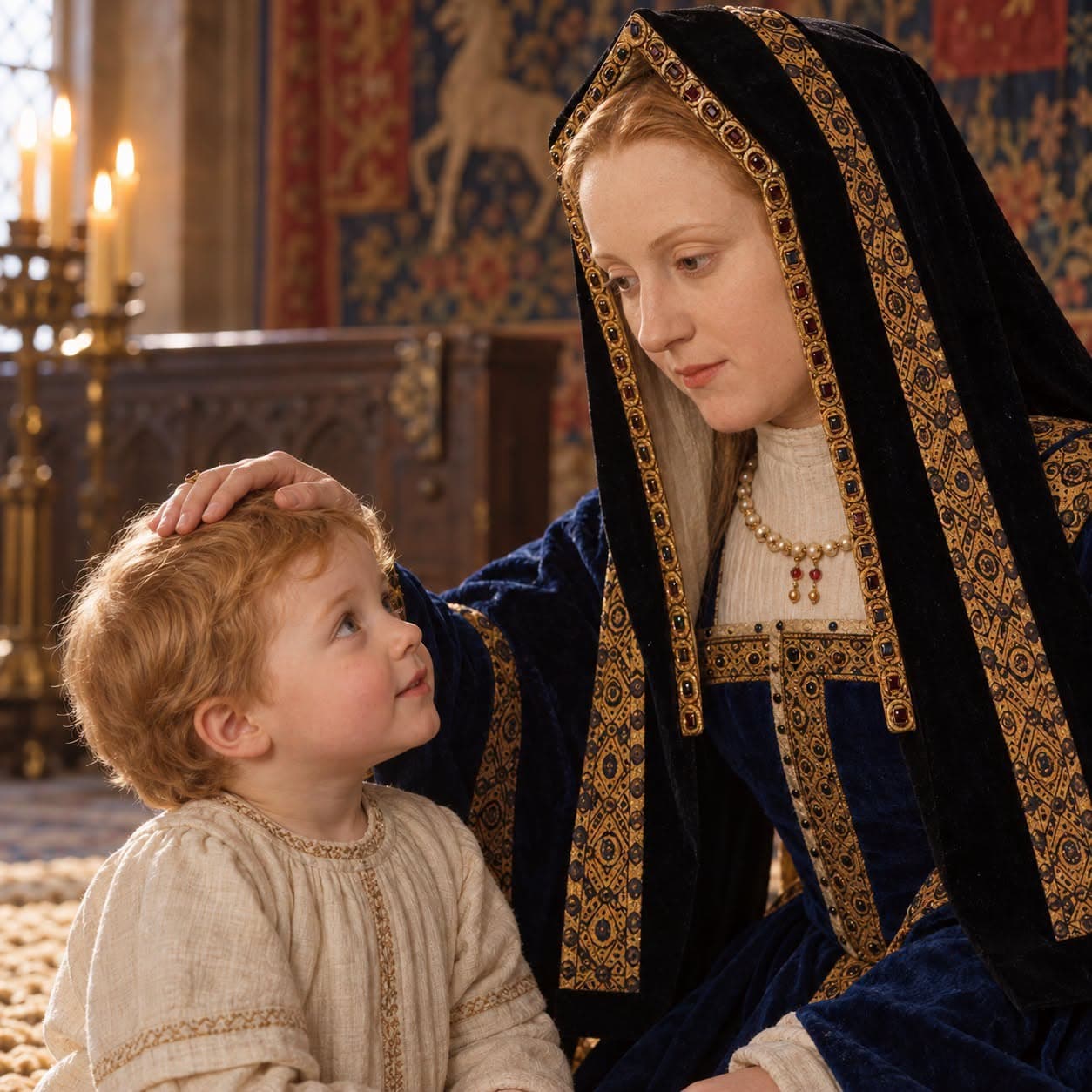
Three-year-old Henry Tudor was about to receive the title of his mother's missing brother. Across the Channel, another man was claiming it. Henry VII put his own small son before the court.
On 31 October 1494, at Westminster, the future Henry VIII was made a Knight of the Bath, part of the ceremonies surrounding his creation as Duke of York. His elder brother Arthur remained the heir to the throne. Henry was the second son, being given a place of his own in a family whose right to rule was still being challenged.
His mother, Elizabeth of York, was twenty-eight. She was the daughter of Edward IV, the wife of Henry VII, and the sister of two boys who had disappeared in the Tower of London. The younger of those boys had been Richard, Duke of York.
Richard and his elder brother Edward had been taken into the Tower in 1483, after their father's death. Edward was supposed to be crowned. Instead, their uncle took the crown as Richard III, and the two children vanished from public view. Elizabeth had gone into sanctuary at Westminster with her mother and her other siblings. Eleven years later, she was at Westminster as queen, and her little son was to bear her brother's title.
Her marriage to Henry VII had joined the surviving families of Lancaster and York after his victory over Richard III at Bosworth. Their children carried the blood of both houses. That was a considerable inheritance. It was also the reason a young man abroad could threaten their household simply by insisting that he belonged to it.
Perkin Warbeck claimed to be Richard, the missing Duke of York. If his claim were accepted, Elizabeth's younger brother had survived, and her husband's possession of the throne could be challenged by a son of Edward IV. The question reached well beyond a family reunion. It concerned who had the right to be king.
Warbeck had powerful support. Margaret of York, the widowed Duchess of Burgundy, acknowledged him as her nephew and provided him with the means to maintain his claim. She was Edward IV's sister, Elizabeth's aunt. Within the same extended family, one woman was queen of England and another was supporting the man who threatened her husband's crown. Foreign rulers could use the claimant against Henry VII without ever setting foot in England.
At Westminster, the king had a different Duke of York to present.
The boy was brought through the City of London a few days before the ceremonies, escorted by the Lord Mayor, the aldermen and the crafts of London in their liveries. The king, the queen and the king's mother had come up from Sheen to Westminster that same day. Three days later, before the dubbing, he had a part to perform at his father's dinner. The king's hands were washed ceremonially at table, and Henry's task was to offer the towel.
The men around him attended to the weightier business of the service. The child had the towel. For the moment, the future king was standing before his father so that his father could dry his hands. The grandeur of the occasion had room for an ordinary towel, and a boy small enough to be carried.
In the bath, Henry VII put water on his son's shoulder, made a cross on it and kissed it. The queen's brother had been the second son of a king. So was this child. One had disappeared into the Tower; the other was being prepared for his place at court.
The bath was the first stage of knighthood, and the three-year-old took it alongside about twenty other candidates, most of them grown men. Afterwards the candidates went to the chapel before going to bed. Prayer and washing belonged to the passage into knighthood, even when the candidate was three years and four months old.
On 31 October, his father dubbed him. The following day came the ducal investiture, in the presence of the whole court. The Earl of Shrewsbury carried Henry in his arms into the Parliament Chamber. Rank could be conferred on the child, but it did not make him any larger.
Elizabeth did not attend the formal ennobling. Afterwards, she and the king, both crowned, joined their son in the procession to the king's chapel for Mass. A little over a week later, three days of jousts were held at the palace, and on the first of them the challengers' horses were trapped in the king's colours of white and green. The title that had belonged to Edward IV's younger son now belonged to Edward IV's grandson. The new duke's mother connected the two. Beyond Westminster, Warbeck continued to claim the identity of the first boy; within it, the Tudor court had recognised the second.
The ceremonies had given the younger child a ducal title, not his brother's place. He stayed behind Arthur in the succession for more than seven years, until Arthur died on 2 April 1502. Then the boy who had been carried into the Parliament Chamber in his missing uncle's title became heir to his father's crown. He was ten.