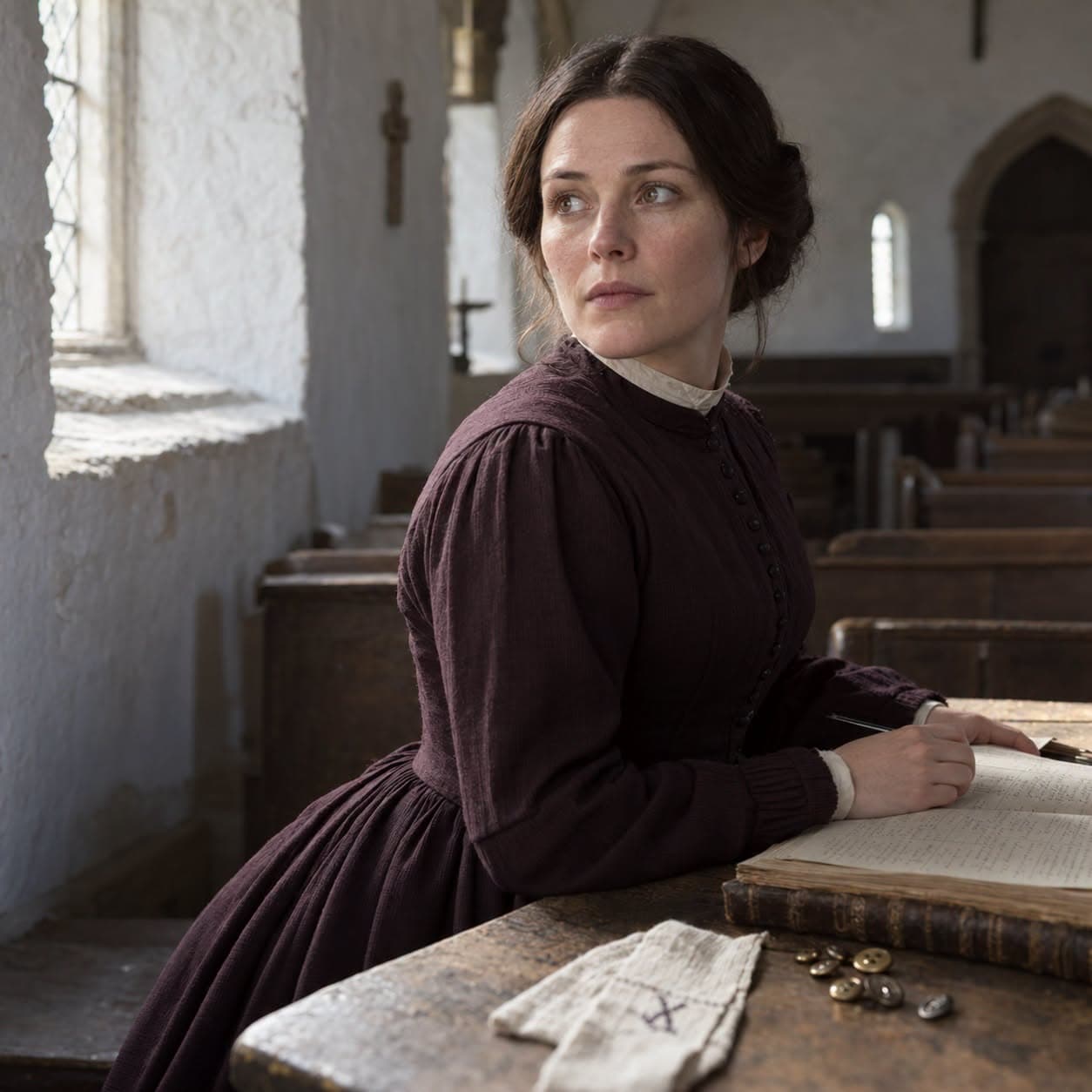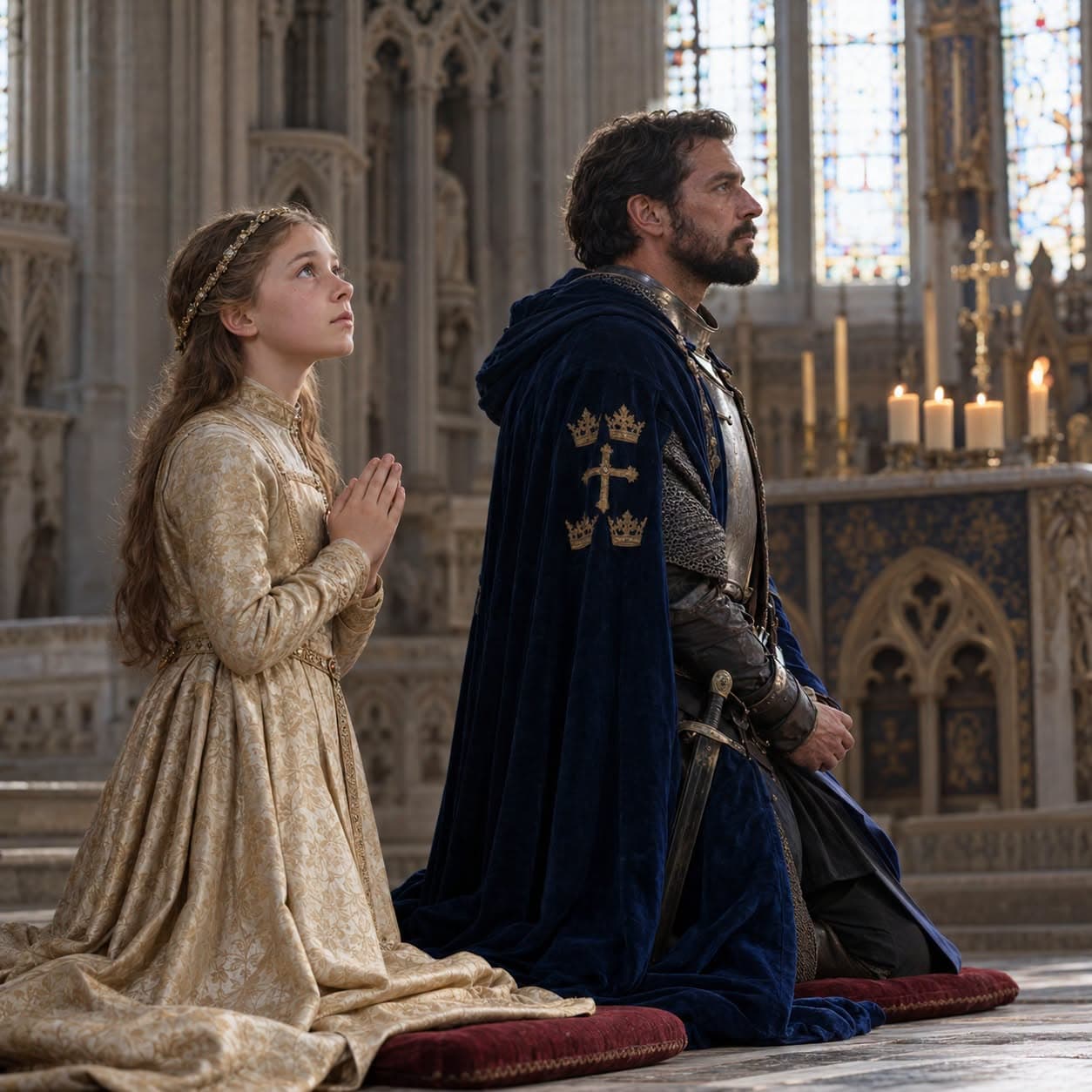
She was twenty-three when her husband died and her four-year-old son became King of Sweden. His father's will put her at the head of the government that would rule in his name. It would be twelve years before the child could take over.
Hedwig Eleonora was born on 23 October 1636 at Gottorf Castle, into a ducal family whose court gave considerable attention to art and learning. Her father, Frederick III of Holstein-Gottorp, was interested in science. Her mother, Maria Elisabeth of Saxony, brought literary interests and the cultural traditions of her own family. Books, paintings and court ceremony belonged to the business of being a ruling house. A small state had particular reasons to make itself look important.
Holstein-Gottorp also had geography to recommend it. Its position beside Denmark made it a useful ally for Sweden, which had ambitions in the Baltic. A marriage could give that relationship a family of its own. Before Hedwig Eleonora left for Sweden, she received instruction in Swedish history and foreign affairs. There was a kingdom to learn before there was a husband to marry.
A portrait painted by Juriaen Ovens a few months before the wedding shows the young princess being crowned by Minerva. Flowers, coins and jewels fall from above, while small winged figures hold up the arms of Holstein-Gottorp. Her birth, her virtue and her promise of children are all there, arranged around her for inspection. The marriage had political purposes, and even its painted compliments kept those purposes in view.
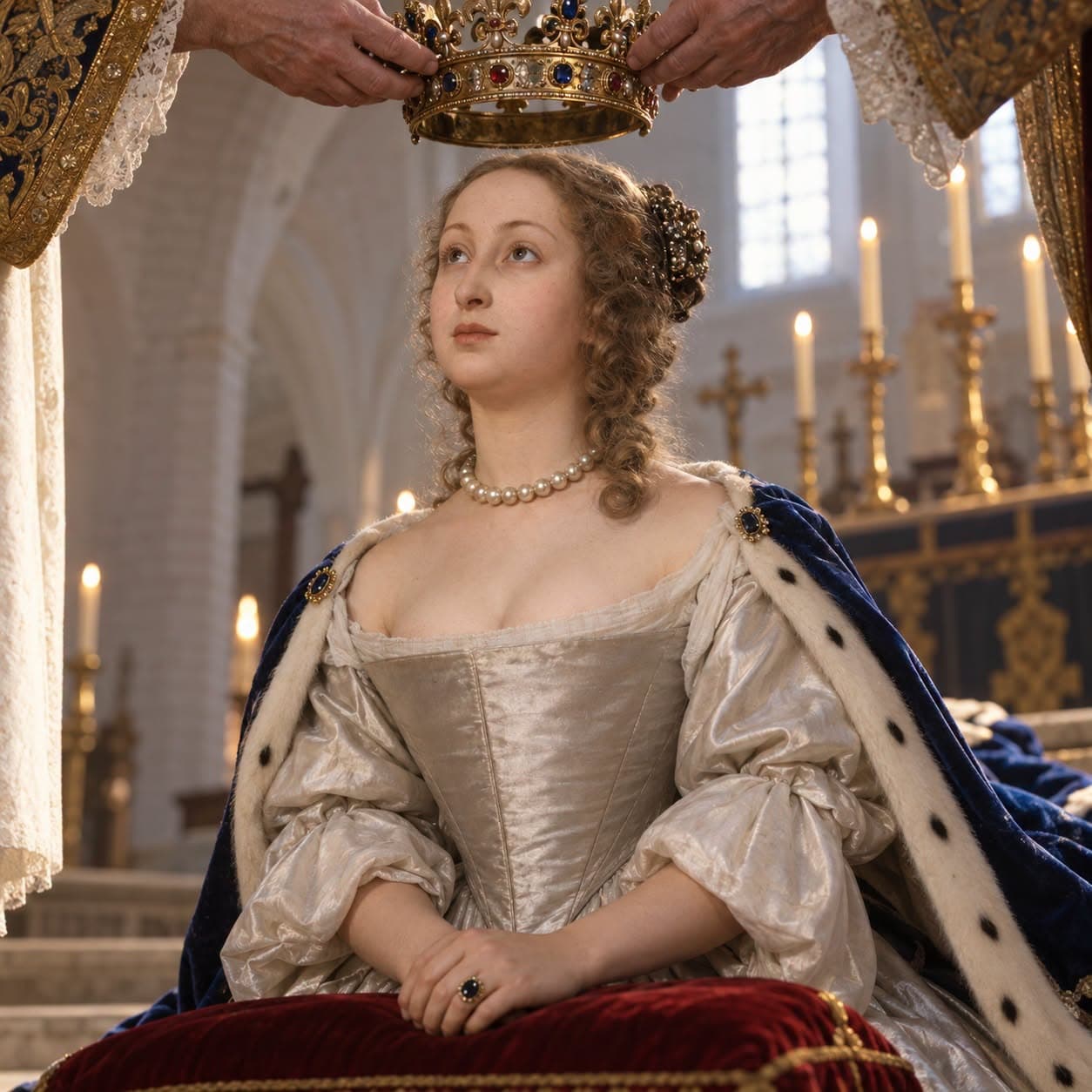
She married Charles X Gustav in Stockholm on 24 October 1654, the day after her eighteenth birthday, and was crowned queen the same day. Their son Charles was born in November the following year. The marriage was soon shaped by wars against Poland and Denmark, and Hedwig Eleonora spent periods near the military campaigns. The alliance had acquired its heir.
Charles X Gustav died on 13 February 1660, aged thirty-seven. His will placed her at the head of the regency government and gave her two votes. Other provisions met resistance from the council and the estates, and the settlement was altered, but her place in the government remained. A dead king could leave instructions. The living still had to agree how far to obey them. Hedwig Eleonora continued to take part throughout the regency, attending the council while her son grew towards the age when its authority would pass to him.
Being the king's mother gave her a position that no councillor could share. It also made her responsible for the boy himself. He was a sickly child, and she was later criticised for guarding his health more closely than his lessons. Court culture framed his education, and travelling theatre companies were brought in as part of it. Her correspondence gave her another way to act: she passed political information to her brother and advised him on foreign affairs. The daughter sent out from Gottorf remained useful to the family she had left behind.
She also had an establishment of her own to run. Her marriage settlement provided a jointure, lands and revenues intended for her maintenance, which grew over time. With a governor and bailiffs, she administered these territories almost as a separate principality within Sweden. Much of the income came from grain rents, sold to merchants, brewers and foundry owners in central Sweden. Royal magnificence was paid for in grain.
In 1661 she bought Drottningholm. The old palace burned down before the year was out. She commissioned Nicodemus Tessin the Elder to build a palace worthy of Sweden's position in Europe, and work began in 1662, while her son was still a small boy and she was still attending his council. A residence on this scale made a claim about the family that occupied it.
The work required architects, painters, sculptors and craftsmen. Tessin's monumental staircase brought together marbling, paintings that played with perspective, and marble figures. The palace gave authority an approach, a sequence of rooms and a setting in which visitors encountered it. Hedwig Eleonora, raised among the cultural ambitions of Gottorf, was now paying for other people's skill to give Sweden's royal house a permanent setting.
Her own State Bedchamber was among its grandest rooms, and it took fifteen years to complete. It served as an audience chamber for distinguished guests. The woman whose public standing rested on being a wife and mother received visitors in a room where even the bed belonged to affairs of state. She commissioned her court painter, David Klöcker Ehrenstrahl, to depict the history of her marriage and her son's life. In one painting, the goddess of fate measures out the thread of the boy's existence. Royal continuity could be proclaimed across a palace, but it still depended on a child living long enough to govern.
The child did live. He took power in 1672, at seventeen, and ruled for twenty-four years. When he died in April 1697, his own son was fourteen, and Hedwig Eleonora, now sixty, was once again at the head of the government of a boy king. The marriage that brought her to Sweden had lasted a little over five years. She was Charles X Gustav's widow for fifty-five years.