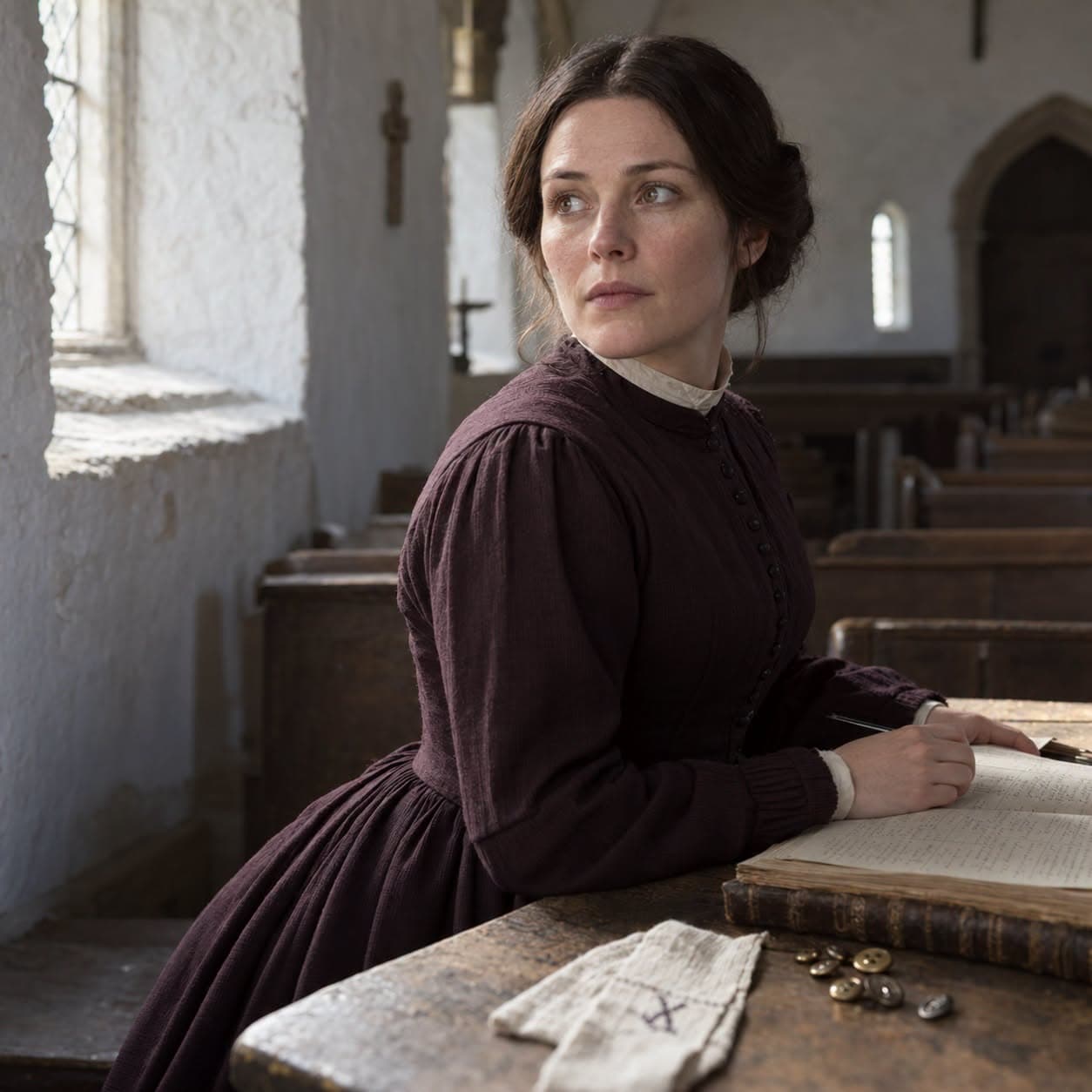
Fanny Duberly rode towards the survivors, trembling. Her husband was beside her. She knew men who had gone down the valley. She was riding up to see who had come back.
It was the evening of 25 October 1854, after the Charge of the Light Brigade at the Battle of Balaklava. Fanny Duberly was twenty-five, the wife of Captain Henry Duberly, paymaster of the 8th Hussars. Henry had watched the charge with her. His work kept him out of its ranks, but the regiment was their daily company, and the losses already had familiar names.
She had followed him from England that spring, and staying with the army took persistence. In May, as the regiment prepared to sail for Varna, Lord Lucan, the cavalry commander, ordered that she was not to re-embark without an order sanctioning it. Major De Salis of the 8th replied that Mrs Duberly had not disembarked. Fanny made her own arrangements anyway: two of the crew would hide her on the maindeck or in the hold until the ship reached Varna. It proved unnecessary. Lucan appealed to Lord Raglan, and Raglan let it be known that he had no intention of interfering with her.
By then she was learning what following a regiment involved. On a march in Bulgaria, exhausted after hours in the saddle, she had been given a bed made from Captain Tomkinson's cloak and sheepskin. She pulled her hat over her eyes and slept beneath a bush beside her horse, Bob. There were officers in this army whose kindness she had slept on.
On the morning of the battle she had intended to stay aboard ship. She was unwell, and a quiet day seemed possible until eight o'clock, when she looked through her stern cabin windows and saw Bob waiting, already saddled, on the beach. A note from Henry arrived almost immediately. The battle had begun. He had sent the horse and wanted her to come quickly, without waiting for breakfast.
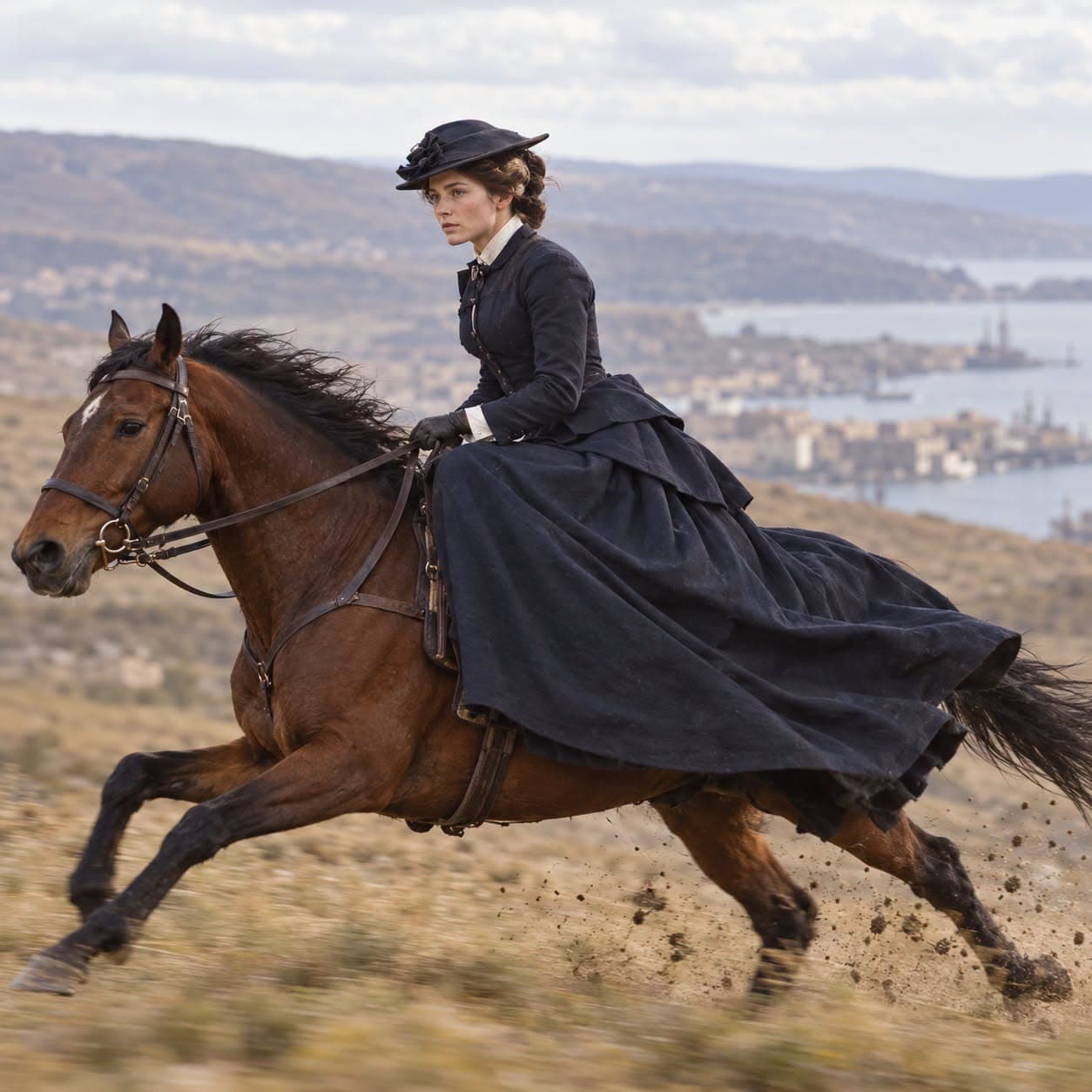
She dressed, went ashore and rode through the crowded streets. Outside the town an officer warned her to ride fast, or she might not reach the camp alive. She took a short cut over the grass and let Bob stretch into his stride.
The Russians were attacking the British supply base at Balaklava while the Allied armies besieged Sevastopol. They had taken Ottoman positions on the heights. By the time Fanny reached the camp, retreating Ottoman soldiers and pursuing Cossacks were coming towards the place where she was overseeing the packing of their tent and possessions.
Henry put her on Bob. With loaded saddlebags, a greatcoat and other packages, she crossed a ditch into a vineyard. For a moment she lost sight of their pony, Whisker, who was still being loaded. Henry joined her, and they moved to the left to get clear of the shots beginning to reach them. Their household had been packed up in the path of a battle.
From there she watched the Highlanders stand against Russian cavalry, and the Heavy Brigade charge. A wounded horse reached the place where she and Henry stood. Another staggered towards Bob, struggling to breathe, and fell. The horses were coming back already.
Then the Light Brigade advanced.
An order meant to stop the Russians carrying off captured guns had sent the cavalry towards the wrong batteries. From their position below, its commanders could not see the battlefield as Raglan saw it. The horsemen went down a valley under artillery fire from the front and both sides.
Fanny saw Captain Nolan, the officer who had carried the order, galloping across the field. She watched the brigade gather speed, then disappear from sight. Presently a few horsemen came straggling back and began to form up. At first she took them for skirmishers. Then came the recognition: "Good God! it is the Light Brigade!"
At five o'clock she and Henry rode towards them. Now that the excitement was over, her nerves began to shake. They went slowly over ground fought across that day, among dead and dying horses. A Russian soldier lay very still on his face nearby; a dead Ottoman soldier lay in a vineyard to her right. A cream-coloured horse with a bullet through its flank was dying, she wrote, so patiently.
Among the news she gathered was that Tomkinson's horse had been shot under him. The man who had made her a bed under a bush had come through the charge. Other names came with wounds: Clutterbuck in the foot, Seager in the hand. Mussenden showed her the grape-shot that had killed his mare. Of Captain Lockwood there was no news at all.
Faint and weary, Fanny rode slowly back to Balaklava with Henry as the evening closed in. That night, she wrote, even her closed eyelids were filled with the ruddy glare of blood.
Her servant's husband also served in the 8th Hussars, and he had not been seen since the charge. One man thought he had seen him fall. Fanny would give her nothing but what was known.
On 26 October word came that he had returned wounded and was in hospital. The servant set out to find him. Fanny had ridden up to the survivors with her husband beside her. Her servant went looking for hers among the men who had come back, and all she heard was news of his death.