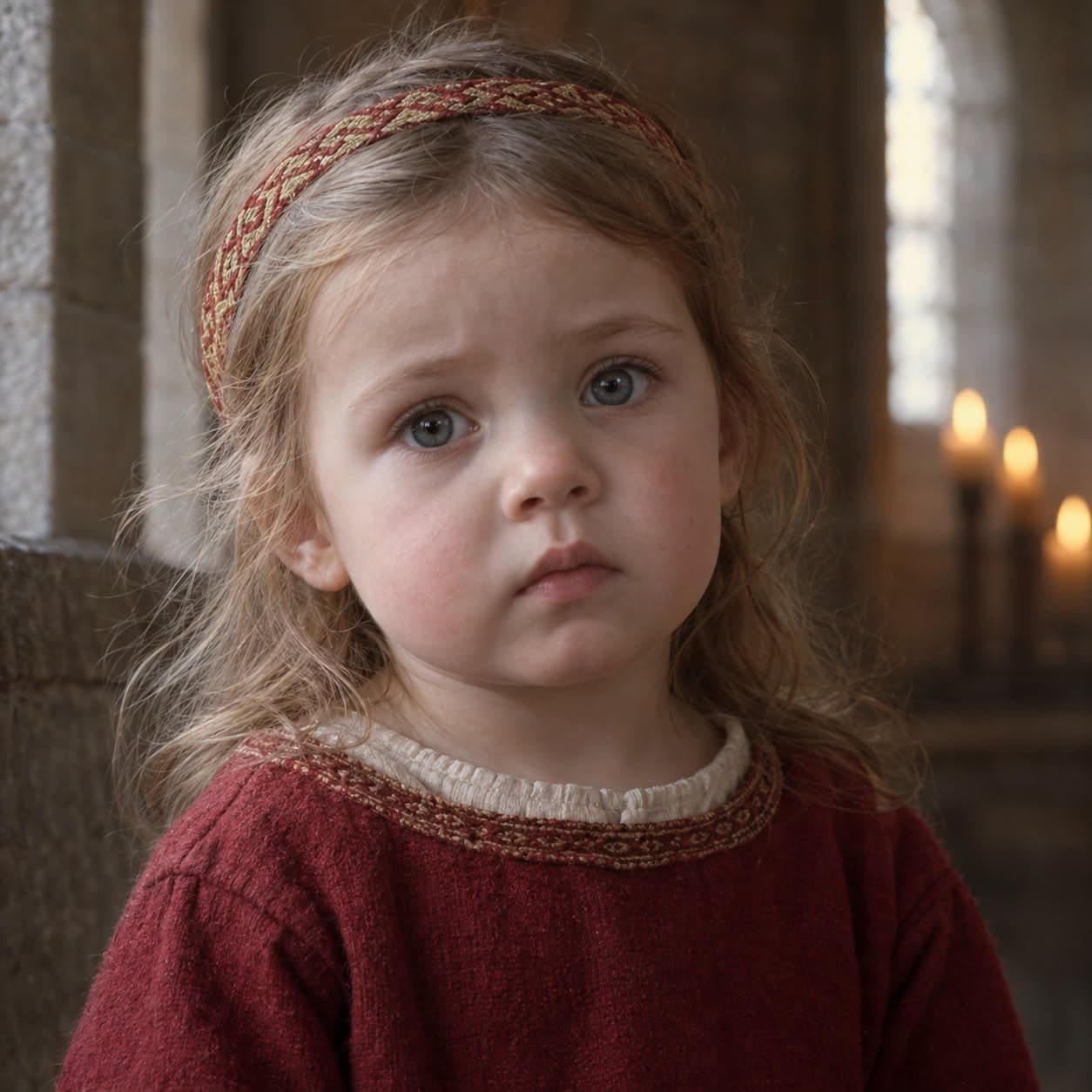
Elizabeth was nine when men planning her father's murder chose her to be their queen. First they would have to take her. Then they would speak in her name.
On 1 November 1605, her father, James I, was shown a letter warning of danger at the opening of Parliament. His minister, Robert Cecil, Earl of Salisbury, brought it to him that afternoon in the king's gallery. Away from London, Elizabeth was living with her guardians at Coombe Abbey, near Coventry. The letter said nothing about her. Yet the conspiracy it threatened to expose had a place prepared for the little girl as well as for the king.
Elizabeth was the eldest daughter of James and Anne of Denmark. Born in Scotland, she had come south after her father inherited the English throne in 1603. She was placed in the care of Lord and Lady Harington at Coombe, a Warwickshire house built from the remains of a Cistercian abbey. Her parents kept their own courts. Her household was the Haringtons'.
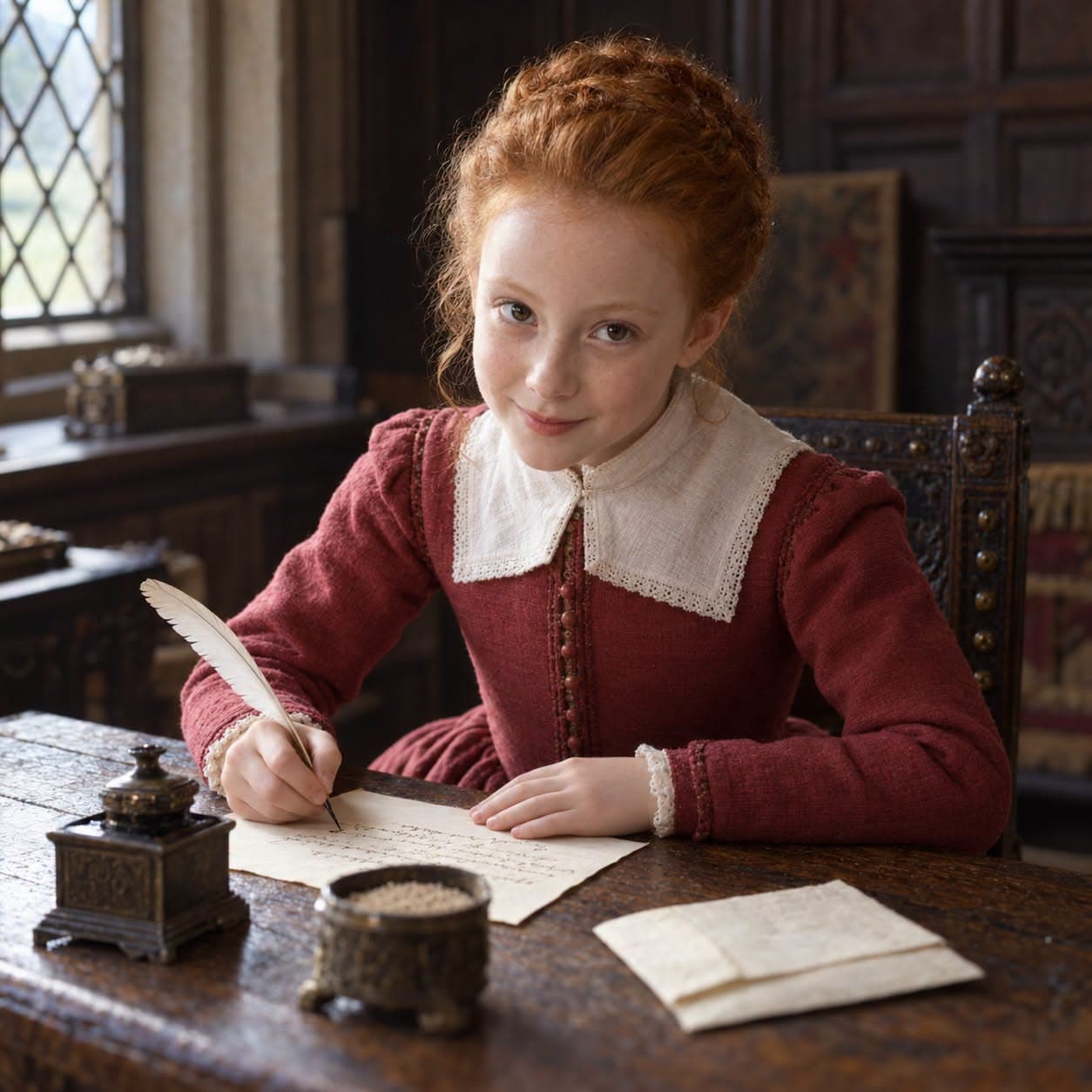
There was a child behind that arrangement. In 1605 she wrote to her older brother Henry: "My noble brother, I rouse you from sleep to remind you that I am your most humble servant." She hoped to remain his "best loved sister". Henry belonged to the family the conspirators intended to overthrow. Elizabeth belonged to it too. Her usefulness to them depended on preserving one piece of what they meant to destroy.
The Gunpowder Plot was led by Robert Catesby. Guy Fawkes had the task for which the conspiracy would become famous: firing the gunpowder beneath the House of Lords when the king attended the opening of Parliament on 5 November. The explosion was intended to kill James and those assembled with him. In the Midlands, another operation was to follow. Sir Everard Digby had called a hunting party at Dunchurch, within a ride of Coombe, as cover for gathering armed men. They would raise an uprising, seize Elizabeth from her household and proclaim her queen.
She had two brothers, and both stood ahead of her. Henry, the heir, was expected at Westminster beside his father. The younger, Charles, was four and kept near London, and the plotters found no means of taking him there because they lacked the forces. Elizabeth was within reach of the Midlands rising. Her selection rested on that calculation. A royal daughter could supply the name around which a new government gathered, while the adults who had taken possession of her decided what that government would do.
These were Catholic conspirators seeking to overturn a Protestant king's rule. Catholics had faced fines and other penalties for their faith, and hopes of relief under James had been disappointed. Catesby's answer was mass killing followed by rebellion. The success of his scheme depended on other Catholics joining it, something the plotters could hope for but could not command. Elizabeth's part was simpler in their calculations. They meant to take her whether she wished to come or not.
The plan reached beyond announcing a new queen. A proclamation was to be issued in her name, setting out a justification for what had been done. A child whose father they intended to kill would lend her authority to an explanation of his killing. The men arranging this had planned her a public voice. They had no need to hear her own.
In London, the warning had begun with an attempt to save someone else. Lord Monteagle had received the anonymous letter on 26 October. It advised him to find an excuse to miss Parliament and withdraw to the country, promising that those who attended would suffer a "terrible blow". Its writer also recommended burning the letter. Monteagle instead passed it to Salisbury. By the afternoon of 1 November, the paper had reached the man whose death was central to the plot.
The warning was still only a warning. Fawkes had not been caught, and Elizabeth had not been moved. The conspirators already knew the letter had reached the government. They had weighed abandoning the enterprise and decided to go on. Between the gallery in London and the household at Coombe lay several days in which the intended explosion and the intended seizure remained possible.
The discovery came on the night of 4 to 5 November. Fawkes was found with the gunpowder beneath the House of Lords, and the destruction planned for the parliamentary opening was prevented. Conspirators fled towards the Midlands, where Catesby still tried to gather support for rebellion. The uprising failed to attract the following they needed. Within days, Catesby was dead and the remaining plotters were being hunted down.
When word of the rising reached Coombe, Elizabeth was taken into Coventry and kept inside the city's walls as the conspiracy unravelled. The search in London had stopped the explosion. The second operation still needed only one thing: a living girl whom the plotters could seize and present to the country. Her guardians put her where they could not reach her.
Elizabeth never became their prisoner. No proclamation went out in her name to justify her father's murder, and no crown was placed on her head by the men who had planned it. The queen they had chosen remained a nine-year-old girl in her guardians' care, and the brother who was meant to die beside their father was still there to read her letters.