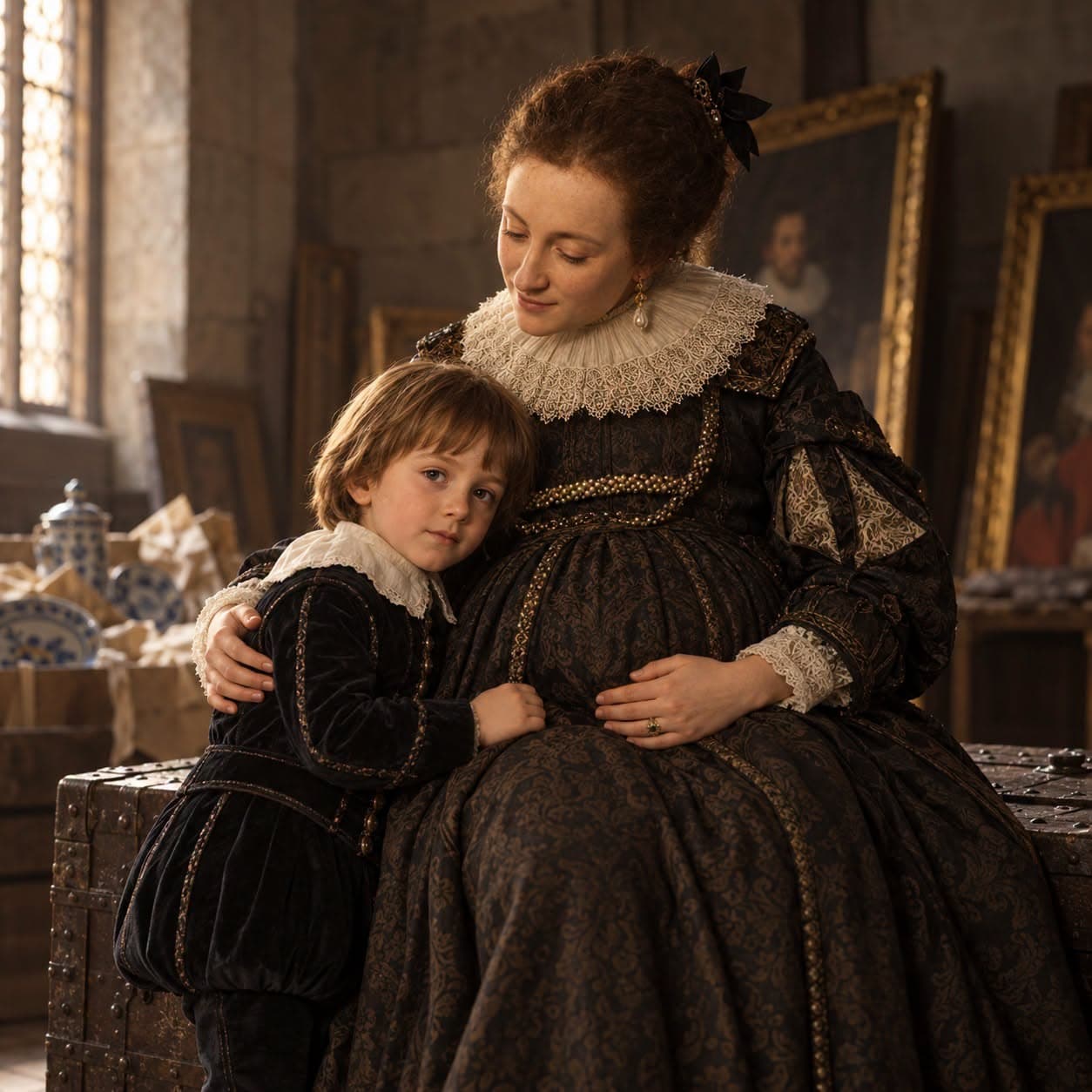
Elizabeth arrived in Prague pregnant, with her five-year-old son and a coronation ahead of her. Little more than a year later, the family would be fleeing the kingdom. The child she was carrying would leave it as a baby.
On 31 October 1619, by the Gregorian calendar used in Bohemia, Elizabeth and her husband Frederick made their entry into the Bohemian capital. In England, still on the Old Style calendar, the date was 21 October. This was their arrival, not their crowning. The coronations were still to come.
Elizabeth was twenty-three, the daughter of James VI of Scotland and I of England and Anne of Denmark. Frederick, whom she had married in 1613, was Elector Palatine, one of the princes entitled to choose the Holy Roman Emperor. He ruled lands of his own on the Rhine, with his court at Heidelberg. An elector was among the greatest princes in the Empire. He was not a king. Their marriage had joined two Protestant dynasties, and the children born to them belonged to the future of both.
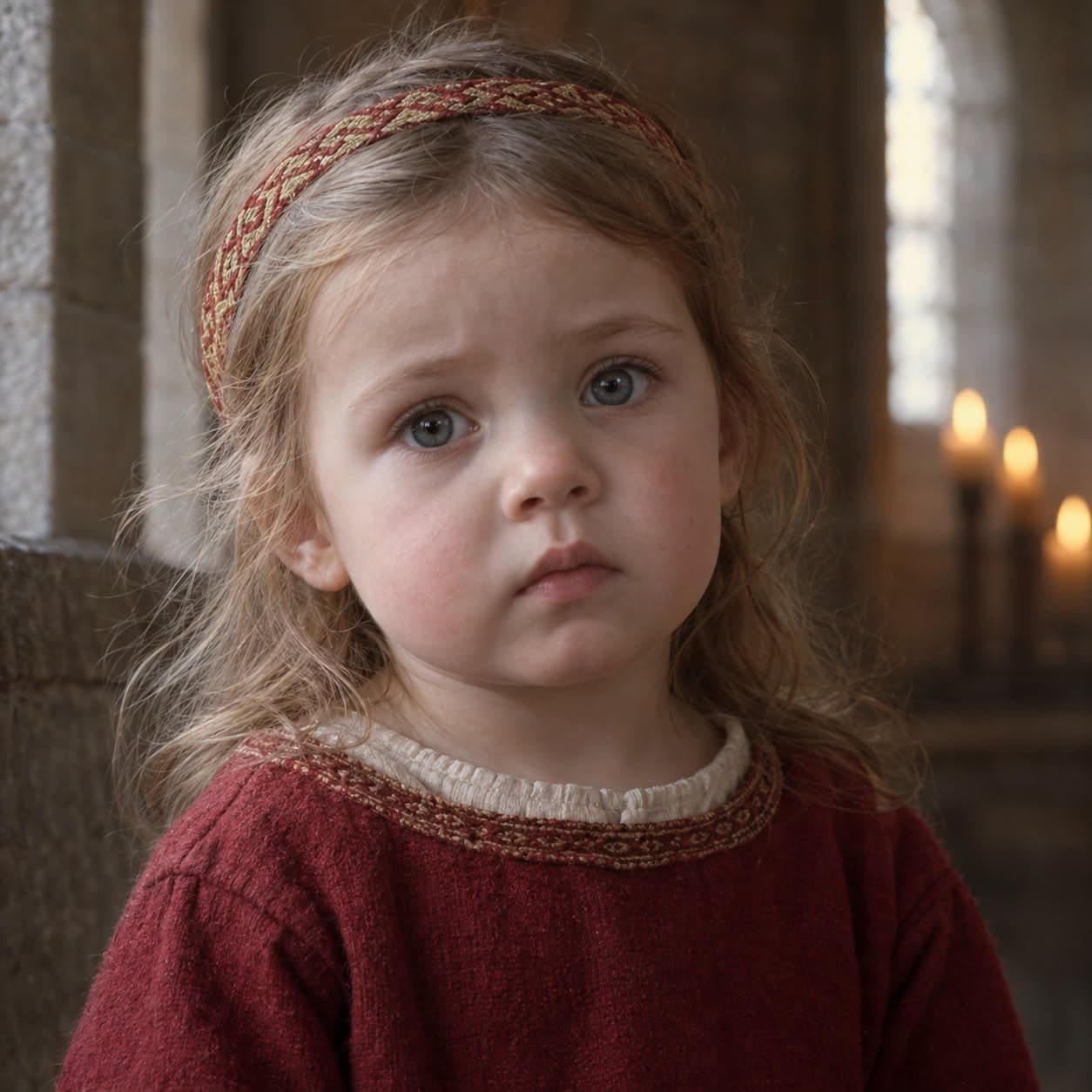
Their eldest, Frederick Henry, had come with them to Prague. He was five, heir to his father's lands, and the journey was a child's journey as well as a royal progress. His two younger siblings had stayed behind in the care of their paternal grandmother, Louise Juliana. The move had already divided the nursery before it brought the family a crown.
Elizabeth was expecting their fourth child.
At the approach to Prague, representatives of the Bohemian Estates greeted Frederick near the Hvězda hunting lodge on the White Mountain, outside the city. Peasants joined the reception carrying a Hussite flag, with Hussite armour and war wagons, the emblems of a rebellion two centuries old. Bohemia was welcoming its new Protestant king with the symbols of its oldest defiance. Elizabeth is said to have entered in a carriage embroidered with silver and gold. Nobles, soldiers and members of the household accompanied the new rulers, and among them was the five-year-old boy who had come all the way from Heidelberg.
The ceremony had a great deal of work to do. The Bohemian Estates had deposed Ferdinand, the Catholic Habsburg they had accepted as their future king in 1617, and that August they had elected Frederick in his place. Religion and the right to govern were bound together in their quarrel. Protestant nobles feared for the liberties they had won, while Ferdinand regarded the kingdom as his. Two days after the Estates chose Frederick, the electors at Frankfurt chose Ferdinand as Holy Roman Emperor. The man Bohemia had dismissed now outranked every prince in the Empire.
A procession could bring a king into Prague. It could not make the emperor accept his dismissal.
Behind the ceremonies lay the ordinary business of setting up house on an extraordinary scale. Portraits and expensive china are said to have travelled with the couple to Prague Castle, to be hung and used in rooms that were new to them. There were servants to organise, a little boy to settle and a birth approaching. The new kingdom would also have to become a home.
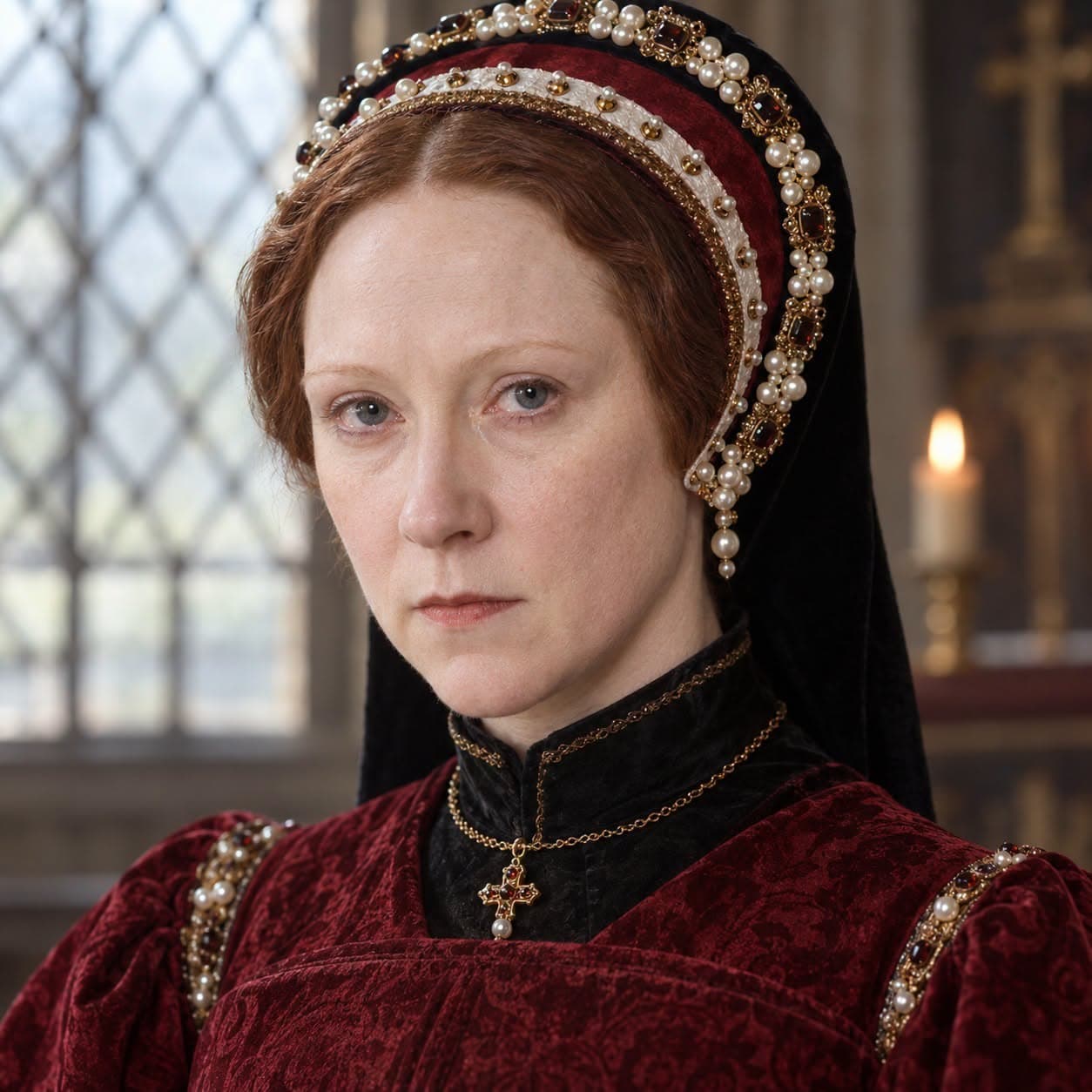
Frederick was crowned in St Vitus Cathedral on 4 November. Elizabeth was crowned three days later, on 7 November. The girl who had left England at sixteen to marry an elector was now Queen of Bohemia. Her father was King of England and Scotland, and his rank made the new royal family look formidable. It could not settle the emperor's claim for them.
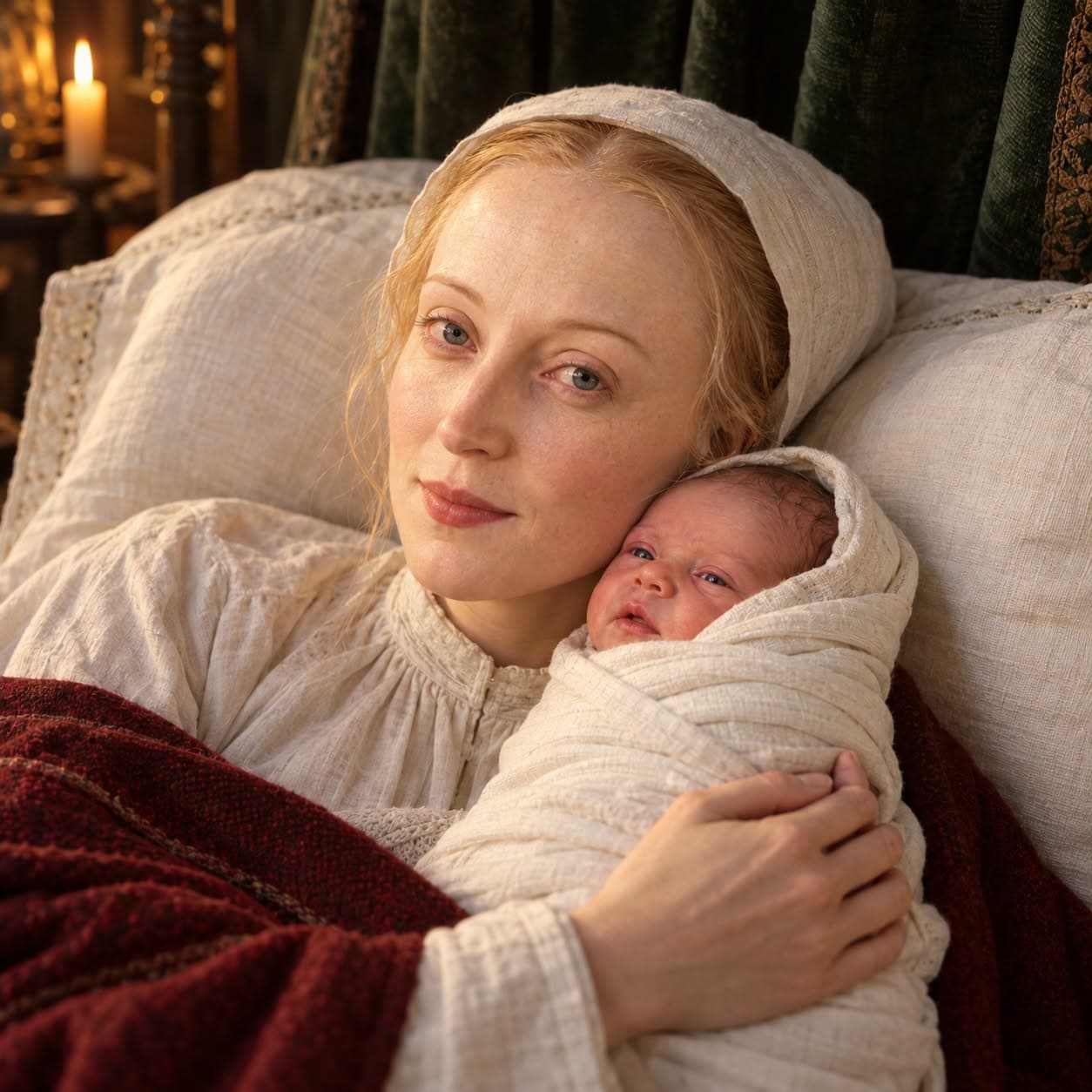
That December, Elizabeth gave birth in Prague to a son, Rupert. Frederick Henry had another younger brother, and the family had a child born inside the kingdom it had come to rule. The infant would grow up to be Prince Rupert of the Rhine, the cavalry commander of the English Civil War. His first home was Prague Castle.
The family spent one winter there. Their enemies would soon call Frederick the Winter King, and Elizabeth the Winter Queen. They stayed on through the spring and summer of 1620, while the struggle around the new crown grew more dangerous.
By September, Elizabeth was being urged to leave the capital. She would not go. Frederick Henry was sent away for safety, to the Netherlands, while his mother stayed in Prague with Rupert. The boy who had arrived with his parents was gone when the end came. Elizabeth was pregnant again, this time with Maurice.
On 8 November 1620, Frederick's army met the imperial and Catholic forces at White Mountain, the same hill where the Estates had welcomed him a little over a year before. The battle was largely decided within an hour. The next morning Elizabeth left Prague under guard with Frederick and the baby. The household that had entered in ceremony now had to be moved out of reach of the victorious army.
She had entered Prague in a carriage said to be embroidered with silver and gold. On the road out, some of her wagons were plundered by men from their own side. She left the kingdom pregnant, as she had entered it, and this time the baby in the travelling party was Rupert. He had come into Prague before he was born, and he was taken out of it before his first birthday.