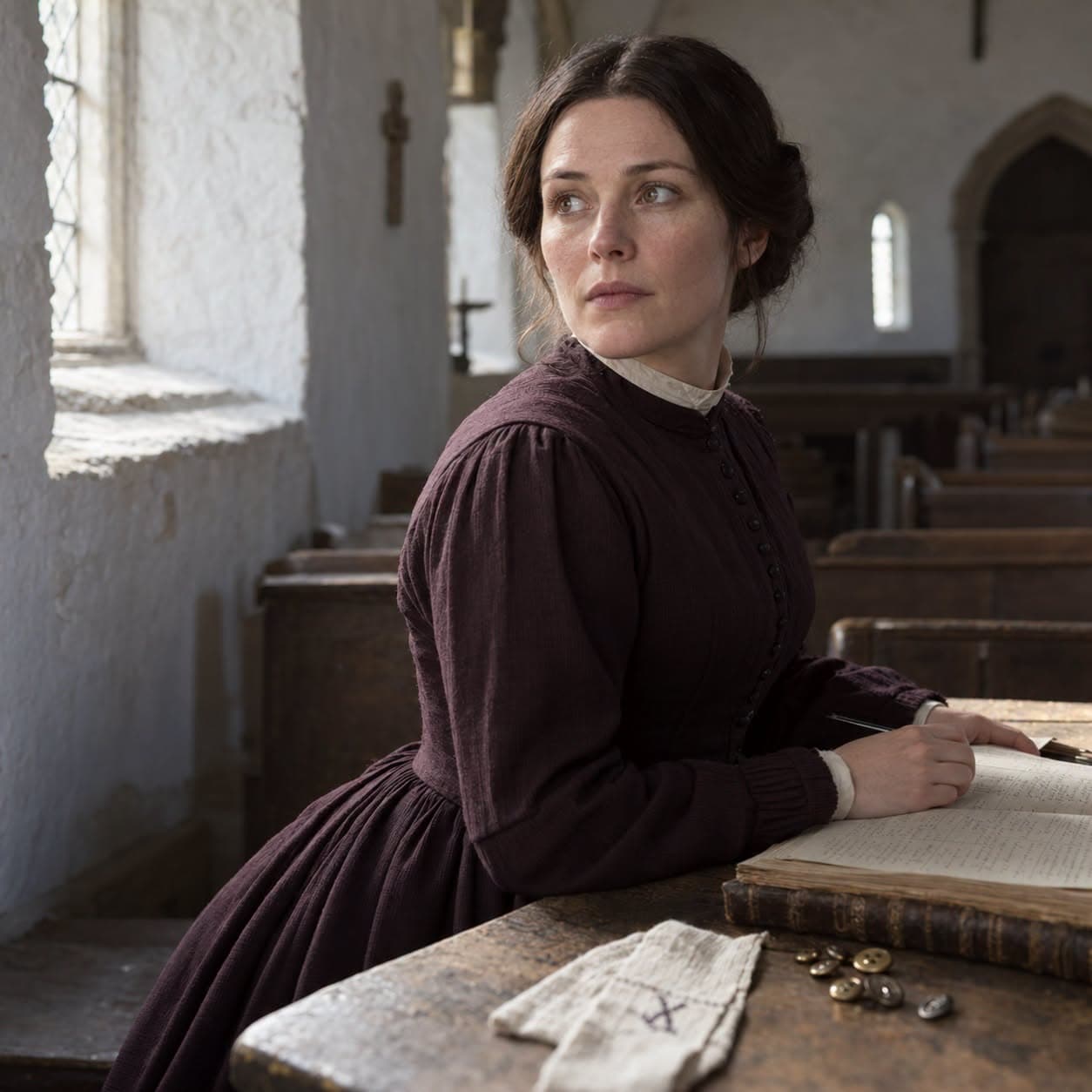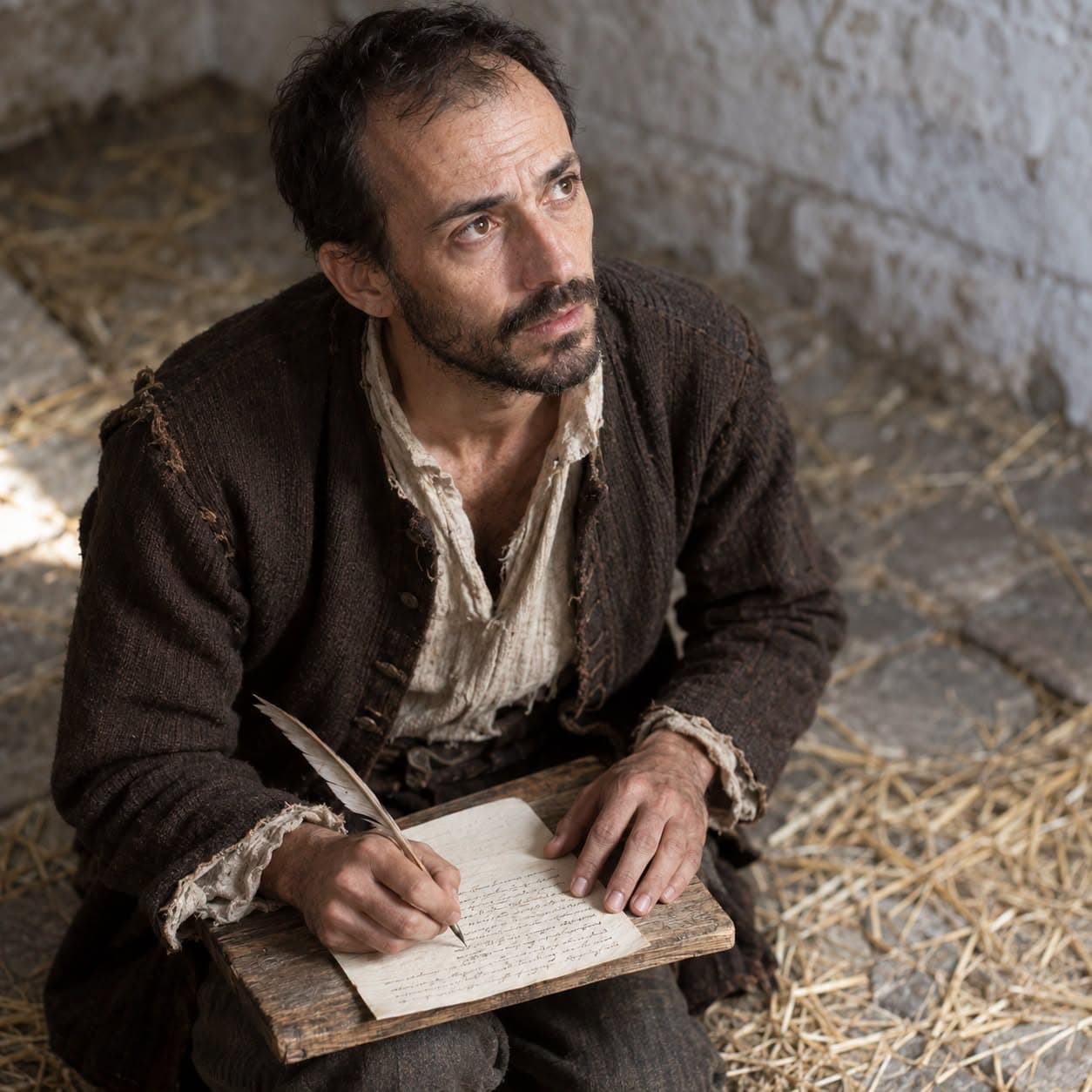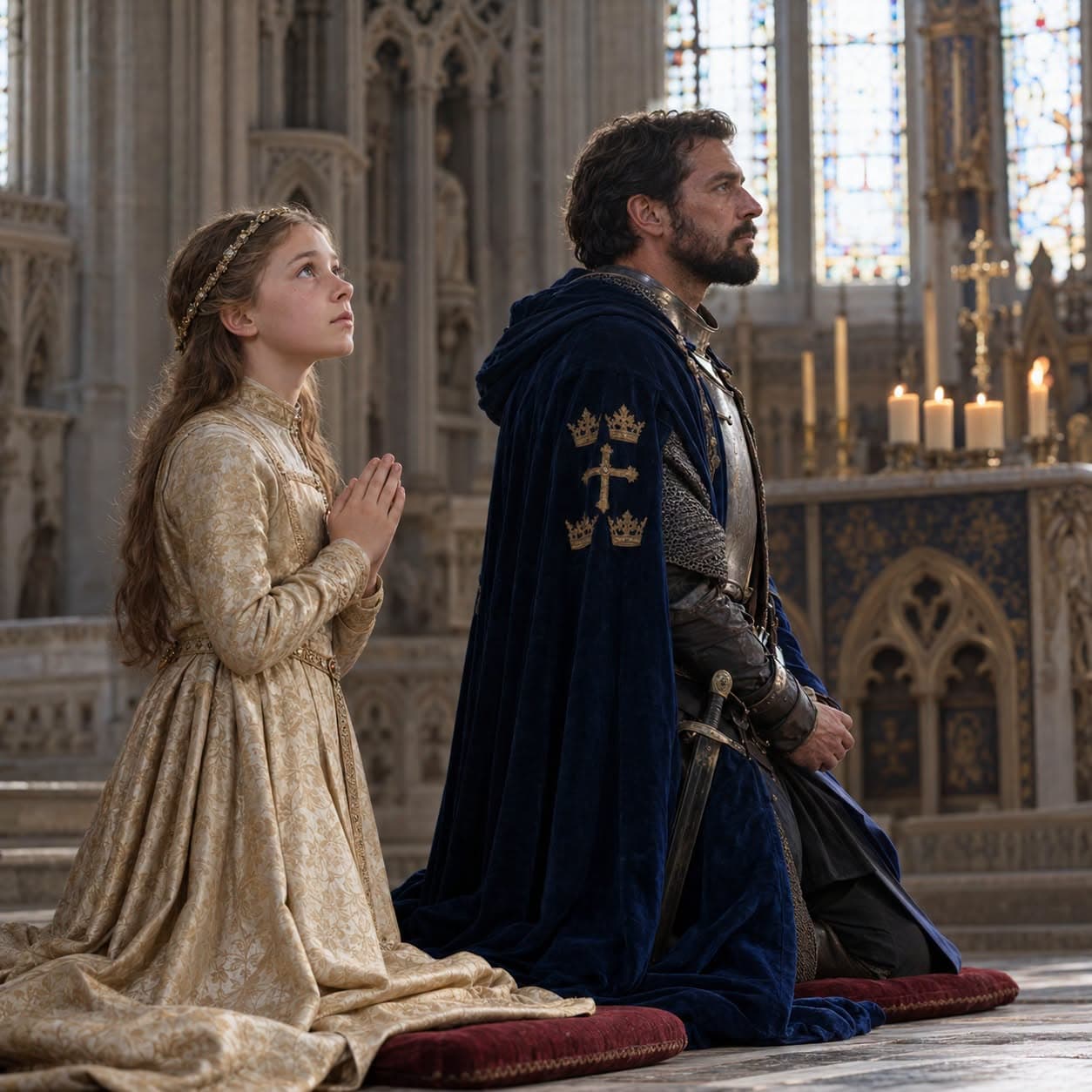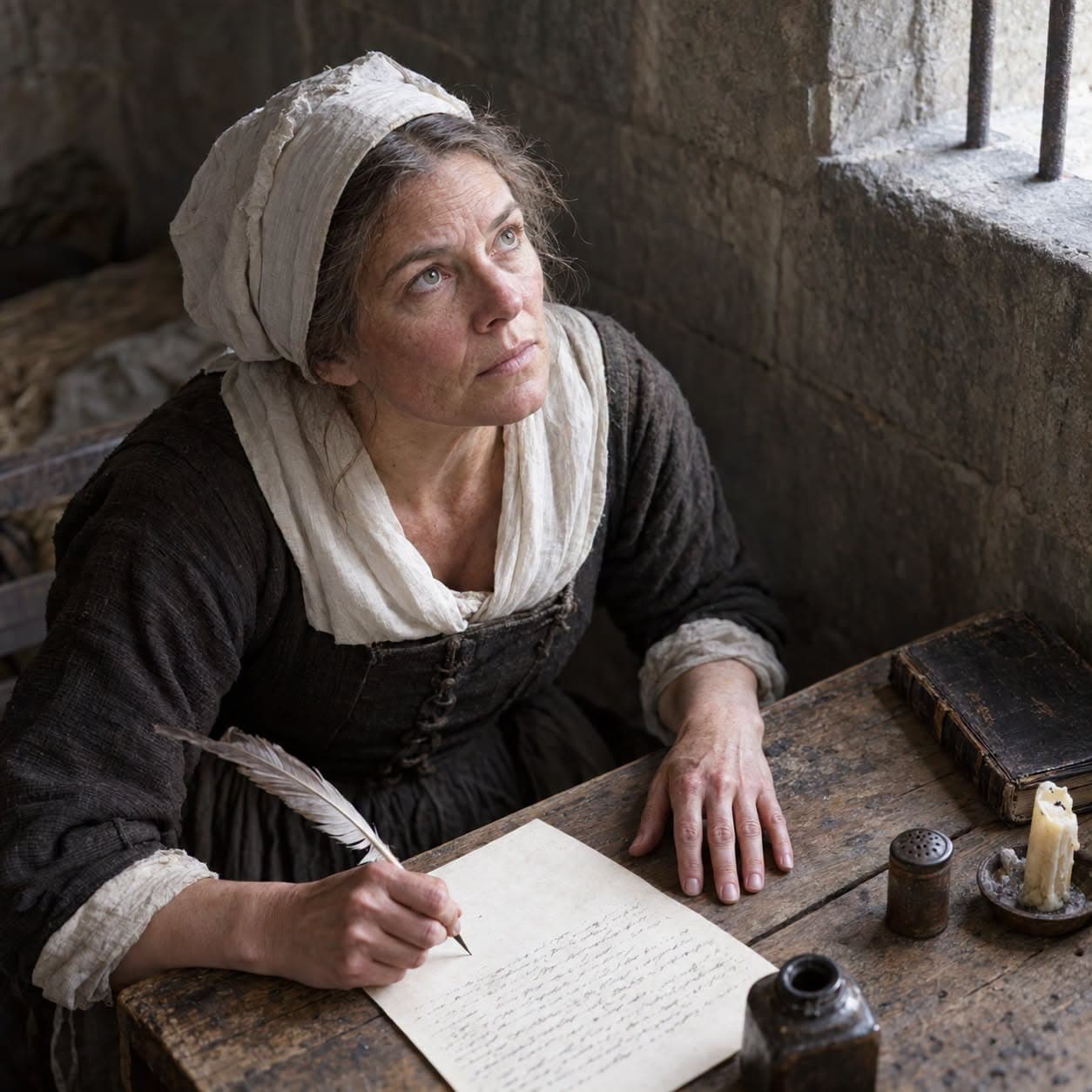
She arranged the straw around herself so that she would burn more quickly. The man she had helped was pardoned. He had given evidence against her.
On 23 October 1685, Elizabeth Gaunt was burned at Tyburn for high treason. Four days earlier, she had stood before the court at the Old Bailey while James Burton described the assistance she had given him. He had needed money and a way out of England. What she had provided to help him escape was now being used to send her to the stake.
Elizabeth belonged to the London of shops, prisoners and dissenting congregations. She and her husband William lived in the parish of St Mary's, Whitechapel, and their household had kept a tallow-chandler's shop. She was an Anabaptist, a Protestant outside the established Church, and she visited gaols and looked after the poor without requiring them to share her beliefs. The people she helped did not all have the right religion. They did not all have the right politics either. Neither distinction had prevented her from being useful to them.
Burton had come into danger during the reign of Charles II. In 1683, the discovery of the Rye House Plot, a plan to kill Charles and his brother James, brought arrests and a search for suspects. Burton was outlawed. Elizabeth helped him get away, and he sailed for Amsterdam.
By the summer of 1685, Charles was dead and James was king. The Duke of Monmouth had attempted to take the crown from him, and his rebellion had been defeated at Sedgemoor on 6 July. The fighting was over. The pursuit of those who had taken part, and those who helped them, continued. In the west, the Bloody Assizes sent hundreds of Monmouth's supporters to their deaths. In London, earlier acts of assistance could be brought into court alongside the wreckage of the new rebellion.
Burton had returned to England with Monmouth. After the defeat he found refuge in the house of John Fernley, a Whitechapel barber. He then informed against Fernley and Elizabeth. The government gained a witness. Burton gained a pardon.
Elizabeth's earlier help had become something he could trade.
At her trial on 19 October, Burton described her efforts to arrange his passage abroad. He said she had given him about five pounds. His wife and daughter also testified about her part in helping him away. When the money was put to her, Elizabeth asked, "Who saw me give it him?" The answer from the bench was, "He swears it." Chief Justice Jones treated her efforts to secure his escape as evidence that she knew she was assisting a traitor.
The jury wanted to know more about the money. Burton was questioned again and asked whether Elizabeth had owed it to him. She had not. Asked why she had given it, he said she knew he was bare of money and had given it of her free will. Asked whether it was to help his escape, he said he believed so. What might have been charity in another room became evidence in this one.
His pardon was produced in court. Elizabeth was sentenced to be drawn on a hurdle and burned. She protested that untruths had been told about her. Asked whether that was all she had to say, she answered, "I don't understand the Law."
She understood the sentence.
In Newgate, weakened by close imprisonment and uncertain whether she would be able or allowed to speak at the place of execution, Elizabeth wrote her answer. The court had explained what helping a fugitive meant in law. She explained what it meant in the faith by which she had lived.
She turned to the command in Isaiah: "Hide the out-casts, bewray not him that wandreth." To bewray was to betray or disclose. The passage told her to shelter the person in danger. A verse from Obadiah warned against delivering up those who remained "in the day of distress". The demand that she surrender such people or die did not settle the question of whom she ought to obey.
She had helped them. She would not call the helping wrong.
She described what she had done in the plainest terms: "I did but relieve an unworthy, poor, distressed family, and lo I must die for it." She wrote that she found in her heart not the least regret for her service to sufferers. She laid her blood at the door of "the furious Judge", and at the door of a jury that had found her guilty on "the single oath of an outlawed man". She forgave the wrongs done to her personally, and left the rest to God. Even with her sentence passed, she did not give the court the comfort of agreeing with it.
There was room in that forgiveness for an exact account of the transaction. Burton, she wrote, had "bought his life with mine".
At Tyburn, William Penn stood among those who watched her die. Elizabeth laid the straw about herself to hasten the fire, and the composure with which she did it brought spectators to tears. She had once helped to arrange a man's passage out of danger. Now she arranged what she could of her own death. No other woman in England would be executed for a political offence after her, and the man she had helped walked away with his pardon.