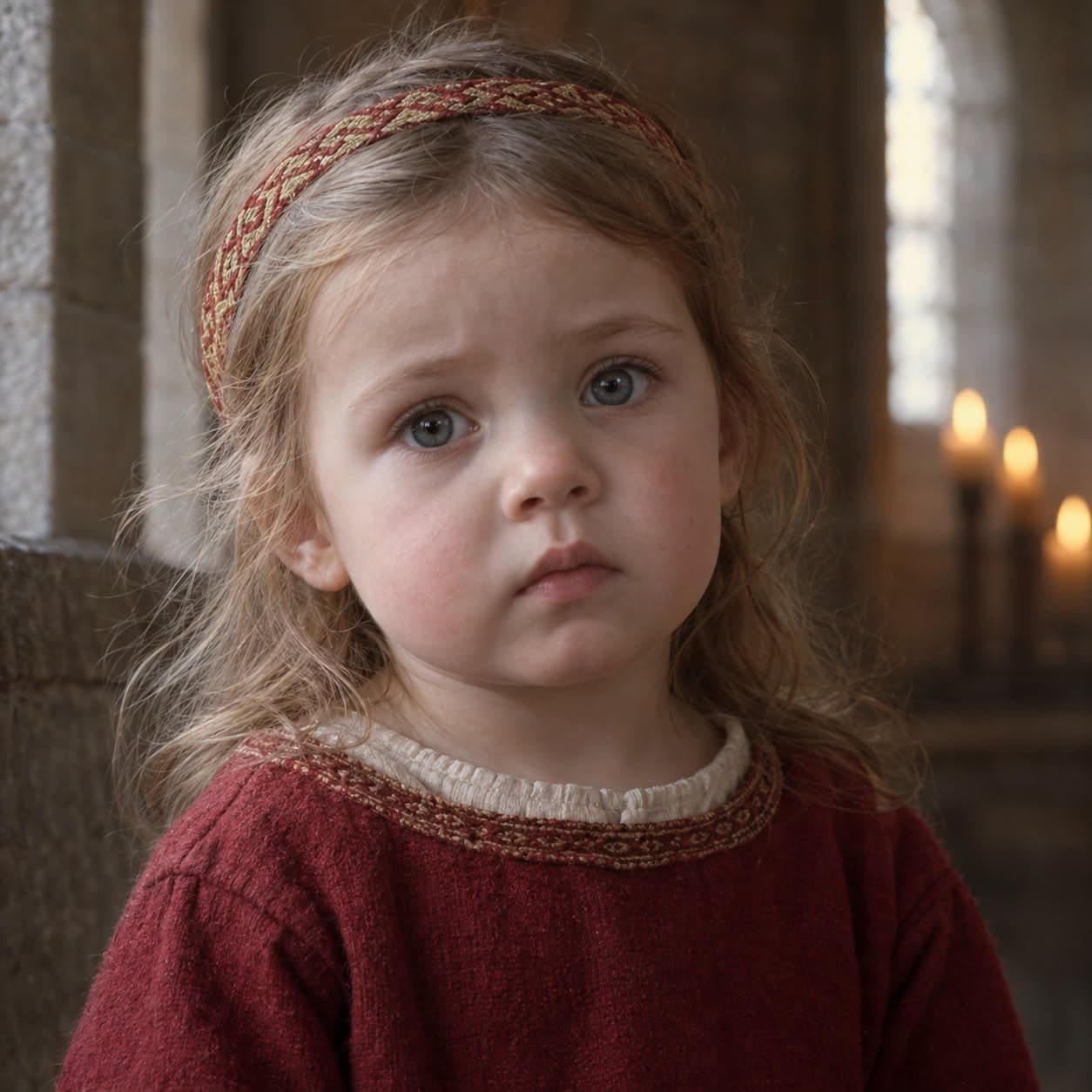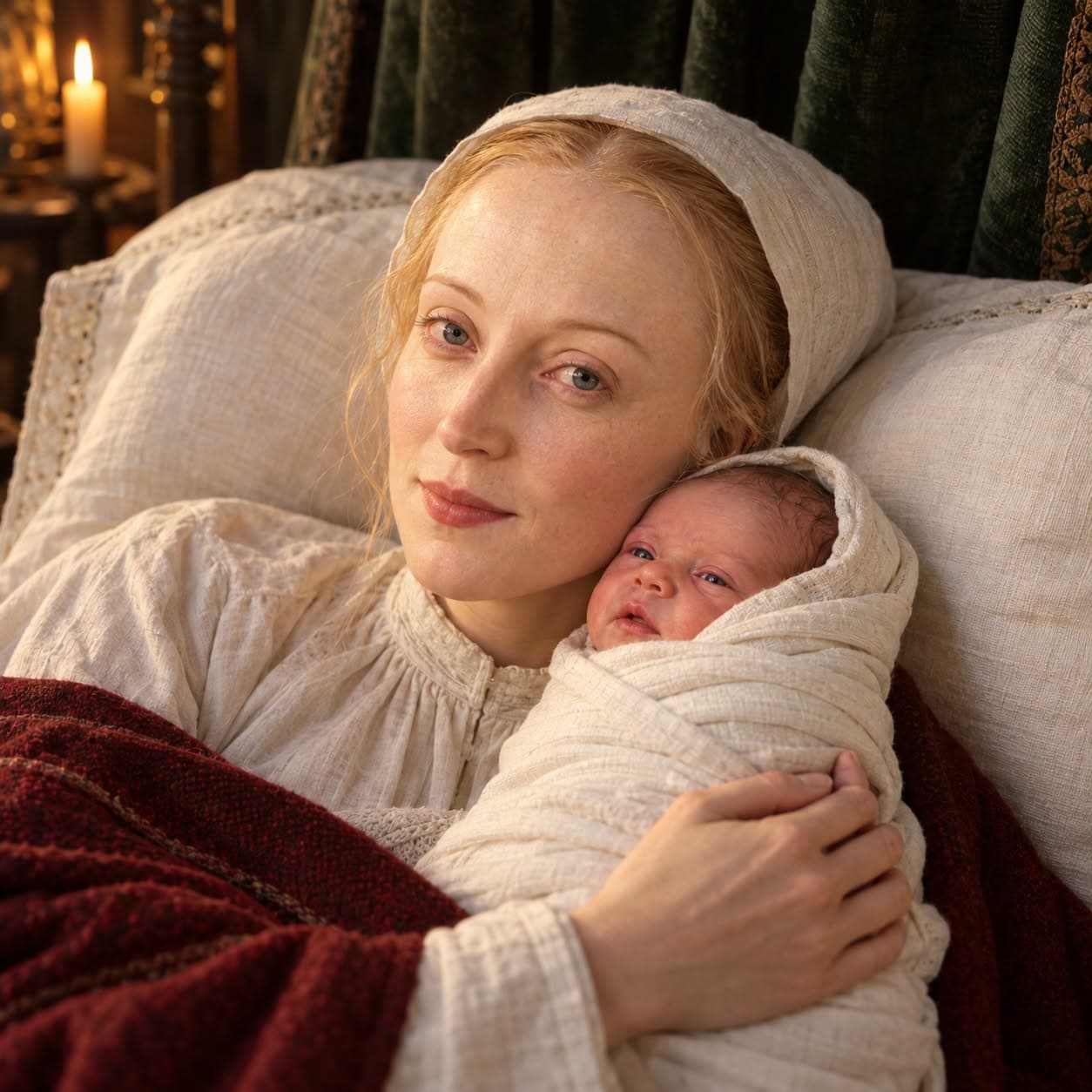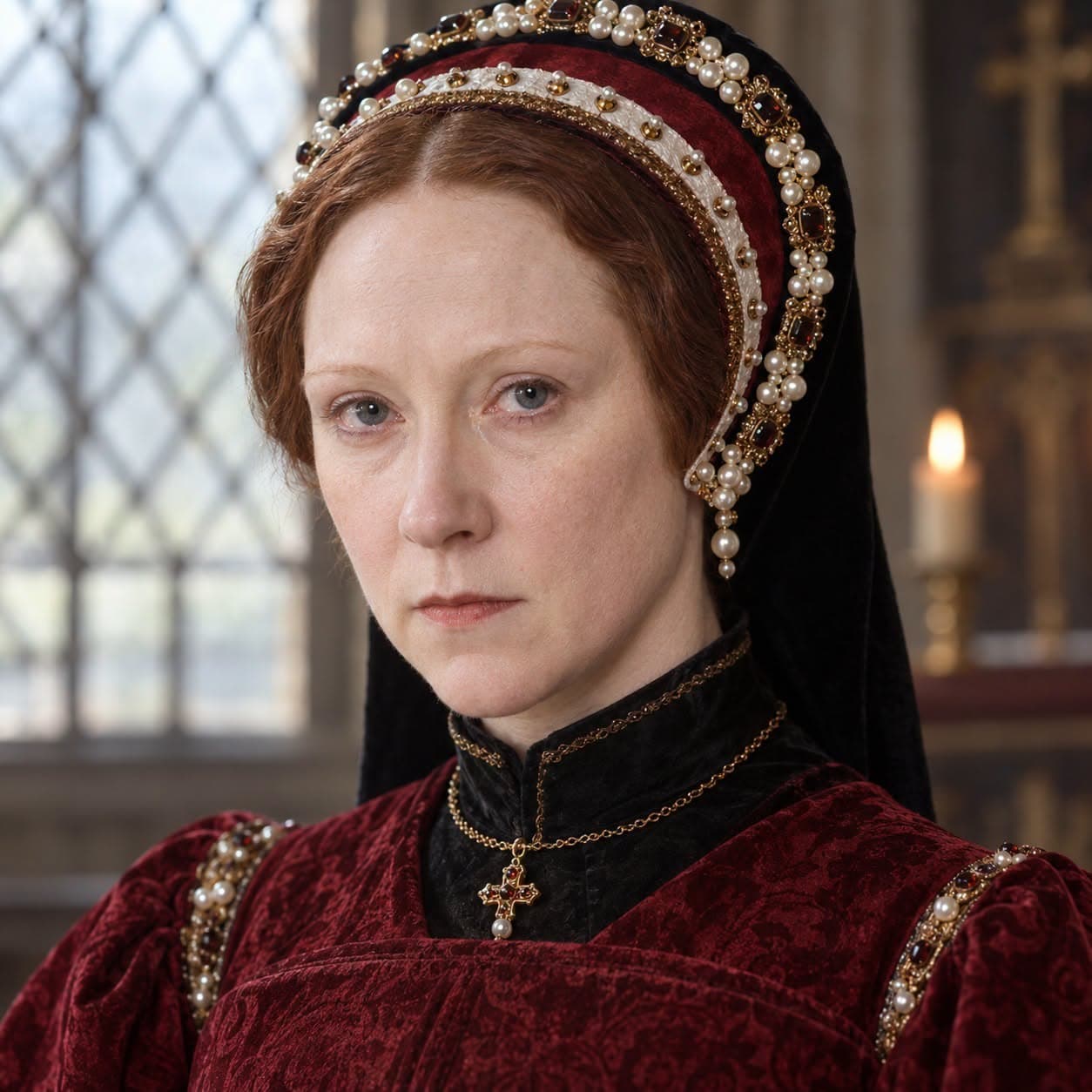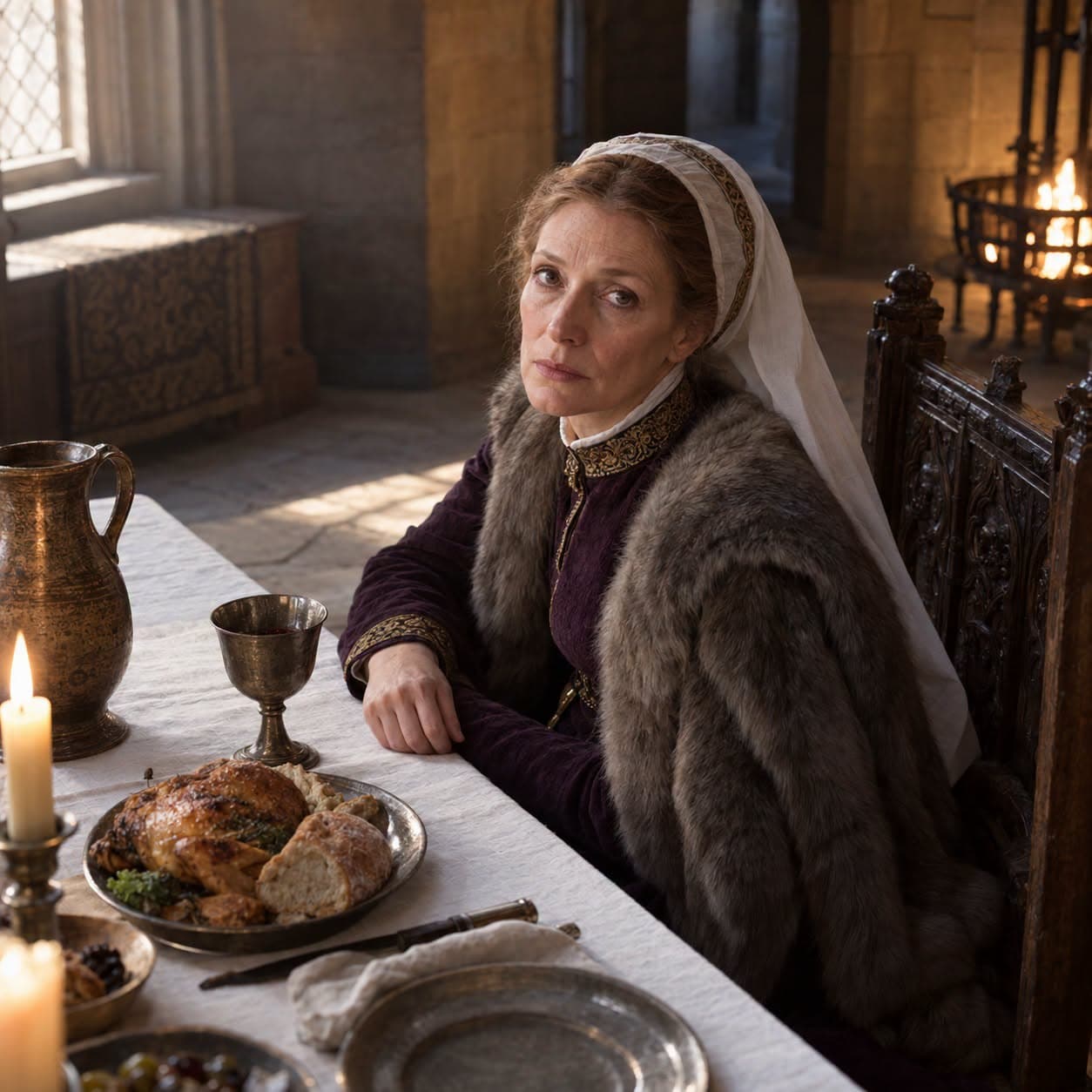
Eleanor was still queen, but her husband controlled where she could go. Their rebellious sons had made peace with him. Now Henry was reported to be seeking a way out of their marriage as well.
On 1 November 1175, Henry II received a papal legate at Winchester. The pope's representative had come to settle disputes within the English Church. During this visit, Henry was reported to have explored another matter: whether his marriage to Eleanor could be annulled. She remained under restraint after supporting the rebellion against him.
They had been married for twenty-three years. Eleanor had borne Henry eight children, five sons and three daughters, while taking an active part in the government of his lands. When he was away, she had acted as his regent. The woman he now kept confined had once exercised authority in his name.
She also held authority that had not begun with him. Aquitaine, the great duchy of south-western France, was her own inheritance. She had brought it first to Louis VII of France and then, after that marriage was annulled in 1152, to Henry. Each husband gained a claim to govern it through her. Neither had held it before she arrived.
In 1168 Eleanor returned to Aquitaine and took an active role in its government. Her son Richard's future lay there too. A disagreement between Eleanor and Henry could therefore reach far beyond their household. It could unsettle the territories on which their children's power depended.
By 1173, three of their sons were in revolt. The younger Henry, Richard and Geoffrey challenged their father, and Eleanor supported them. These were disputes over power and inheritance within a family whose quarrels could put armies into the field. Eleanor's part was serious. She had sided against the king to whom she was married.
The revolt failed. Henry made peace with his sons in the autumn of 1174. Eleanor remained in custody.
At Winchester the following year, the younger Henry accompanied his father when they received the legate. The son who had rebelled was once again beside the king, taking part in the ceremonial welcome given to the pope's representative. His mother remained subject to restrictions that reconciliation had not removed.
A senior churchman had already set out what Eleanor owed her husband. During the rebellion, a letter written in the name of the Archbishop of Rouen rebuked her for leaving Henry and helping turn their sons against him. It began with the permanence of marriage: "Marriage is a firm and indissoluble union." From that starting point came the obligation of a wife to submit to her husband, return to him and bring their sons back to obedience.
The letter addressed a queen, but its argument rested on her duties as a wife. It called her "a most prudent woman" in the same sentence that condemned her for leaving her husband. Its remedy was a return to the authority she had challenged.
Two years later, Henry was reportedly considering whether that firm and indissoluble union had been valid in the first place.
The ground was consanguinity, a blood relationship within the degrees forbidden by the Church. An annulment did not end a marriage. It declared that there had never been a valid one. Among royal families who had been intermarrying for generations, such a relationship could usually be found, and it was rarely looked for until someone had a reason to want it found.
Eleanor had been through this before. Kinship had been the stated ground for dissolving her marriage to Louis in 1152. Now the same argument was reportedly being weighed by her second husband, after more than two decades of marriage and the birth of a dynasty.
Aquitaine made any separation more complicated still. Richard had already been installed there as duke. Eleanor's inheritance was also her son's future, and the family could not be disentangled merely by declaring that the parents should never have married. Ending the marriage would not have been a simple matter of sending a wife away and keeping everything she had brought.
No annulment followed.
Eleanor's confinement continued, although confinement did not mean a dungeon. At Old Sarum, one of the places where she was held, the sheriff of Wiltshire spent large sums on maintaining the queen and her household. Fine clothes seem to have been sent regularly from London. She had servants, costly garments and the provisions appropriate to her rank, while the essential decision about where she went belonged to someone else.
A queen could be maintained at the king's expense and still be his prisoner.
The restrictions eased and tightened over the years, but the reported attempt to end the marriage produced neither a former wife nor a free woman. When Henry died in July 1189, Eleanor was still his queen and still in his custody. The firm and indissoluble union had lasted thirty-seven years, sixteen of them with her held at his pleasure. Her release came on the orders of the new king, Richard, one of the sons whose rebellion she had joined.