The man who had once walked into her bedchamber unannounced could no longer come into her presence. He wrote to her for forgiveness. He also needed her money, and she had begun to read the one as a preface to the other.
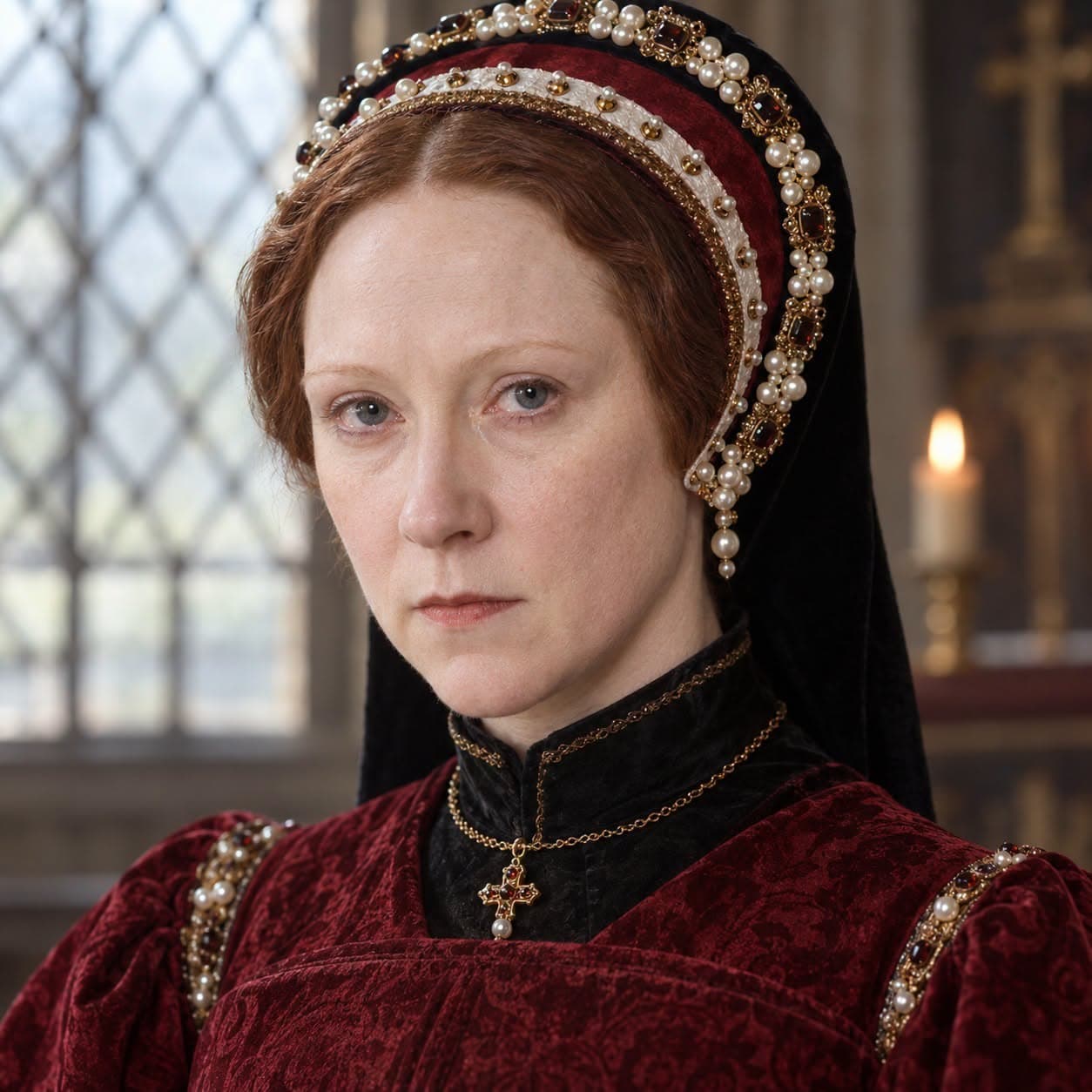
On 30 October 1600, the news from Elizabeth I's court recorded that Robert Devereux, Earl of Essex, had lost his farm of the sweet wines. The queen was keeping the revenues herself. Essex was thirty-four, once among the most favoured men in England, and he remained outside the rooms in which decisions about his future were being made.
He had come to court as the stepson of the Earl of Leicester, the queen's own great favourite, and after Leicester died in 1588 the sweet-wine farm passed to the younger man along with much of the attention. He became a courtier and a soldier, used to royal notice, profitable appointments and the influence that came with them. Elizabeth had given him opportunities that few men received. By the autumn of 1600, he had also given her substantial reasons to withhold another. Their quarrel had passed through the government of Ireland, the queen's private rooms and proceedings against him. Now it reached the money with which he hoped to satisfy his creditors.
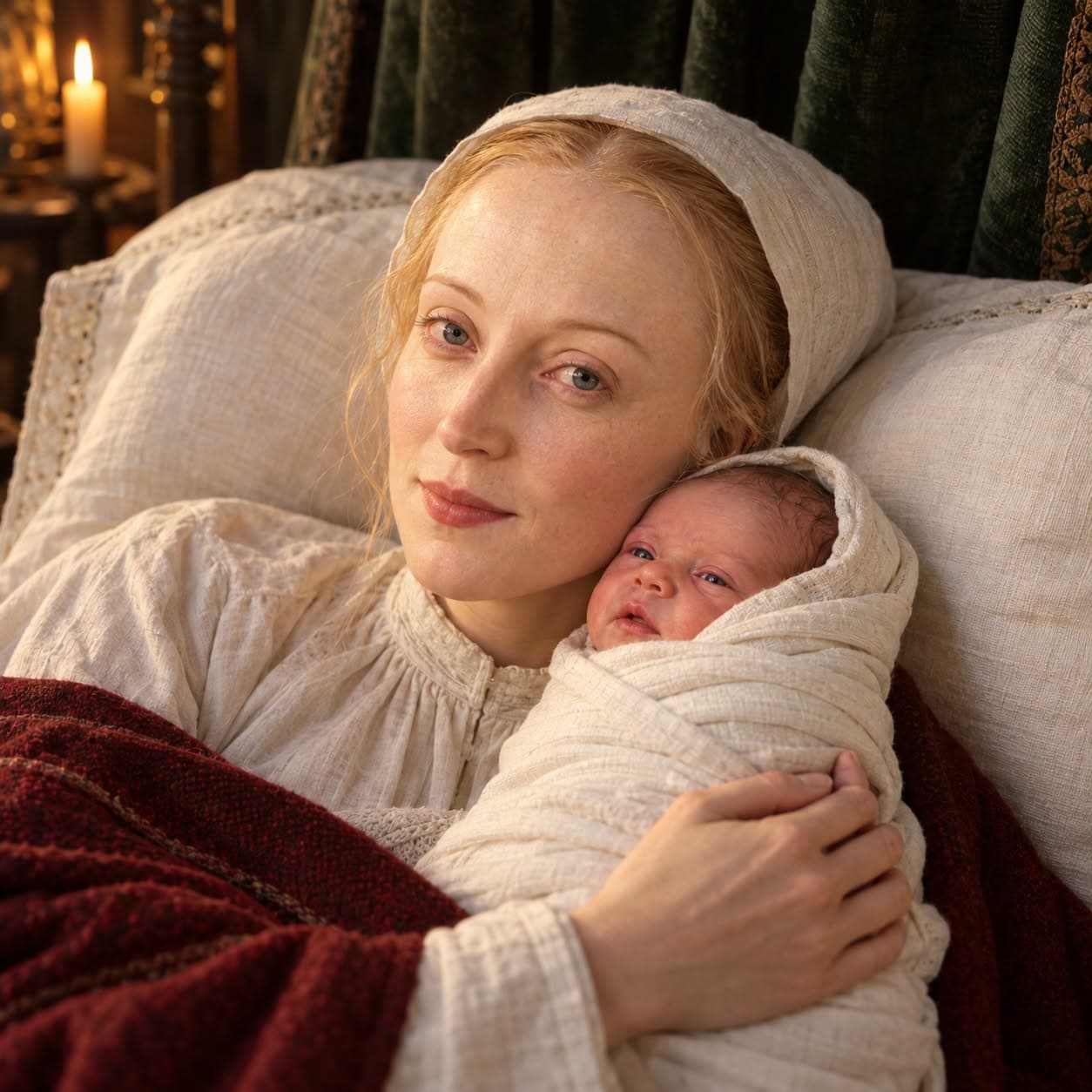
Thirteen months earlier, on the morning of 28 September 1599, Essex had arrived at Nonsuch Palace after returning from Ireland without permission. He was so full of dirt and mire from the road that his very face was covered in it. He went through the presence chamber and the privy chamber and on into Elizabeth's bedchamber. She was newly risen, her hair about her face. He knelt, kissed her hands and spoke with her privately. Afterwards he left to change his clothes, telling those around him that though he had suffered much trouble and storms abroad, he had found a sweet calm at home.
He had reached her. It was the last day he ever spent in her presence.
He had left his command without authority, after making a truce with the rebel Earl of Tyrone, and a private audience could not settle that. Questions followed, then confinement. In June 1600 he faced proceedings for his conduct in Ireland, was barred from exercising his offices and remained under restraint. The familiarity that had carried him through the palace had not carried him beyond the queen's authority.
By late summer she allowed him to go into the country. He could stay at one of his uncle's houses, with no guard upon him beyond his own duty and discretion. The permission came with an express condition: he was not to presume to approach either the court or Elizabeth herself. He had recovered his liberty without recovering his place beside her.
He could leave the house. He could not come to hers.
The sweet-wine farm made that distinction expensive. It was a grant of the revenue from duties on imported sweet wines, and Essex depended on it. In September he petitioned for its renewal, explaining that it was his principal support and his only means of reaching an arrangement with the merchants to whom he owed money. The lease ran out at Michaelmas. Rank would not pay those debts, and the prospect of restored favour was difficult to offer a creditor in place of money.
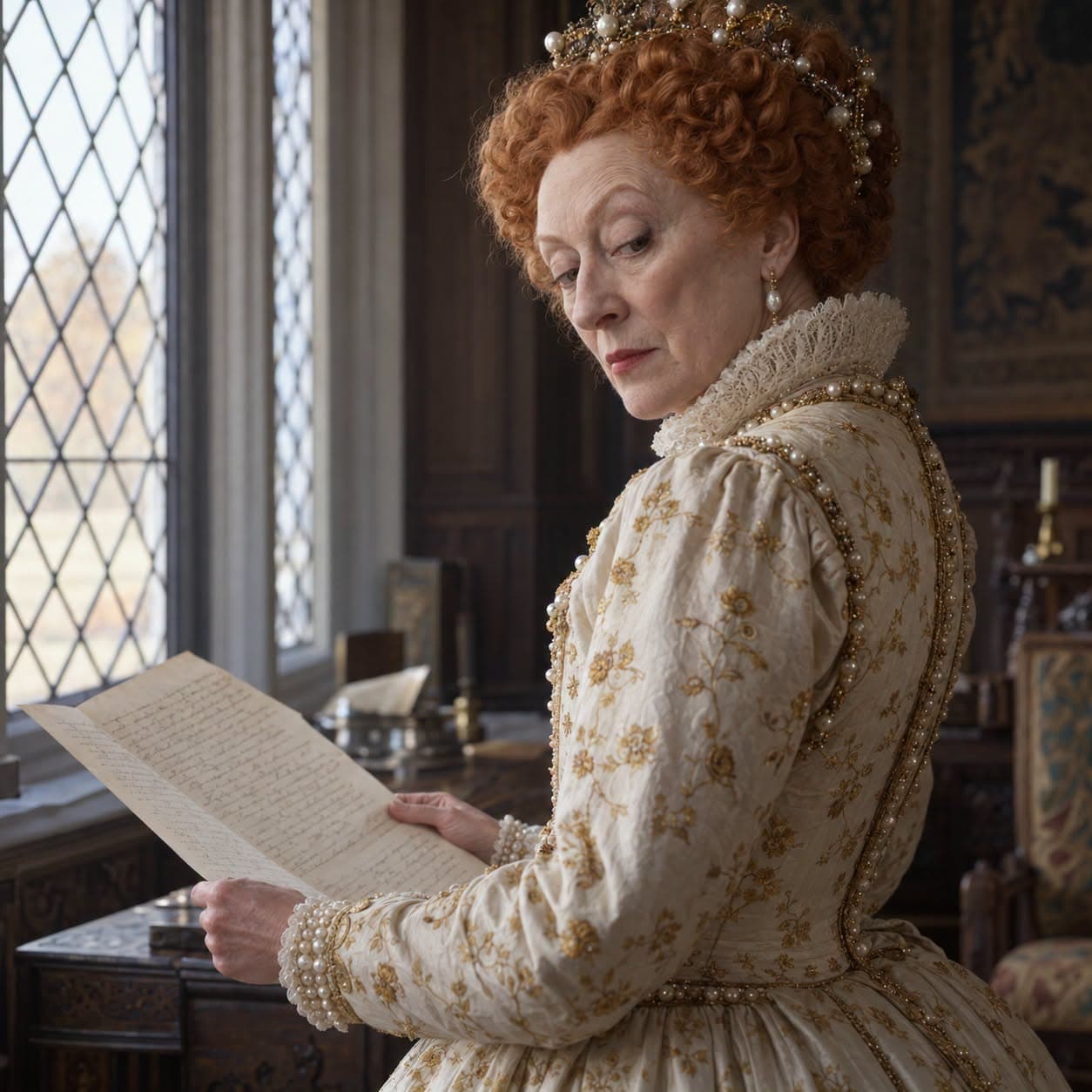
His letters to her that season were humble and devoted. Elizabeth said they had moved her, until she found they were preparing the way for a request to renew the wine farm. Francis Bacon, who had once been Essex's protégé, answered that the two things could stand together. A man's wish to serve her was what he believed he had been born for, Bacon argued, while his need for the grant was only a matter of keeping alive, as a vine will creep towards whatever stake stands beside it. At her court, the same letter could do both.
It was an awkward defence for her to accept, because she had planted the stake. His offices, his standing and this grant had all come from her favour. Nor could she restore the income without handing him something substantial to set against the evidence of his disgrace.
The petitions continued. By early October her intention to keep the wine revenues was circulating at court, while Essex's friends still looked for signs that he might be received again. Money and admission had become tests of the same uncertain future. An earl's debts did not become smaller because his letters had become more humble.
Other dangers were gathering around him. He believed his political enemies were blocking his return to favour and turning the queen against him. Those suspicions, his debts and the loss of his position helped shape the crisis that followed. There were still decisions to be made, however, and he made them. The rising of 8 February 1601 failed within a day. At his trial, Francis Bacon was among the lawyers who prosecuted him. On 25 February he was beheaded in the Tower of London.
In October, that ending still lay ahead. He was petitioning a living queen who had once let him kneel at her side with the mud of Ireland still on his face. The court news of 30 October recorded what remained of that access: he sought grace and leave to come into her presence, and there was little hope of it. The man who had once passed through chamber after chamber without waiting was still asking to be let in.