The king killed at Hastings was one queen's husband and another queen's brother. Both women had been Queen of England. Only one would find a secure place in the kingdom that followed.
On 14 October 1066, Harold II died fighting William of Normandy. For his wife, Ealdgyth of Mercia, it was the second time a royal marriage had ended with a husband killed and his rule broken. For his sister, Edith of Wessex, it completed a sequence of losses that had taken four brothers in nineteen days.
Ealdgyth came from a family powerful enough to challenge Harold's own. Her father, Ælfgar, was Earl of Mercia, and his alliance with Gruffudd ap Llywelyn, ruler of all Wales, had military force behind it. When Ælfgar was driven into exile, Gruffudd helped him recover his position. Their alliance was reinforced by Ealdgyth's marriage to the Welsh king. Her place in his household joined two families whose combined strength was a considerable problem for the English crown.
Harold helped dismantle it.
He led a campaign against Gruffudd, with his brother Tostig also bringing forces into Wales. Gruffudd's rule collapsed, and he was killed. Ealdgyth was left a widow. Wales, which her husband had brought under one ruler, was divided again.
Her next husband was Harold.
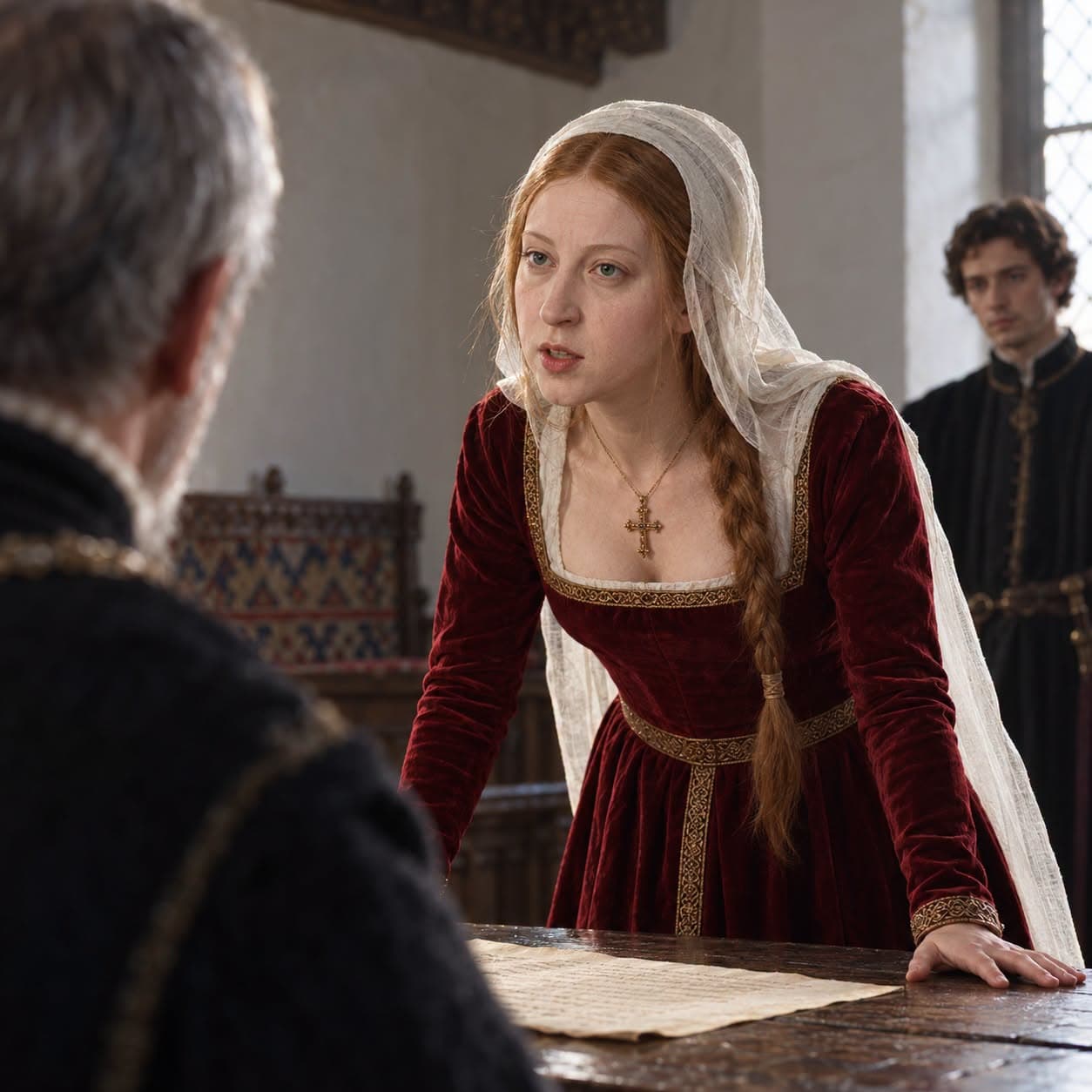
The man she married had commanded the campaign against the man she had lost. Her brothers, Edwin and Morcar, held the earldoms of Mercia and Northumbria, and the marriage linked their family to Harold's. The former opponents were now relatives. A marriage could make that arrangement respectable; it could not make it permanent.
By the time Harold became king in January 1066, his sister Edith had spent twenty years as Edward the Confessor's queen. She was the daughter of Earl Godwin of Wessex, educated at Wilton, literate and wealthy, with estates across England. Her marriage had placed her family close to the throne long before Harold occupied it. It had also shown her how quickly that position could be taken away.
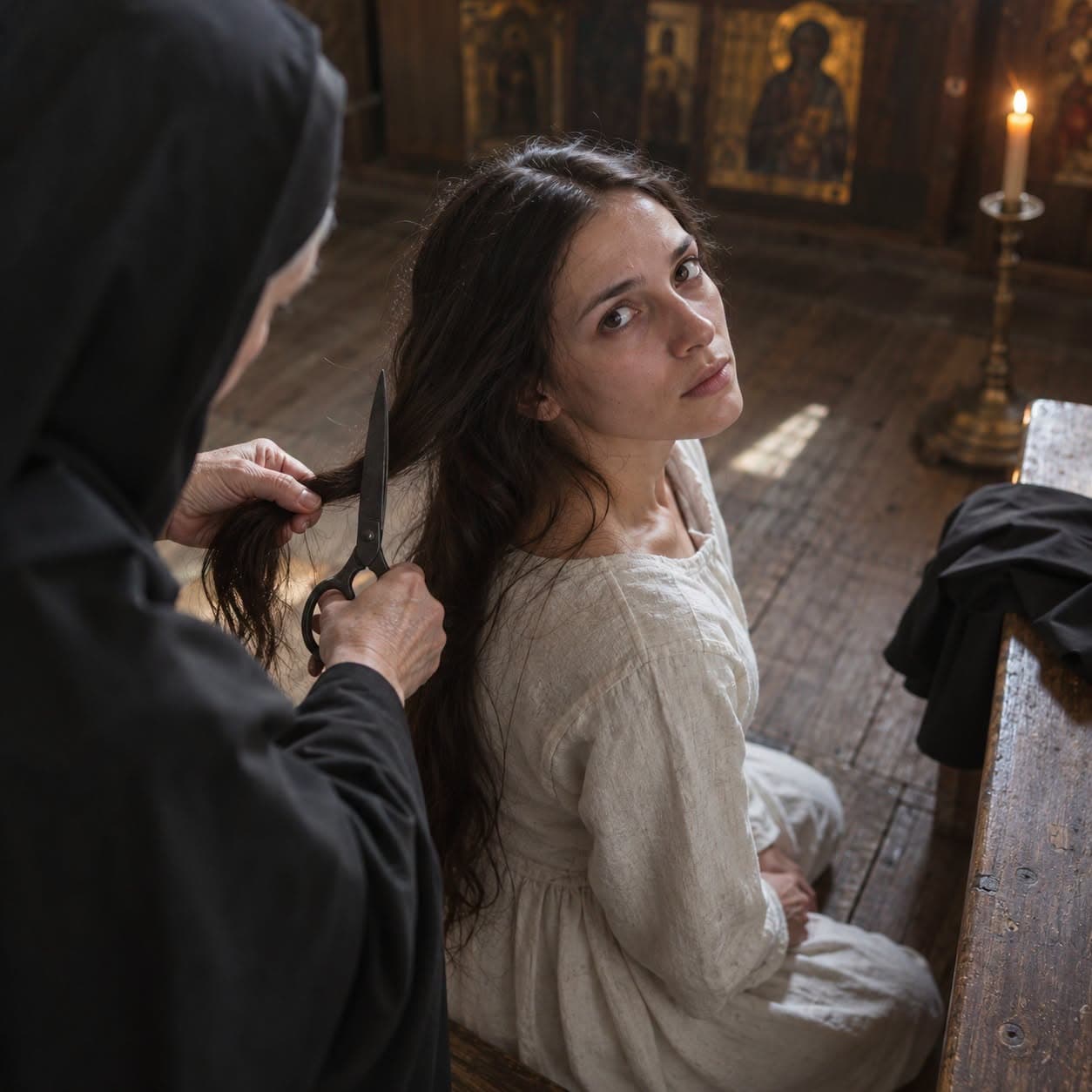
When Edward quarrelled with the Godwins in 1051, Edith's father and brothers fled abroad. She was removed from court and sent to a nunnery. Her family returned the following year, and she returned with them. The king's wife had been treated according to the fortunes of her father and brothers. Being queen had offered her no exemption.
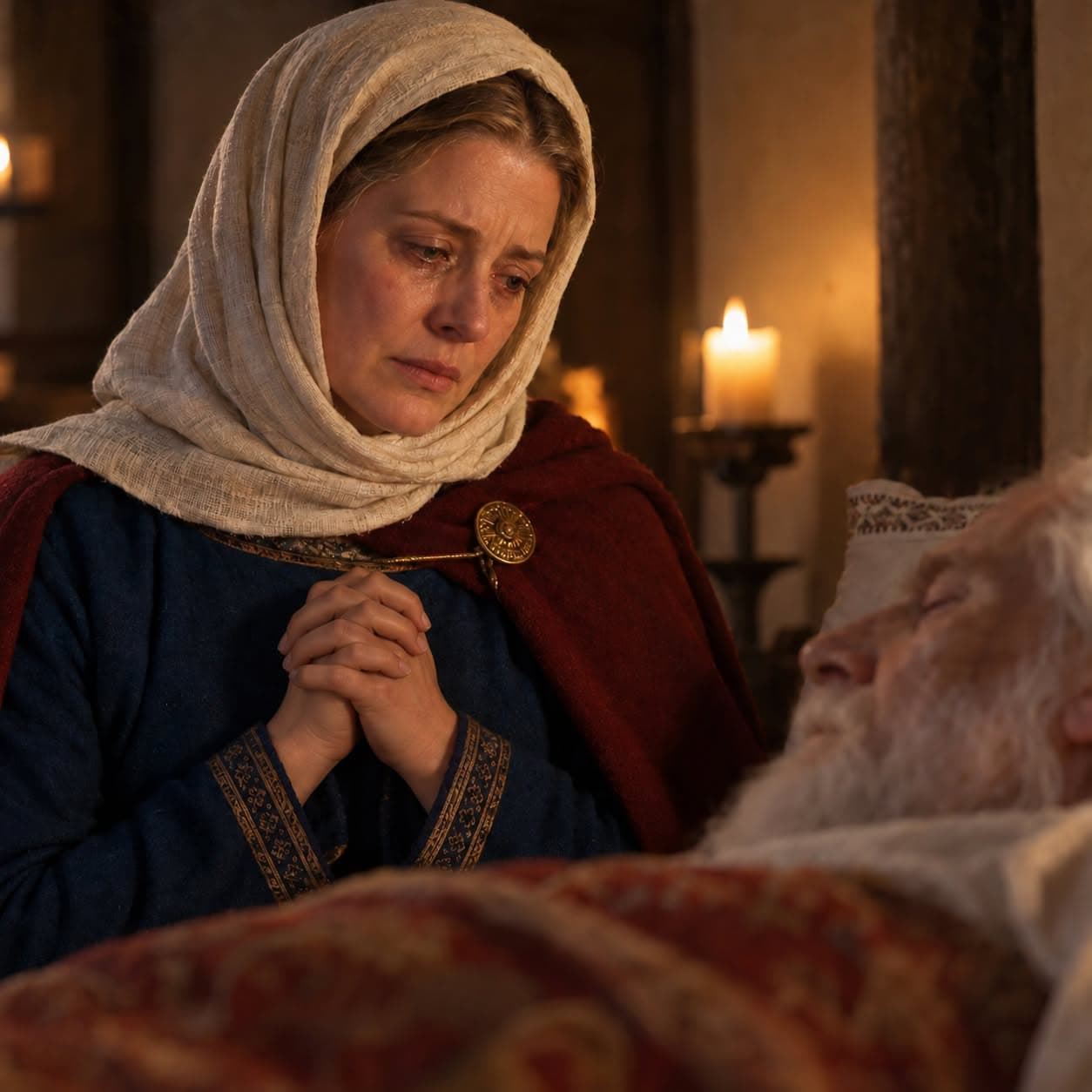
At the beginning of 1066, Edward lay dying at Westminster. Edith sat on the floor beside his bed, warming his feet in her lap. Harold was there too, among the men gathered around the king. After two decades of marriage, her last service to Edward was a small, physical one, performed while the succession waited to be settled around them.
Edward was buried in Westminster Abbey on 6 January. Harold was crowned there that same day. Edith became the widow of one king and the sister of the next. Ealdgyth was, or soon became, the reigning king's wife. Between them, the two women connected the new reign to the royal household it had replaced and to the great northern earldoms it needed to hold.
But Edith's brothers were already divided. Tostig had lost Northumbria after a rebellion against his rule, and Harold had accepted his removal. Morcar, Ealdgyth's brother, held the earldom in his place. The marriage that strengthened Harold's position linked him to the family that had benefited from Tostig's fall.
Tostig returned with Harald Hardrada, King of Norway, to invade England. On 25 September, Harold defeated them at Stamford Bridge. Both Tostig and the Norwegian king were killed. England had been defended, and Edith had lost a brother to an army commanded by another brother. There was no version of that victory in which her family came home intact.
Nineteen days later, Harold faced William in Sussex. This time he died, along with Gyrth and Leofwine, two more of Edith's brothers. The men who had held so much of England between them were gone. Edith had begun the year beside her dying husband. Before October was over, four brothers had followed him.
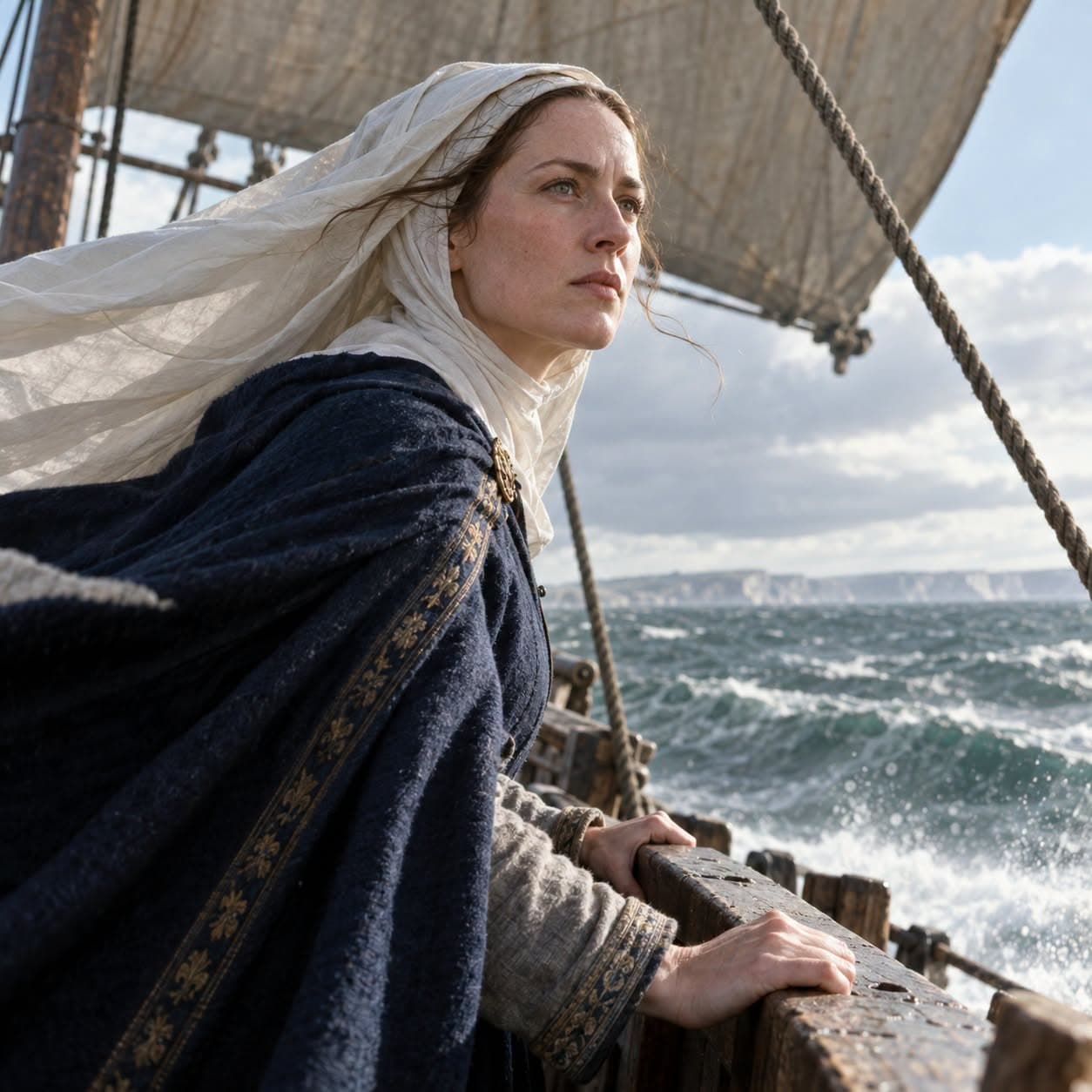
For Ealdgyth, Harold's death left another royal household without its king. Her brothers went to London and sent her to Chester for shelter. The marriage that had helped bind the kingdom together ended with her family moving her out of danger. She had been a ruler's wife in Wales and a king's wife in England. After Chester, her story falls silent.
Edith's did not. She submitted to William and retained extensive estates and income under his rule. The widow of Edward could still hold a recognised place in England, even when the sister of Harold belonged to its defeated royal family. Her position had survived a change of king before. This time there would be no return of her brothers to restore the old household.
She also left something that conquest could not simply confiscate. The book she commissioned about Edward preserved a portrait of her father and brothers alongside the life of her husband. Their family's account survived its loss of power.
She spent her widowhood at Winchester and Wilton, and died at Winchester in December 1075. On William's orders her body was carried to Westminster with great honour and laid beside Edward's, in the abbey where her brother had been crowned. The king who had defeated her brother gave her the burial of a queen.