Catherine's husband helped take the crown from her sister's son. Then he turned against the new king. Their own little boy went into hiding.
On 2 November 1483, Henry Stafford, Duke of Buckingham, was beheaded at Salisbury on the orders of Richard III. He was twenty-eight. It was a Sunday, All Souls' Day. His rebellion had failed, his estates were confiscated, and Catherine Woodville, about twenty-five, was left a widow. The man who had helped Richard become king in the summer was dead before the winter. His wife and children still had to live under the king he had betrayed.
Catherine had been a duchess since childhood. Her parents were Richard Woodville and Jacquetta of Luxembourg, and her elder sister Elizabeth had married Edward IV. That marriage brought the Woodville children into the highest noble families in England. Catherine's husband was the young Duke of Buckingham, a fatherless heir with a great inheritance. Both bride and groom were children. Their marriage joined a family newly connected to the throne to one whose wealth and royal ancestry had been accumulating for generations.
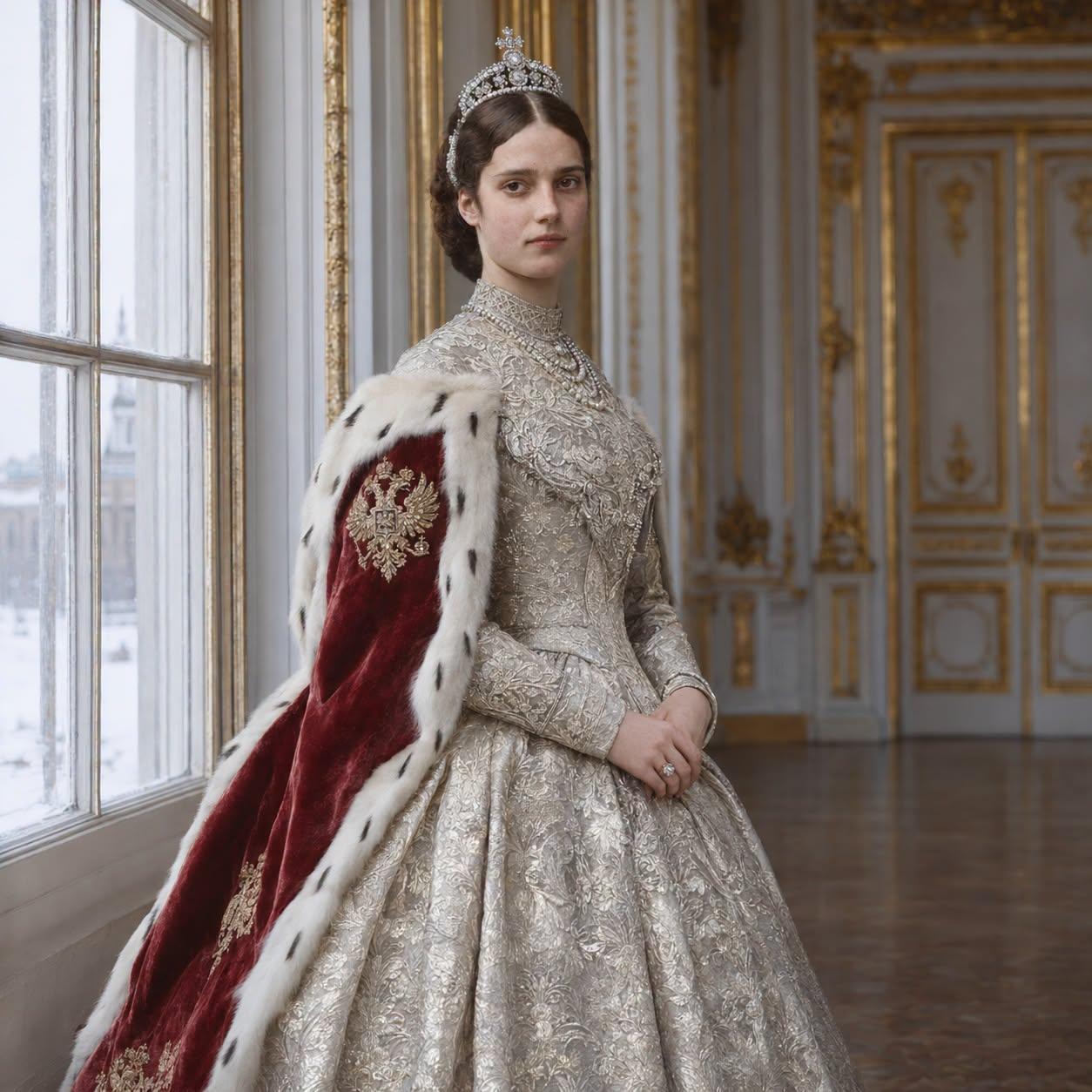
At Elizabeth's coronation in May 1465, Catherine was already named among the duchesses. She was about six or seven; Henry was nine. The little duke and duchess were carried on squires' shoulders. They had places among the greatest people in England, and adults to carry them there.
By 1483, Catherine had young children of her own. Her eldest son, Edward, was five. His younger brother Henry was about four, and there were little daughters. Their cousins were the children of the king. Their aunt was the queen. Buckingham's estates stretched across England and Wales, with a great household at Brecon. There were plenty of powerful relations. That spring, the relations began taking one another prisoner.
Edward IV died in April. His eldest son, the twelve-year-old Edward V, was travelling towards London when Richard, Duke of Gloucester, and Buckingham intercepted his party. Catherine's brother Anthony Woodville, Earl Rivers, was arrested, along with Richard Grey, Elizabeth's son from her first marriage. The young king was brought to London under the control of his two uncles, one by blood and one by marriage. Elizabeth took refuge in sanctuary at Westminster with her other children.
Buckingham did more than stand beside Richard. He spoke publicly in favour of his taking the throne. On 25 June, Rivers and Richard Grey were executed at Pontefract. Catherine had lost a brother and a nephew. In July her husband carried the train at Richard III's coronation. Elizabeth's two royal sons, Edward and his younger brother Richard, were in the Tower. They disappeared from public view.
The new king's most useful supporter was married to their aunt.
By the autumn Buckingham had changed sides. He joined the rising against Richard, with Henry Tudor, an exile in Brittany, as a prospective replacement. The rebellion reached across southern England and into Wales, but Buckingham's own forces failed to break through. Flooded rivers obstructed their movement; his men dispersed. He fled, was captured and brought to Salisbury. His request to speak to Richard was refused. The king who had accepted his service in July ordered his death in November.
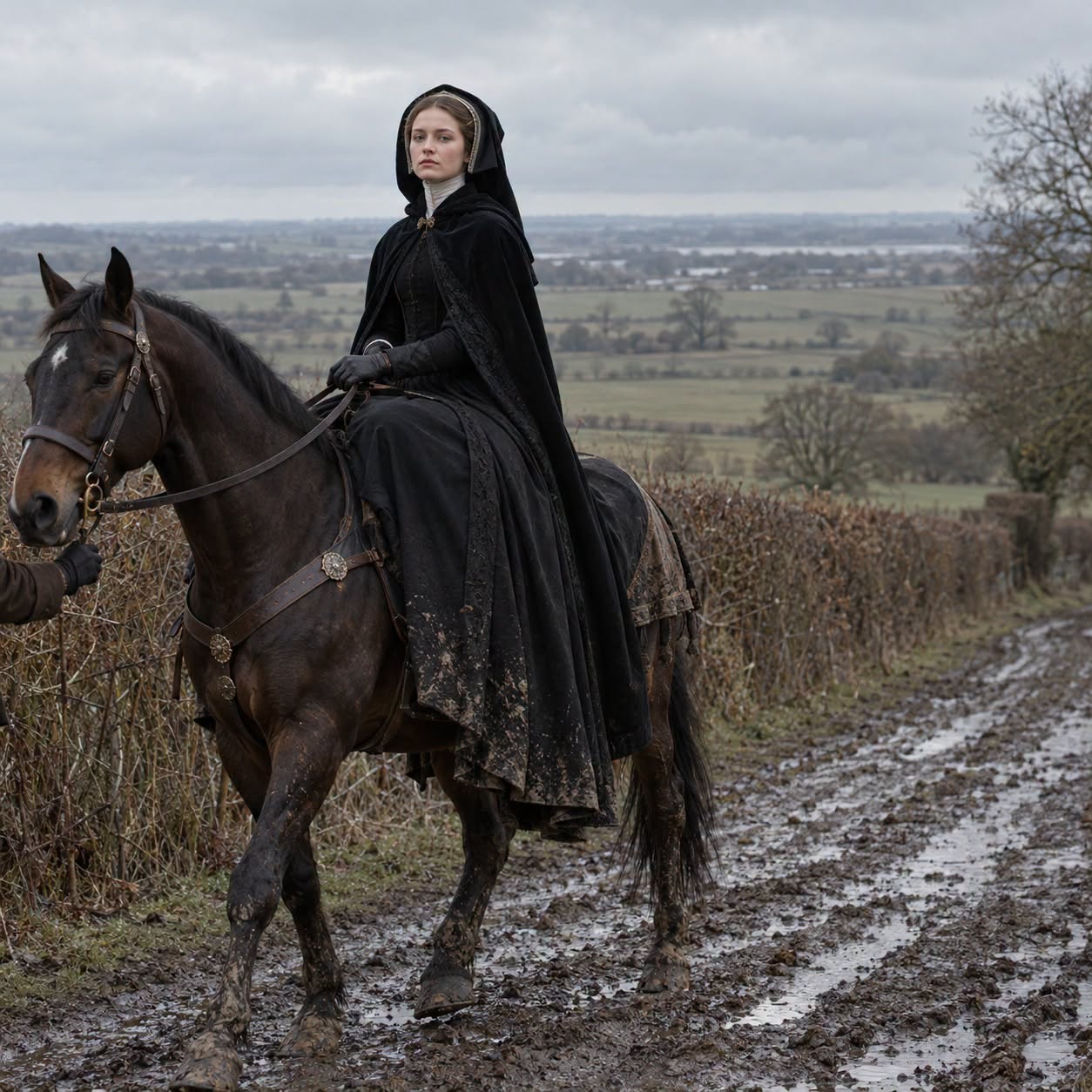
Catherine's household had already broken apart. According to an account written down years later, during the rising she and Buckingham had gone with their sons to Weobley in Herefordshire, leaving their daughters at Brecon. The Vaughans of Tretower seized and plundered Brecon Castle, and the girls and their attendants were taken to Tretower, the Vaughans' own house. When the rising collapsed, Buckingham left his heir in the keeping of Sir Richard Delabere and fled. The five-year-old Edward passed into the care of a woman of Delabere's household, Elizabeth Mores.
Elizabeth and those helping her kept him moving between hiding places and dressed him as a little gentlewoman, down to a shaved forehead in the fashion of the day. The duke's son could be carried through the countryside more safely if nobody recognised him as the duke's son. Catherine, the same account says, was found at Weobley and taken to London. Her daughters were at Tretower. Her heir was being hidden in another woman's care.
First her sister's family had been scattered. Now her own was.
Richard later granted Catherine an allowance of two hundred marks a year from the lordship of Tonbridge. It was money to live on, but it was no restoration of the Stafford inheritance. That remained forfeited. The family whose estates had sustained one of England's greatest dukedoms now depended on provision from the king against whom its duke had rebelled. Catherine was still called a duchess. The lands that had once stood behind the title were in other hands.
The reversal came in 1485, when Henry Tudor defeated Richard at Bosworth and became Henry VII. Buckingham's attainder was reversed, and his title and inheritance passed to his son. By early November Catherine had married the new king's uncle, Jasper Tudor, Duke of Bedford. The child who had once been carried through her sister's coronation as Duchess of Buckingham was a duchess again by another marriage. Her first husband had helped displace her nephew from the throne. Her second was the uncle of the king who restored her son's estates.
The little boy who had been hidden in a girl's clothes was Duke of Buckingham.