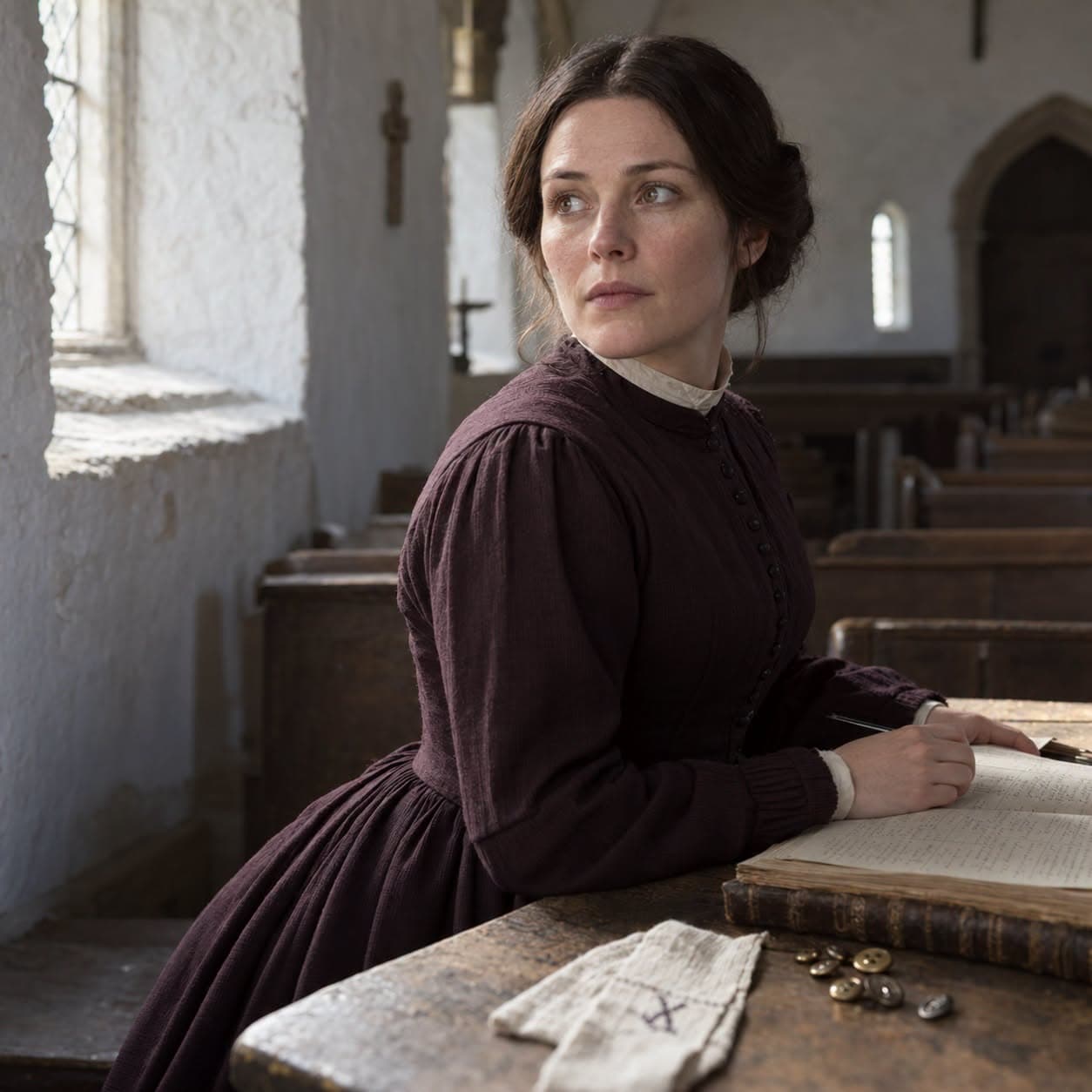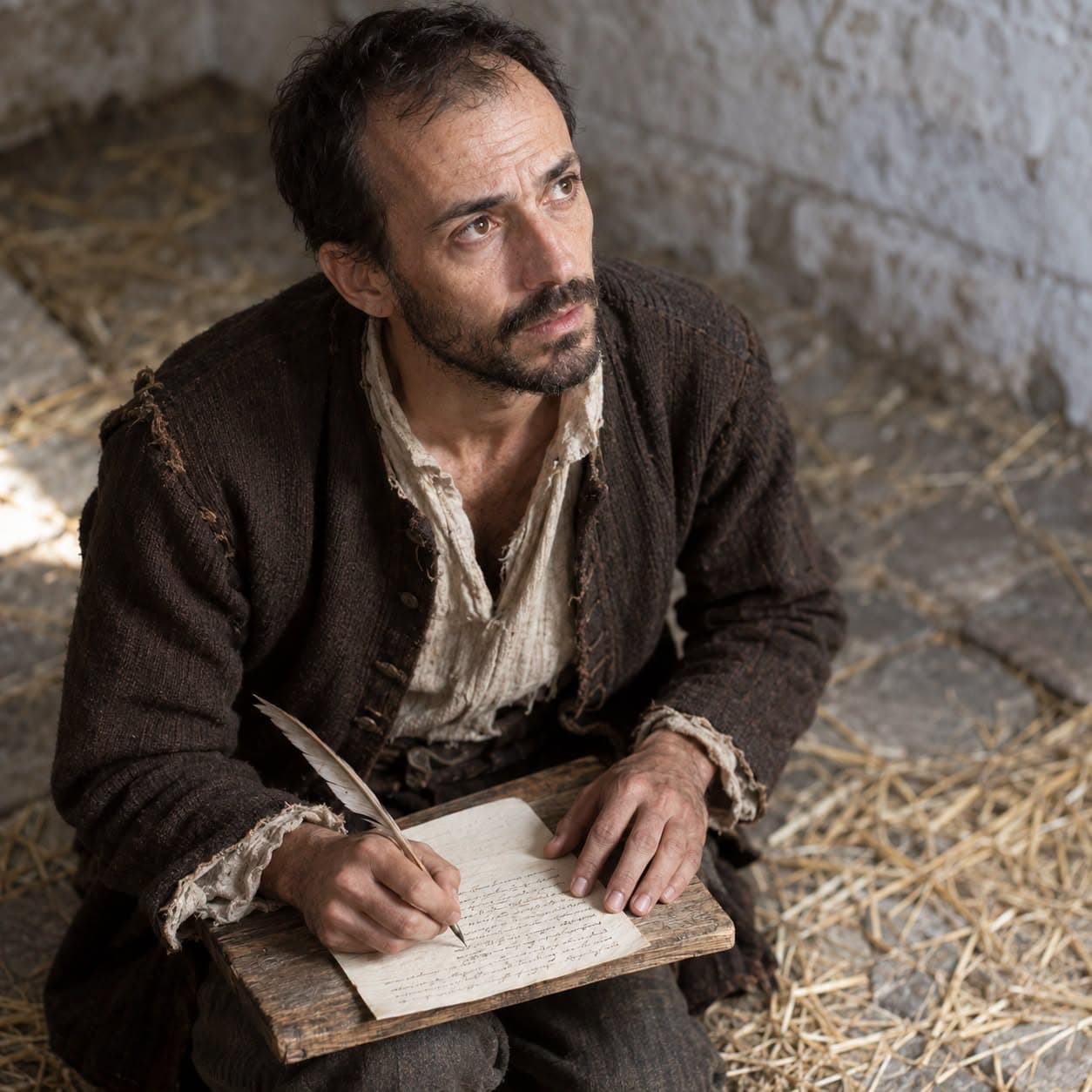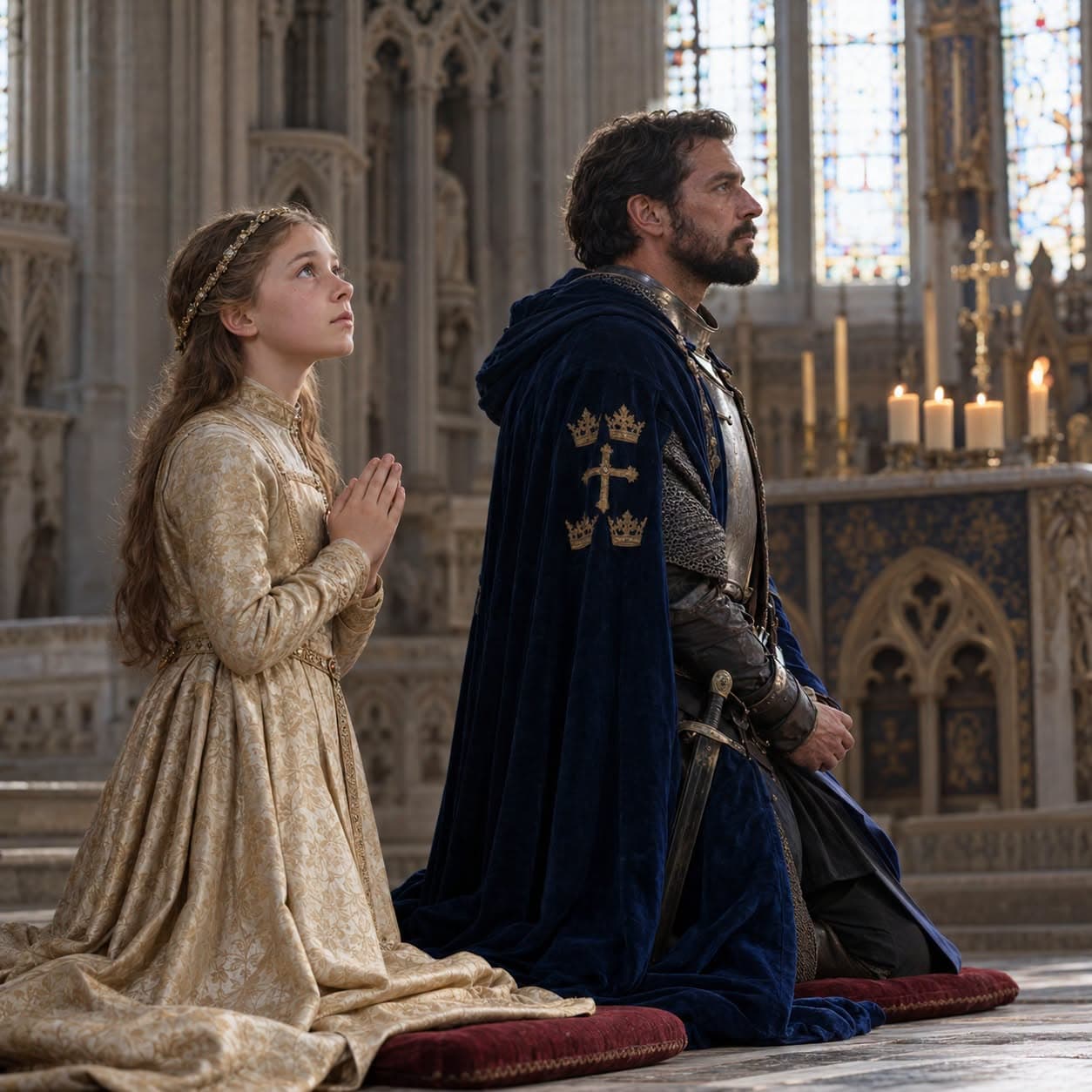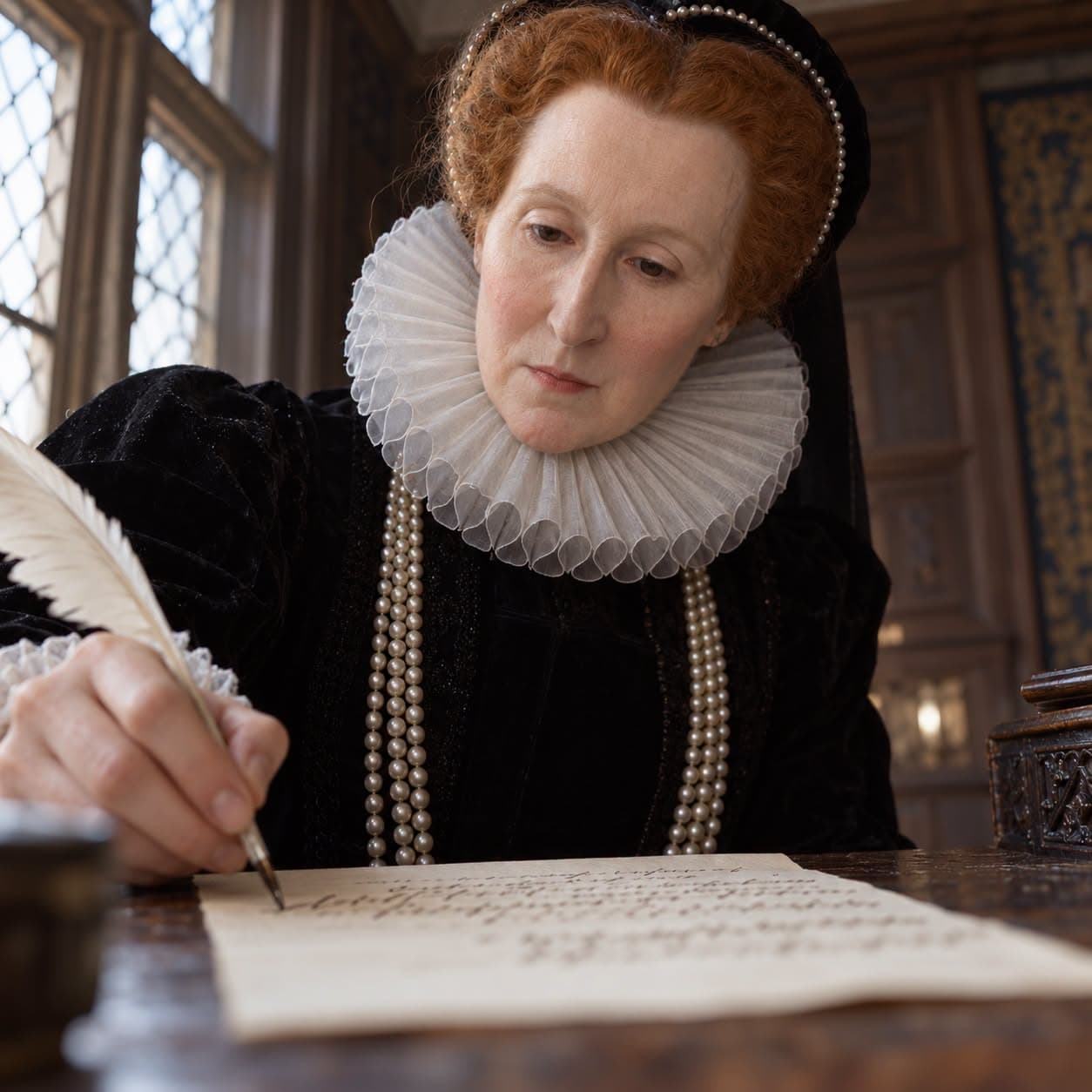
Bess closed her appeal to her husband "your faithful wife most sorrowful", and signed it E. Shrewsbury. She wanted to come home. She also wanted to defend herself. His answer put a price on the first of those wishes.
Her appeal had been written at Highgate earlier that month. His reply to her letters was dated at Sheffield on 23 October 1585, and a copy of it survives. George Talbot, Earl of Shrewsbury, began with the offences she had committed against him, which no good wife would do. She had asked him to name them. He would not give particulars. Her faults, he said, were manifest to the world.
Bess of Hardwick had brought considerable property into this, her fourth marriage. Through her earlier husbands she had acquired estates, court connections and the means to build. With William Cavendish she had bought Chatsworth and begun making it a great house. William St Loe had left her most of his property. She was already wealthy when she married Shrewsbury, one of the richest men in England. Neither had entered the marriage empty-handed.
They had joined their children as well as themselves. Her daughter Mary married his son Gilbert; her son Henry married his daughter Grace. The arrangements bound the two families together so closely that a quarrel between husband and wife could hardly remain between husband and wife. Gilbert was Bess's stepson and her son-in-law. Supporting his wife's mother could mean offending his own father. The marriages intended to secure the family's future had supplied it with several competing versions of duty.
Then there was Mary, Queen of Scots. Shrewsbury's long custody of the Scottish queen put an expensive royal household inside their domestic life. Money, houses and family loyalties became subjects of increasingly bitter dispute. In 1584 Bess left Chatsworth under threat from her husband's men and returned to Hardwick, the family home she had bought back the previous year.
In October 1585 she was still seeking a way back into the marriage. At the start of the month she appealed to Lord Burghley, Elizabeth I's lord treasurer. The queen had assured her that the matter would soon be heard and settled. Bess complained that it was still being put off, and that her husband would never let her come to him at any of his other houses. Royal intervention had produced assurances. It had yet to produce a household they could share.
Her appeal to Shrewsbury himself returned to the practical arrangements of their parting. He had cited the smallness of his house, she reminded him, the lack of carriage for her belongings, the shortage of beds for her women and grooms. She had believed his promise that she would be back with him within a month. Instead, she said, he had withdrawn the allowance he gave her when she was with him and taken a great part of their income. These extremities, she warned, would force her children to sell all they had to maintain her.
She asked him not to condemn her for "standing in my own defence". In the same letter she asked that they might live together as they ought. Defending herself and remaining his wife were claims she made together.
His answer treated the combination with suspicion. There could be no wife, he wrote, more forgetful of her duty or less careful to please her husband. He accused her of an insatiable greed and said her fair words, however beautiful they appeared, were mixed with a hidden poison. Then he came to what her letters had left out. They said nothing about letting him have the disposal of her income. If she was to live with him, he would have that too. "The one without the other," he wrote, "I will never have."
There were terms for coming home.
The family did not stop trying to settle them. Her children took her part, and Mary and Gilbert pressed her case at court. In the spring of 1587 the queen imposed a reconciliation. For a short time the couple shared a roof again. Then Shrewsbury left her at Wingfield and seldom returned.
By October she was writing to Burghley again. Her husband, she reported, had come to Wingfield no more than three times since she arrived, staying no longer than a day on each occasion. He had allowed her beef, mutton and corn for her household, but had now sent word that he would allow no more. She was not even to have sufficient fire. The woman with estates and a countess's title was still asking a royal minister to ensure that her household could be fed and warmed.
She still asked to live with her husband.
At Hardwick, meanwhile, she had begun in 1587 the great remodelling of her family home into what is now the Old Hall. Its upper rooms were made for entertaining, with tall windows looking across the surrounding country. This was no modest retirement from the world. Bess was building accommodation suited to the rank she continued to hold.
Shrewsbury died in November 1590, leaving her a widow for the fourth time and with the resources for a still greater project. Beside the unfinished Old Hall she built another house, working with Robert Smythson. The two buildings developed together. The older one was not simply discarded when the new one rose beside it.
The new Hardwick Hall had vast windows, a great hall running through its centre, and six towers crowned with countess's coronets. Beneath those coronets were the letters ES, for Elizabeth Shrewsbury. It was the name she had signed beneath an appeal to be taken back as a wife. At Hardwick it stood above the house, repeated in stone.