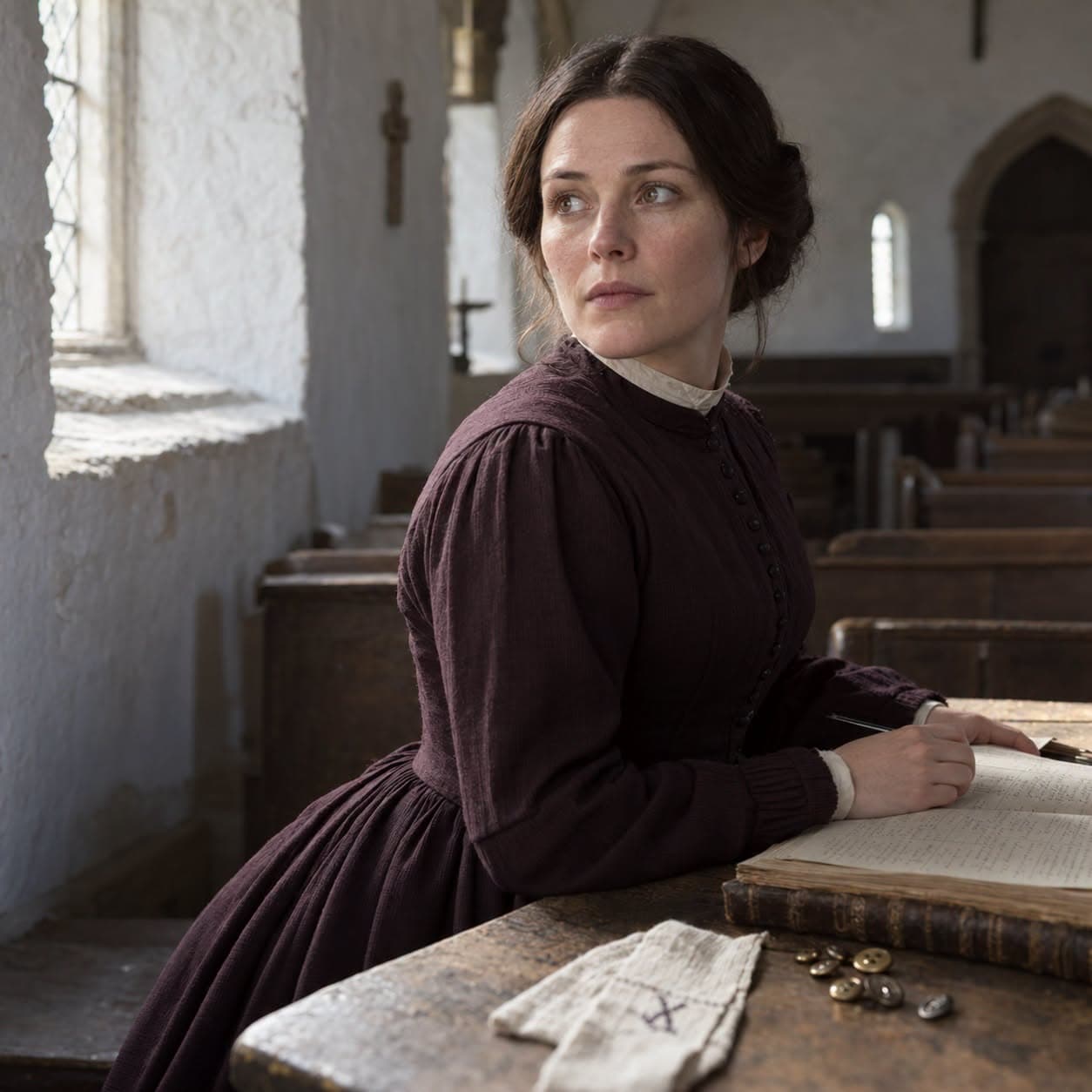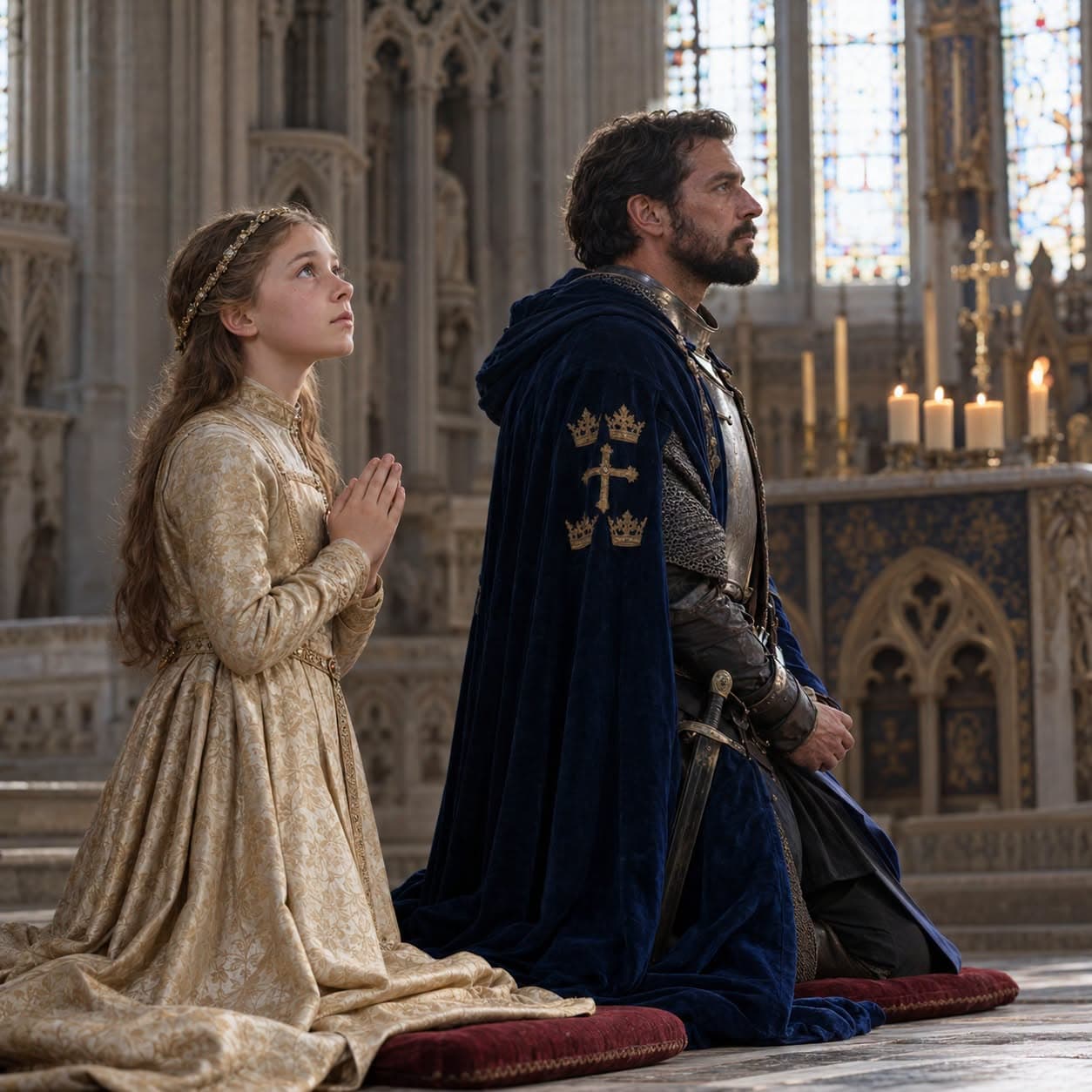
Anne was fourteen and already married. The sea kept sending her back. Her husband blamed witchcraft.
On 22 October 1589, James VI sailed from Leith to meet Anne of Denmark in Norway. Storms had interrupted her journey to her new kingdom, and the company travelling with her had decided that another attempt would have to wait until spring. She was Queen of Scots already. Getting her to Scotland was proving considerably harder than marrying her to its king.
Anne was the daughter of Frederick II of Denmark and his wife Sophie of Mecklenburg. She spent much of her early childhood with her grandparents in Mecklenburg before returning to the ceremonies and entertainments of the Danish court. Her tutors taught her to write in Danish and German, and she learned French too. Daughters of royal houses in that part of Europe were raised to cross borders, and for the marriage awaiting her another language was a practical necessity.
The first wedding had taken place in Denmark that August, with the Earl Marischal standing in for James. Such arrangements allowed a royal marriage to be completed while the bridegroom remained in his own country. They could settle the relationship between two courts. They could not settle the weather between them.
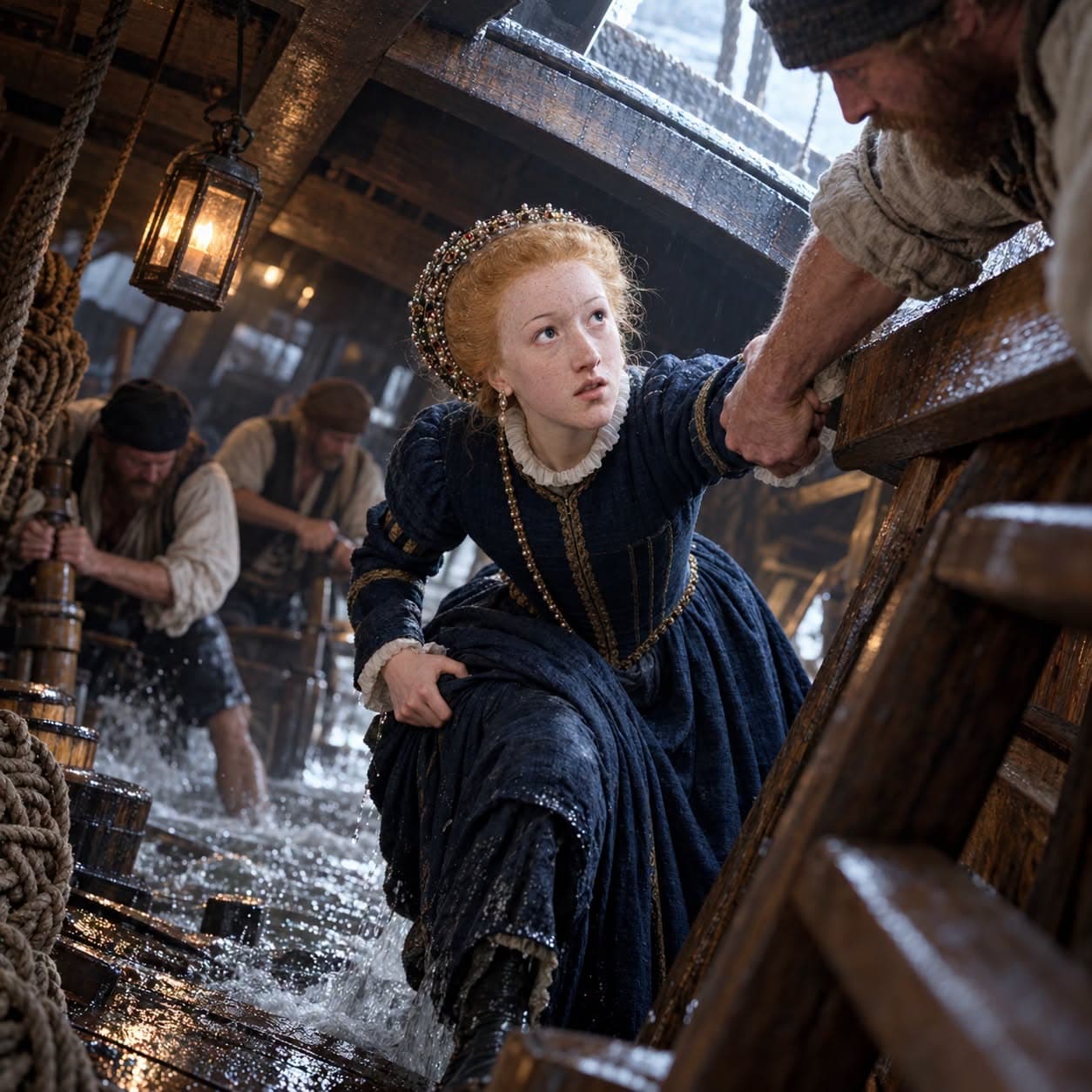
In September Anne set out aboard the Gideon. The fleet ran into storms, and her ship began to leak. There were attempts to continue, returns to shelter on the Norwegian coast, and discussions among the men responsible for bringing her safely across. Peder Munk, who commanded the fleet, would later blame the official who had fitted it out. The bride at the centre of all this was fourteen throughout.
Across the water, Scotland was preparing to receive her. Velvet had been bought for saddles, with gold and silver trimmings and fringes. Pages and lackeys were being dressed for her arrival. Instructions laid out the order of her reception at Leith, the speeches, the procession, the decorations and the bonfires. There was a proper place in the welcome for almost everyone, including the queen, who was in Norway.
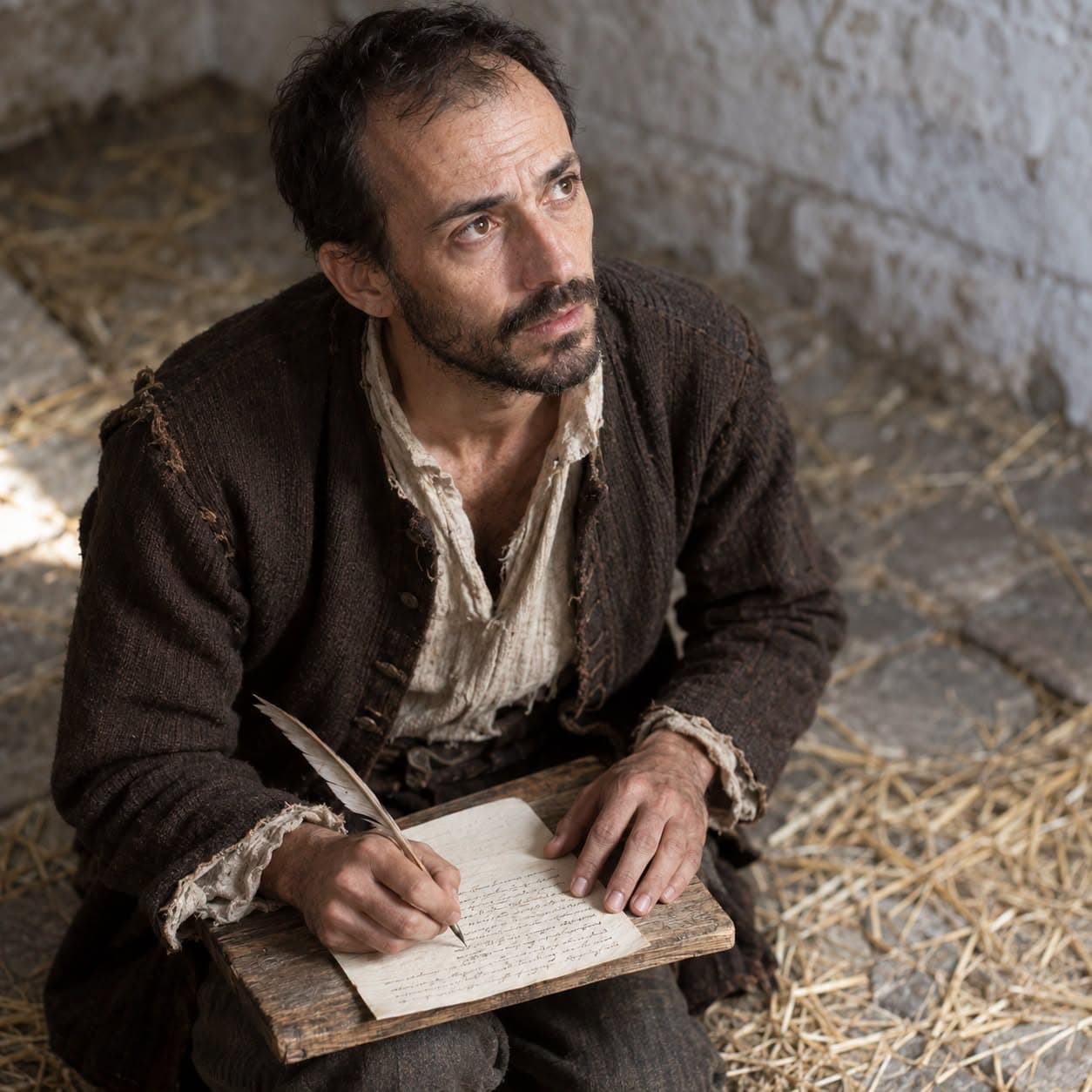
Anne sent James a letter in French. They had put out to sea four or five times, she explained, only to be forced back. There were contrary winds and other difficulties, with greater dangers ahead. The company had resolved to make no further attempt for the present and to defer the voyage until spring. She expressed regret, and reported the displeasure of the Scots travelling with her. It was a courteous letter, but its practical meaning was plain. They had tried. They could not safely go on.
James received the news in October and decided to cross himself. He made arrangements for governing Scotland in his absence and sailed with a company of around three hundred. A king could arrange who would run his country while he was gone. He still had to take his chance with the same sea that had turned his wife back.
His own passage was troubled by storms. On 19 November he reached Oslo, and four days later they were married in person in the hall of the old bishop's palace. David Lindsay, the minister who had accompanied James, conducted the ceremony in French. The language in which she had explained why she could not come was now the language of their wedding.
They did not immediately attempt another crossing. They went on to the Danish court and spent the winter in Scandinavia. Anne had set out to join her husband in his country; instead, he was spending the winter in hers. When the couple finally arrived at Leith on 1 May 1590, she was fifteen.
The marriage journey was over. The search for people to blame was not.
In Copenhagen in 1590, women were prosecuted for witchcraft against the royal fleet. Peder Munk took an active part in bringing the cases to court. Ane Koldings was tortured and confessed to using witchcraft to prevent Anne from reaching Scotland on the first attempt. She named other women. That summer she was burned.
The dangerous crossing now had a different explanation, and that explanation supplied defendants. A leaking ship had first raised a question about how the fleet had been fitted out. In court it became a question about women.
In Scotland, the North Berwick prosecutions brought another woman before Anne's husband. Agnes Sampson was a healer, known locally as the Wise Wife of Keith. People had sought her help with wounds, sickness and childbirth. In 1590 she was arrested, tortured and questioned before James and his council at Holyroodhouse. Her confessions became part of an alleged conspiracy to destroy the royal couple through storms. The king who had crossed the sea to meet his bride was now helping to investigate women accused of commanding it.
Sampson was executed in January 1591. By then Anne had been crowned and had spent nine months in Scotland, but her interrupted arrival remained part of the case against the accused. In her letter, the fourteen-year-old bride had described four or five attempts to sail and the decision to stop. In Copenhagen, a woman had been made to confess that she had prevented that same journey.