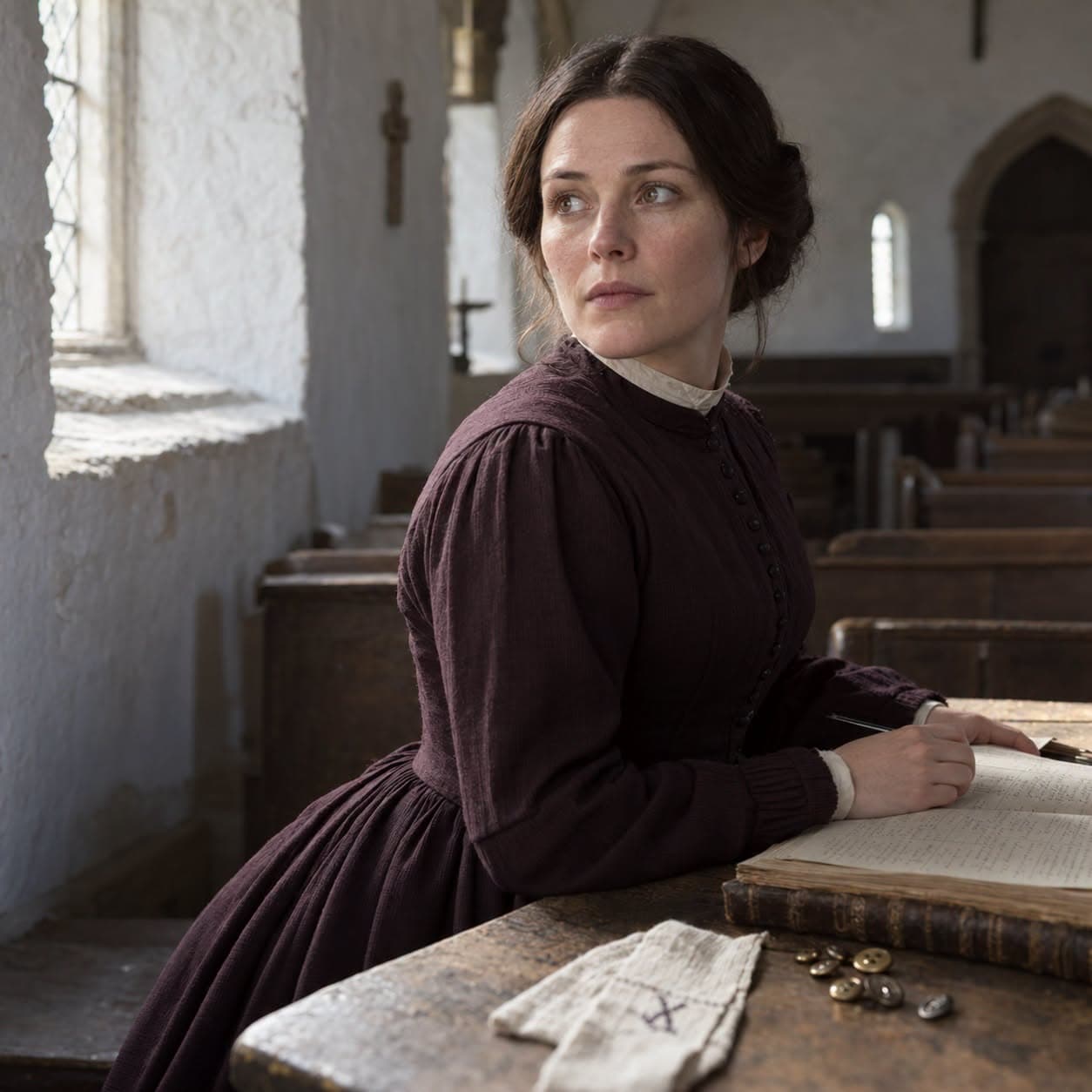
She was about twenty-four when the war in France made her a widow for the second time.
On 24 October 1428, English troops took the Tourelles, the stronghold guarding the southern end of the bridge across the Loire at Orléans. Their commander was Thomas Montagu, Earl of Salisbury. His wife was Alice Chaucer, granddaughter of the poet. The English had secured an approach to the city. Their commander would not live to see the siege through.
Alice came from Ewelme in Oxfordshire. She was the only child of Thomas Chaucer and Maud Burghersh, and the heiress to their estates. Her grandfather's name would outlast almost everyone else's in the family, but her father's position mattered more immediately to a marriage settlement. Thomas had connections at the royal court. His daughter was a valuable match while she was still too young to make one for herself.
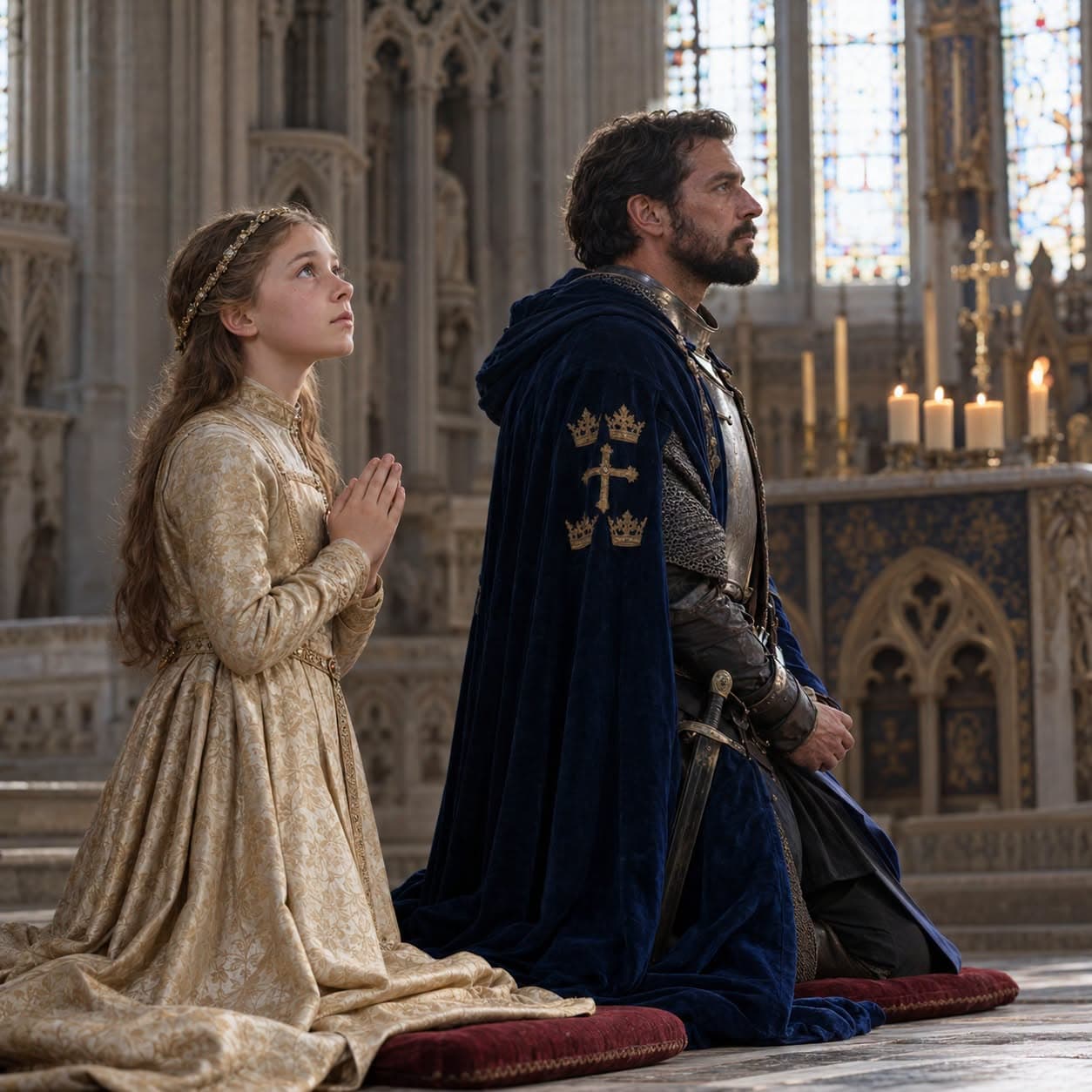
Her first husband, Sir John Phelip, was a close companion of Henry V. They were married while Alice was a child, and before leaving for the French campaign of 1415 he made provision for her in his will. She was to have a covered gold cup, a gold basin, and the furnishings of a hall and chamber. There was a household laid out for her in those bequests, down to the things that would fill its rooms.
Phelip contracted dysentery at Harfleur and died on 2 October. Alice was about eleven. The arrangements made for a knight's wife had become the arrangements for a child's widowhood.
Thirteen years later, it happened again.
By then she was Countess of Salisbury, married to one of England's leading commanders in France. She and Salisbury had no children together. His daughter from his first marriage was also called Alice, a distinction that would become important when his estates were divided. Alice Chaucer was his wife. Alice Montagu was his heiress.
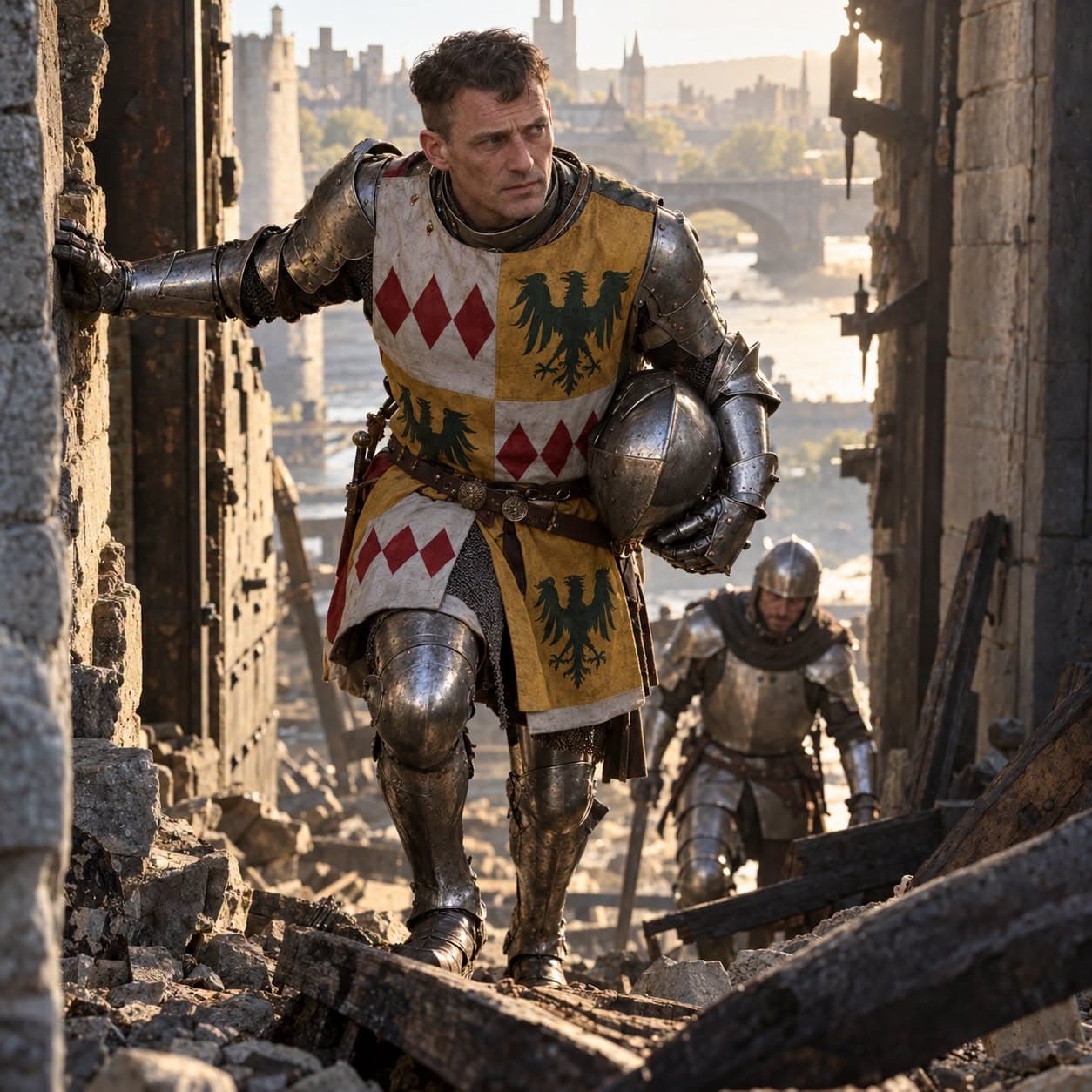
At Orléans, Salisbury's men had been battering the defences at the southern end of the bridge. The French had already abandoned the outer earthwork, which had been undermined and could no longer be held, before the Tourelles themselves fell. Arches of the bridge had been broken on both sides, leaving a gap between the captured towers and the city. Taking the towers had given the English a foothold on the crossing. It had not given them Orléans.
That evening Salisbury went into the captured towers and stood at a window overlooking the city. With him was William Glasdale, one of his captains. From there he could examine the place his army had come to conquer, with the river and the broken bridge between them. A cannon shot from the French side struck the window, and the debris hit him in the face. The view of the city had also exposed him to its guns.
The wound was fatal. He was carried to Meung-sur-Loire and died there soon afterwards, while the siege continued under other commanders. Alice was a widow again, still only in her twenties.
There were now two Alices with claims on the property he had left. His daughter, married to Richard Neville, inherited most of the Montagu and Monthermer family lands. His widow held nine manors for life under her jointure, the settlement that secured property for her after her husband's death. Those manors would eventually pass to her stepdaughter's line. For Alice Chaucer's lifetime, they were hers to hold.
The distinction mattered. A countess's title could not feed a household. Land could. Alice's marriage had ended, but the provision made through it continued, giving her resources that did not depend on finding another husband. The child once left a gold basin and chamber furnishings was now a woman with a substantial landed income. Widowhood had come twice; its terms had changed.
At Orléans, the English kept their hold on the Tourelles through the winter. Then Joan of Arc entered the city on 29 April 1429. On 7 May, French forces took back the stronghold where Salisbury had received his fatal wound. The following day the English abandoned the siege. The position won in October had been lost, and the city beyond it remained French.
Alice's next marriage carried a connection to that same failed siege. In 1430 she married William de la Pole, Earl of Suffolk, who had succeeded Salisbury in command at Orléans. She would become Duchess of Suffolk, and Ewelme, the place belonging to her own family, would bear the marks of that marriage in its church, almshouses and school. Suffolk was murdered in 1450. She was widowed for a third time.
At St Mary's, Ewelme, her alabaster figure lies on a tomb chest beneath a canopy, wearing a ducal coronet, with angels at her head. Salisbury and Suffolk are remembered in the heraldry around her. The face carved there is an old woman's, made long after the young countess of 1428 had lost her husband at a French bridge.
She had been a widow at about eleven, again at about twenty-four, and once more at about forty-six. When she died in 1475, she was around seventy-one. She was buried at Ewelme, in her own family's church, beside none of her husbands.