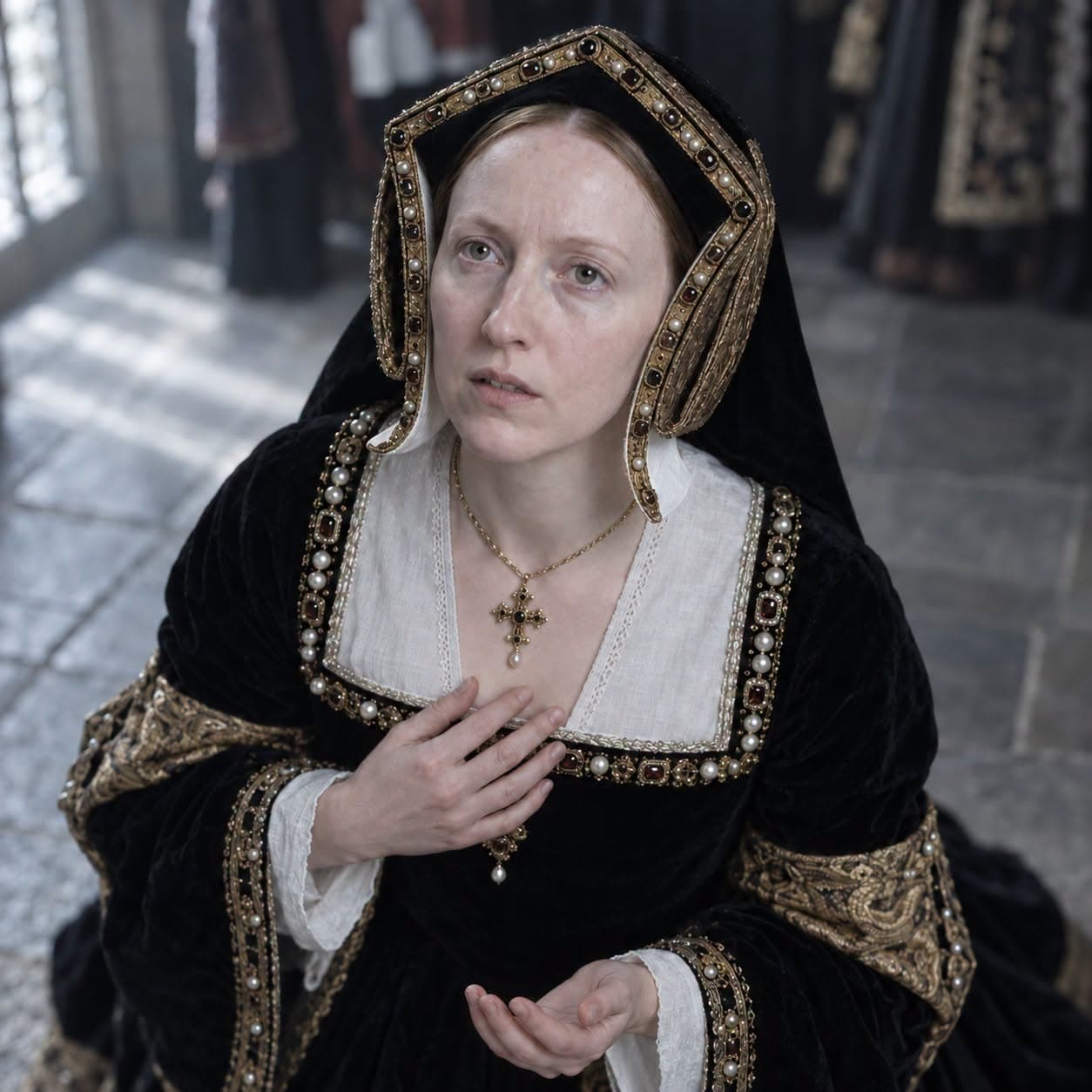
She was acquitted. It did not matter.
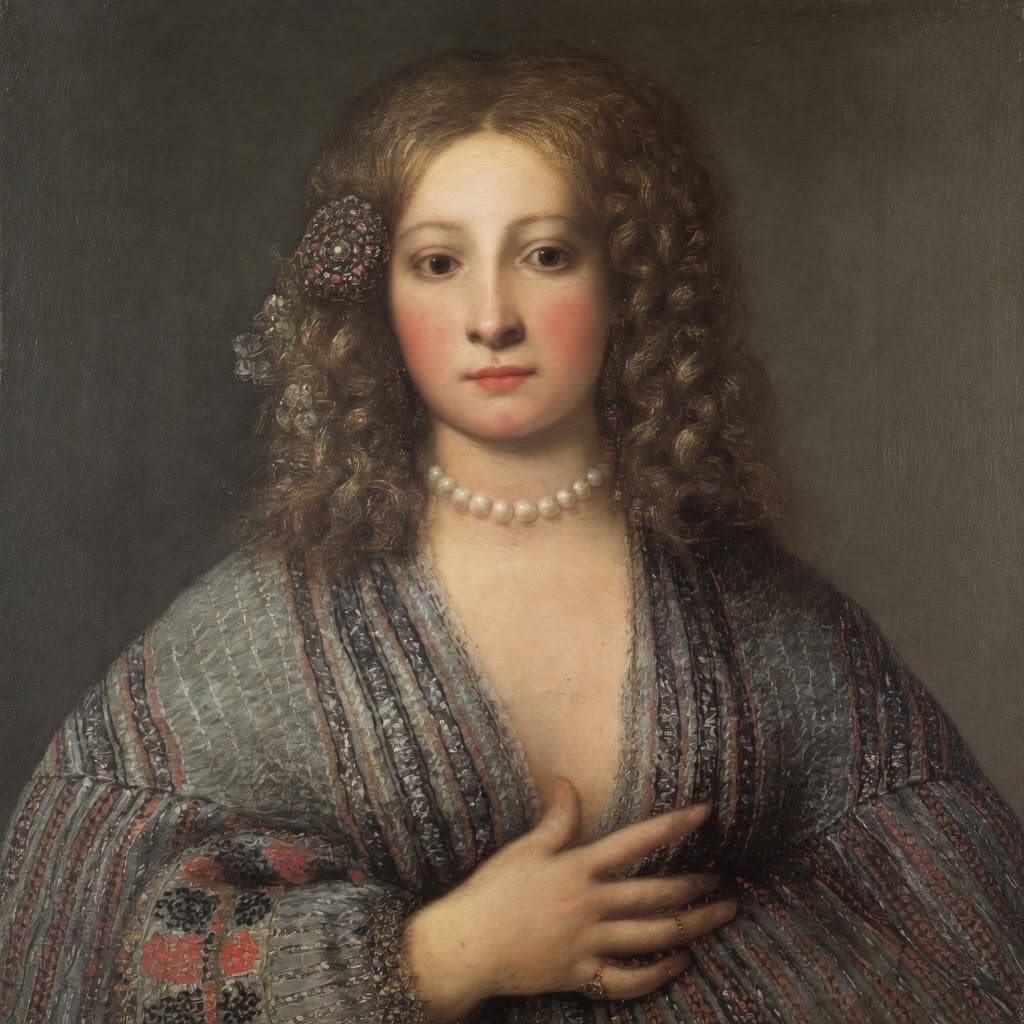
This is the story of Veronica Franco. A poet from Venice. A woman who entertained kings, published books, and built a life of such rare intelligence and influence that the men around her could not bear it.
Veronica was born in Venice in 1546 into a family of the cittadini class, the respectable middle rank that sat below the nobility. She was educated alongside her brothers by private tutors, already unusual for a girl in Renaissance Venice, already a signal of what she would become. She married young, separated quickly, and made a decision that the Venice of her time had a specific category for. She became a cortigiana onesta. An honoured courtesan.
The cortigiane oneste of Renaissance Venice were educated women who moved through the highest levels of society. They attended literary salons. They wrote. They debated philosophy. They received ambassadors and artists and heads of state. They occupied a peculiar social position, outside the respectable world, and therefore paradoxically free from many of its constraints. They could own property. They could publish. They could speak.
Veronica Franco did all of these things and did them better than almost anyone.
She published two collections of poetry. Her Terze Rime of 1575 was read across Italy. She wrote letters that were collected and circulated among scholars. When King Henri III of France visited Venice in 1574, she was among the select group chosen to receive him. When Michel de Montaigne visited Venice in 1580, someone ensured he received a copy of her letters. She was not on the margins of Venetian intellectual life. She was at its centre.
This was the problem.
A male poet named Maffio Venier had decided, sometime in the 1570s, that Veronica Franco needed to be destroyed. His reasons were the reasons men have always had for such campaigns. She was more celebrated than him. She was more read than him. She occupied rooms he felt belonged to him by right. He wrote vicious satirical poems about her, obscene and degrading, designed to strip her of the dignity her work had earned. He circulated them. He worked methodically and over years.
Then, in October 1580, a man named Rodolfo Vannitelli walked into the offices of the Venetian Inquisition and denounced her as a witch and a public whore. The charge was performing heretical incantations. But Vannitelli did not stay with the religious language for long. When pressed on why Veronica Franco specifically, he said the quiet part out loud.
He told the Inquisition that she enjoyed too much support in the city. That she was favoured by many who should hate her.
That was the accusation beneath the accusation. Not witchcraft. Not heresy. Not any crime that could be written into a charge and proven. Simply this: a woman had accumulated too much influence, too many powerful friends, too much space in the world.
He wrote it down. He submitted it as evidence. It is still in the archive.
She was tried. She was tried again. Her patrons intervened. The charges would not hold. The Inquisition acquitted her.
She walked out of the courtroom free.
By then the plague had come to Venice. The city's moral reformers, searching for causes and culprits, had found them among the courtesans. The same women who had moved through the city's highest circles for decades were now its symbols of corruption, its explanation for divine punishment. The mood had turned. The powerful men who had received Veronica in their salons, who had circulated her poetry, who had intervened on her behalf with the Inquisition, reassessed their associations quietly and withdrew.
The acquittal was recorded. The abandonment was not.
She lost her patrons. She lost her income. She lost the position in literary society she had spent thirty years building. She petitioned the city for charity toward the end.
Maffio Venier outlived her. His poems about her survived and were read for centuries. Her own work was largely forgotten until scholars began recovering it in the twentieth century.
Vannitelli's words to the Inquisition are still in the record. She was favoured by many who should hate her. A man said that to justify destroying a woman and nobody in that room told him it was not a reason. Nobody questioned the logic. Nobody asked him to leave.
They acquitted her anyway. They just didn't need to convict her.
Her name was Veronica Franco. A poet from Venice. One of the most celebrated women of her age. The Inquisition tried her twice and failed both times.
It did not matter.
She died in 1591. The parish register recorded her occupation as simply that.
Poor.