The women she named had already been guillotined. Sister Scholastique was waiting for her turn.
On 17 October 1794, five women from the Ursuline community of Valenciennes were executed: Marie-Nathalie Vanot, Laurentine Prin, Marie-Ursule Bourla, Marie-Louise Ducrez and Augustine Desjardins. They had shared a religious life devoted to prayer and the education of girls. In the days after their deaths, one of the sisters still imprisoned wrote to the women who had once given them shelter.
Scholastique named each of the five. Nathalie came first.
Before the Revolution, the community ran the most important girls' school in Valenciennes. Some boarders came from a long way off, but much of the sisters' work was with children whose families could pay nothing. Several hundred poorer girls were taught for free. Young servants and factory workers came for instruction, and the Sunday classes for working women were well attended. The convent belonged to the life of the town through the girls who passed through it.
Their work and their vows were parts of the same commitment. When the mayor questioned the women one by one about whether they wished to remain in religious life, the community answered unanimously that they did. The authorities could cease to recognise their vows in law. That did not release the women from what they believed they had promised God.
In September 1792, with convent life suppressed and war unsettling the frontier, the sisters sought refuge at Mons, in the Austrian Netherlands. The two houses were already connected, because Mons was the community from which Valenciennes had been founded. Leaving meant living on the hospitality of other nuns, but it allowed them to keep their life together.
They had left with municipal permission. That would matter later, though it would not save them.
When Valenciennes came under Austrian control, the sisters came back in 1793. They later said they had returned because the townspeople kept asking for them, and the occupation authorities permitted their religious life to resume. Then French forces recovered the town in August 1794, and the return became an accusation. They were prosecuted as emigrants who had come back and resumed forbidden functions under enemy protection. Permission to leave, followed by permission to return, had brought them within reach of a death sentence.
The first five went before a military commission on 16 October and were guillotined the next day. In prison, the question of how to stay together became a question of how to part. Mother Clotilde, their superior, helped them prepare. A small crucifix was placed among the kneeling women, and Nathalie began the Prayers of the Dying. The others prayed with her through the night.
They were the prayers a community said at a sister's deathbed. This time the dying were saying them over themselves, and the women who would be left behind could only kneel with them.
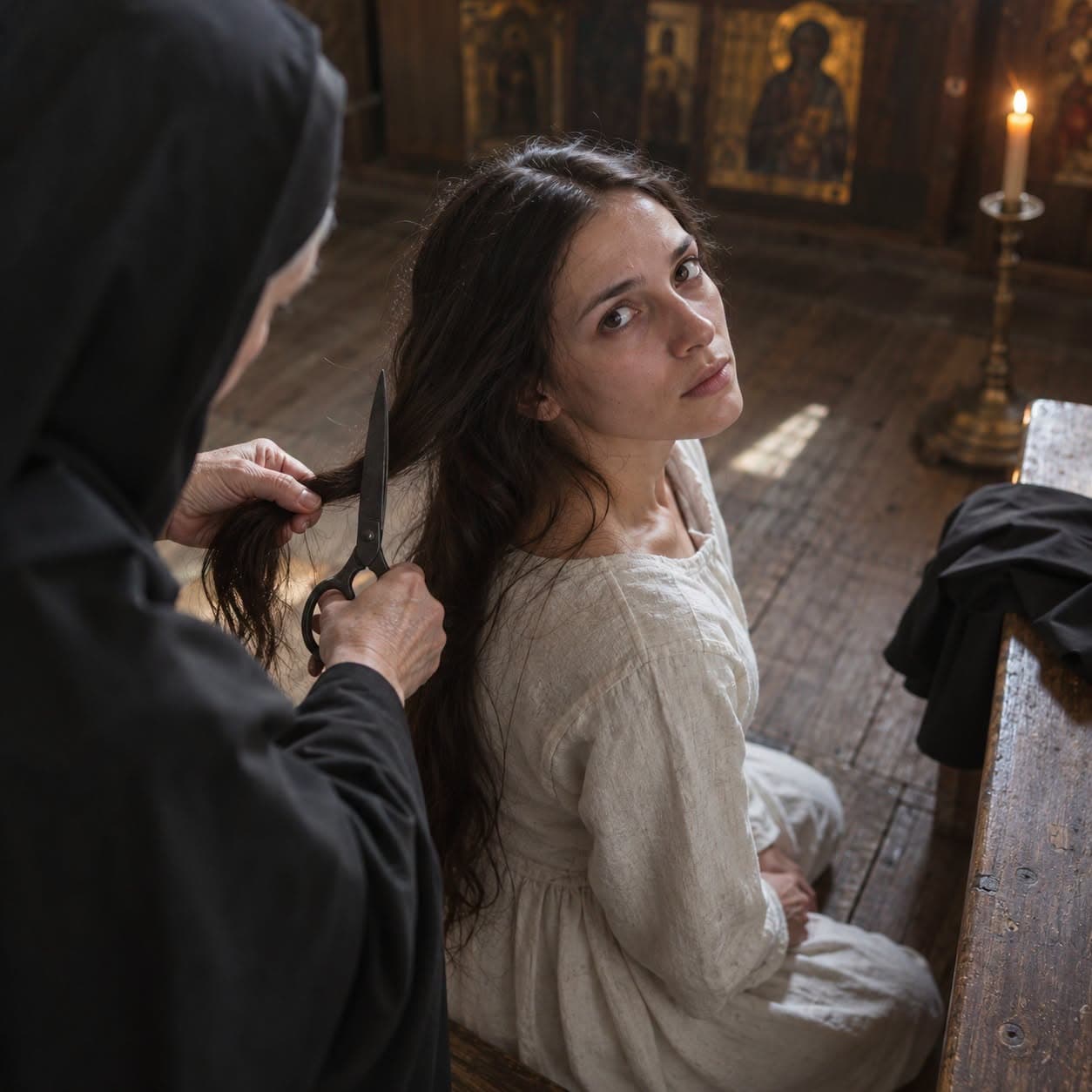
On 17 October the five were taken out with their hands tied behind them. They had never stopped wearing the habit, and they were not allowed to die in it. They went in a petticoat and shirt. Nathalie was called first. Scholastique later wrote that they went up the steps laughing.
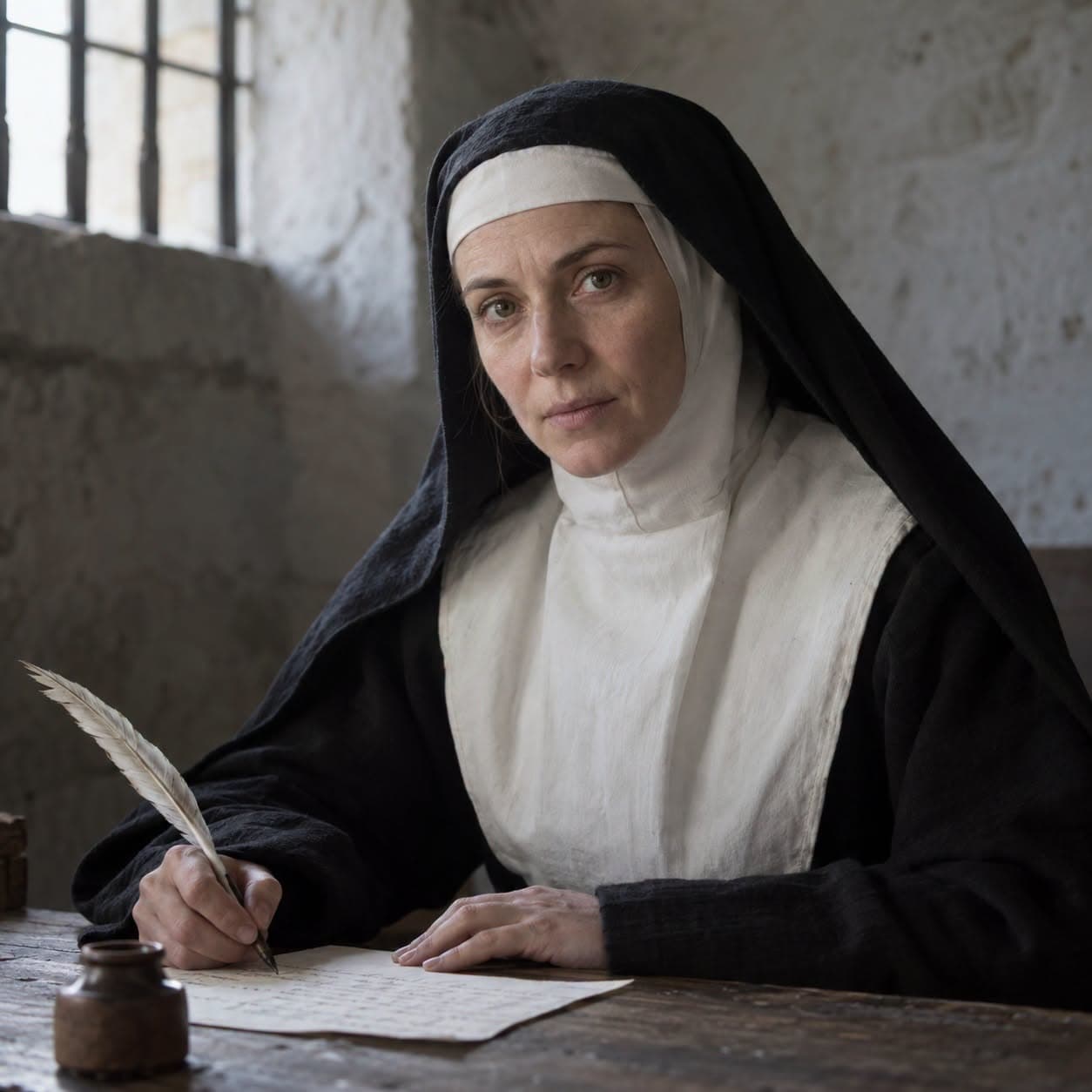
She headed her letter "Vive Jésus" and wrote it to the friends who had taken them in. She called that refuge the crime for which they had been arrested. The women who had sheltered them were now being told what their hospitality had led to. Yet she asked them not to pity her. She called the approaching death martyrdom, a favour she had done nothing to deserve.
She did not pretend the prison was easy. Without grace, she wrote, they would all succumb beneath the weight of their troubles. She expected joy and she reported hardship, and she put both on the same page without apology.
Then she turned to practical news. Some sisters were held elsewhere, and others had not been arrested. With her were Clotilde, her own sister, Sister Cordule and two Brigittine nuns from another house. Even in a farewell there were people to account for and messages to pass on. She asked for prayers, including prayers for those who might survive them, and sent an embrace with all her heart.
She expected the letter to arrive after her death, and she wrote it anyway. On 23 October, six days after Nathalie and her four companions, Scholastique was guillotined with five other women. The community at Mons kept a copy of her letter. It still holds all five names, with Nathalie's first.