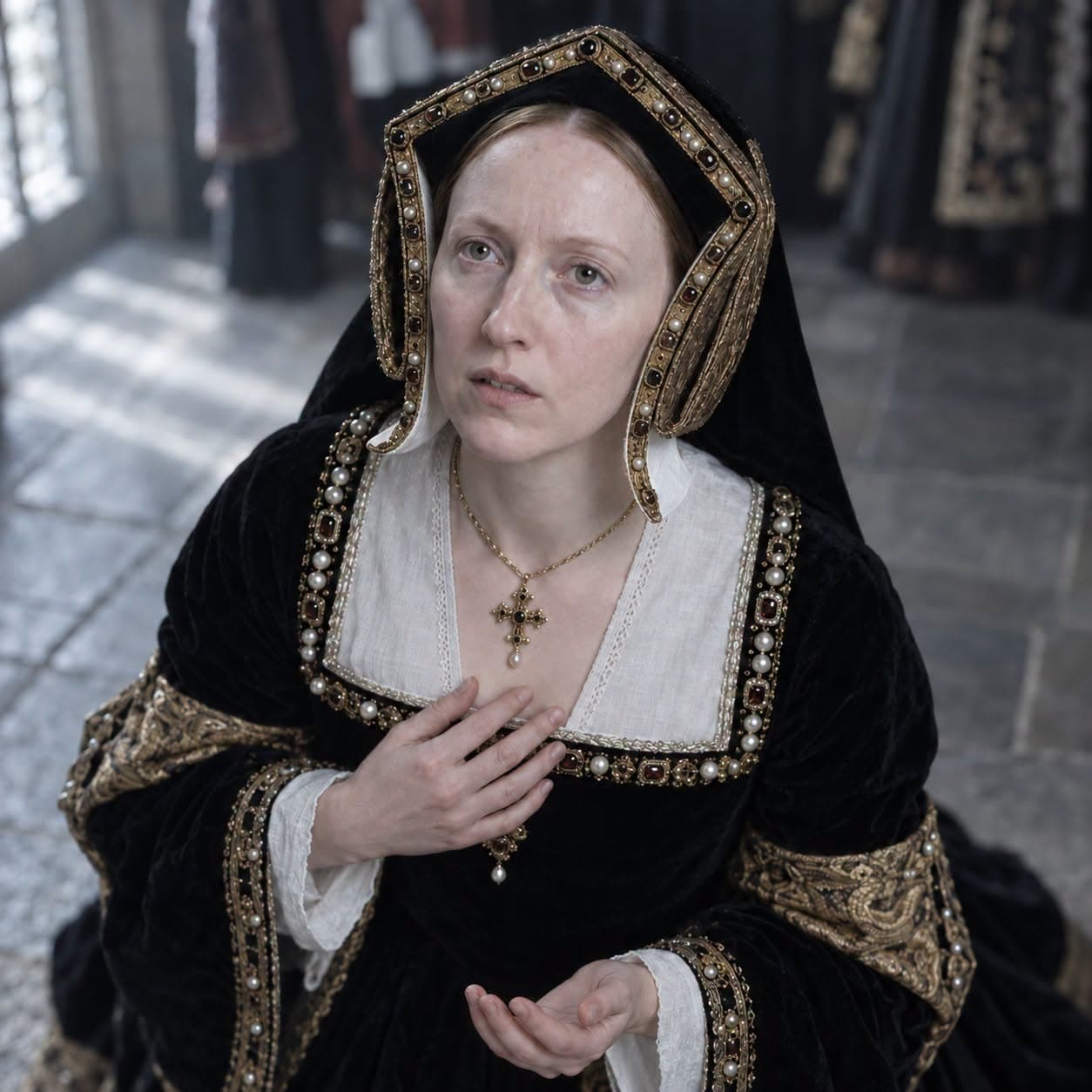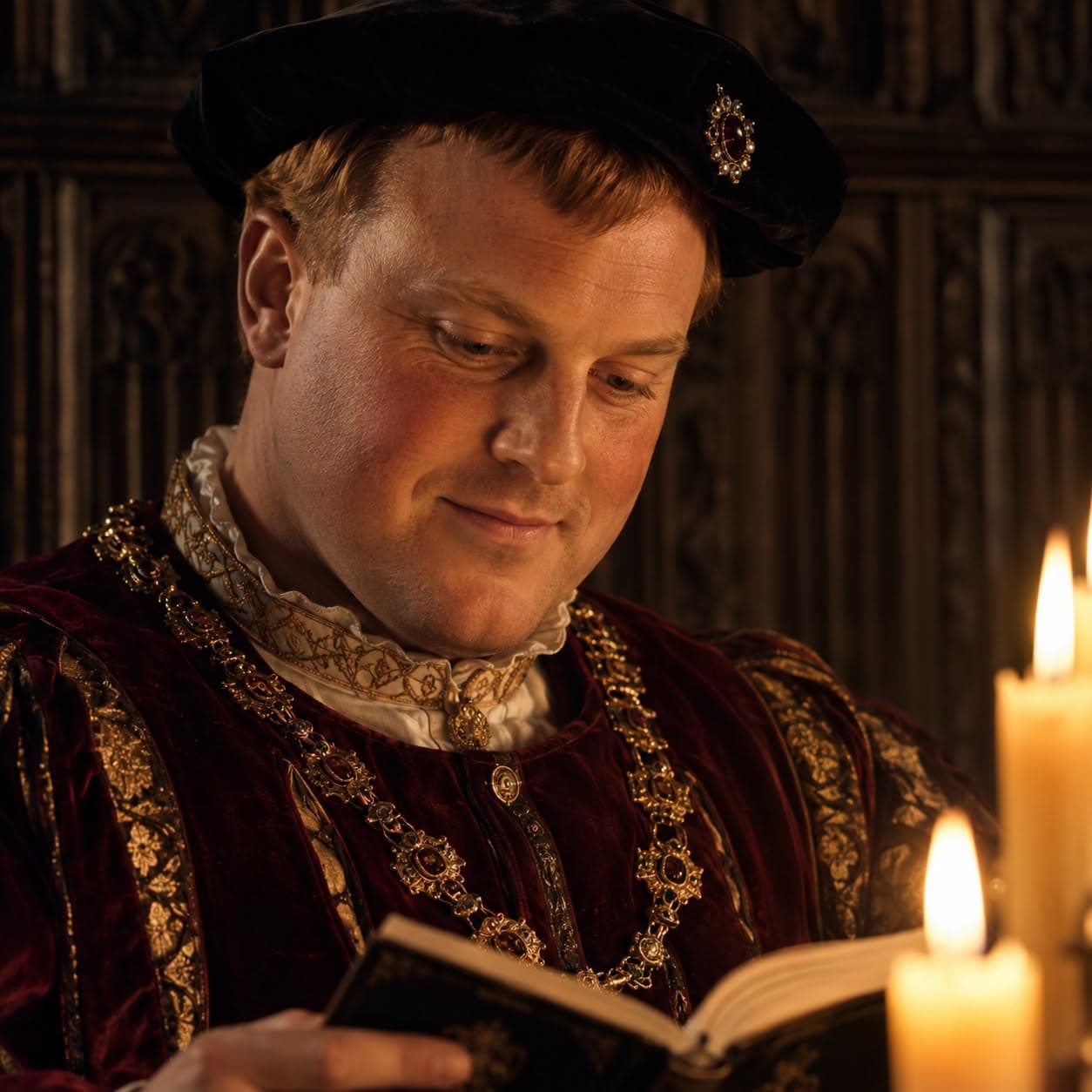

He sent his niece to the block in 1536. He sent another niece to the block in 1542. He survived both. Thomas Howard always did.
Thomas Howard was born on 3 August 1473 at Stoke by Nayland in Suffolk, the eldest son of Thomas Howard, Earl of Surrey, and Elizabeth Tilney, and he was born into a family that had been navigating the specific violence of English political life for long enough to understand that the first requirement of power was not its acquisition but its maintenance.
The Howards were Norfolk men, ancient in title, conservative in religion, ruthless in method, and sufficiently experienced in the reversals of fortune that attend great families in unstable kingdoms to have developed a working philosophy about survival: stay useful, stay present, and never confuse loyalty to a person with loyalty to a position. The distinction would serve Thomas Howard for seven decades. It would not always serve the people around him.
He fought at Flodden in 1513, his father commanded the English forces that destroyed the Scottish army and killed James IV, and it was the greatest military victory of Henry VIII's reign and it was won entirely while Henry was in France fighting a different war. Howard Senior was given his dukedom for it in 1514. the title passed to Thomas Junior ten years later when he was fifty years old, the premier non-royal duke in England, and he had earned it on a battlefield rather than in a bedchamber, which was a rarer distinction at that court than it should have been.
He took his place on the king's council and kept it, through Wolsey's ascendancy and Wolsey's fall, through the rise of the Boleyns and the fall of the Boleyns, through Cromwell's long dominance and Cromwell's destruction, through the entire convulsive middle passage of Henry's reign, without once becoming expendable. He was not liked. He was not required to be liked. He was required to be there, and he always was.
His niece Anne Boleyn became Henry's queen in 1533. Howard had worked toward this outcome with the careful patience of a man who understood that a Howard queen meant Howard influence at the centre of everything, which was where the Howards had always believed they belonged. When Anne was arrested in May 1536 on charges of adultery and treason, Howard presided over her trial. He sentenced her to death. Whether he believed the charges — which no serious historian now accepts as true — is a question the sources do not answer and Howard never addressed. What the sources show is that he wept during the sentencing, and then signed the warrant, and then was back at his duties before the week was out. The weeping may have been genuine. The signature was certainly necessary. Howard understood, with the clarity of a man who had seen what happened to people who hesitated at the wrong moment, that there are situations in which grief and pragmatism must occupy the same morning.
He was at the council table through the entire reign of Anne of Cleves, through the manoeuvrings that produced Henry's fifth marriage, and he was present when his own great-niece Katherine Howard who was a girl of perhaps sixteen or seventeen from his own household, placed at court in circumstances that Howard had arranged and overseen. She became Henry's queen in 1540.
When Katherine was arrested in November 1541, accused of the same crimes for which Anne Boleyn had died, Howard wrote to the king immediately. The letter survives. In it he expressed horror at his family's behaviour, distanced himself completely from his great-niece, and offered his own loyalty to the king as evidence that the girl's disgrace was nothing to do with him. Katherine was executed in February 1542. Howard kept his seat on the council.
He came closest to the block in 1546, when his son Henry Howard, Earl of Surrey, was arrested for quartering the royal arms with his own coat, which was the kind of heraldic gesture that in the climate of Henry's final years could be read as a claim to the regency of the young prince who was about to become Edward VI. Surrey was executed in January 1547. Howard was attainted and sentenced to death. Henry VIII died on 28 January 1547, the night before Howard's execution was scheduled.
He remained in the Tower through the reign of Edward VI and was released when Mary came to the throne in 1553. He was eighty years old. He attended her coronation. He died in his bed in August 1554 at Kenninghall, Norfolk, at approximately eighty-one years of age, having outlived Henry VIII, the two nieces he had helped destroy, his son, Cromwell, Wolsey, and almost everyone else who had ever sat at the council table with him.
History has never quite settled on what to make of Thomas Howard, which is perhaps the most accurate verdict available. He was not a monster and he was not a hero and he was not a man who confused the two.
He was the thing that Tudor England most reliably produced and most consistently forgot to account for: someone who understood that the court was not a place where good men survived, and made his arrangements accordingly.