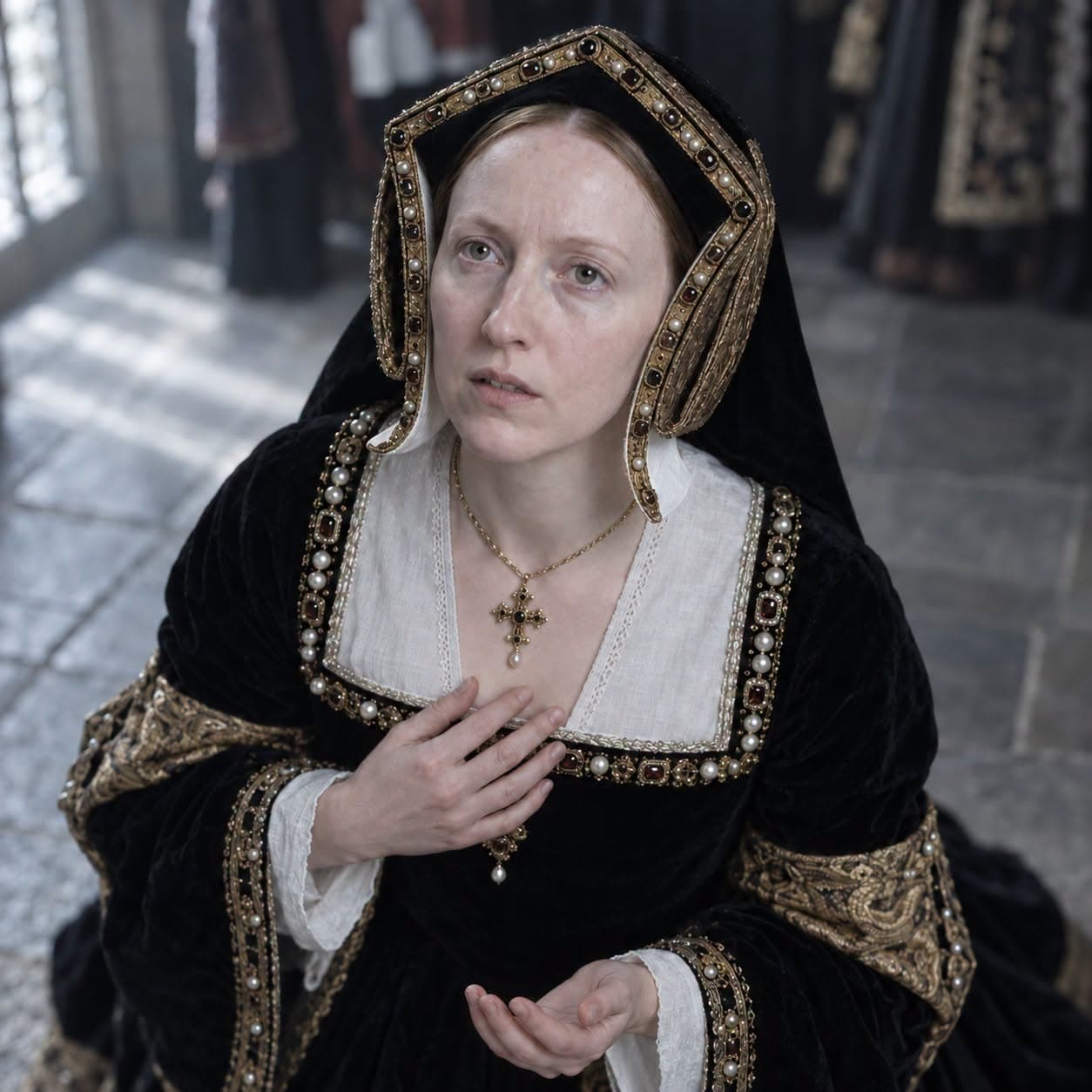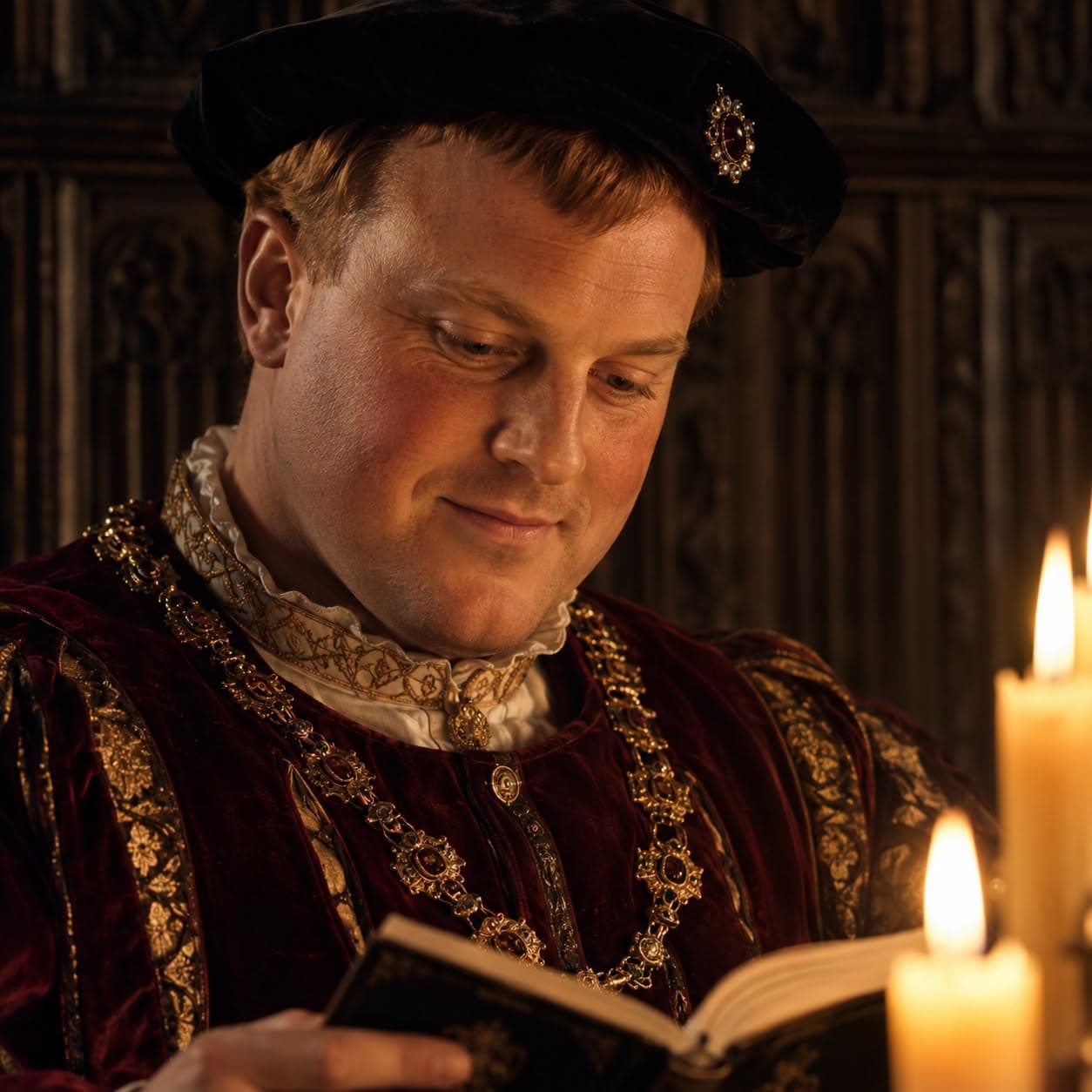
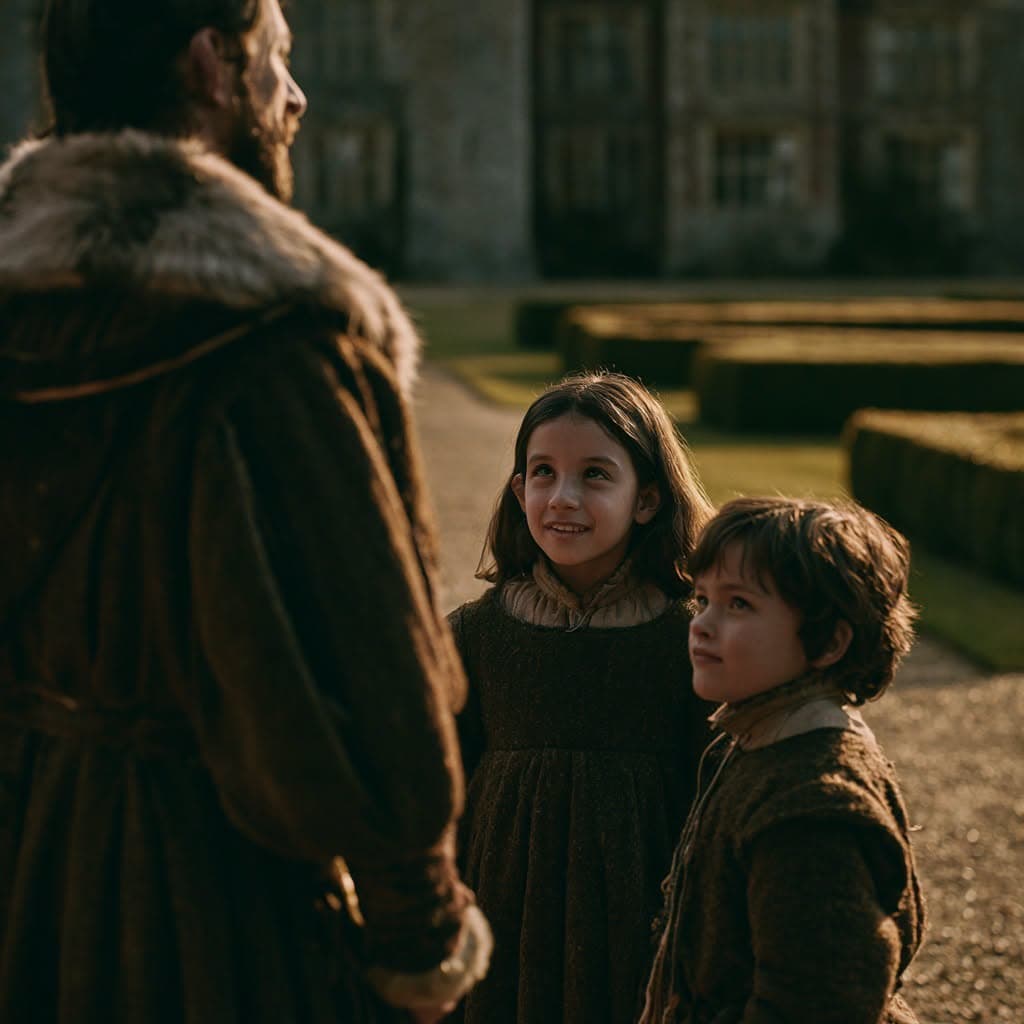
His son was executed on Tower Hill. His daughter was executed two days later. She had been queen. On the twenty-ninth of June 1536 the king's men came for the seal.
Thomas Boleyn had not built his position at court through accident. He had spent decades as a diplomat and privy councillor, and had used his children's proximity to Henry VIII with the same deliberate intelligence he applied to everything else. Anne's relationship with the king had made him Lord Privy Seal in 1530. George's favour at court had extended the family's reach further. He was one of the most powerful men in England and he knew exactly how he had got there.
In May 1536, before Anne and George had been tried, Thomas sat on the jury at the trials of Henry Norris, William Brereton, Francis Weston, and Mark Smeaton, the men accused of adultery with his daughter. He condemned them while Anne was still alive and while her own fate remained formally undecided. He was not placed on the juries that tried Anne and George directly; that requirement was not put to him. But he sat in judgement on the men accused of sleeping with her before he knew whether she would live or die. He made no documented protest. He performed the role that was required of him and the record shows nothing else.
On the twenty-ninth of June, six weeks after Anne's execution and George's death on Tower Hill, the Lord Privy Seal was stripped from him. Three days later it was given to Thomas Cromwell. The man who had built the legal architecture that destroyed his family received the office Thomas Boleyn had held for six years. That is the documented sequence.
He did not vanish. He attended the christening of Prince Edward in October 1537. By 1538 there were reports circulating that he might marry Henry's niece Margaret Douglas. He lent Cromwell his Garter chain and badge. The man who had built the case against his family wore his insignia around his neck for the occasion. Thomas Boleyn, who had watched the destruction of two of his children without leaving a word of dissent in the record, found ways to remain part of the court that had destroyed them.
His wife Elizabeth died in April 1538. He died at Hever in March 1539, three years after Anne and George, in the same castle where his daughter had grown up. The record contains his service, his jury verdict, his Garter chain on Cromwell's neck, and his burial at Hever. It does not contain much of anything else.