She was five years old when the Swedish parliament decided who she would marry. The boy chosen for her was five as well. Both families objected. Decades later, someone shot the boy at a masquerade ball.
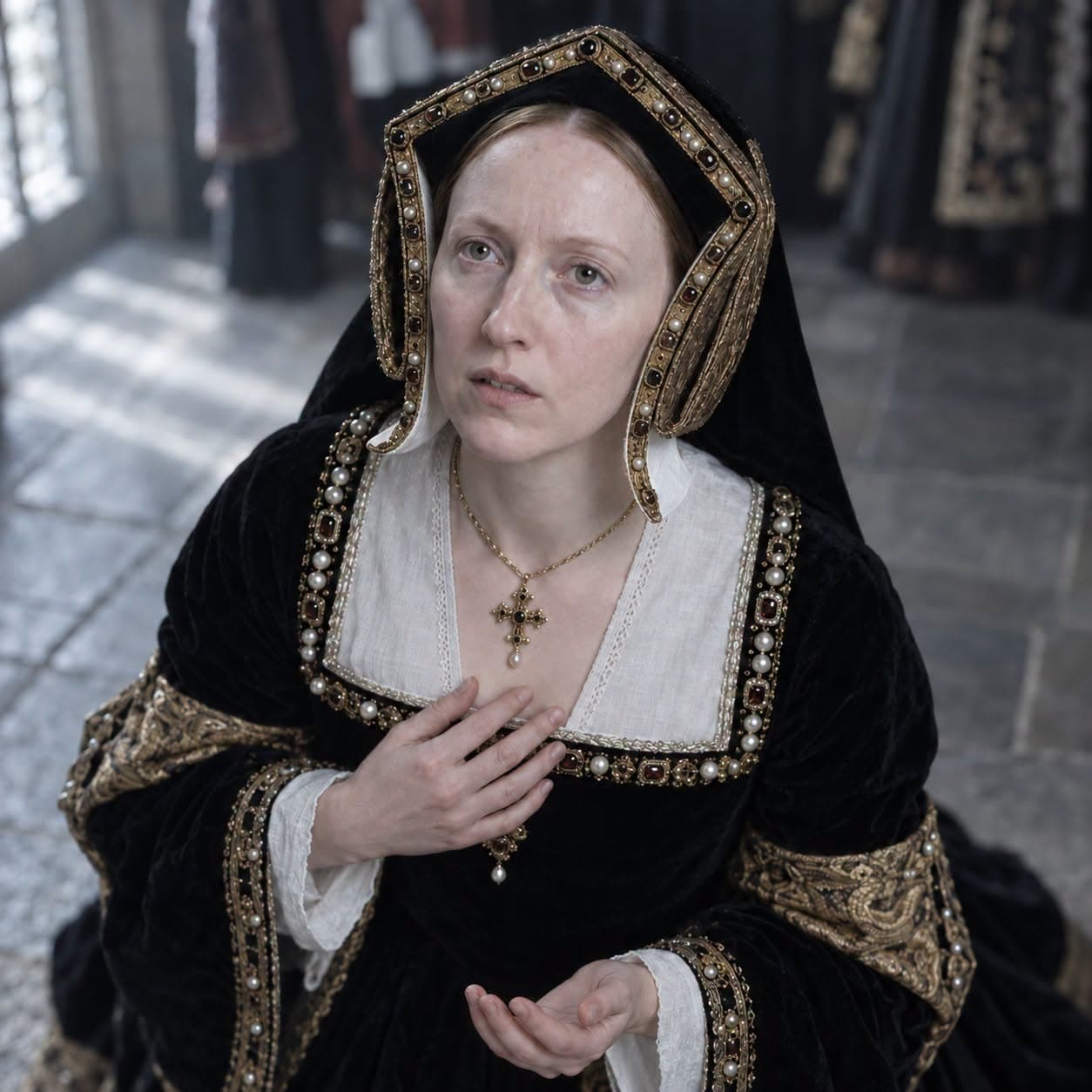
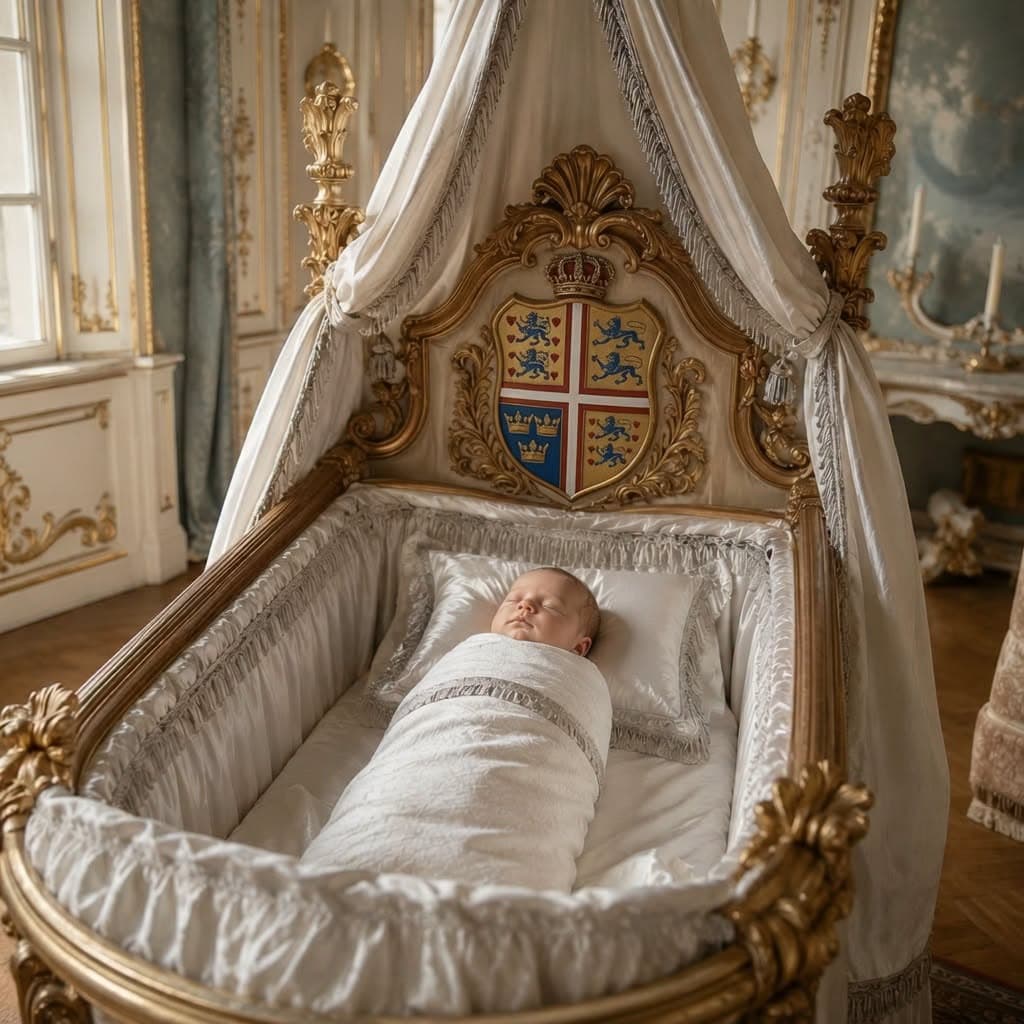
Sophia Magdalena was born on 3 July 1746 at Christiansborg Palace in Copenhagen, the daughter of Frederick V of Denmark and Norway and Louise of Great Britain. She was still a child in the nursery when the Swedish Riksdag settled the question of her future, betrothing her to the young Crown Prince Gustav, heir to the Swedish throne, in an arrangement built entirely out of politics between two courts that did not particularly like each other.
Her own mother had reservations about the match. Gustav's mother, Louisa Ulrika of Prussia, had more than reservations. She made her opinion of the arrangement known for the next twenty years.
The wedding took place in 1766, when Sophia Magdalena was twenty. Louisa Ulrika had seen a portrait of the bride before she ever arrived in Sweden and had already told the court the girl looked stupid. Sophia Magdalena crossed the water into a country where that verdict had gone ahead of her.
She brought her own attendants from Denmark, the last familiar faces in a foreign court, and one by one her mother-in-law removed them. A lady dismissed here. An attendant reassigned there. Each departure left one fewer person in the palace who had known her before Sweden, until the young woman who had been called stupid before she arrived was surrounded, in her own household, entirely by people her mother-in-law had chosen for her. She had no one left who remembered her as anything other than the disappointing bride from Denmark.
Nine years passed without a wedding night. The Swedish parliament, the same body that had matched two five-year-olds to secure a dynasty, now had to reckon with the fact that the dynasty had produced nothing at all. Courtiers watched the queen for signs of pregnancy that never came and found none. Ambassadors reported home on the marriage's failure as a matter of state, not gossip. Ministers who had never needed to concern themselves with a king's bedchamber now found themselves discussing it in council.
Eventually a courtier, Count Adolf Munck, was brought in to instruct the royal couple in what, after nine years, they still did not seem to know how to do. The same parliament that had arranged their childhood engagement now found itself arranging the mechanics of their adulthood. Sophia Magdalena gave birth to a son, Gustav Adolf, in 1778. The court never stopped talking about Munck. The rumour that the child was his rather than the king's outlived Gustav, outlived the reign, and followed the boy for the rest of his life.
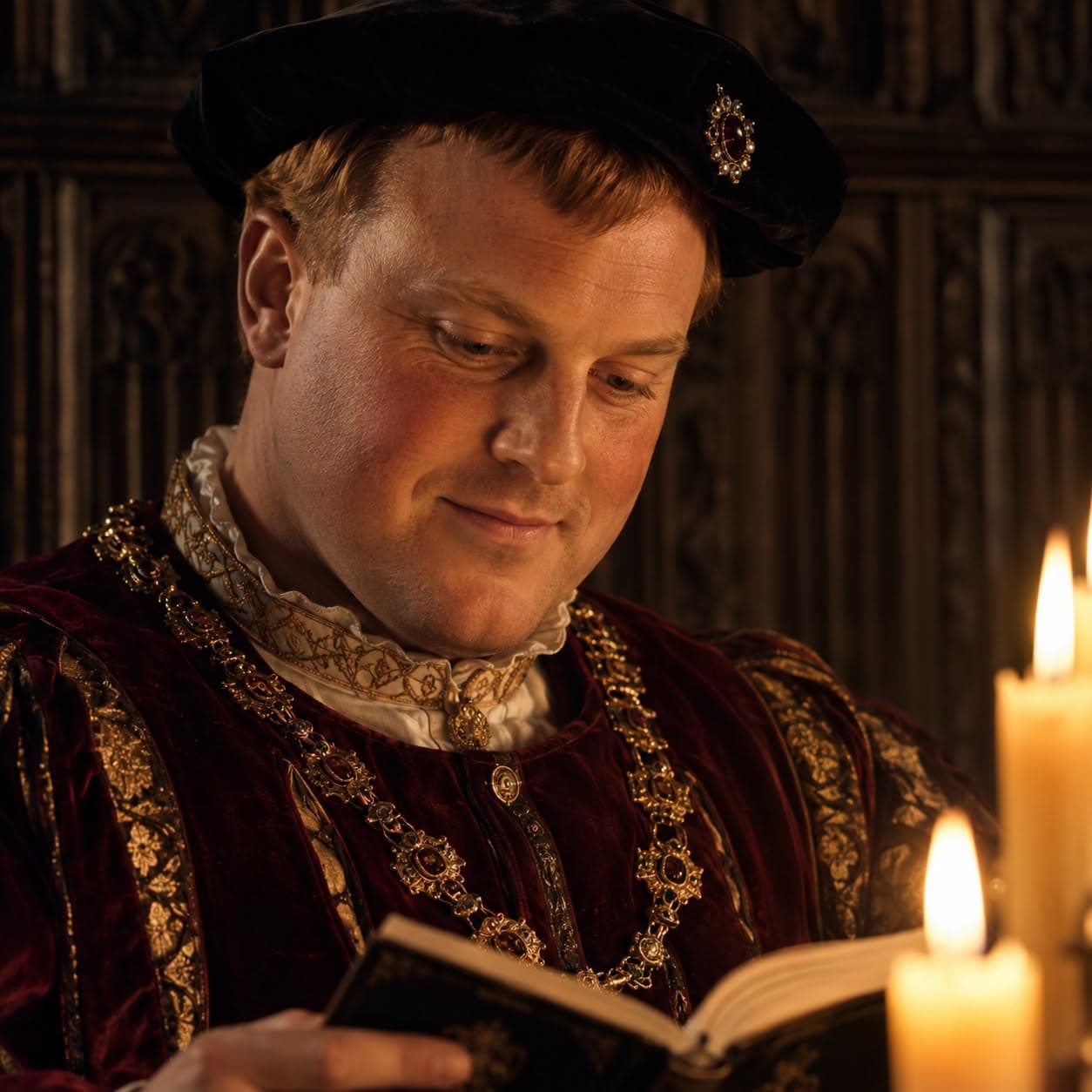
Gustav seized absolute power in a coup in 1772, dissolving the council that had constrained the Swedish crown for decades. He did not trust his Danish wife enough to tell her beforehand. Sophia Magdalena learned of her own husband's revolution the way the rest of the country did, from the outside, after it was already finished, a foreign-born queen who discovered the shape of her own court secondhand.
On the night of 16 March 1792, Gustav was handed an anonymous letter warning him that a group of noblemen intended to kill him at a masquerade ball that evening and begging him to stay away. He read it, showed it to the friends standing near him, and asked whether they believed he was afraid. He went to the ball. He was shot in the back at close range shortly after midnight and lived for thirteen days before the wound killed him, long enough to receive apologies from some of the men who had helped plan it.
Sophia Magdalena was widowed at forty-five. She had been five years old when a parliament decided her future without asking her, and forty-five when that future ended in a masquerade ball she had no part in. She lived quietly for twenty-one more years, mostly out of public view, until her death in 1813.
Verdi wrote an opera about the night her husband died. She is not in it.