His wife had an affair and was imprisoned for thirty-two years. In 1714 he became King of Great Britain. He kept a mistress throughout their marriage without consequence. His mistress claimed the titles and wealth of a kingdom while his wife remained locked inside a castle she was not permitted to leave.
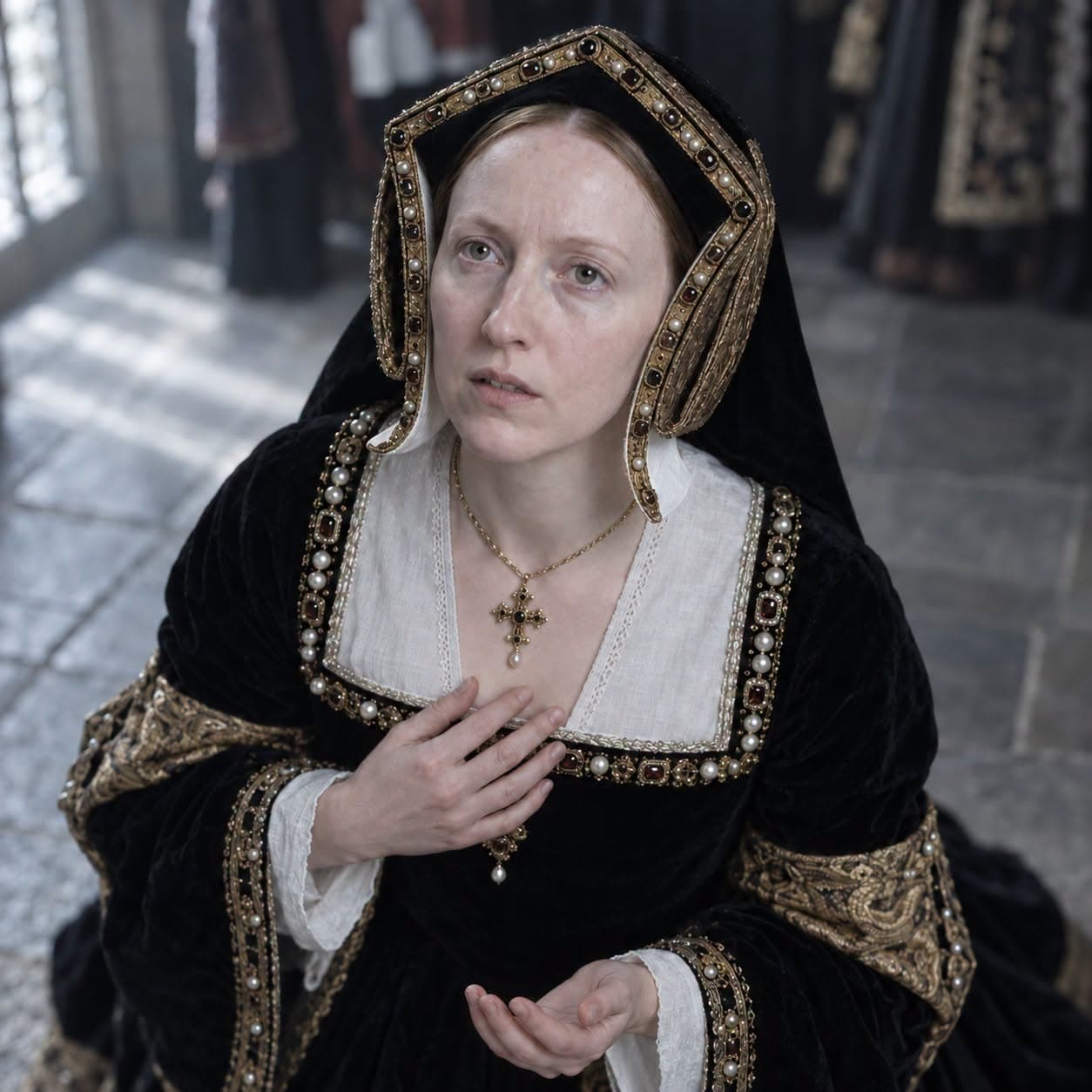
She was born in 1666, the only child of George William, Duke of Celle, and his wife Eleonore d'Olbreuze, a French Huguenot noblewoman whose relatively modest origins made Sophia Dorothea's position at the higher levels of German dynastic politics perpetually complicated. She was pretty and spirited and well-educated, and when the negotiations began for her marriage to her first cousin George Louis of Hanover she wept.
The record preserves that she called him pig snout and that she did not want him and that none of that was a variable the negotiation had included. The marriage united the duchies of Celle and Hanover and that was the point of it. Sophia Dorothea's feelings about the man she was being given to were noted and set aside and the wedding took place in 1682. She was sixteen years old.
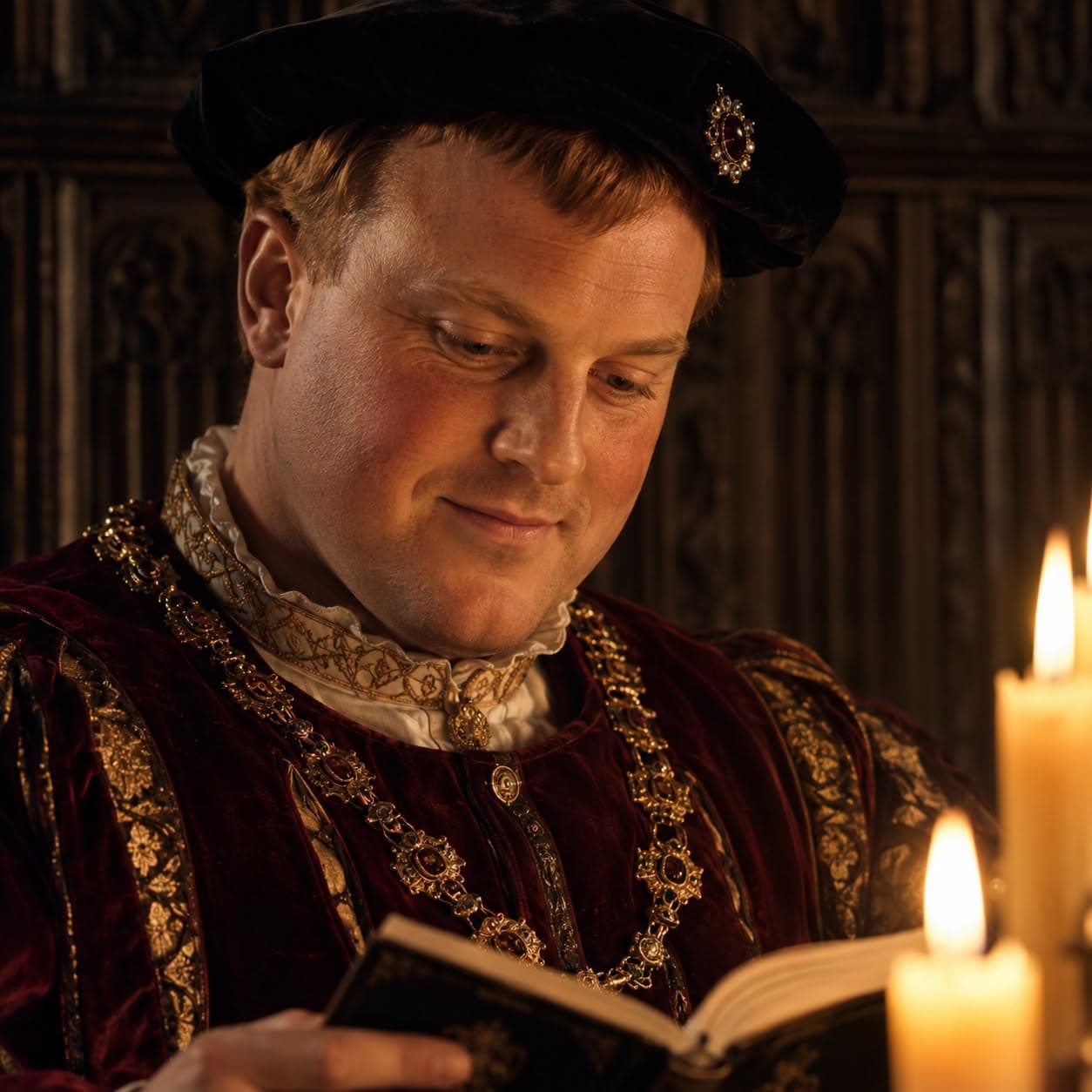
George Louis arrived at the marriage already committed elsewhere. Melusine von der Schulenburg was his mistress before the wedding and remained his mistress throughout it, accommodated by the court with the smooth efficiency that courts brought to the management of royal infidelities. Sophia Dorothea was expected to absorb this because wives absorbed this, because the arrangement required her presence and her compliance and her body and nothing else, and for several years she provided all three.
She bore George Louis a son in 1683, the future George II of Great Britain. She bore him a daughter in 1687, the future mother of Frederick the Great. She had fulfilled the function the marriage required of her. She had done it alongside a husband who made no effort at discretion and a court that made no effort at pretence.
By the early 1690s Sophia Dorothea had found Philip Christoph von Königsmarck. He was a Swedish count, celebrated for his looks and his military reputation, and what developed between them was documented in more than three hundred letters preserved at the University of Lund, letters that move between tenderness and desperation and the specific register of two people conducting something they know is dangerous and cannot stop. The court knew. The court always knew. The question was not whether it would end but how.
On the night of 1 July 1694 Königsmarck came to the Leineschloss for a final meeting with Sophia Dorothea. They had been planning to flee together and the plan had been discovered. He walked into the palace that night and was never seen again. His body was never found. The most persistent account says he was killed that night, in the palace, on the orders of those who stood to lose most from the scandal his survival would produce. The court closed around the disappearance with the same efficiency it brought to everything else and the matter was not discussed in terms that left a record.
What left a record was what happened to Sophia Dorothea. She was divorced on the grounds of desertion, a legal construction that required her to be cast as the party who had abandoned the marriage rather than the party who had been confined within it since the age of sixteen. She was stripped of her title as Electoral Princess of Hanover. She was denied access to her children. She was sent to Ahlden Castle in Lower Saxony and she did not leave it for thirty-two years.
The imprisonment was total in the specific way that only a gilded imprisonment can be. She had servants. She had rooms. She could walk in the castle grounds and occasionally ride in a carriage within a defined radius. She could not leave Ahlden. She could not receive visitors from her former life. She could not see her son or her daughter. She could not remarry. She was not imprisoned in a dungeon. She was imprisoned in comfort, which the court regarded as generous and which changed nothing about the nature of the confinement.
In 1714 the Electress Sophia of Hanover died and George Louis became King of Great Britain. The succession that had been building for years arrived and George crossed to England and took his throne and Melusine von der Schulenburg came with him and was eventually made Duchess of Kendal. Sophia Dorothea was completely written out of the triumph, her marriage long dissolved by a German court and her identity reduced to a state prisoner. She was at Ahlden Castle. She had been at Ahlden Castle for twenty years. She would remain there until she died.
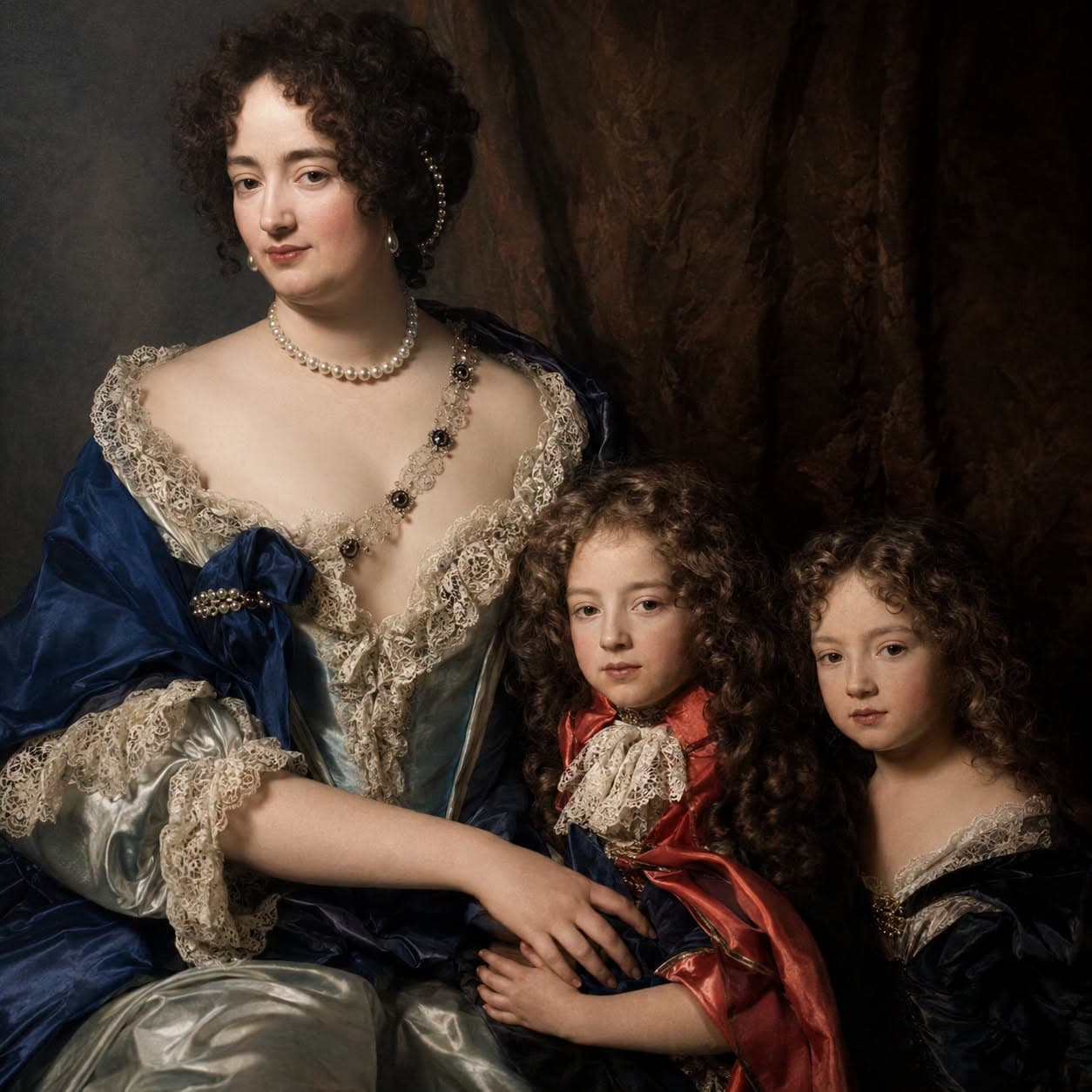
Her son became George II and ruled Britain for thirty-three years. Her daughter Sophia Dorothea became Queen of Prussia and gave birth to Frederick the Great, who would become the dominant military and intellectual figure of the eighteenth century. Between them her two children shaped the history of two of the most consequential nations in Europe. She watched none of it. She was not permitted to see either of them after 1694. The letters she wrote to her son requesting a visit were refused. The letters she wrote to her daughter were refused. The record preserves the refusals and the silence that followed them.
Sophia Dorothea died at Ahlden Castle on 13 November 1726. She was sixty years old. She had been imprisoned for thirty-two years. George Louis died the following year, in 1727, on the road to Hanover, and was buried there. A rumour circulated at the time, and has circulated since, that a letter from Sophia Dorothea was delivered to him shortly before his death, that she had written to summon him before the judgment of God within a year of her own death, and that the timing of his death fulfilled it. The rumour is a rumour. The record does not support it.
What the record supports is this. She was entirely discarded by the dynasty she had secured. She was mother to a king and a queen she was not permitted to see. She was imprisoned for thirty-two years for an infidelity conducted in a marriage where infidelity had been the established condition from the wedding night onward.
George Louis is buried in Hanover. Sophia Dorothea is buried at Celle, in the same church where her parents were married.
She never saw England. They did not bring her with them.