The queen she had quarrelled with had been dead for almost thirty years. Sarah was now in her eighties and still making her case.
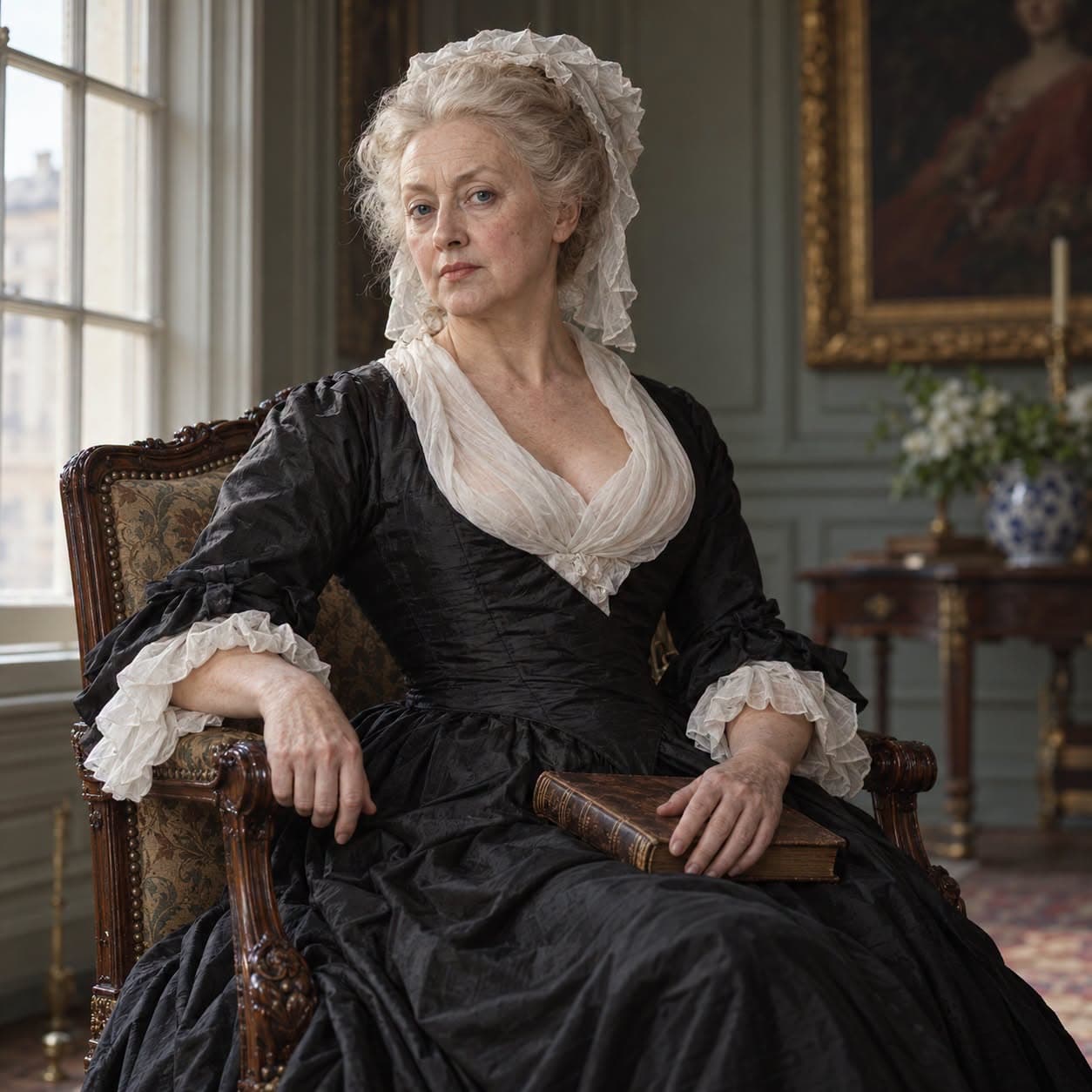
On 18 October 1744, Sarah Churchill, Duchess of Marlborough, died at Marlborough House in London, aged eighty-four. Queen Anne had been dead for thirty years, and Sarah's husband John for twenty-two. Her account of her years at court had appeared just two years before her death. There were palaces and estates to leave behind, but she had also attended to the question of what people would say about her.
She had been Sarah Jennings, the daughter of a Hertfordshire MP, before she became a duchess. She entered the household of Mary of Modena, Duchess of York, in 1673, at thirteen, and became close to the duke's younger daughter Anne. Around the winter of 1677 she married John Churchill, a young officer in the Duke of York's service, privately and against his parents' hopes of a richer bride. His career would carry him through wars and changes of monarch. Anne's friendship travelled with them both.
There was room in the two women's letters for the business of women's bodies, pregnancies, miscarriages and menstruation, alongside the business of the state. Anne chose private names for them. She would be Mrs Morley; Sarah would be Mrs Freeman. The signatures made equality easy to write down. At court, it was a less convenient arrangement.
When Anne became queen in 1702, Sarah became Mistress of the Robes, Groom of the Stole and Keeper of the Privy Purse. She had duties concerning the queen's clothes, household and money, and the access that went with them. John became Duke of Marlborough. After his victory at Blenheim in 1704, the family received the Woodstock estate and the promise of a palace at public expense. Sarah became deeply involved in its construction. The friendship had helped furnish an entire family with rank, employment and a magnificent home.
It also carried political demands. Sarah pressed the interests of the Whigs, who supported the war in Europe in which John commanded armies. Anne had her own judgements about ministers and parties. A friend could speak frankly to her. Sarah repeatedly pushed beyond frankness into pressure, and the queen increasingly resisted it. Mrs Morley still had a government to appoint.
When Anne's husband, Prince George, died in 1708, Sarah insisted that the queen leave her vigil beside his body. Anne went reluctantly and resented the interference. Before she went, she asked for someone else to be sent to her. The friend who had shared the intimate business of her life was now directing her through its bereavement. Sarah's forcefulness had uses at court. At a husband's deathbed, it could become another injury.
The person Anne asked for was Abigail.
She was Sarah's cousin, an impoverished relation whom Sarah had helped into a position in Anne's household. As Abigail Hill, and later Abigail Masham, she acquired the closeness to the queen that Sarah was losing. She also became an ally of Robert Harley, her own cousin and the Marlboroughs' political rival. The woman Sarah had assisted could now reach Anne without going through her. A family kindness had acquired consequences well beyond the family.
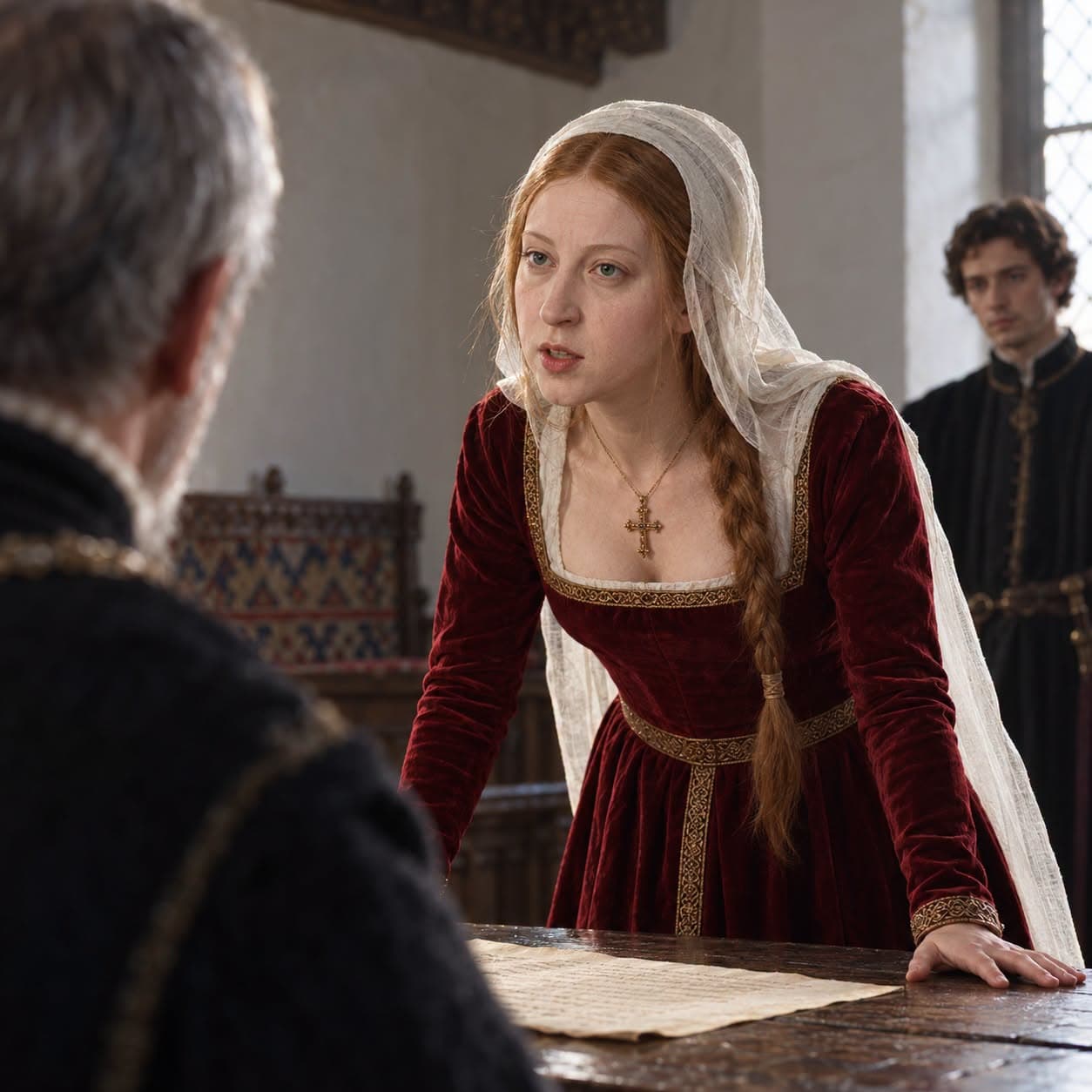
By April 1710, Sarah was pressing for a meeting. Anne received her at Kensington Palace, in the queen's closet. Sarah had come to answer the stories circulating about her. She said that lies had been told about her. Anne told her that whatever she had to say, she could put it in writing. Sarah went on. Anne kept returning to the same few words: "You desired no answer, and you shall have none."
Sarah burst into tears. She went out into the gallery to compose herself, then came back and tried again. When nothing moved the queen, she told Anne that she would suffer for such inhumanity. "That will be to myself," Anne said. They never met again.
In January 1711, Anne demanded the gold key that was the badge of Sarah's household offices. It went back to the queen through John. The woman who had once signed herself Mrs Freeman now returned her badge of office through her husband.
Yet her life continued for another thirty-three years. John died in 1722, leaving her with substantial wealth and responsibilities for the family estates. She bought land on a scale few people in England could match, more than two dozen estates by the end of her life. At Blenheim, work went on. Sarah quarrelled with architects and supervised the practical details of the place that would commemorate her husband. The woman whose persistence had become intolerable to a queen remained a demanding person to build a palace for.
In April 1727, she sent instructions to the mason William Townesend about the Column of Victory. He was to provide a detailed section of the pillar and pedestal. In the same letter she asked for a proposal concerning the marble tomb. Measurements for a monument and arrangements for a grave belonged to the same continuing work.
The great memorial in Blenheim's chapel showed John dressed as a Roman general, with Sarah and their two sons, both of whom had died young. Beyond the public figure of the victorious commander was a family with children missing from it. Sarah survived those sons and her husband, and kept on overseeing the stone in which they would be remembered.
She also kept working on her defence, with help, on narratives that reached back across the whole friendship. In 1742 it came into print, prepared with the writer Nathaniel Hooke, as An Account of the Conduct of the Dowager Duchess of Marlborough. Sarah was in her eighties. Anne had been dead for nearly thirty years. She had once told Sarah to put it in writing.
The last conversation at Kensington was in the book, told by the only one of them left to tell it.