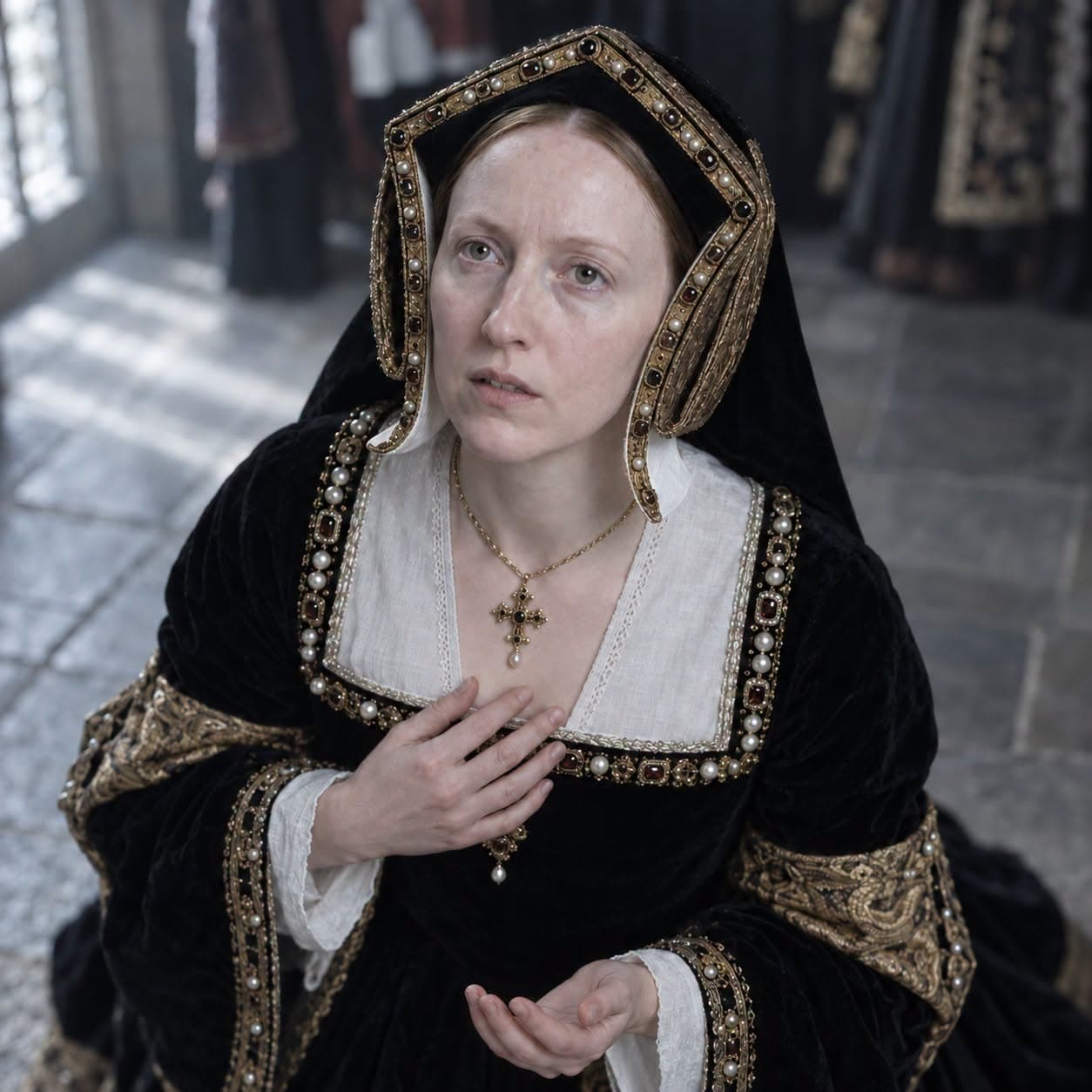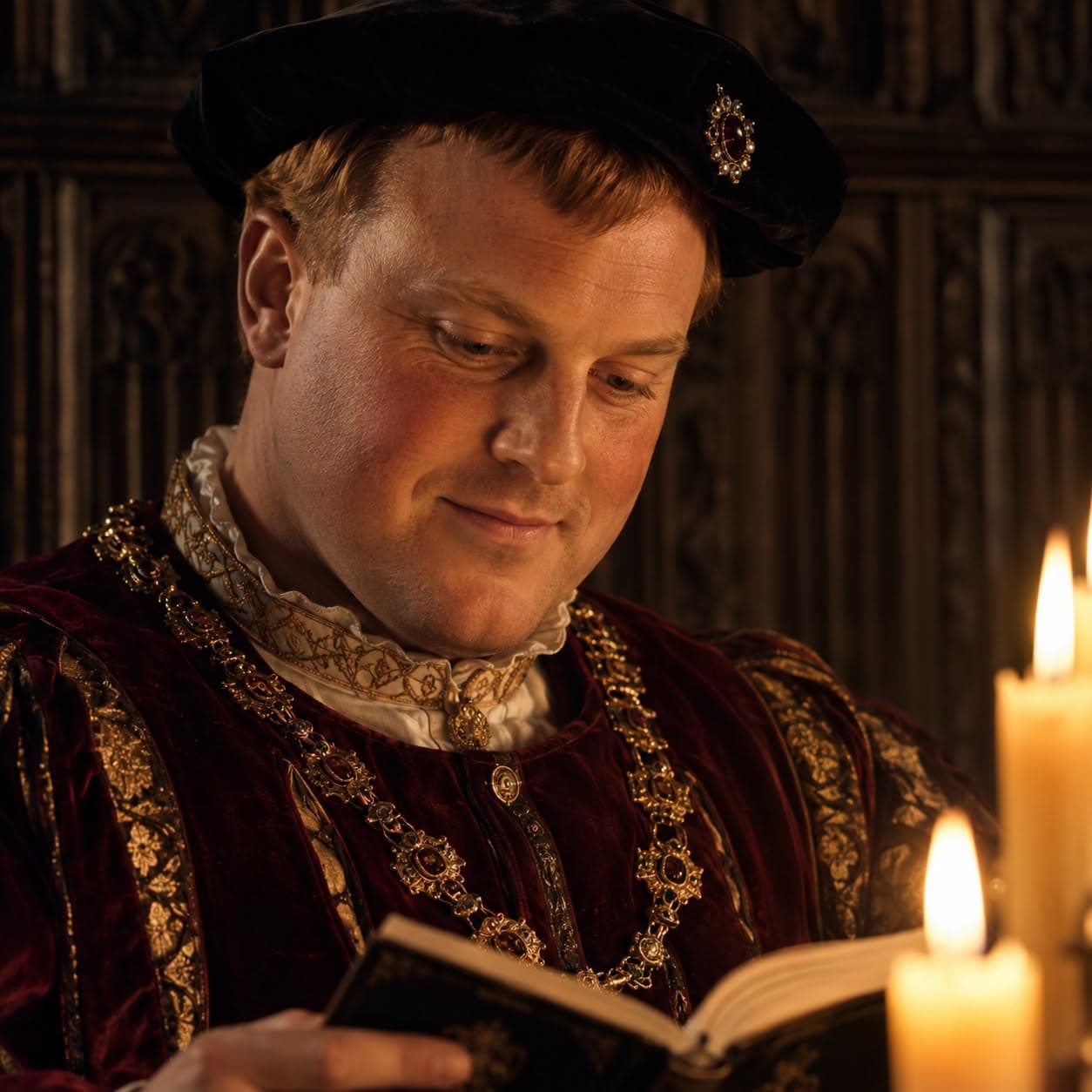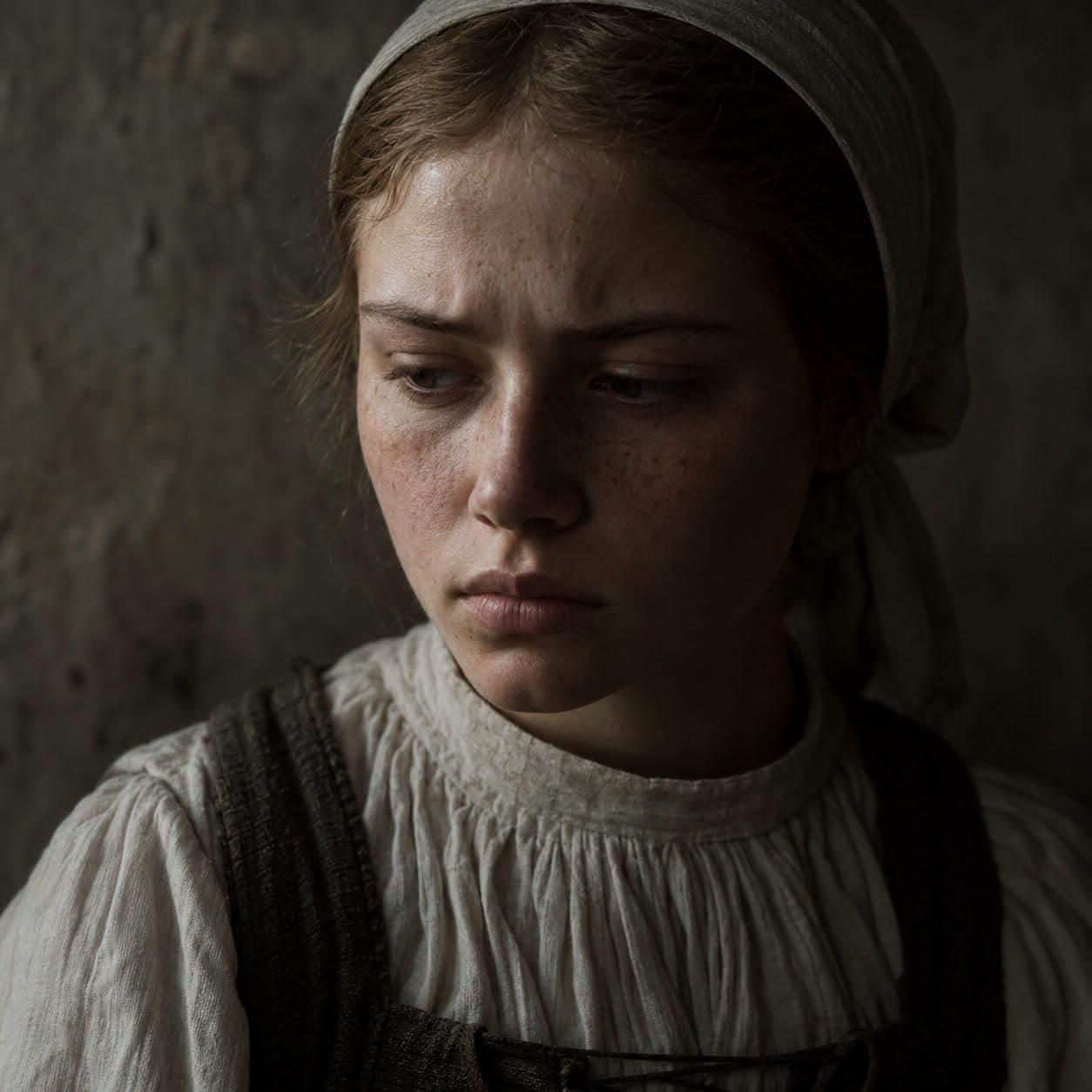
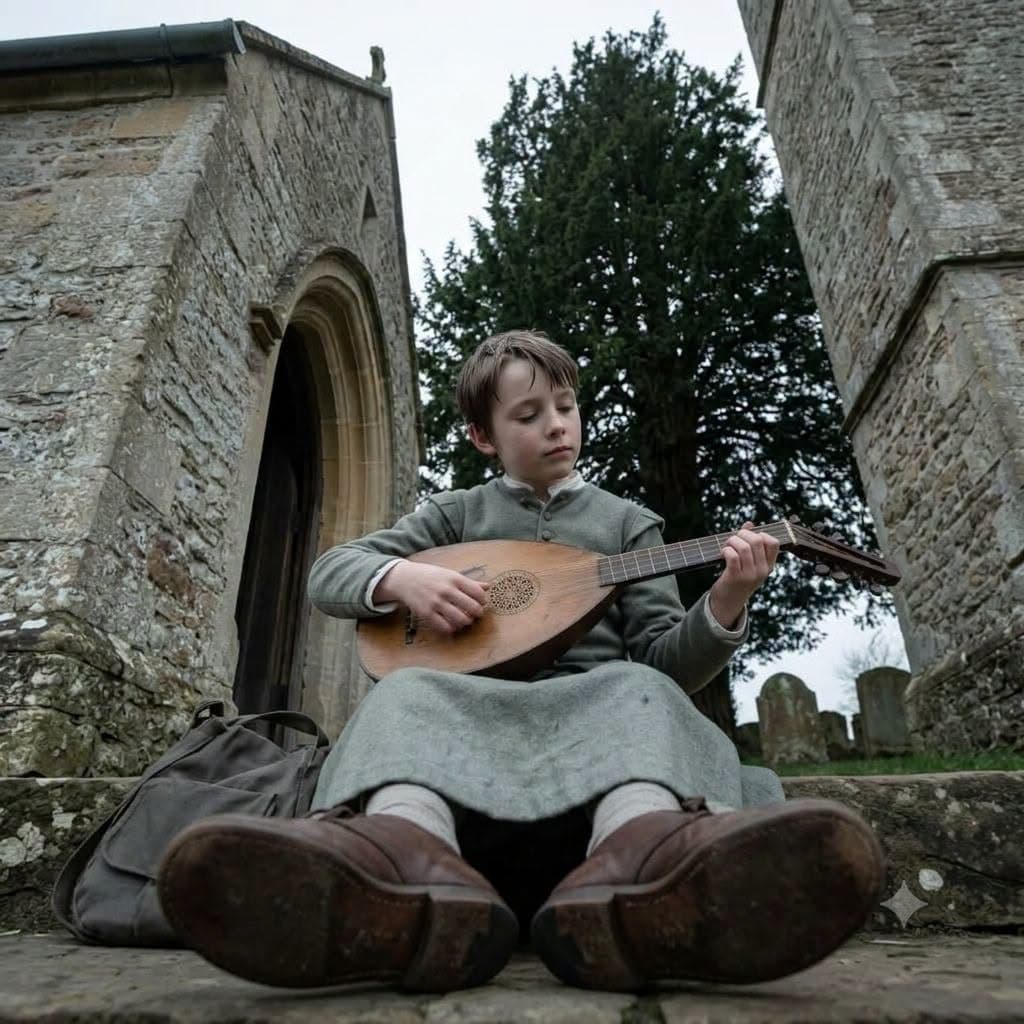
Henry VIII never claimed him. He never needed to. The education, the Oxford place, the Tudor rose on his mother's coat of arms, and the position at the heart of the royal court said everything Henry VIII chose not to say out loud.
Richard Edwardes was born on the 25th of March 1525 in Somerset, the son of Agnes Blewitt and, officially, of her husband William Thomas Edwards, a man who by most accounts did not consider Richard his son and made no particular effort to conceal this opinion. Agnes had three children. Her husband claimed two of them. The third, Richard, he did not.
What Agnes herself said was more specific and considerably more dangerous: that the boy's father was the king. She had been in proximity to Henry VIII near the royal hunting lodge at Huntworth in Somerset at the time that produced Richard, away from the court, away from the careful eyes of people whose business it was to notice these things.
Henry was thirty-three years old and married to Catherine of Aragon and had not yet begun the sustained pursuit of legitimate sons that would consume the next quarter century of English history. He was simply a young king with a hunting lodge and an appetite, and Agnes Blewitt was there.
Henry paid for Richard's education. This is the detail that the rumour rests on, and it is the kind of detail that is either entirely innocent or entirely eloquent depending on what you already believe. The Tudor rose was permitted on Agnes's personal crest. Richard was admitted to Corpus Christi College Oxford in 1540, at approximately fifteen years old, in a period when Oxford was not an institution a Somerset nobody with an ambiguous paternity arrived at without considerable assistance from someone.
He joined Christ Church when it opened in 1546. He enrolled at Lincoln's Inn and decided not to be a lawyer, which is the decision of a man who has already identified a more suitable path and has the connections to pursue it. Henry VIII never said his name in any document that survives. He paid for the boy's schooling and kept his mouth closed and that was, in the specific vocabulary of Tudor royal acknowledgement, a great deal more than nothing.
Richard Edwardes joined the Chapel Royal in 1557 and was appointed Master of the Children of the Chapel Royal in 1561. He was responsible for identifying, training, and directing the boys who sang for the English crown, which meant he was at the centre of the most intimate musical life of the Tudor court for the better part of a decade. He was also writing. He was writing plays and poems and songs in a register that his contemporaries considered exceptional, and his contemporaries included people whose opinion on the matter carried weight.
His song In Going to My Naked Bed survived him by centuries and is still performed. His play Damon and Pithias, written in 1564, is the first English play to use the word tragedy in its theoretical sense, which is either a coincidence or the instinct of a man who had been thinking about the shape of an ending for a long time.
He was given a moment of extraordinary visibility in September 1566 when Elizabeth I came to Oxford and his play Palamon and Arcite was performed before her. The stage collapsed during the performance. Three people died. Five were injured. The play continued. Elizabeth, by contemporary account, praised Edwardes directly and personally for it.
Whether she looked at him the way people at the Tudor court sometimes looked at people whose origins were an open secret is not recorded. She had been doing it her entire life from the other side. She knew what it looked like from both.
He died on the 31st of October 1566, six weeks after the Oxford performance, at approximately forty-one years old. The cause is not recorded with any precision. He had been unwell for some time and the Oxford visit may have exhausted what was left of him, which would mean that the greatest public recognition of his career and the beginning of his final decline occupied the same autumn, which is the kind of timing that Tudor lives seemed to attract with a consistency that stops feeling like coincidence after a while.
He was buried at Christ Church Oxford, in the institution that Henry VIII had built and Henry VIII had placed him in and Henry VIII had never once publicly explained his interest in.
He left behind five surviving songs, one surviving play, and the specific distinction of having staged a performance before a Tudor monarch at which people died and having been praised for the work regardless. He left behind no acknowledged connection to the crown that paid for his childhood. He left behind descendants who are, if the claim is true, the only surviving line of Henry VIII's blood, running quietly through Somerset and Oxford and the centuries without a title or a rose or a single word of formal recognition to their name.
The boy from Somerset made it to the heart of the court on music and talent and an education someone else had quietly arranged. Whether that someone was a king is the question the record raises and declines to answer. It was a very Tudor way to handle the matter.