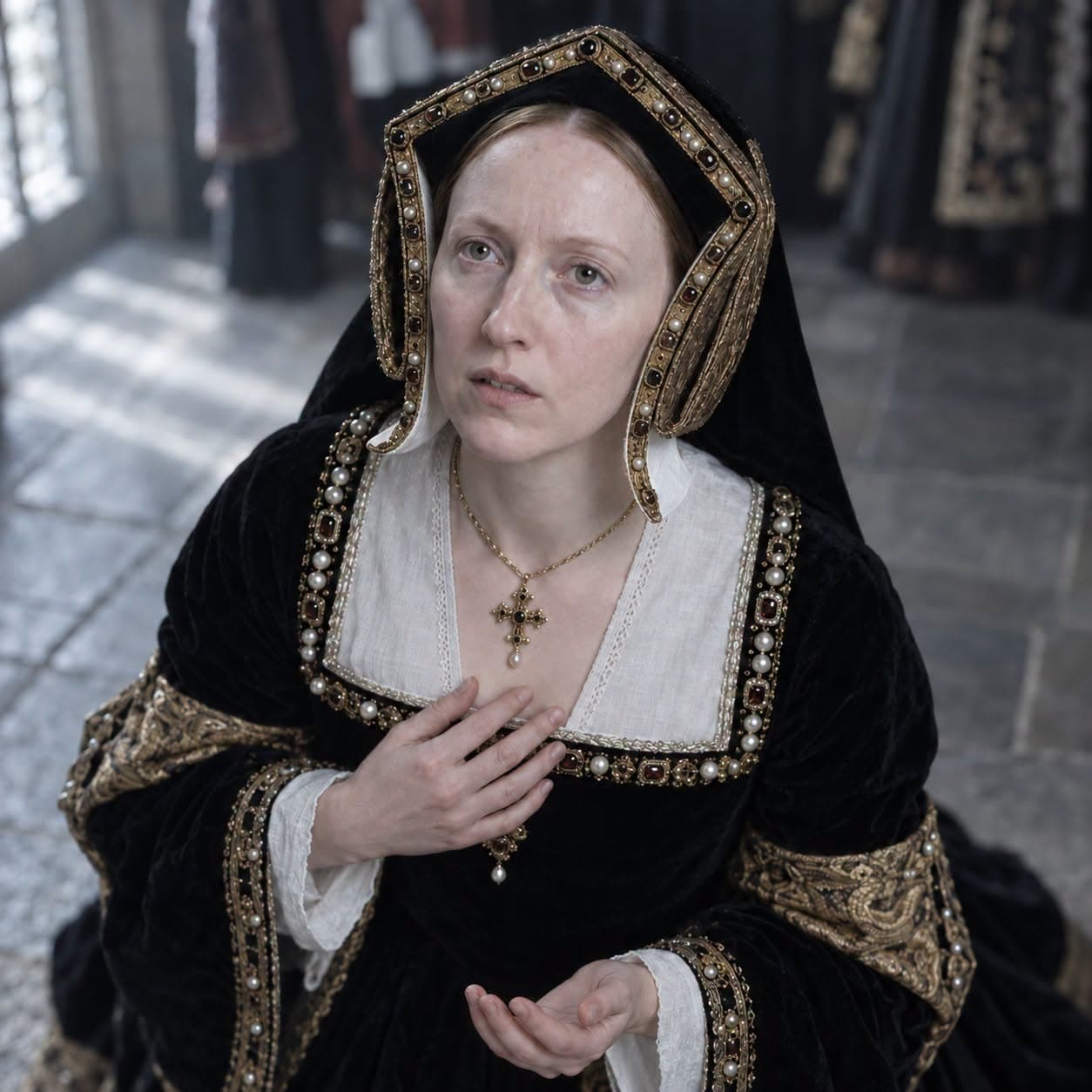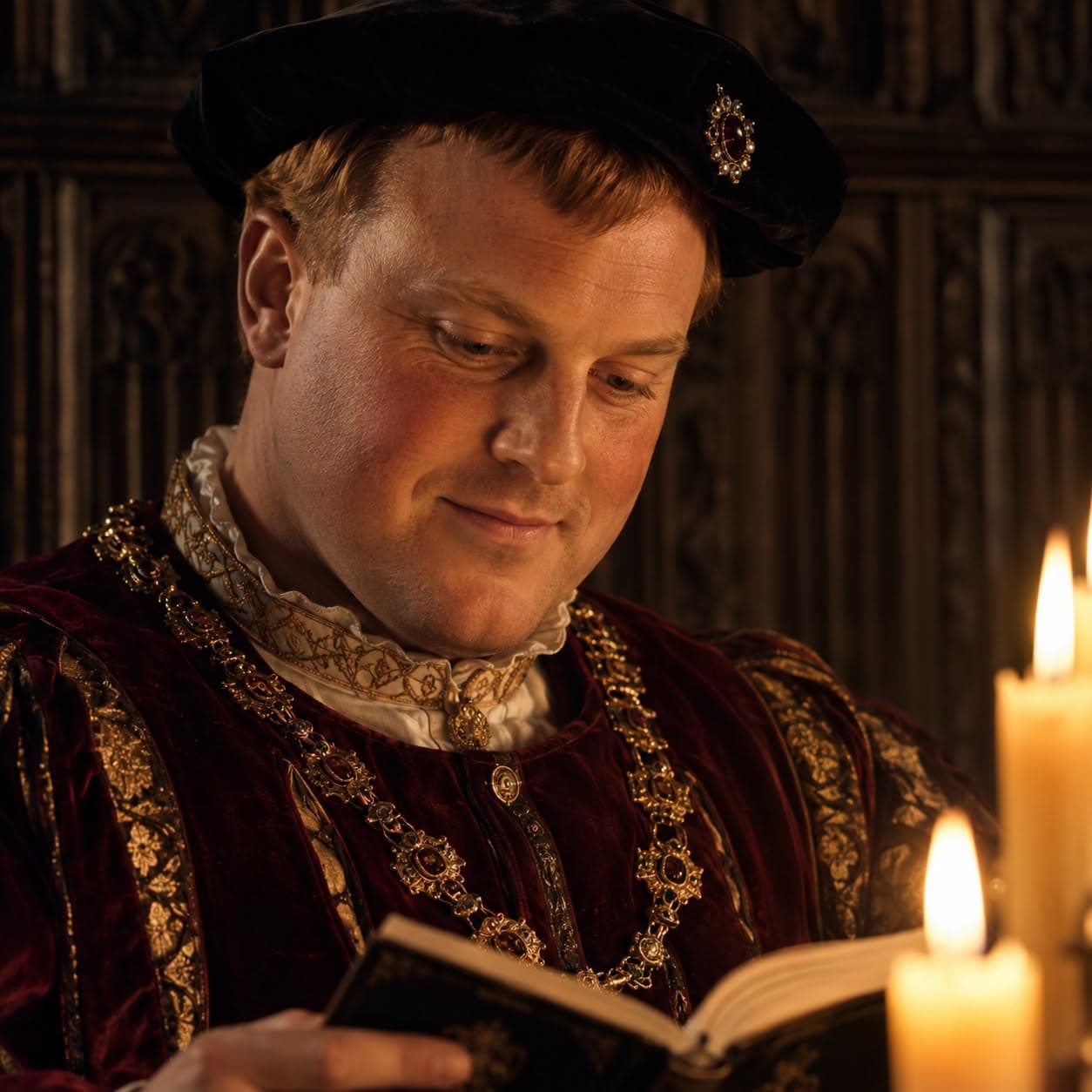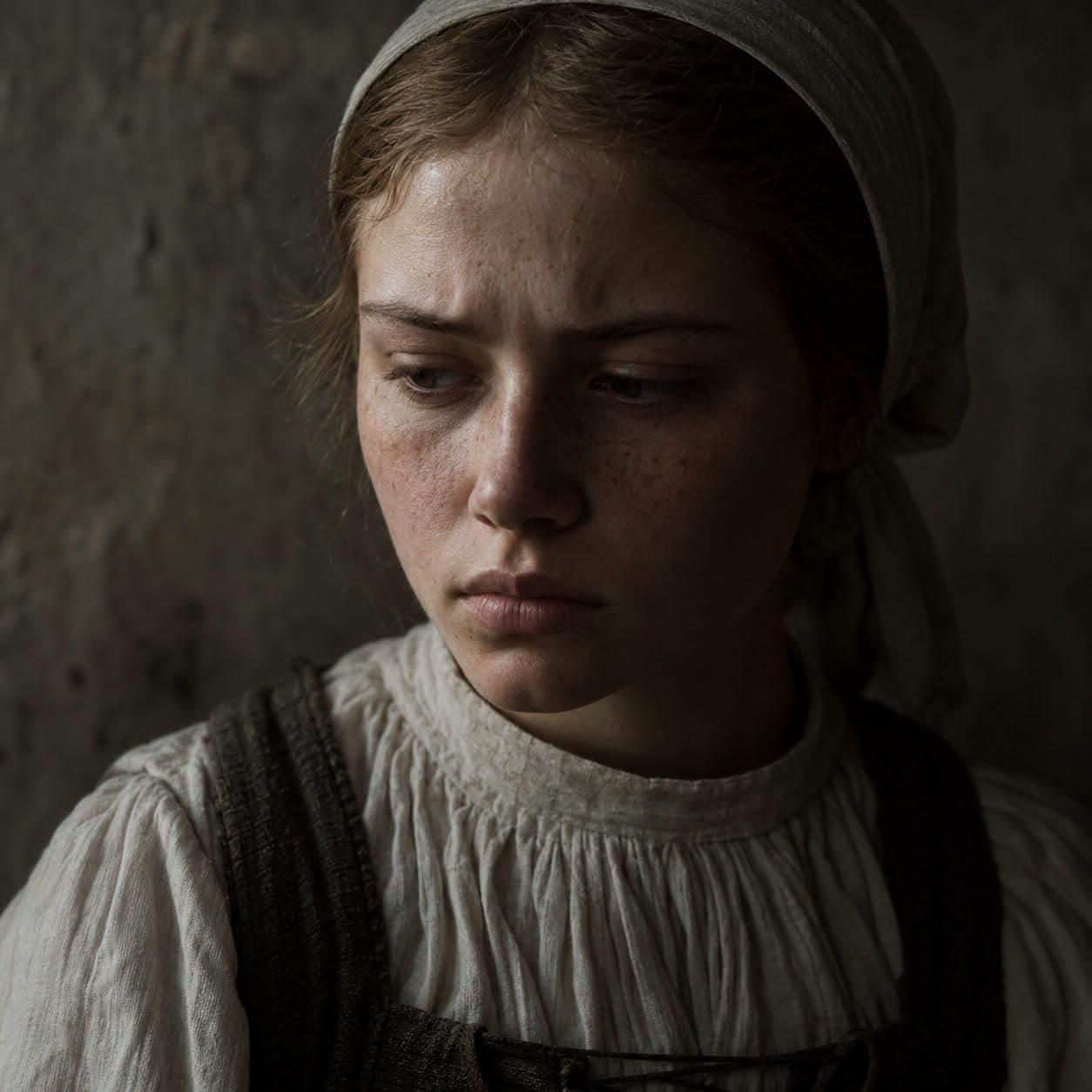
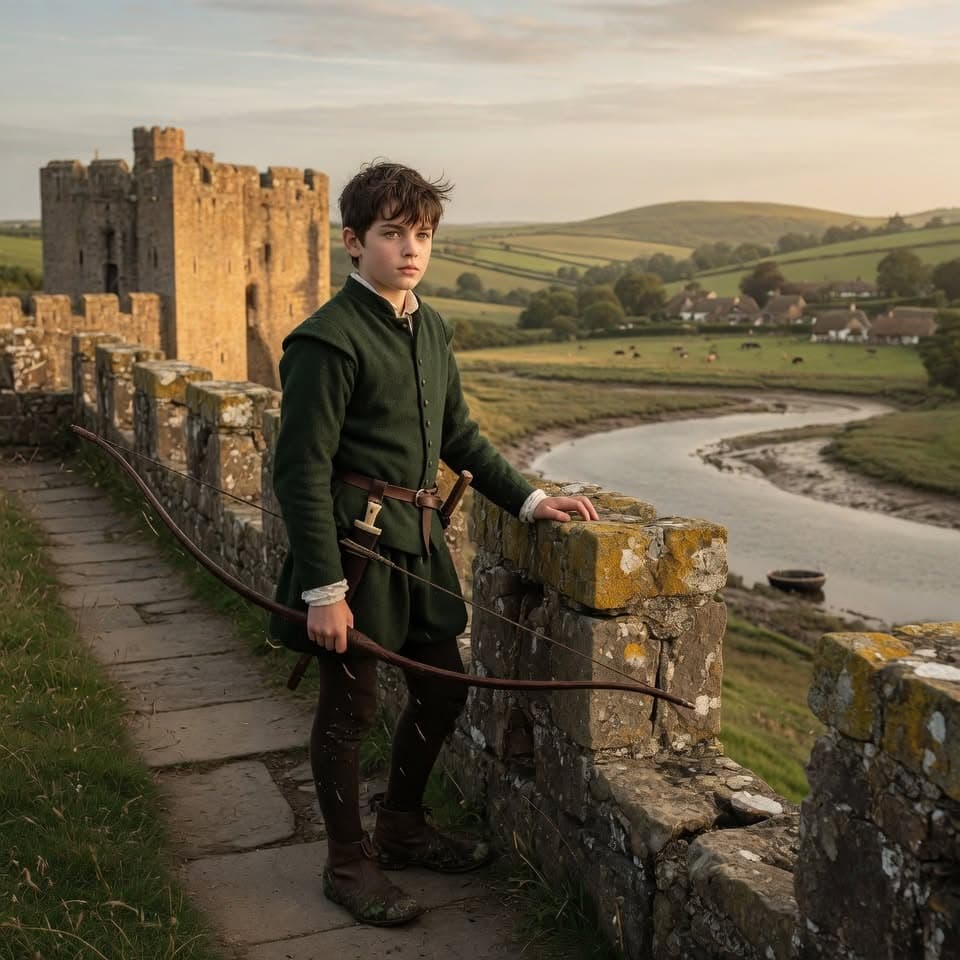
His grandfather had put the Tudors on the throne of England. Henry VIII took his head in return.
Rhys ap Gruffydd was born in 1508, most likely at Newton near Llandeilo in Carmarthenshire, the son of Gruffudd ap Rhys and Katherine St John, and the grandson of the most powerful man in Wales. That grandfather, Rhys ap Thomas, had done something that was not easily forgotten and not easily repaid.
In 1485, when Henry Tudor came ashore at Milford Haven with a French army and a claim to a throne he had never sat on, it was Rhys ap Thomas who brought Wales with him. The men who marched to Bosworth under the red dragon marched at Rhys ap Thomas's word. The dynasty that emerged from that field owed him a debt that was, by any reasonable measure, without limit. The Tudors understood this.
They were careful, for a time, to behave as though they did.
Rhys ap Thomas died in 1525, an old man loaded with honours, having spent forty years as the de facto ruler of south-west Wales with the quiet permission of two kings who understood that his loyalty was worth more than his submission. His son Gruffudd had died before him, in 1521, and so it fell to his grandson to inherit the position, the prestige, the vast estates in the Tywi valley, the ancestral seat at Dinefwr, the expectation of offices that the family had held for a generation and that everyone in Wales understood to belong to the house of Dinefwr as naturally as the land itself.
Henry VIII had other ideas. He gave the Welsh offices not to Rhys ap Gruffydd but to Walter Devereux, Lord Ferrers, an English lord with no particular connection to Wales and no particular claim that anyone in Wales recognised. The appointment was an insult dressed as administration. Rhys ap Gruffydd was twenty years old and he received it accordingly.
What followed had the specific trajectory of a man who had grown up understanding himself as the natural lord of a country and who found, in early adulthood, that the country had been reorganised around someone else. He drew a blade on Devereux.
His men and Devereux's men fought each other across Carmarthenshire in skirmishes that left several of Ferrers's associates dead. He added the name Fitz-Urien to his own, invoking Urien, the ancient Welsh king of legend, a name that carried in Welsh consciousness the particular weight of a people who had their own history of princes and did not require the English to supply them with one.
His accusers said this was a claim to be Prince of Wales. It was, at minimum, a statement about what Wales was and who belonged to it. In 1531, with Henry in the middle of his campaign to set aside Katherine of Aragon and marry Anne Boleyn, with Cardinal Wolsey newly dead and Thomas Cromwell newly powerful and the entire machinery of English government being bent toward the king's will, Rhys ap Gruffydd was transferred from Wales to London and to the Tower.
The charges were treason. He had, it was alleged, been conspiring with James V of Scotland to overthrow Henry and make himself ruler of Wales in fulfilment of ancient Welsh prophecies. He had spoken disparagingly of Anne Boleyn. He had been friendly with Katherine of Aragon. He had been friendly with Wolsey. Each of these things was true. None of them was treason by any definition that would have been recognised before Henry decided to recognise it.
He was also, in the estimation of several historians who have looked at the case since, the owner of estates worth roughly ten thousand pounds a year at a moment when Henry needed money and had developed a particular facility for finding treason in the landholdings of wealthy men.
The charges were fanciful. The outcome was not in question.
He was convicted and executed on Tower Hill on the 4th of December 1531. He was twenty-three years old. The execution caused immediate and widespread dismay. He was openly said to have been innocent. A Welsh contemporary noted that many men saw his death as divine retribution for the sins of his ancestors, which was the kind of observation available to those who required a theology for what had happened and could not afford to supply a politics.
His wife, Katherine Howard, daughter of Thomas Howard, 2nd Duke of Norfolk, remarried quickly and lived until 1553. She was convicted of treason herself in 1542 for concealing the adultery of her niece, the fifth wife of the man who had beheaded her first husband. She was pardoned.
Not everyone Henry marked was killed. Some were simply circled, permanently, by what he had decided about them.
Rhys ap Gruffydd was the fourth man executed on Tower Hill under Henry VIII. The second man processed by the machinery Henry had built for Stafford. He would not be the last. He was twenty-three years old and had committed no crime that the law, fairly applied, would have recognised as one.
His grandfather had made the Tudors possible. His estates were confiscated to the crown on the morning of his death. The family that had ruled south-west Wales for five generations was finished before noon.
What Henry took from them, he kept.