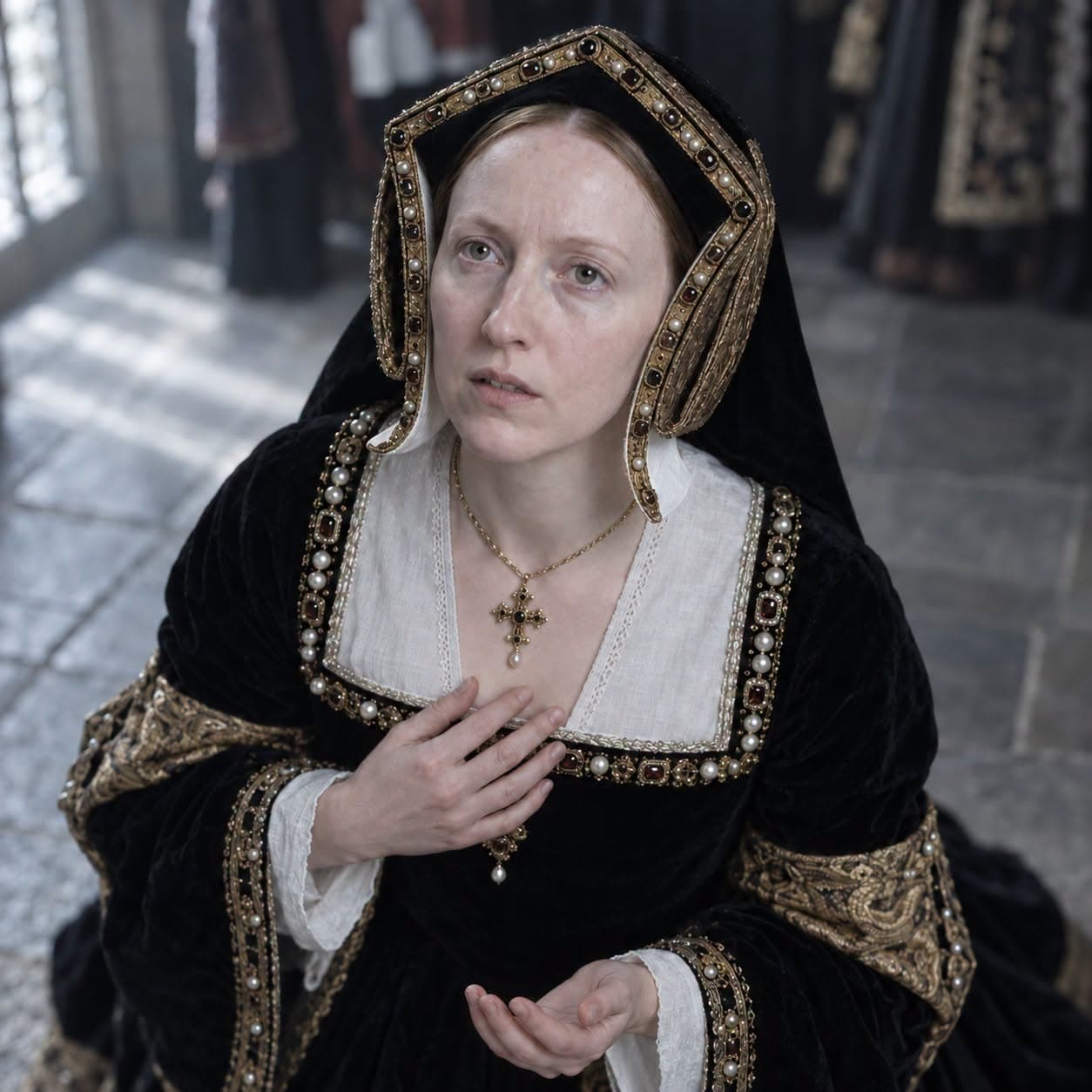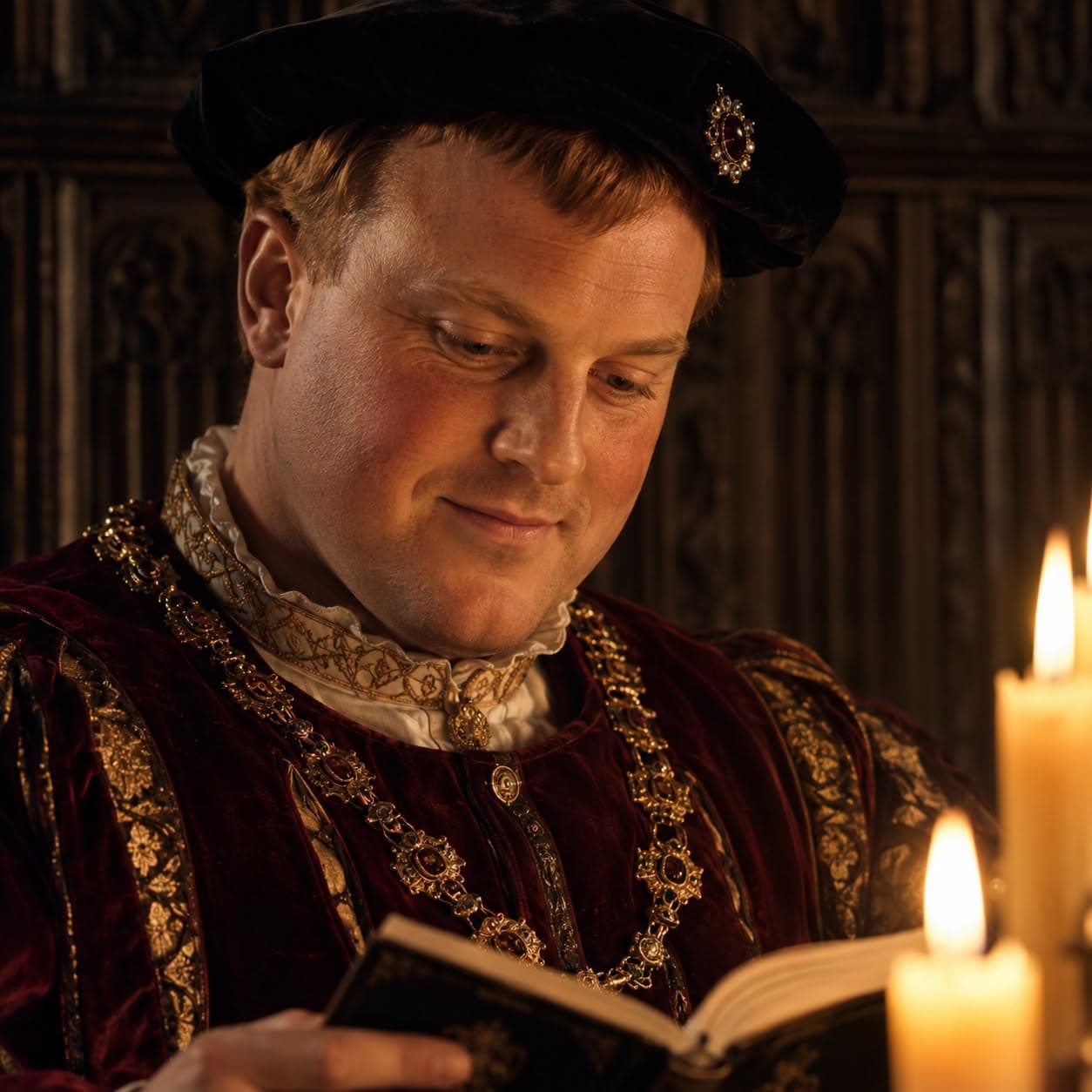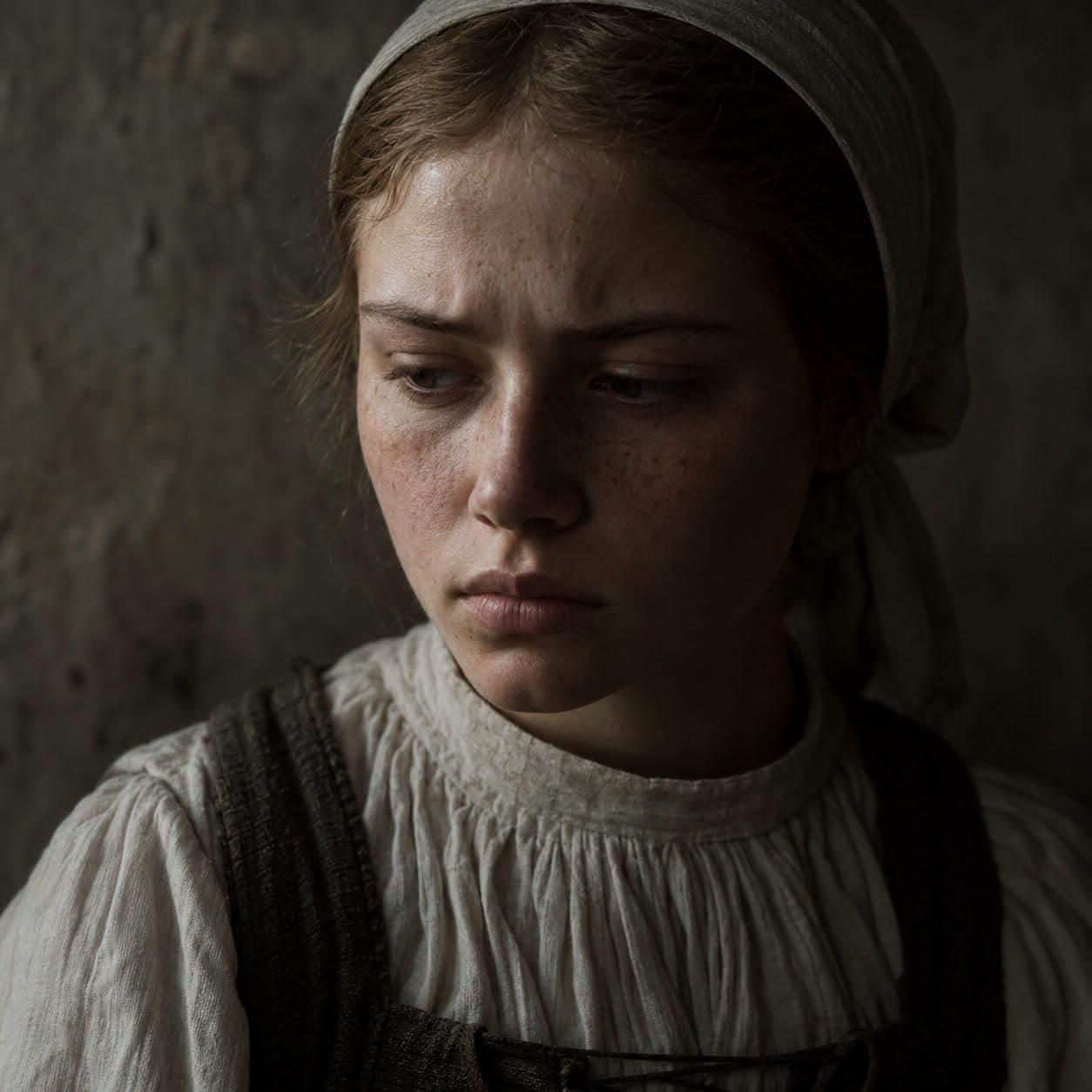
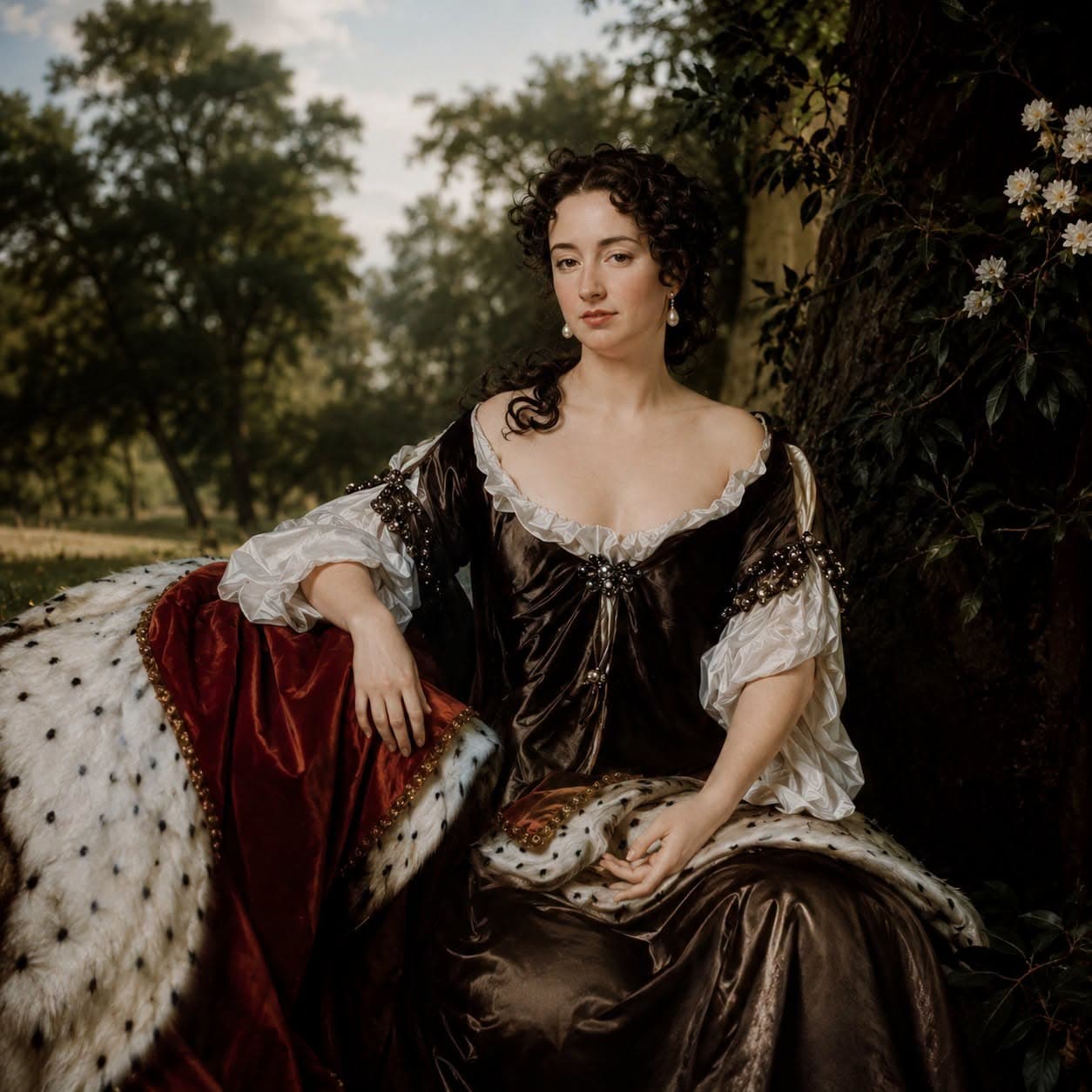
She was pregnant seventeen times. She buried every child. History calls her the last Stuart queen, the first Queen of Great Britain, the monarch who presided over the birth of a nation. She was also a woman who ran out of children before she ran out of grief, and the nation she built died with her, and by the end she had lost almost everything a person can lose and was still required to be a queen.
Anne was born on the sixth of February 1665 at St James's Palace, the second surviving daughter of James, Duke of York, who would become James II, and Anne Hyde, who died when Anne was six. She grew up in the court of her uncle Charles II, a child of the Stuart dynasty at its most glittering and its most precarious, watching her father's Catholicism make him enemies and learning early what it meant to be a woman in a world where your body was a political instrument before it was anything else. She was short-sighted and prone to illness from childhood. She had a warmth that people who knew her remarked on consistently, a steadiness, a loyalty that once given was not easily withdrawn. She would need all of it.
She married Prince George of Denmark in 1683. He was amiable and limited and devoted to her, and she to him, and the marriage was a genuine one in a century when genuine marriages between royalty were rare enough to be worth recording. What it produced, across the years that followed, was a litany that the historical record sets down with a clinical brevity that obscures what it actually was.
1684, a daughter, stillborn. 1685, a daughter, Mary, died aged one. 1686, a daughter, Anne Sophia, died aged nine months. 1687, a miscarriage. 1687, a son, stillborn. 1688, a miscarriage. 1690, a daughter, Mary, died hours after birth. 1692, a son, George, died minutes after birth. 1693, a daughter, stillborn. 1694, a miscarriage. 1696, a daughter, stillborn. 1696, a miscarriage. 1697, a miscarriage. 1697, a miscarriage. 1698, a son, stillborn. 1700, a son, stillborn.
Between these, in 1689, a son who lived. William, Duke of Gloucester, was sickly from birth, hydrocephalic, his survival a constant uncertainty. He reached eleven years old. On the thirtieth of July 1700 he died of what was recorded as a fever following a birthday celebration. He was the last Stuart heir. He was eleven years old. He was her last surviving child. She was thirty-five.
Through all of it, across the pregnancies and the funerals and the long years of hope and its repeated withdrawal, she had Sarah.
Sarah Jennings had been Anne's closest companion since childhood, a friendship so deep and so central to Anne's emotional life that their letters used pet names, Mrs Morley for the princess and Mrs Freeman for Sarah, a domestic fiction that allowed them to write to each other as women rather than as mistress and servant. When Sarah married John Churchill, later the Duke of Marlborough, the friendship expanded into a political alliance of real consequence. John Churchill won Blenheim and Ramillies and Oudenarde and Malplaquet. Sarah managed the queen. For two decades the arrangement held.
Then it didn't.
Sarah was brilliant, managing, opinionated, and increasingly contemptuous of the woman she served. She had watched Anne grieve across twenty years and somewhere in that watching the contempt had grown until it was visible, and Anne, who had given her loyalty with the steadiness of a woman who had nowhere else to put it, felt every degree of the withdrawal. By 1710 the friendship was finished. Sarah was dismissed from court in 1711. She left behind a queen who had lost seventeen children and her closest friend and was governing a country alone, by then so crippled by gout that she was carried from room to room in a chair, her joints swollen beyond the ordinary cruelty of the disease into something that her physicians could not adequately treat.
She had come to the throne in 1702 in better health than she would ever know again. She was a conscientious queen, serious about her duties, attentive to her ministers, less easily managed than her enemies supposed. In 1707 she presided over the Acts of Union that joined England and Scotland into the Kingdom of Great Britain, the most consequential constitutional act of her reign and one she supported with genuine conviction. She was the last monarch of England and Scotland as separate kingdoms and the first of the unified nation, which means she presided over both an ending and a beginning simultaneously. The dynasty ended with her. She knew it. There was no Stuart to follow.
By 1713 she could not walk. By 1714 she was dying. The gout and the dropsy and the accumulated weight of a body that had been through seventeen pregnancies and outlived every child had taken everything the disease had not already claimed. George of Denmark had died in 1708, that steady devoted presence gone, and she had grieved him with the same private completeness with which she had grieved everything. She had been dying quietly for years by the time it became public.
She died on the first of August 1714, forty-nine years old, in Kensington Palace. Her physician John Arbuthnot, who had been with her through the last years, wrote afterward that he believed sleep was never more welcome to a weary traveller than death was to her. He meant it as tenderness, and it is. It is also the most precise sentence written about her life: that by the end of it she was tired enough that ending was a mercy.
The Hanoverian George I succeeded her. The Stuart dynasty, which had given England and Scotland and Ireland their monarchs for over a century, ended on the first of August 1714 in an upstairs room at Kensington Palace with a woman who had tried, across a lifetime, to fill it with children and had not been permitted to. She had been a queen and a wife and a mother and a friend, and the century had taken every one of those things from her in turn, and she had remained a queen regardless, which is either the most remarkable thing about her or simply the last thing left.