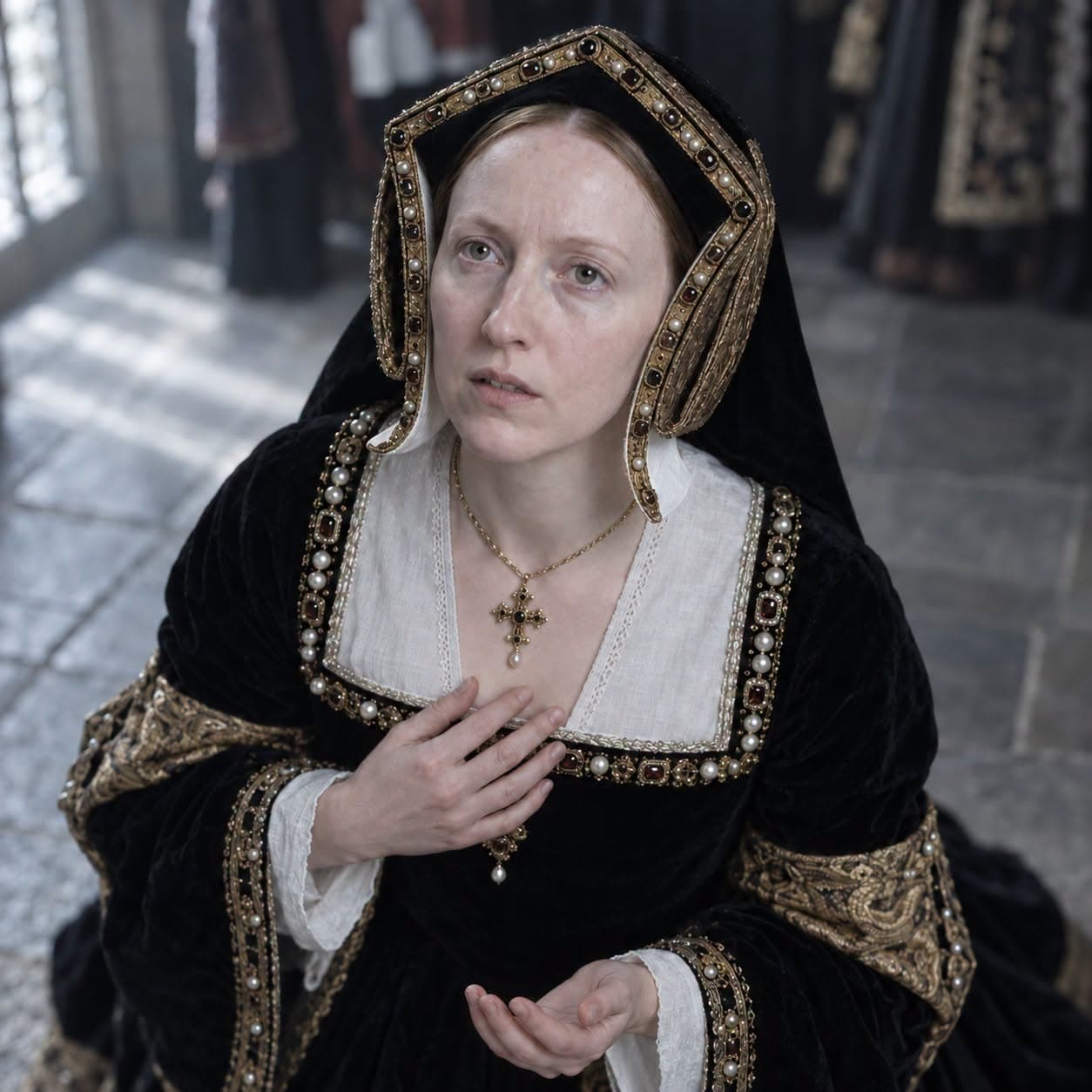
When Alice Kyteler fled Ireland to escape the stake, she took only one person with her: the daughter of the servant she left behind to burn.
Petronilla de Meath was a close companion of Dame Alice Kyteler, one of the wealthiest women in Kilkenny. Alice had buried four husbands and accumulated a fortune substantial enough to make powerful enemies. When the stepchildren of her dead husbands decided her wealth had been obtained through sorcery, they found a willing instrument in Richard de Ledrede, the Bishop of Ossory.
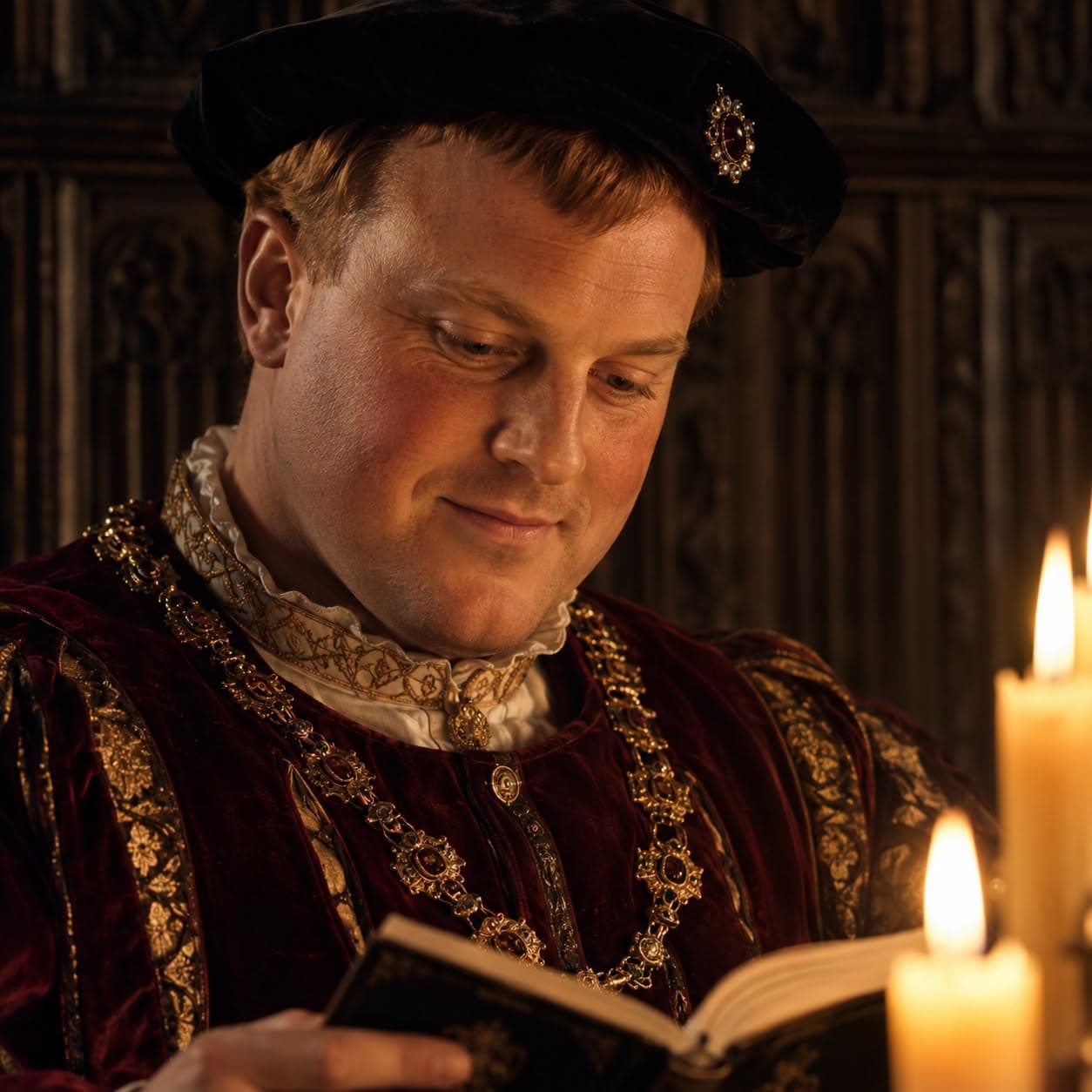
De Ledrede was not a local man with local instincts. He had been formed at the papal court in Avignon, where he had watched the Knights Templar dismantled charge by charge, confession by confession. He arrived in Ireland carrying those inquisitorial methods with him, and the Kyteler case gave him the perfect occasion to use them on local soil.
The charges against Alice's household were extraordinary. Denying Christ. Sacrificing living animals at crossroads. Conducting rituals at midnight using stolen church keys. Making offerings to a demon called Robin Son of Art. And, for the first time in recorded European history, a formal accusation of a sexual relationship between a woman and a demon. De Ledrede did not only want convictions. He was importing a new language of accusation, and he tested every word of it in Kilkenny.
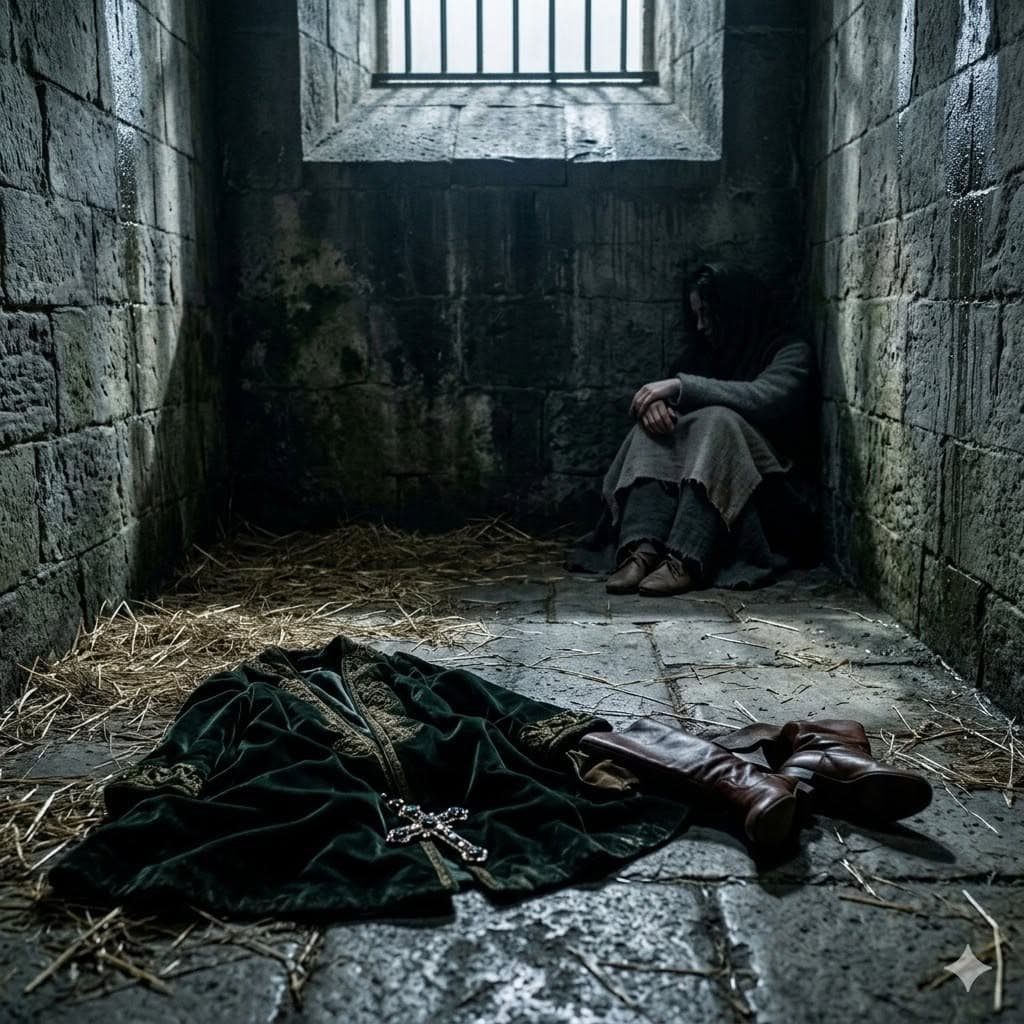
Alice had allies. For a time the secular courts resisted. At one point the Bishop himself was imprisoned in Kilkenny Castle by local lords who considered the charges an overreach of ecclesiastical power. But the machinery ground on. Alice was found guilty on six counts of heresy along with eleven members of her household, including Petronilla.
By the time the verdict came, Alice was gone.
She had received warning enough to flee to England. Whether she understood what her departure meant for those she left behind, the record does not say. She was a woman under genuine threat of death. The Bishop wanted her destroyed, and her flight was survival, not malice.
But she took Basilia. She chose who came with her. And Petronilla stayed in Kilkenny.
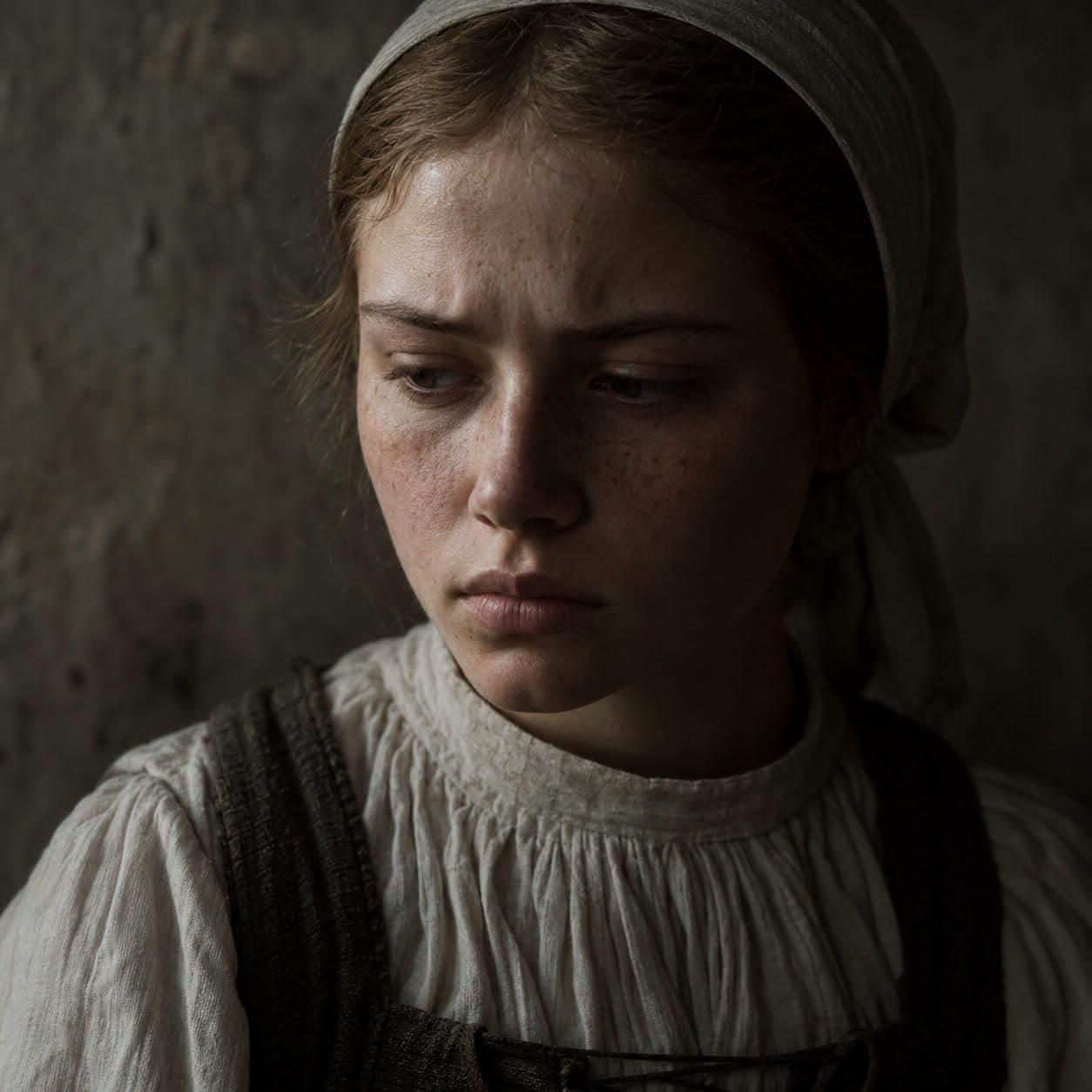
With Alice beyond reach, the Bishop turned to what remained. Petronilla was flogged six times in public. Under torture she confessed to everything. She confirmed the rituals. She confirmed the demon. She confirmed Alice's role in everything she had been asked to confirm. Her confessions were recorded in detail and used to condemn Alice in absentia, ensuring the guilty verdict would follow the wealthy widow to England in ink even if the Bishop could not follow her in person.
When Petronilla was offered the opportunity for penance, she refused it.
On November 3rd, 1324, she was burned at the stake. She was the first person in the history of Ireland or Britain to be executed by fire for heresy.
A Franciscan friar named John Clyn watched it happen and recorded it in his chronicle. He wrote that before her, it was neither seen nor heard of that anyone suffered the death penalty for heresy in Ireland. He understood he was witnessing something new. He did not know how far it would travel.
Alice's son William, also convicted, avoided execution by agreeing to re-lead the roof of St Canice's Cathedral. He was a wealthy banker, too economically vital to the local lords to be given to the flames. He lived.
Petronilla had no such currency.
The methods Richard de Ledrede used in that Kilkenny courtroom did not stay in Kilkenny. Torture to extract confession. One person's testimony used to condemn others. The charge of heresy applied to what had previously been matters of common law. He had learned these weapons in Avignon watching the Templars fall, and he proved they could be exported. He used them on a servant woman in Ireland, and the template held.
For the next three hundred years it travelled. Across England, across Scotland, across France, across the German states, village by village and city by city, consuming tens of thousands of lives.
The machinery of the European witch craze had found its footing. Petronilla de Meath was not the last. She was the first.