The youngest was four when they sent her across the Atlantic. Her brother and two sisters went too. Their mother had been trying to get them back.
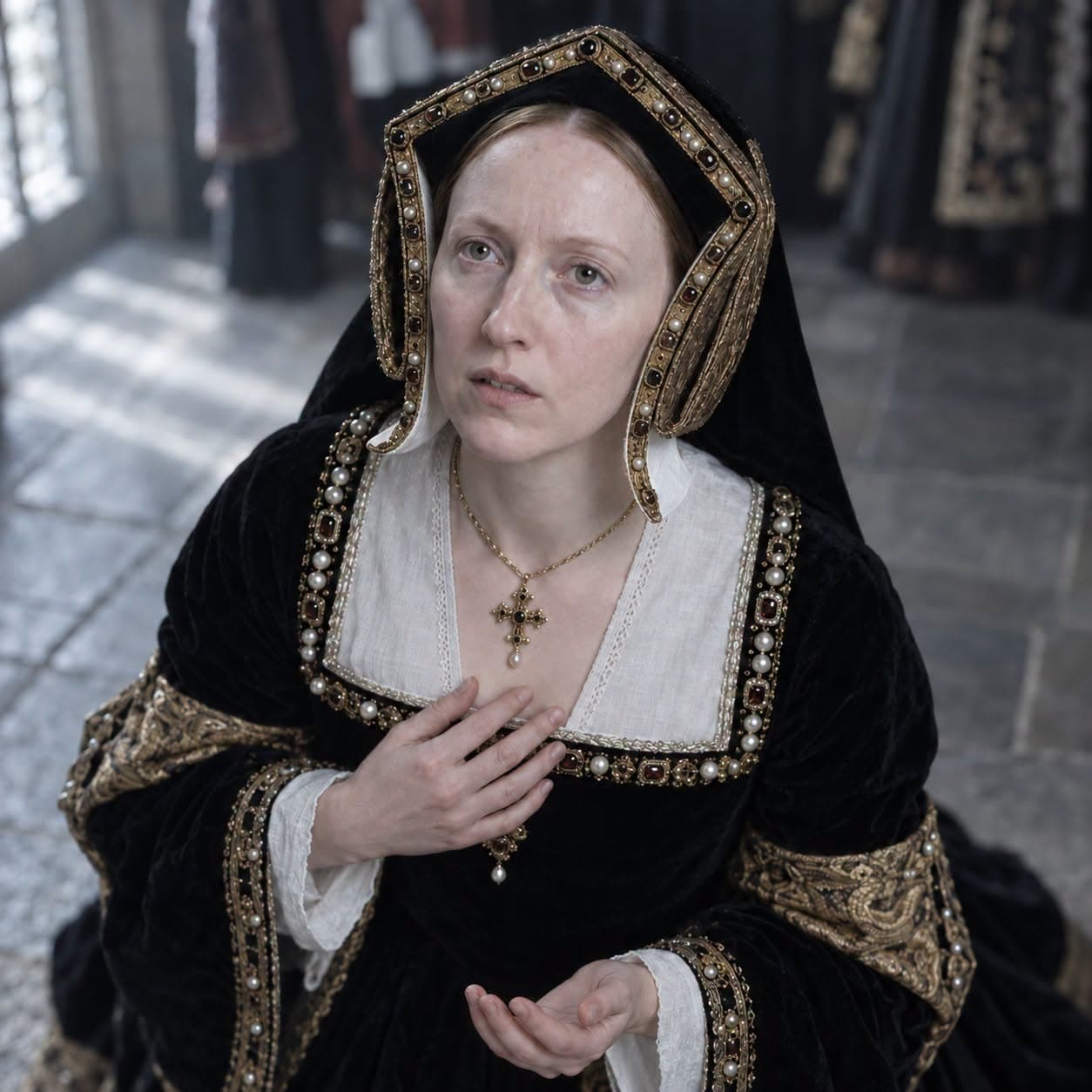
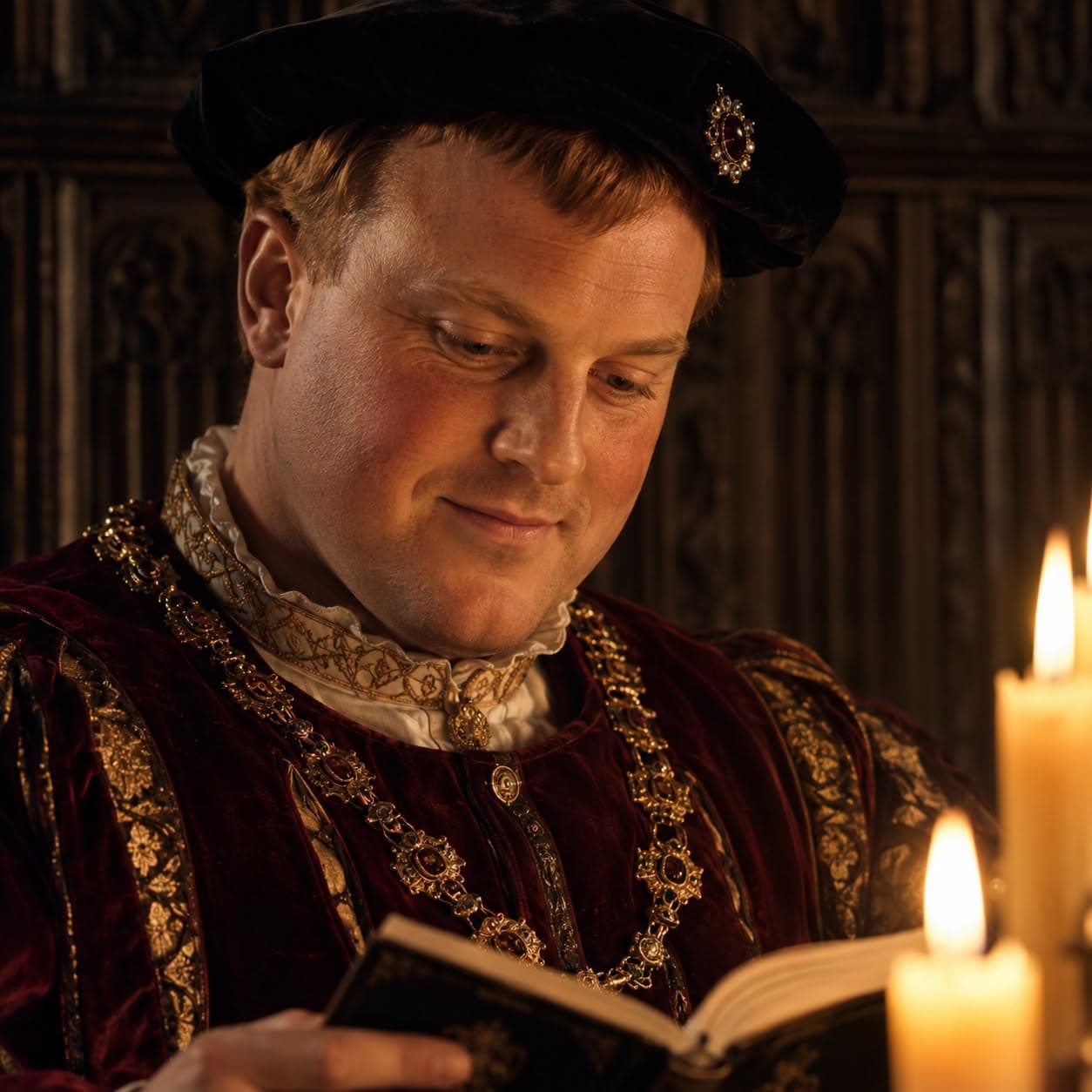
Her name was Katherine More, and the children were Ellen, Jasper, Richard and Mary. They came from a prosperous Shropshire family, had been baptised in the same parish, and bore the surname of the man Katherine had married. Samuel More believed that none of them belonged to him. He obtained control of all four anyway.
Katherine and Samuel were cousins, brought together in a marriage intended to keep family property within the More family. There was already another man in her life, a tenant farmer named Jacob Blakeway, to whom she said she had previously been promised. That claim mattered. A binding earlier marriage contract could give her grounds to challenge the marriage her family had arranged.
She and Jacob tried to establish it in the church courts. Samuel insisted that his marriage to her was valid, while accusing her of adultery with the man she said she had been contracted to first. He believed he could see Blakeway in the children's faces.
The dispute passed through several courts. Katherine was trying to establish which relationship had a lawful claim upon her; Samuel was trying to establish her wrongdoing. Within that argument were four children, the youngest still very small, whose resemblance to another man had become evidence against their mother.
They were taken from her.
The children were moved between other people's homes, and Katherine tried to recover them. This was already a separation before anyone put them aboard a ship. Other adults had charge of them, other households were keeping them, and their mother could not simply arrive and take them home.
By the summer of 1620, the legal struggle had gone against her. Samuel had connections with men involved in a colonial expedition, and through those connections he arranged for all four children to leave England. He was sending them into the care of religious men who intended to establish a settlement across the Atlantic.
He had an explanation for doing it. At a distance, he argued, the children could escape the disgrace attached to their parentage. He described the scandal as “great blots and blemishes” that might otherwise fall upon them. The solution he chose required the children to leave the country where their mother was still living.
There were arrangements for their future. They were to be maintained for seven years and then receive fifty acres of land apiece. Food, upbringing, service and eventual property could all be provided for in an agreement. Their mother had been trying to obtain something rather more immediate: possession of her children.
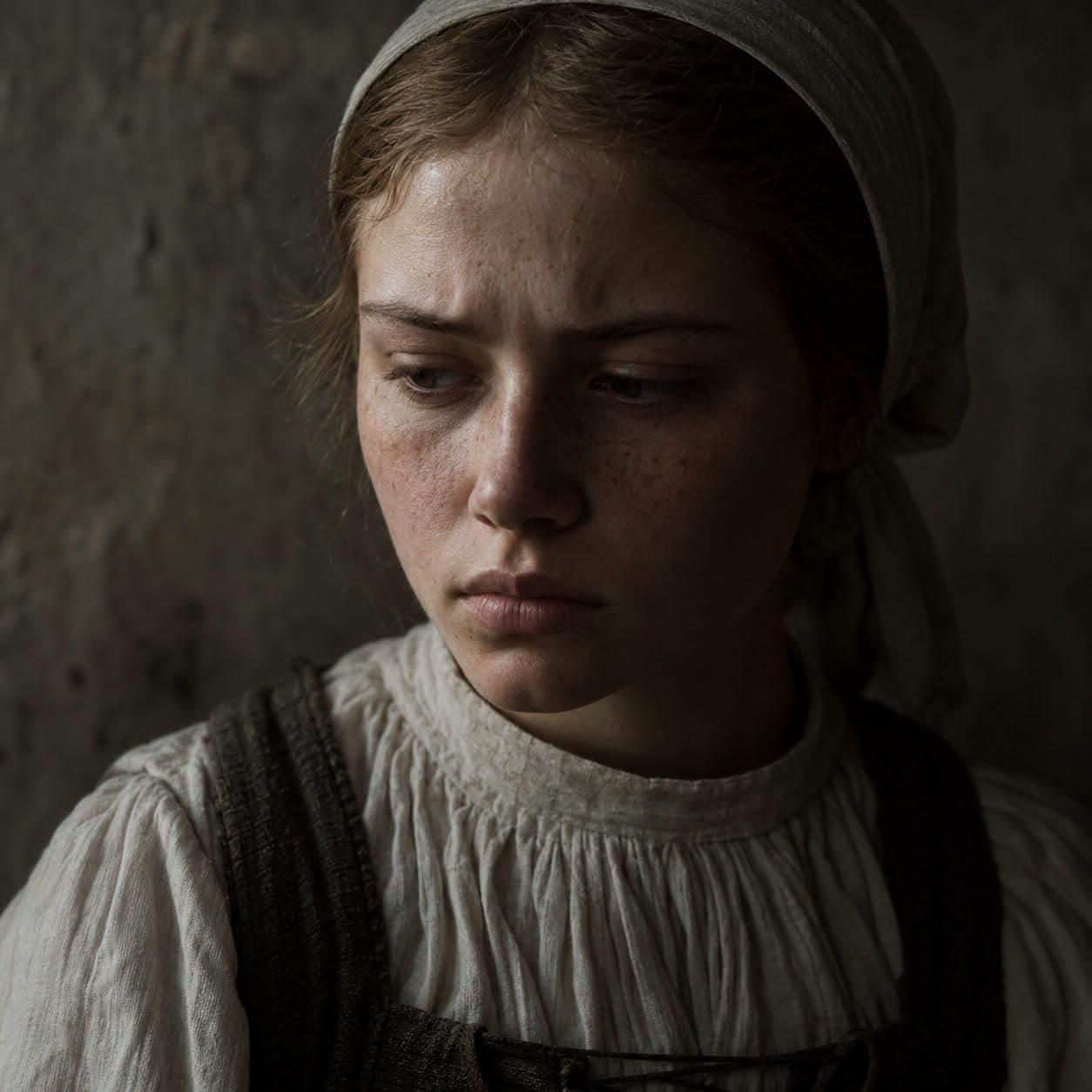
Ellen, the eldest, was about eight. She was placed with Edward Winslow's household. Jasper went with John Carver. Richard and little Mary were put with William Brewster. Four children from one family had been divided between three households, each now responsible for a different part of Katherine's family.
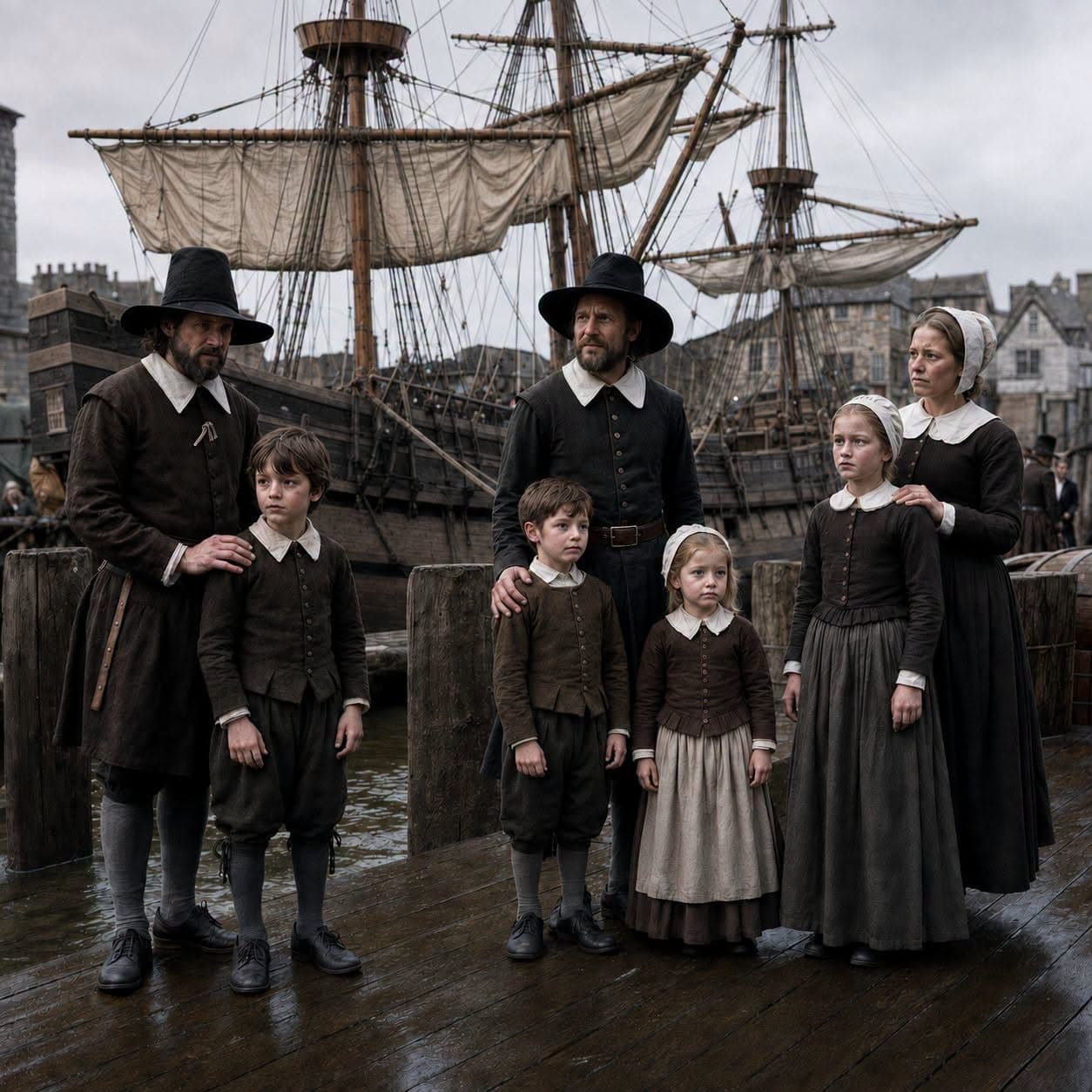
The ship carrying them was the Mayflower. On 6 September 1620, it sailed from Plymouth to begin the Atlantic crossing. Among its passengers were adults who had made difficult decisions about faith, work and the lives they hoped to build elsewhere. The More children were there because a decision had been made about them. Their mother's objections had not kept them in England.
All four survived the crossing. That much of the arrangement succeeded.
Ellen died after the ship reached America. William Bradford, recording what became of the passengers, remembered her as a little girl placed with Winslow and noted that she died soon after arrival. Jasper died too, before the spring, of what Bradford called “the common infection.” Mary did not survive the first winter either.
The child who had crossed with Richard into the Brewster household was gone. So were the older brother and sister who had come from Shropshire with them.
Only Richard remained.
The promised seven years had scarcely begun. Three of the children would never grow old enough to receive the land that had been set aside in the arrangements for their future. They had survived the sea journey and died at its destination, while the woman who had tried to keep them was on the other side of the Atlantic.
Richard grew up. He married, had children of his own, and became a mariner and eventually a ship's captain. His work eventually took him back to England, across the ocean he had first crossed with his brother and two sisters.
There had been fifty acres promised to each of them after seven years. Ellen, Jasper and Mary had not survived the first winter. The youngest had been four, and their mother had never wanted them to leave home.