Mary was fifty-three, and her family expected her to cross Europe and go back to work. She had already governed the Netherlands for twenty-four years. She had already resigned once.
Mary of Hungary died at Cigales, near Valladolid in Spain, on 18 October 1558, before she could make the journey. Her brother Charles V had died twenty-seven days earlier. He had spent part of his own retirement trying to bring hers to an end.
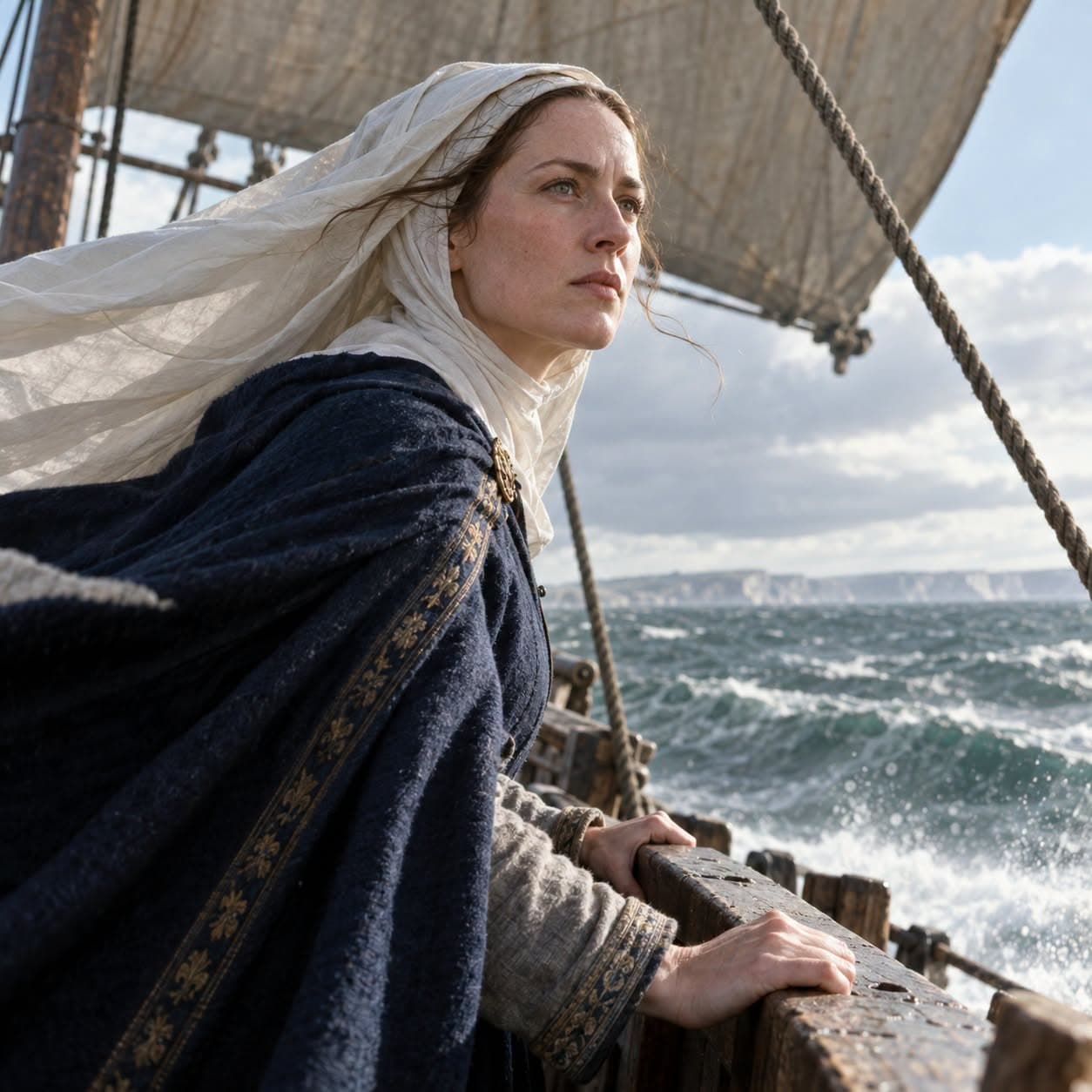
Two years before, Mary had sailed to Spain with Charles and their sister Eleanor. The emperor was giving up his thrones, and Mary had given up the government she had exercised in his name. They were the children of Joanna of Castile and Philip the Handsome, but for the sisters this was no simple homecoming. Both had spent their earliest years in the Low Countries, in the care of their aunt Margaret of Austria at Mechelen. Spain was their mother's country. The childhood they shared belonged elsewhere.
Mary had left that childhood for a marriage arranged to bind the Habsburg family to the crowns of Hungary and Bohemia. Her husband, Louis II, was king of both. Their married life was short, and there were no children. On 29 August 1526, the Hungarian army was defeated by the Ottomans at Mohács, and Louis died. Mary was twenty, still a few weeks short of her next birthday.
She fled the royal residence at Buda for Pressburg, now Bratislava. From there she worked to secure the Hungarian crown for her brother Ferdinand, against a rival claimant. The young woman whose husband had just died was already conducting the business of who would replace him. Her own future was much less settled. There were financial difficulties, uncertainty over her position, and further marriage proposals from a family accustomed to solving political problems with weddings.
She refused to marry again.
When Margaret died, Charles turned to Mary to take over the Netherlands. She accepted the appointment in 1531, returning to the country where she had spent her earliest years. The widow of the Hungarian king became the governor of her brother's provinces, and the work filled the next twenty-four years.
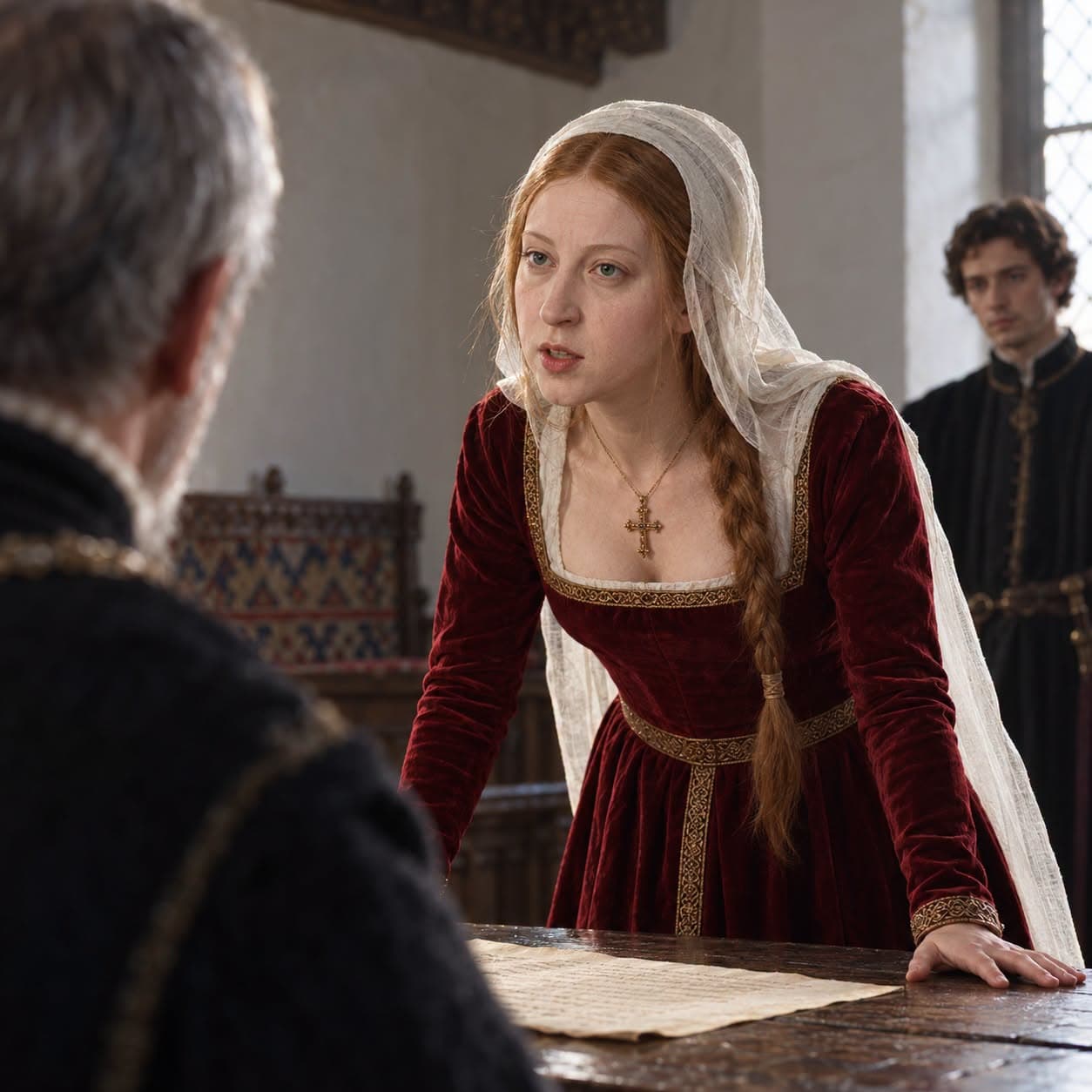
There were councils to manage, money to find and wars against France to sustain. Charles's demands arrived alongside the objections of the people expected to meet them. Mary had to make imperial policy work in provinces with interests of their own, and she did more than pass her brother's instructions along. She argued, advised and acted on her own judgement. Charles could ask for what he wanted. His sister had to deal with what could actually be done.
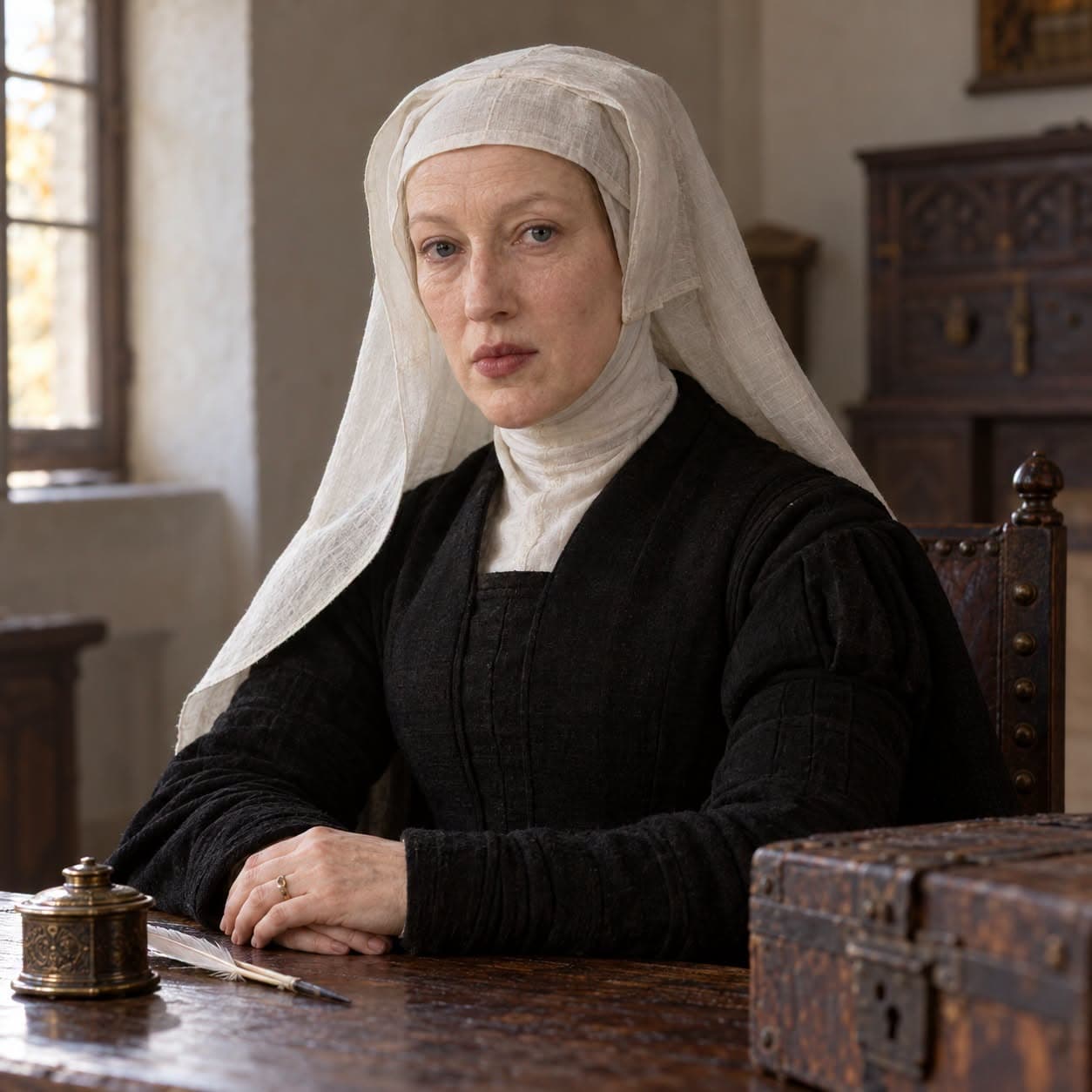
Her portraits from those years show her in widow's dress, the white headdress covering her hair, and it was the way she presented herself in church and on formal occasions. The woman represented with such restraint was governing through war and religious division. She still appeared as Louis's widow. The responsibilities had multiplied.
In 1555, when Charles was preparing to abdicate, Mary put her reasons for leaving into writing. A governor needed to move freely among nobles and townspeople to win their support, and in war she carried the responsibility without being able to take the field herself. Her conclusion was blunt. "And thus a woman, especially if she is a widow, cannot do what should be done."
She was explaining this to the brother she had served for more than two decades. Charles wanted her to remain. She insisted on leaving, and when he laid down his rule over the Netherlands in 1555, she laid down her office too. The following year they left for Spain with Eleanor. Mary had obtained her release. Her nephew Philip, who now ruled the Netherlands, soon began asking for her return.
Then, in February 1558, Eleanor died. The sister who had shared Mary's childhood and accompanied her to Spain was gone. Charles was still alive, and so were the demands of government. Philip pressed his aunt again, and Charles added his own appeals. Mary had refused repeatedly, but on 9 September she sent Philip word that she would return, on conditions.
Before the month was out, Charles was dead as well.
He had been her brother, her employer and, in the end, the man who persuaded her back into the work he had once allowed her to leave. Now he was gone, and the journey remained to be made without him. Her own health failed before she could embark. She died at Cigales less than a month after Charles. Three siblings had sailed to Spain together. All three died in 1558.
The crossing her family had asked of her never took place. In the testament she made that September, Mary had given an instruction for a different journey. She asked that her body be buried wherever the body of her sister Eleanor would be laid.