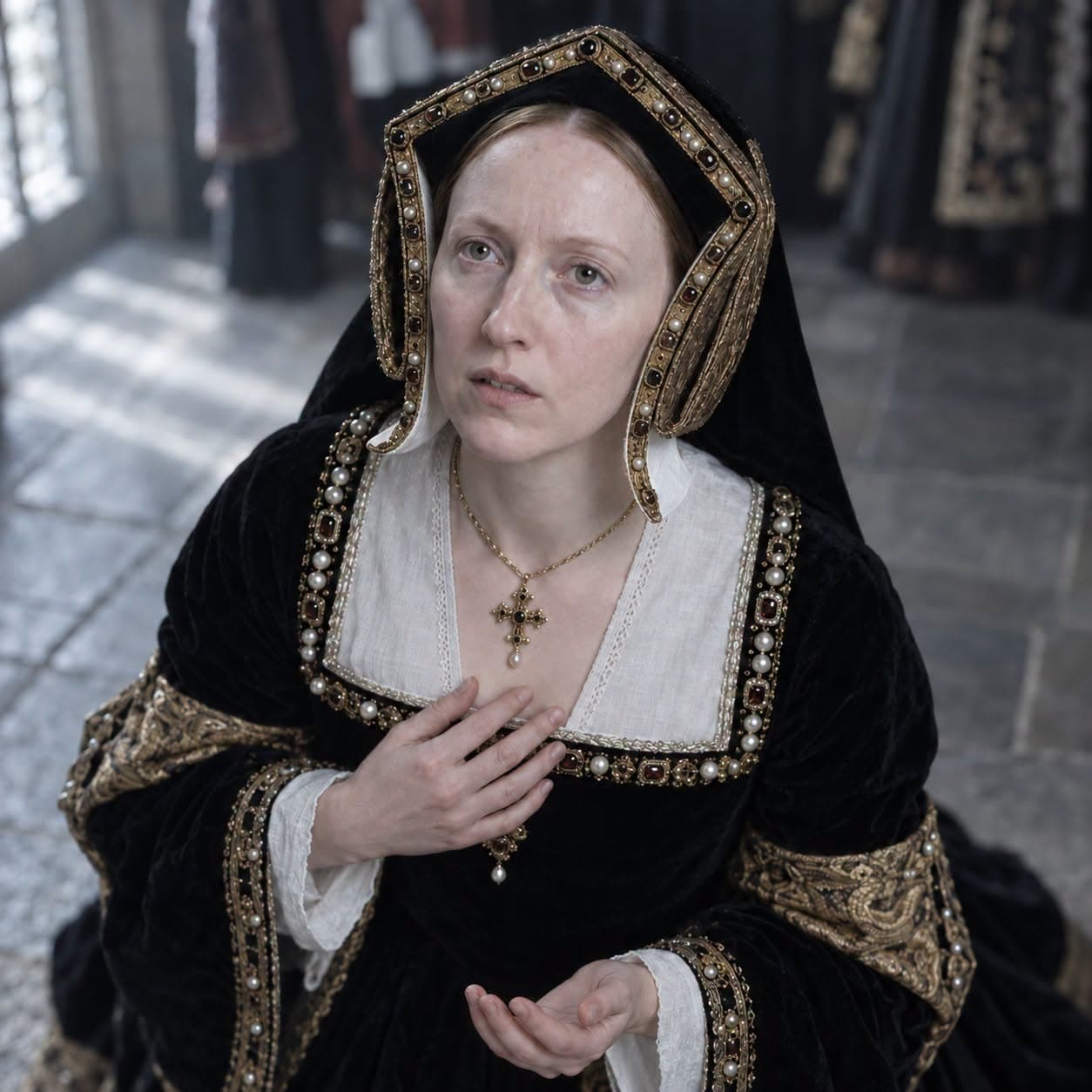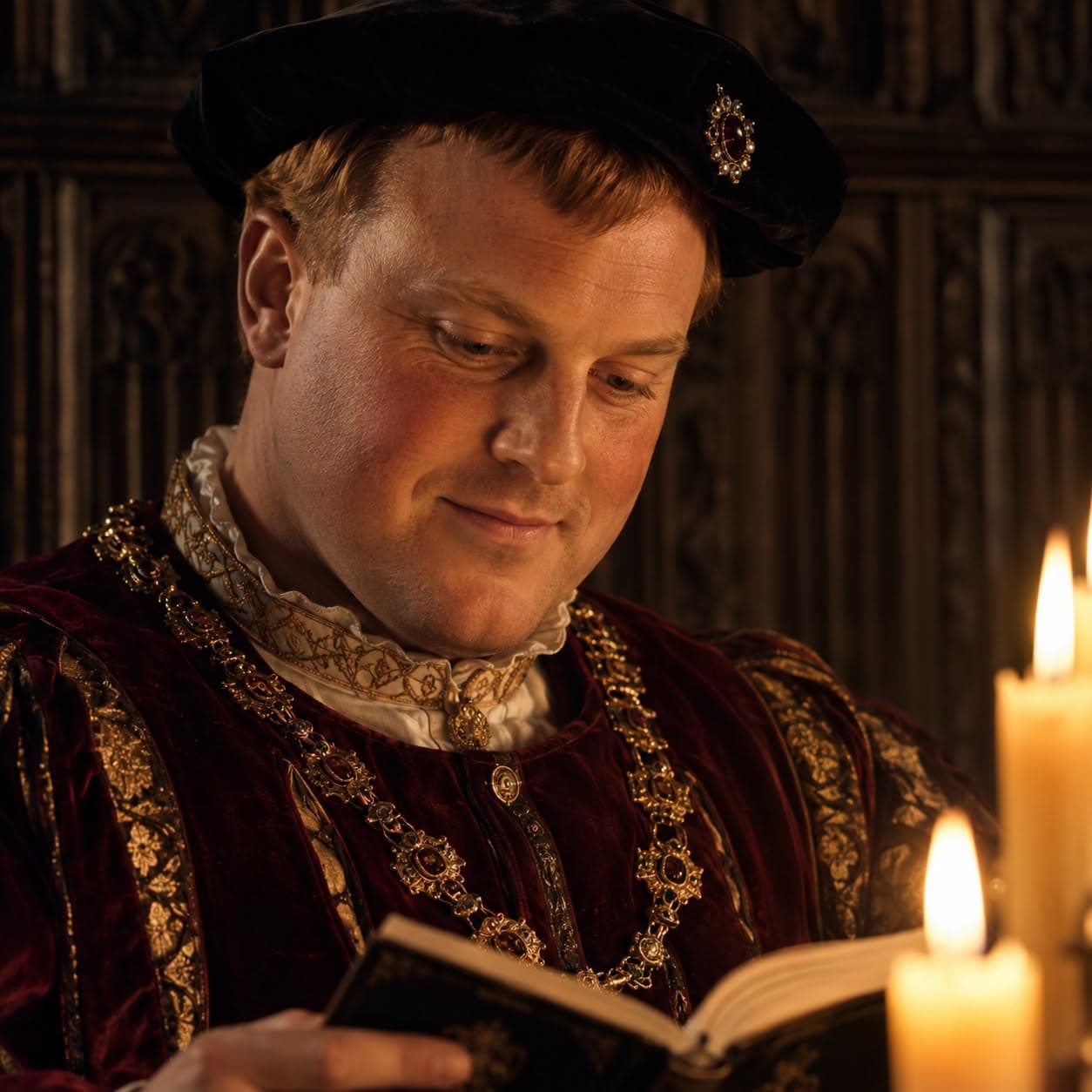
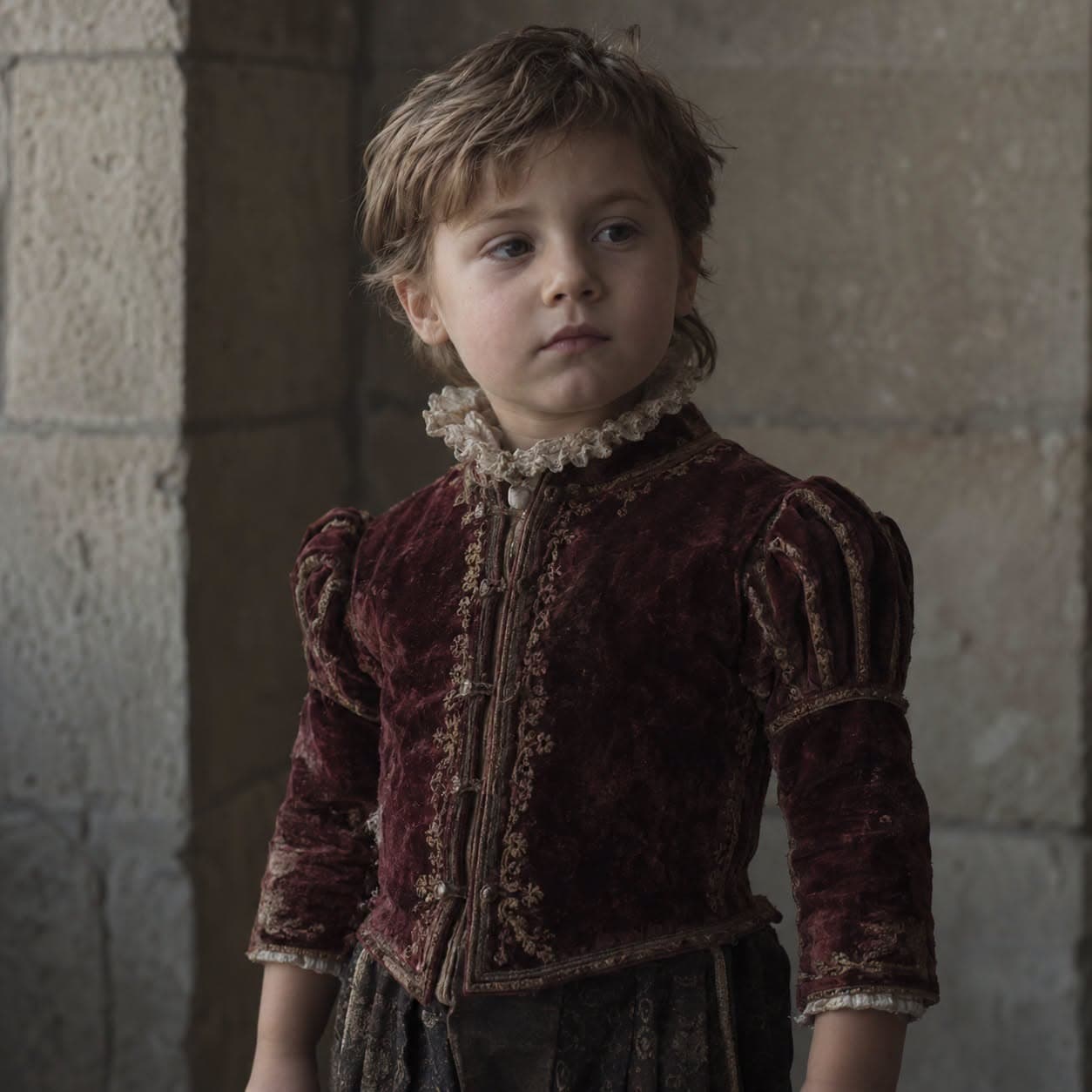
Her son's clothes no longer fitted him. His grandmother wrote to tell her. She had gone to Scotland to marry a king. Her little boy had stayed in France.
The letter was written in 1539 by Antoinette de Bourbon to her daughter, Mary of Guise. François was well. He had grown so much that his clothes would not close around him by about three inches. His face was round, his grandfather adored him, and he was chattering beautifully. Antoinette passed on the news among family illnesses and business concerning his estates, the ordinary mixture of a grandmother's letter. For Mary, it was an account of changes she had not been there to see.
She had been widowed in 1537, when she was twenty-one. Her husband, Louis, Duke of Longueville, had died while she was pregnant with their second son. That baby died too. François survived, inheriting his father's title before he was old enough to understand what had happened to his father.
A young widow with powerful relatives and a considerable fortune was not going to be left to settle quietly into motherhood. James V of Scotland needed a wife after the death of his first queen. The French king wanted to preserve the Scottish alliance. Mary was suitable, available, and connected to one of the most influential families in France. The arrangements proceeded.
She sailed for Scotland in June 1538. François, not yet three, remained with her family. He had a household, an inheritance, grandparents who loved him and relatives attending to his interests. He was well provided for. His mother was across the sea.
The letters continued. Eventually François was old enough to write them himself. Twenty-seven of his letters to Mary, dating from approximately 1540 to 1549, are preserved in the National Library of Scotland. The boy whose grandmother had reported his chatter had become a correspondent in his own right. His mother could follow him growing older in the letters that reached her, while the years in which she might have watched it happen passed in Scotland.
There she had become a queen, and then a widow again. Her two sons by James V died in infancy. Her daughter Mary was born in December 1542, and James died six days later, leaving the baby Queen of Scots.
The child had inherited a kingdom that England intended to secure through her marriage. Henry VIII wanted her for his son Edward. When the proposed match broke down, English armies attempted to obtain through destruction what negotiation had failed to deliver. A little girl's future husband became a reason to burn the country she was supposed to govern.
France offered soldiers, protection and a different husband. In 1548 an agreement was made for Mary to marry the French dauphin and grow up at his father's court. She sailed from Dumbarton that August. She was five.
Her mother stayed behind to defend her interests in Scotland. Ten years after leaving her son in France, she had sent her daughter there too.
The little queen began sending letters of her own. In one that survives from around 1550, she asks her mother to receive a French messenger kindly. He will carry the news she has not put on the page. She signs herself her mother's very humble and obedient daughter, in neat French handwriting. Even the news between mother and child travelled with the king's business.
On 6 September 1550, Mary of Guise finally embarked for France herself. She had been away for twelve years.
She brought a substantial company of Scottish nobles. There was French support to secure, money to discuss, and a political position to strengthen. The men accompanying her could be entertained and rewarded by the French king, and encouraged to see their own interests in the alliance she was sustaining. She wanted more authority in Scotland, where the regency remained in the Earl of Arran's hands. The journey would help her pursue it.
It would also bring her to her children.
François was approaching fifteen. Mary was seven. The son she had left as a toddler and the daughter she had sent away at five were now both in the country where she could see them. The young queen had written to her grandmother that seeing her mother would be the greatest happiness she could desire.
At Rouen, the French court assembled to welcome the visitors. According to one account of the reunion, the little queen had been taught a formal speech to deliver to her mother. Mary of Guise ran towards her and gathered her into her arms instead. Two years apart, and the child had been given words to prepare for the meeting. Her mother wanted to hold her.
For once, news of the children's progress did not have to cross the sea before reaching her. She remained in France for more than a year, visiting her family and travelling with the court. Her own mother had recently been widowed. There were several generations to catch up with, and an absence of twelve years could not be put right in a single reception.
The political work continued around them. Mary pressed for financial support and arrangements that would strengthen her daughter's position. A visit home did not release her from the business that had taken her away. Eventually she prepared to return to Scotland.
François accompanied her towards Dieppe. At Amiens he fell ill, and on 22 September 1551 he died. He had not reached his sixteenth birthday. The visit that had brought his mother back after twelve years became the last time they would spend together.
Mary went back to Scotland that autumn. Her daughter remained in France, with a royal marriage ahead of her and a mother once again working on the other side of the sea.
Antoinette's letter survives. François still the little boy whose clothes will not fasten, whose face has grown round, who chatters beautifully. His grandmother writing because his mother would see such a change in him.
She did see him again. By then, most of his childhood was over.