Mary married in her own rooms at fifteen. Her sister was too ill to attend. Within days, leaving the palace would become a quarrel of its own.
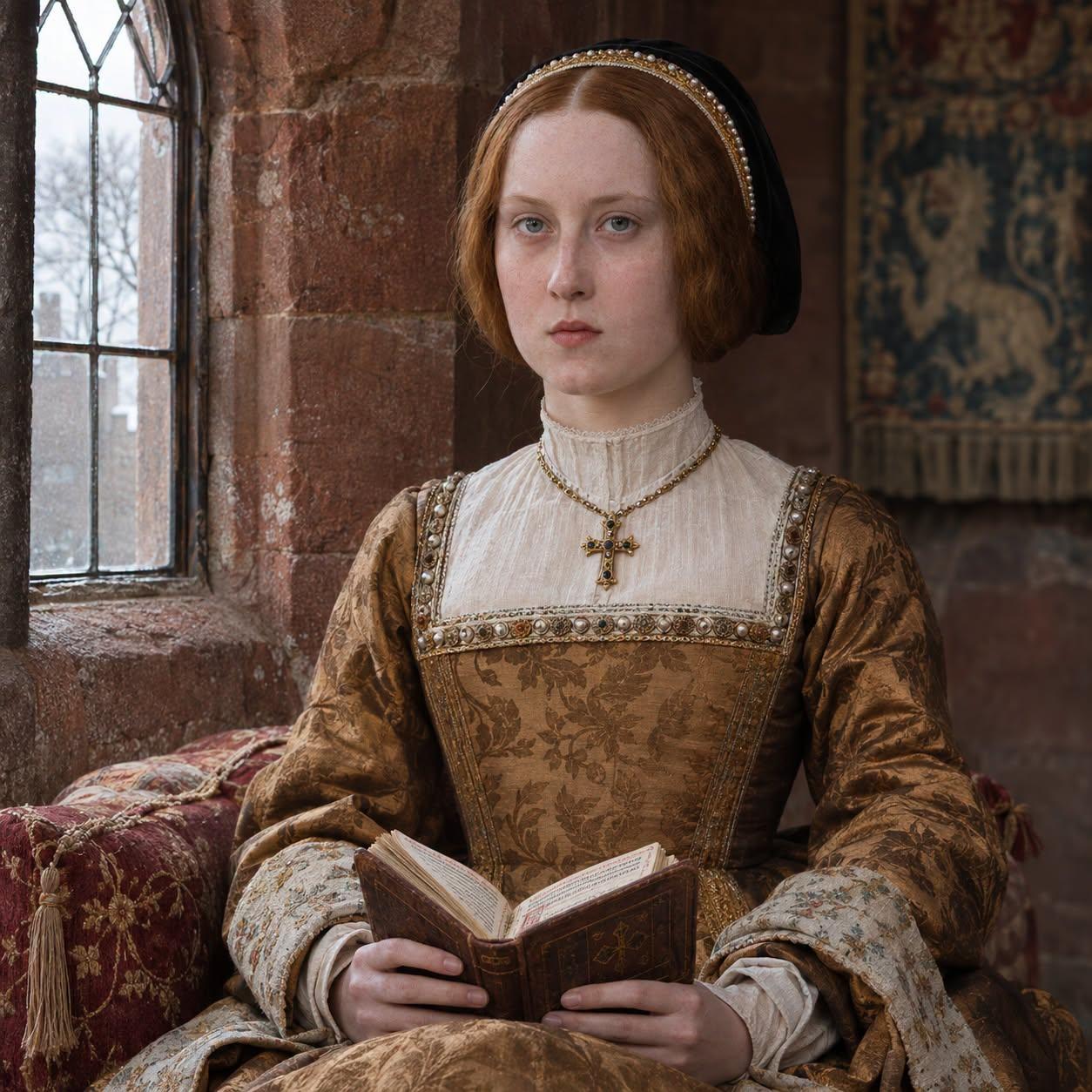
On the evening of 4 November 1677, Mary married William, Prince of Orange, in her apartments at St James's Palace. Henry Compton, Bishop of London, performed the service. The bridegroom was her first cousin, and it was his twenty-seventh birthday. The bride had turned fifteen that spring.
Mary was the eldest daughter of James, Duke of York, the king's younger brother. William's mother had been James's sister, so this was a marriage within the family as well as between countries. The match had been agreed before Mary was told about it, a fortnight before the wedding.
William was a Protestant prince engaged in the struggle against Louis XIV's France. Mary was the Protestant daughter of a Catholic father who stood next in line to the English throne. Her marriage mattered to people who would never meet her.
The ceremony itself was surprisingly private. A wedding planned for later in November had been brought forward with little warning, and a match discussed across Europe was made in Mary's bedchamber, before a small company.
Charles II, her uncle, gave her away. Charles also supplied the jokes. According to her chaplain's diary, he told the bishop to hurry, in case the Duchess of York gave birth to a son first and the marriage was disappointed. The duchess, Mary's stepmother, was heavily pregnant, and a son would have put Mary further from the throne. The son arrived three days later.
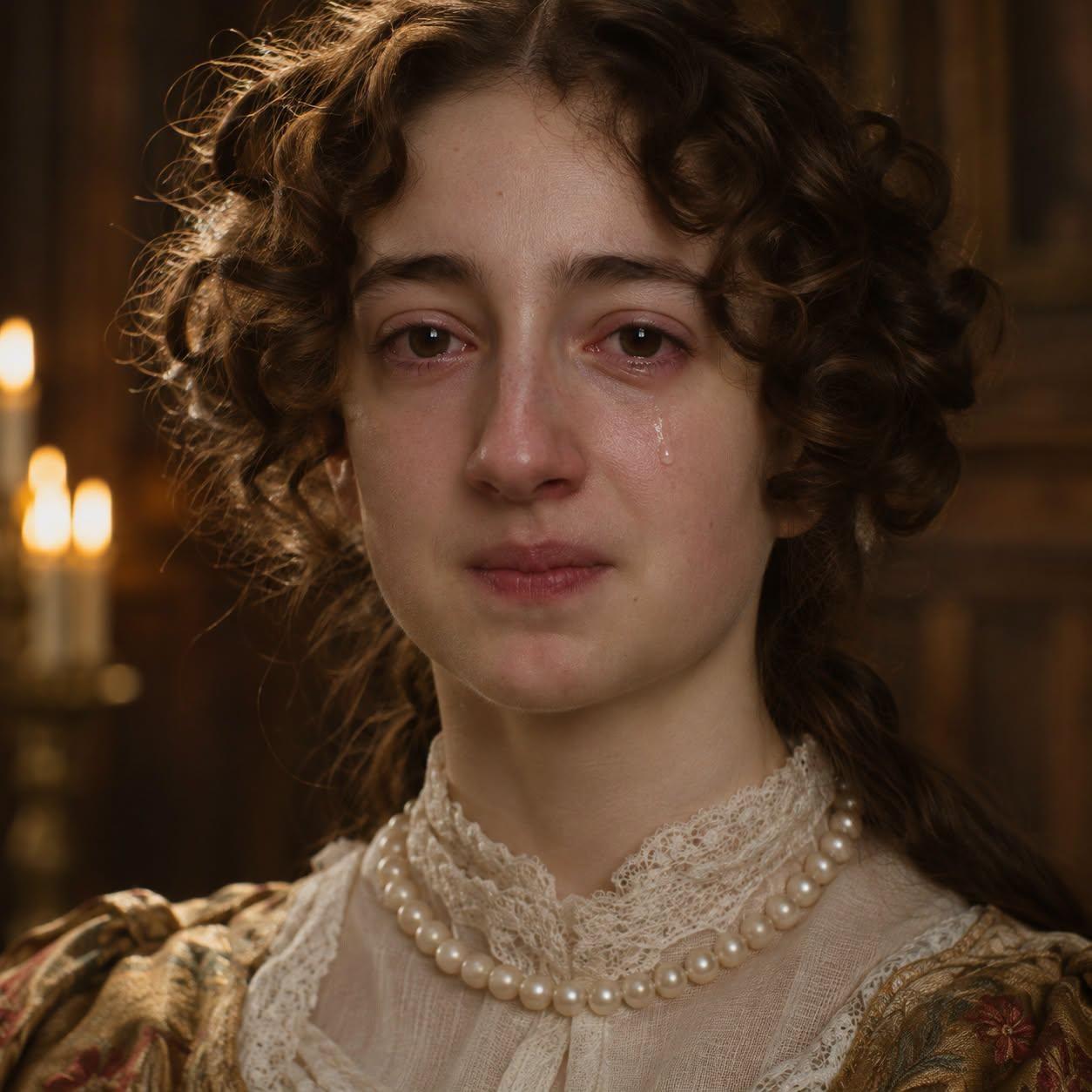
When William laid the customary coins on the prayer book, the same diary has the king telling Mary to put it all in her pocket, for it was "clear gains". It was the sort of joke an uncle could afford at a wedding. One modern account has the bride tearful as she was given away and still crying afterwards. By the end of the service she was Princess of Orange, with a household and a future across the sea.
Anne, her twelve-year-old sister, was missing from the occasion. She was unwell, and by 10 November her illness had declared itself as smallpox. The sisters' mother, Anne Hyde, had died in 1671; of her children, these two girls alone would survive to adulthood. Now one was married and preparing to leave England, while the other was ill inside the palace.
William wanted Mary out of St James's. With smallpox in the household, there was an obvious reason. He urged her to move her lodgings to Whitehall.
On 11 November her chaplain came to take his leave, with the voyage to Holland expected that Friday. He wrote that her eyes were full of tears and that she was "very disconsolate", over Anne and over William's urging. She would by no means be persuaded to go. The chaplain reminded her of his seven years' service, asked to be recommended, knelt and kissed her gown. She "was able to say no more for weeping, and so turned her back and went into her closet".
She stayed at St James's. A royal wedding could settle where a girl would live for years to come. Moving her across St James's Park proved harder.
The departure kept slipping. The queen's birthday ball came and went on 15 November, and then the wind turned against them. "The wind being easterly," the chaplain wrote, they were still detained at St James's. Court talk, which he also set down, complained of "the prince's sullenness, or clownishness", in taking no notice of his wife at the play and the ball. William had peace negotiations on his mind; Mary still had a sick sister. Husband and wife were waiting for the same voyage with very different matters immediately before them.
Before she left, Mary made arrangements for Anne that reached beyond the sickroom. She asked the Duchess of Monmouth to visit her sister often and to accompany her to chapel when she was well enough to appear there again. She also left two letters, to be delivered when Anne recovered. The requests allowed for a future in which Anne was better and Mary was absent. Someone else would have to make that first walk to chapel beside her.
On the morning of 19 November, the couple took barges at Whitehall. The chaplain's diary says Mary "wept grievously all the morning". Queen Catherine, Charles's wife, tried to comfort her by recalling that she too had come to England having never seen the king she was to marry. The diary gives Mary's answer: "But, madam, you came into England; but I am going out of England."
Even then, the farewell and the crossing were separate events. Bad weather took the party round by Canterbury, where they stayed for some days, before Mary and William finally sailed from Margate on 28 November. Twenty-four days had passed since the wedding in her apartments. The ceremony had taken an evening; leaving had occupied much of the month.
Anne recovered, in a household without her sister.
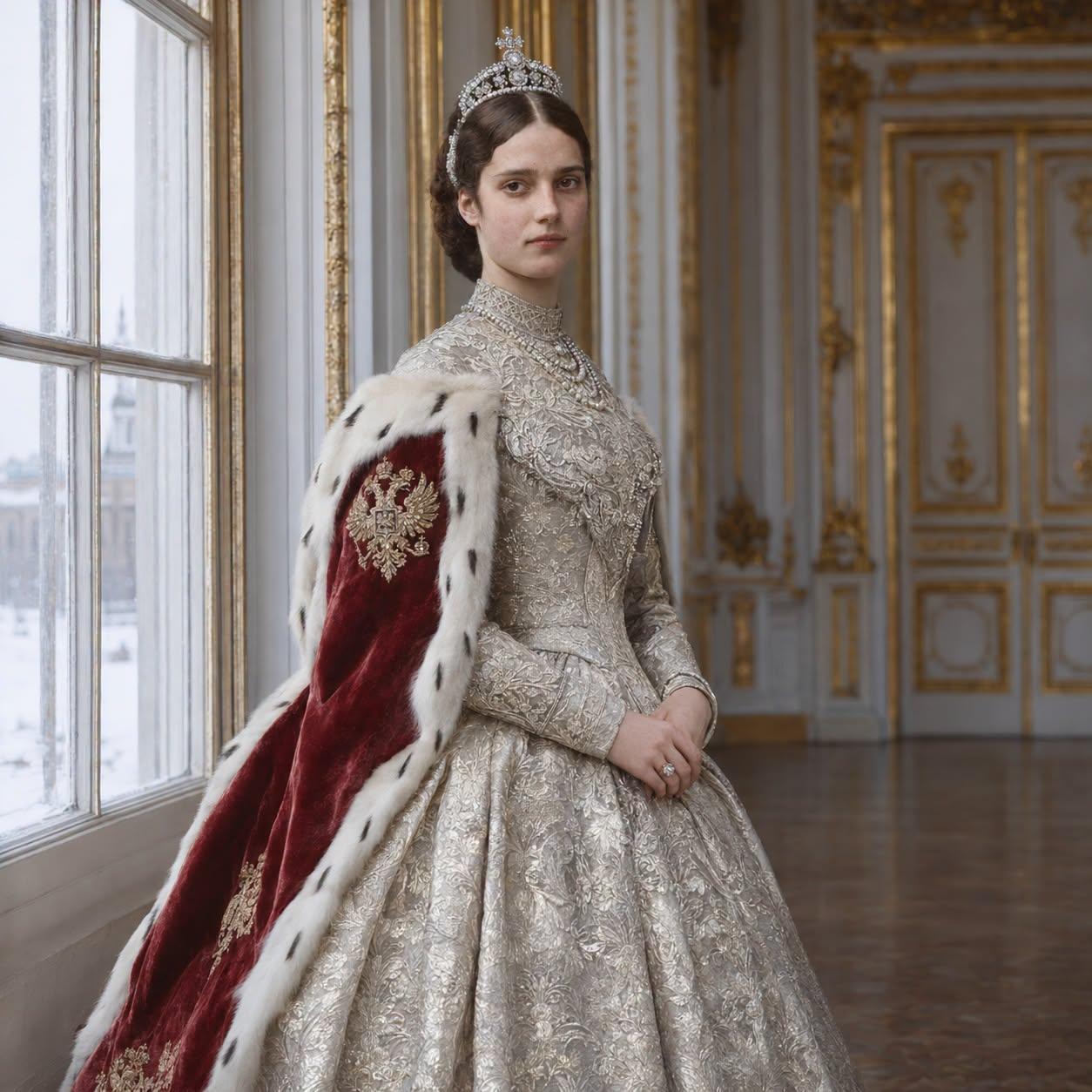
When Mary came back to England in 1689, her father had lost his throne, and she and William were offered it jointly. On 11 April, Henry Compton conducted their coronation in Westminster Abbey. The bishop who had married the fifteen-year-old in her own apartments now crowned her queen beside her husband.