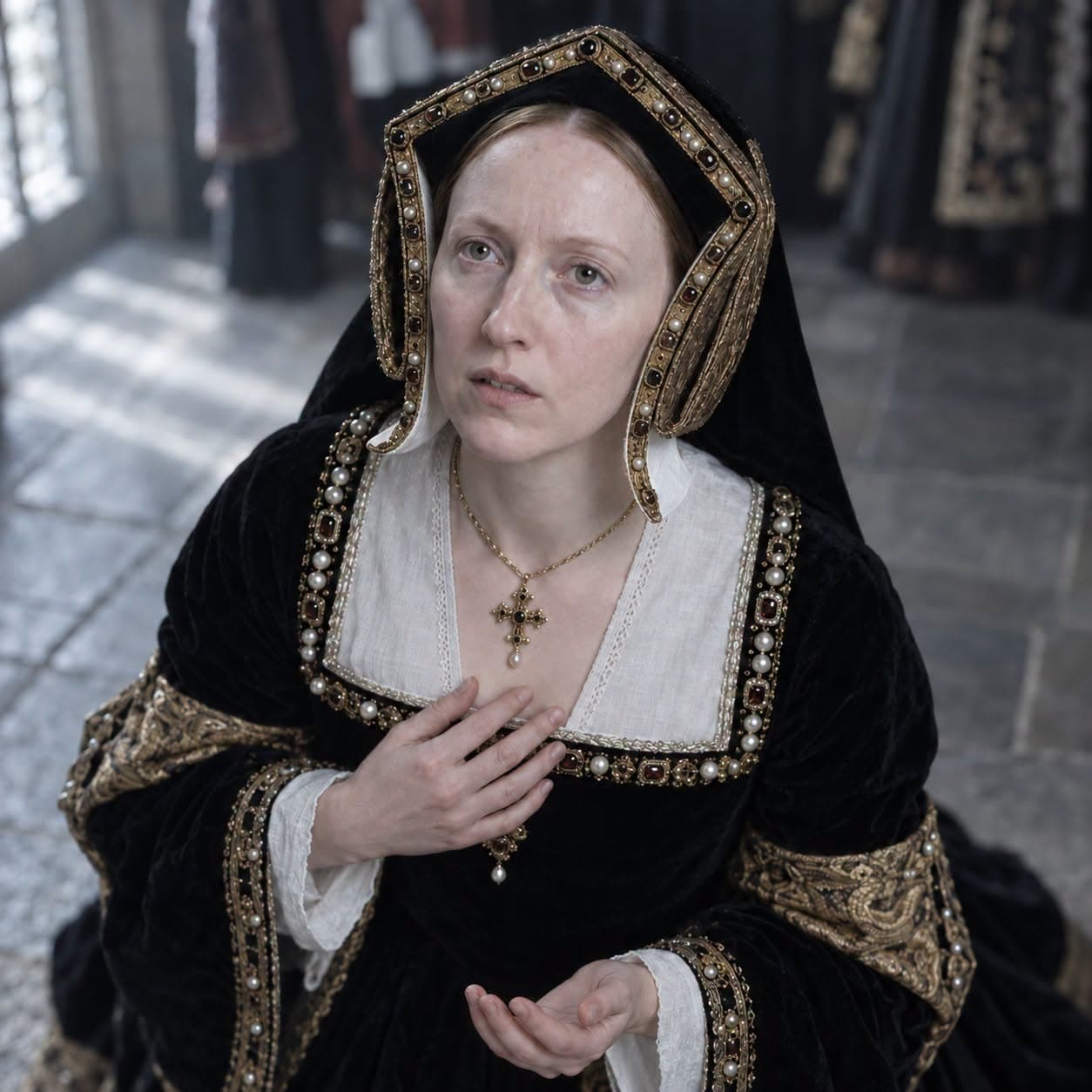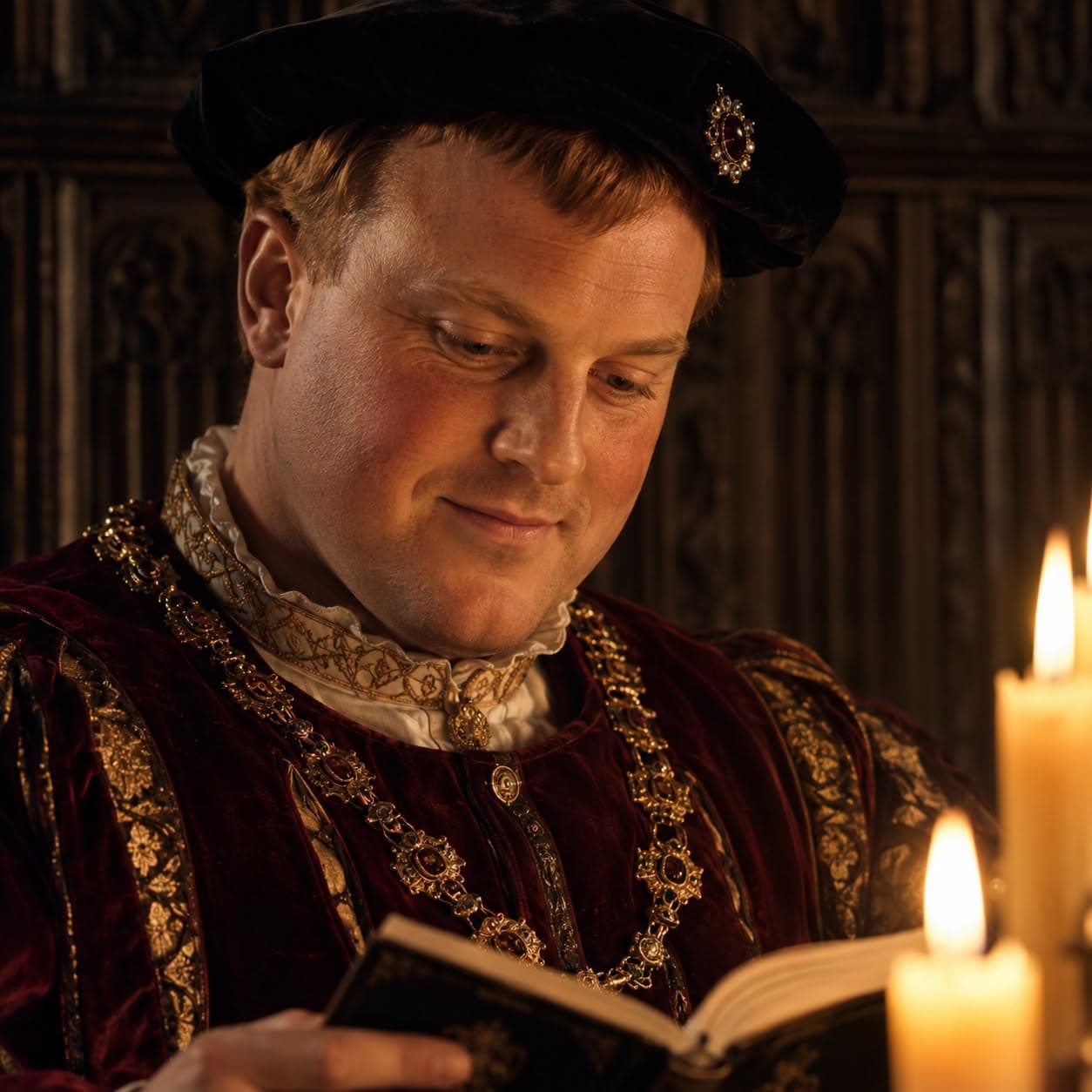
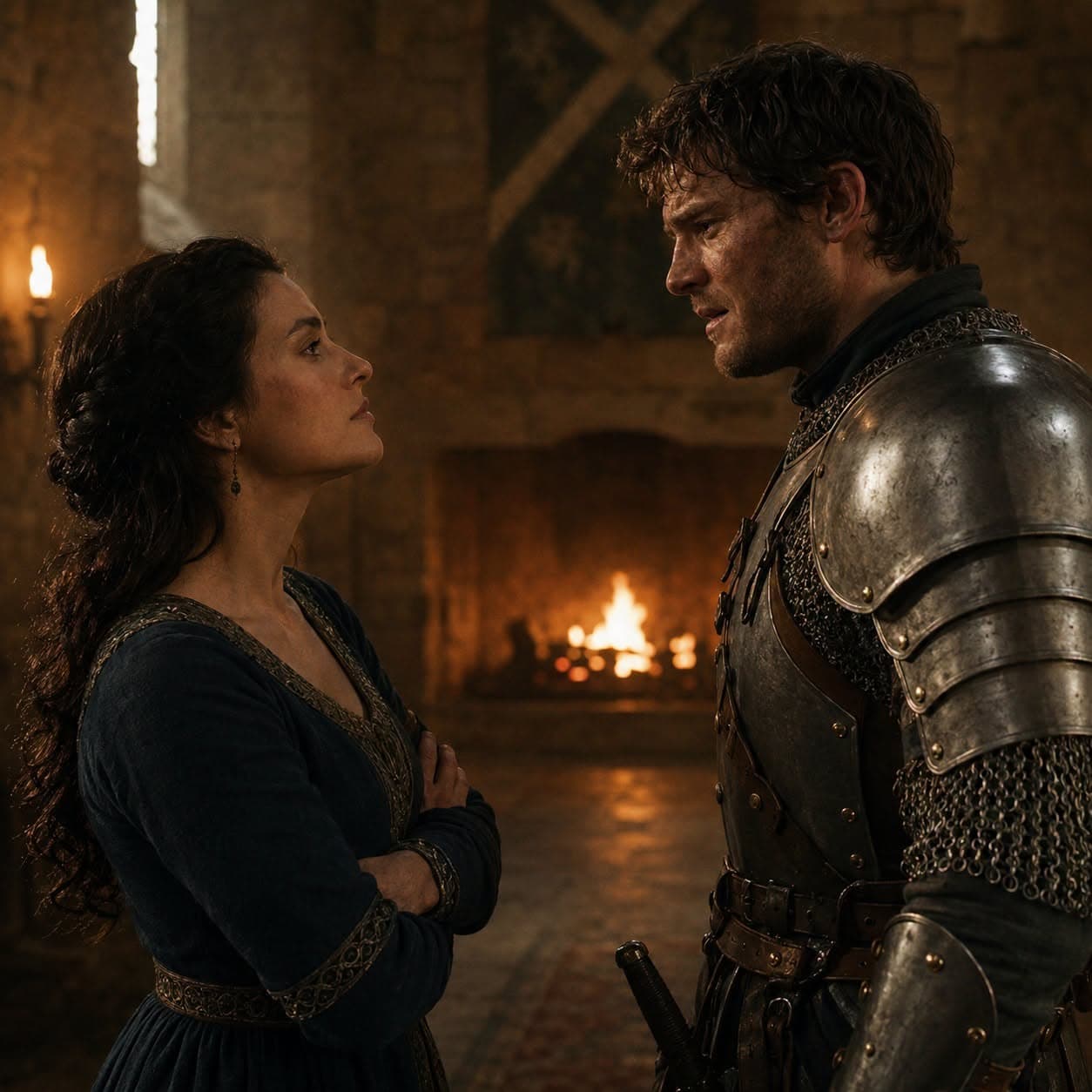
She had taken a crusader captive in her own castle and refused to let him leave until he married her. The king fined them for it. Their eldest son would one day be called Robert the Bruce.
Marjorie of Carrick was no stranger to having a marriage arranged around her. As a girl she had been married, at her own king's arrangement, to a man twenty years her senior, and she had once stood on her castle wall with an infant daughter in her arms, watching him ride off to war. Adam of Kilconquhar died, as the story is usually told, on crusade in the Holy Land in 1271, though at least one account instead places his death years earlier, fighting in England.
When Robert de Brus, Lord of Annandale, arrived at Turnberry to deliver the news of her widowhood, Marjorie kept him there as her guest for a month. At the end of it, he mounted his horse to ride the long road home to Annandale. He had gone only a couple of leagues before her own mounted knights surrounded him and turned him back to the castle. There she told him plainly that he was her prisoner, and would remain one, until he agreed to marry her. Within days, he did.
The marriage came at a price neither of them had bothered to secure in advance. A widowed countess of Marjorie's rank needed the king's consent before remarrying, and they had asked for none. King Alexander III fined Robert de Brus for it, sources differ on the exact sum, one account puts it at roughly a hundred pounds, close to what the standard licence fee would have cost them anyway had they simply asked first.
The title that mattered, though, was never his to begin with. Marjorie held Carrick by right of blood, as the daughter and heiress of Niall, Earl of Carrick. Robert de Brus became Earl of Carrick only because he had married her. The land, the lordship, the standing that came with it, all of it ran through his wife's inheritance, not his own name.
Their marriage was prolific. Twelve children followed, ten surviving to adulthood, among them daughters Isabel and Maud. Isabel would later become Queen of Norway. A younger daughter, Christina Bruce, would take an active role of her own in the Wars of Independence rather than simply marrying into them. Their eldest son was born at Turnberry on 11 July 1274 and given his father's name, Robert. He grew up heir not to an English lordship or a modest Scottish barony, but to an earldom that existed because his mother had once refused to let a stranger walk out of her castle.
When Marjorie died in 1292, her husband formally passed the earldom of Carrick to their eldest son. Robert the Bruce became Earl of Carrick years before anyone spoke of him as a claimant to the Scottish throne, and the title he carried into adulthood, the base of land and loyalty he would later draw on through rebellion and war, existed only because his mother's blood had carried it there first.
History remembers Robert the Bruce for a knife in a church at Greyfriars, for a crown seized rather than granted, for a battlefield at Bannockburn that broke an English army. Long before any of that, the ground beneath his claim belonged to a woman who had once locked a crusader inside her castle and told him he was not leaving unmarried.