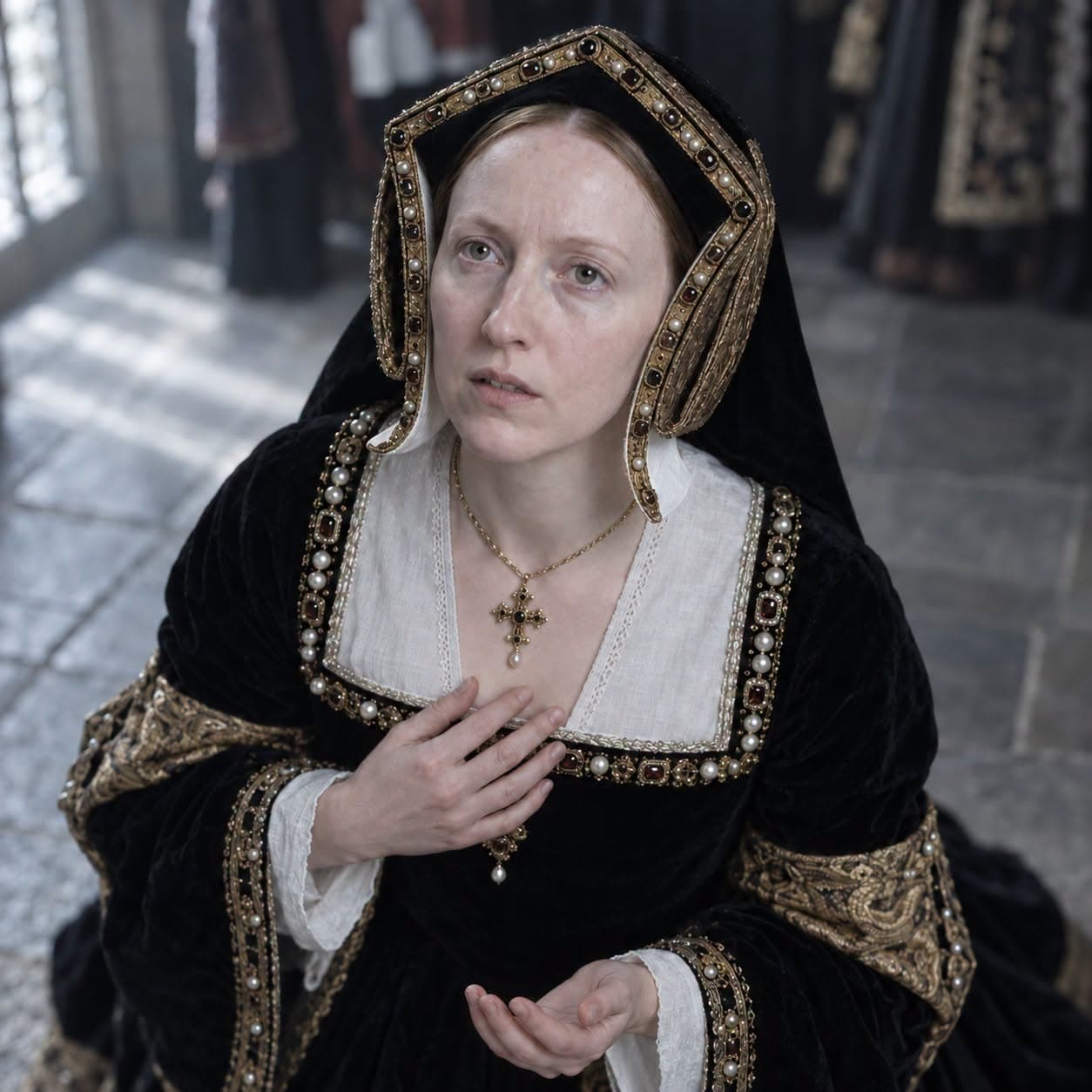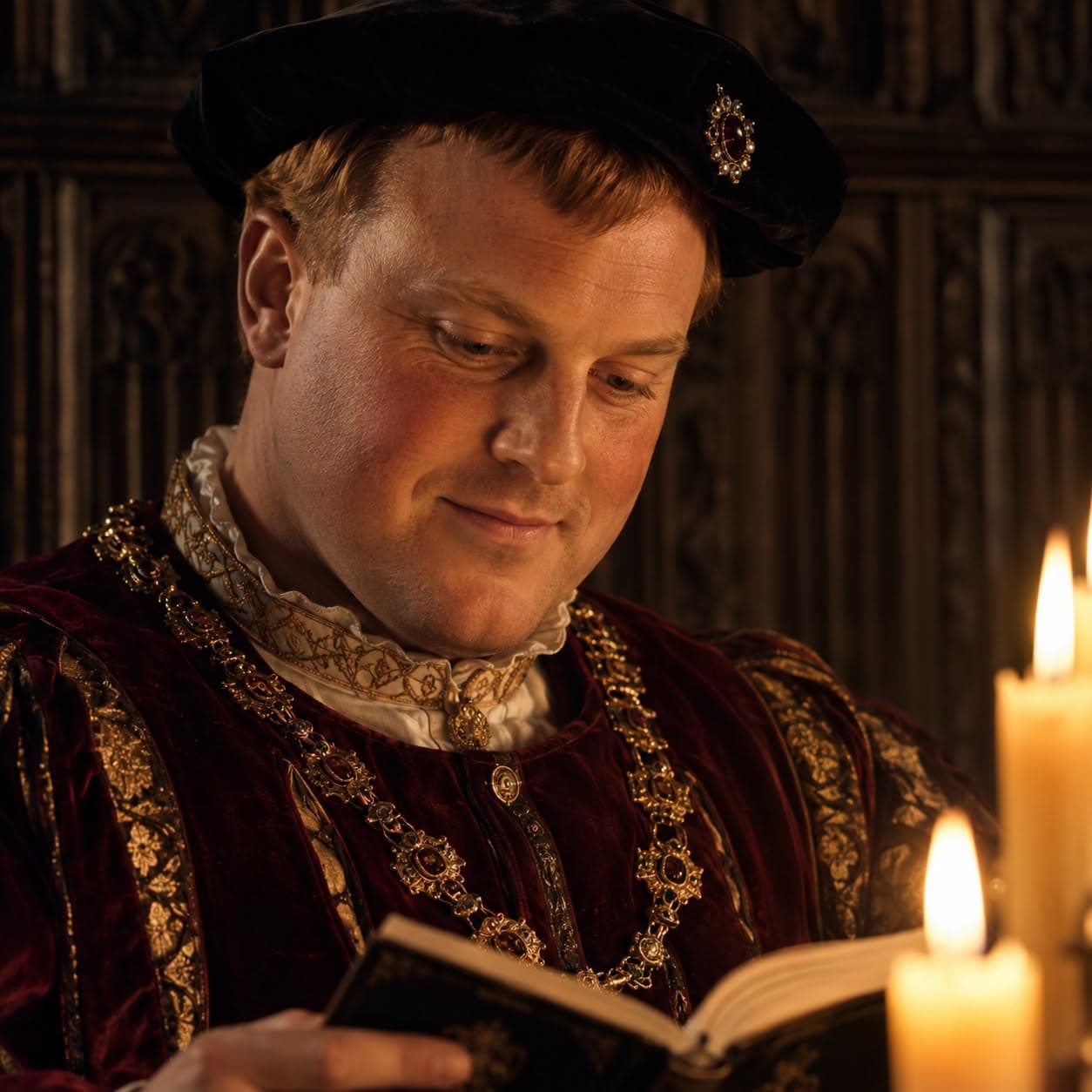
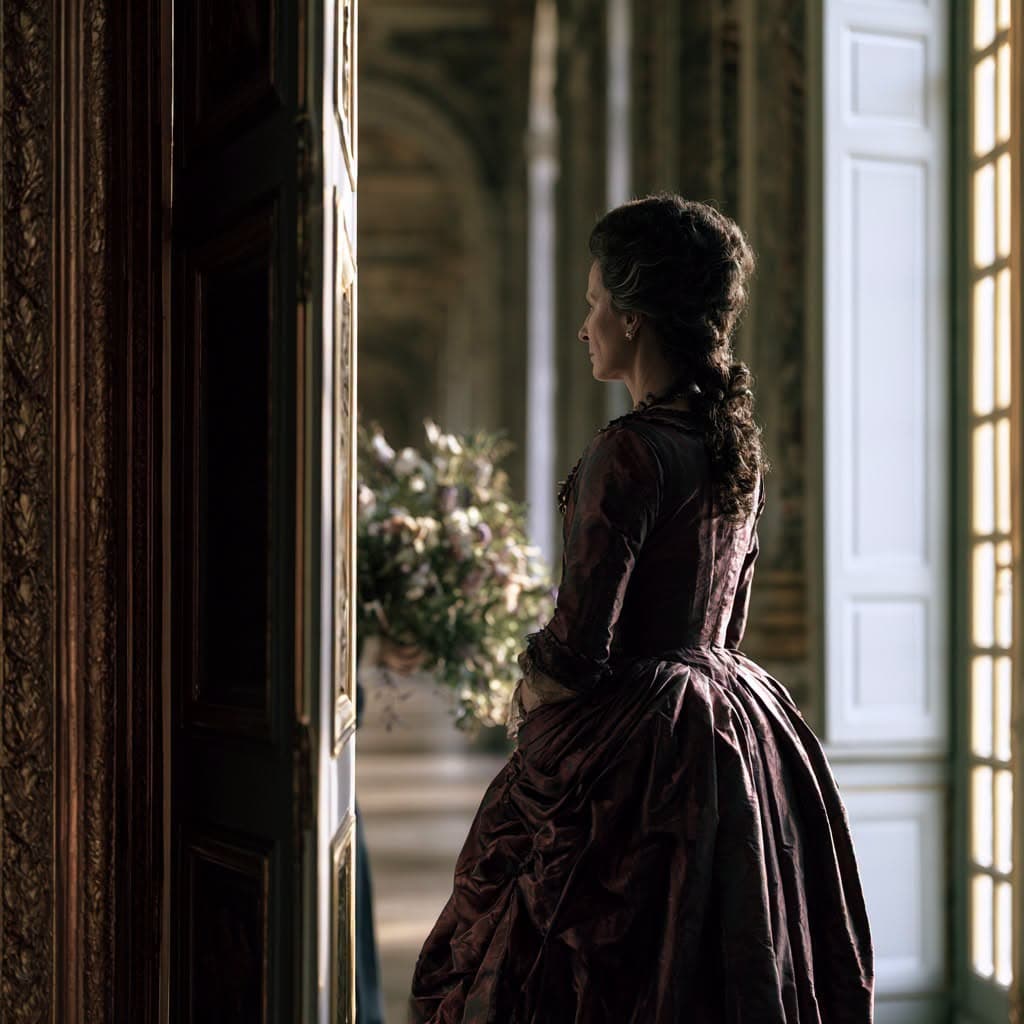
She had replaced a seven year old Spanish Infanta and she gave him ten children. When she finally said no more, his mistress sent her flowers.
Marie Leszczyńska had not been the intended choice. She was the daughter of a deposed King of Poland, living in provincial exile, and she was chosen because France needed an heir quickly and she was available and uncontroversial. It was widely regarded as a mésalliance for the French king. Louis was fifteen years old. She was twenty-two. They married at Fontainebleau on the fifth of September 1725.
She bore ten children between 1727 and 1737. Only seven survived to adulthood. Louis had begun taking mistresses from around 1732 onwards, while the children were still coming. When the tenth child was born in 1737 and the doctors told Marie that any further pregnancy could kill her, she ended the conjugal relationship herself. Louis did not contest it. The court arranged itself more openly around his mistresses. She arranged herself around something else entirely.
What she built at Versailles in the years that followed was a parallel life of genuine substance. She organised weekly Polish choral concerts in the Peace Room. She patronised painters and commissioned works. She founded a convent school in the town of Versailles for the education of poor girls that still exists today as the Lycée Hoche.
The young Mozart visited and she found him charming. Voltaire insulted her twice in quick succession. At the gambling table he implied her guests were cheats, and in print he wrote a poem celebrating Pompadour in terms that made his meaning about the queen plain. He was banished from court through her influence. The mistresses were given positions in her court against her wishes and she could not remove them. But she could remove Voltaire and she did.
Of all the women Louis installed around her, only one showed her any respect. Madame de Pompadour maintained a genuinely cordial relationship with the queen throughout. She sent flowers. She observed the forms of courtesy the court had largely abandoned. The woman Louis had commissioned the Petit Trianon for was the one woman at Versailles who treated his wife decently.
Madame de Pompadour died in 1764. By 1768 Madame Du Barry was already frequenting the king's private apartments while Marie lay dying at Versailles. The courtesy Pompadour had maintained, Du Barry did not extend. Marie did not live to endure it for long. Marie's son the Dauphin had died in 1765, three years before her. She had outlived her heir. She died on the twenty-fourth of June 1768, one day after her sixty-fifth birthday, at Versailles. She had been Queen of France for forty-three years. No queen consort in French history had served longer.
Her body was buried at the Basilica of Saint-Denis. Her heart was taken to Nancy, to rest with her parents in her father's duchy of Lorraine. Louis outlived her by six years. He never publicly acknowledged what the decades had cost either of them.
The court at Versailles moved on before she was cold. Her heart went home.