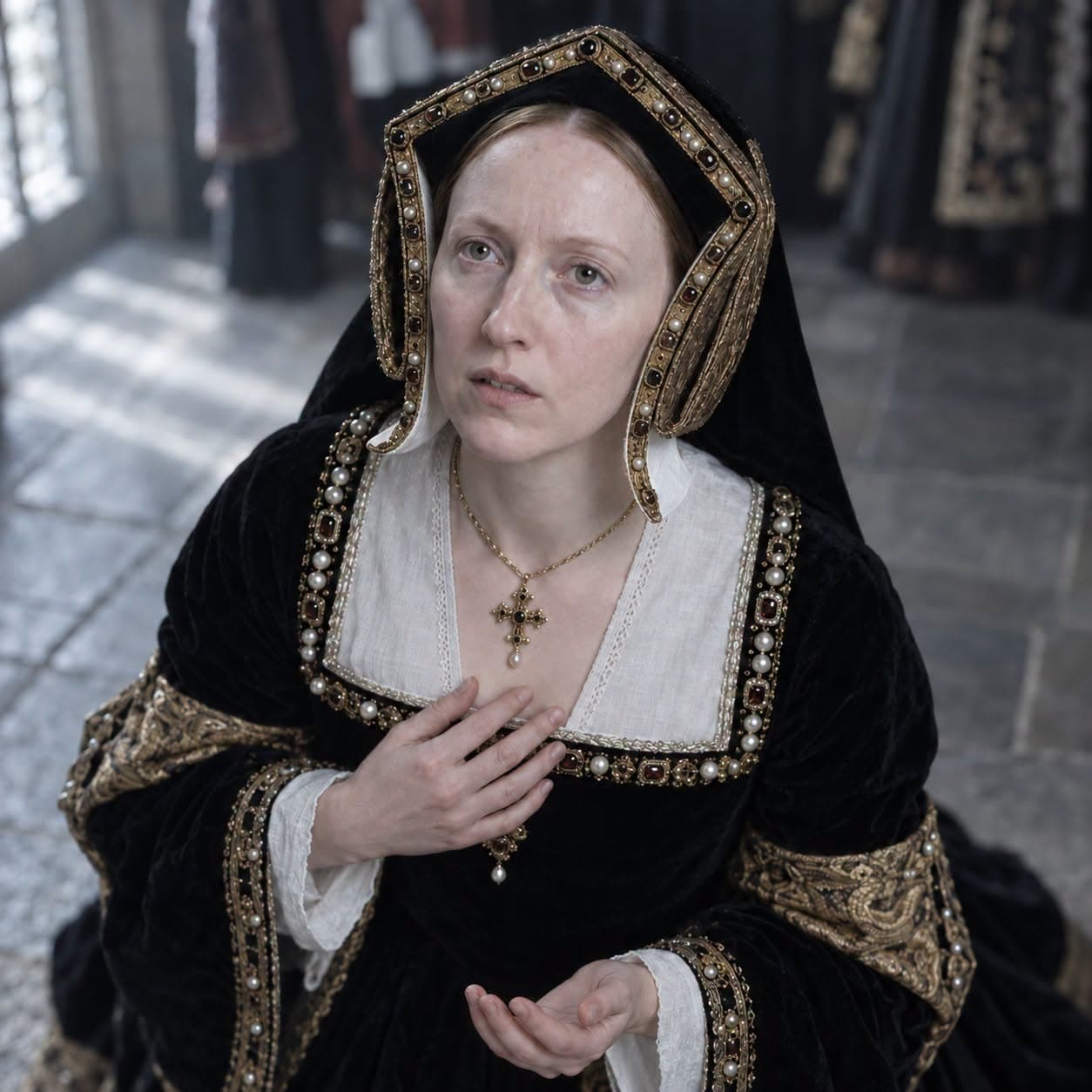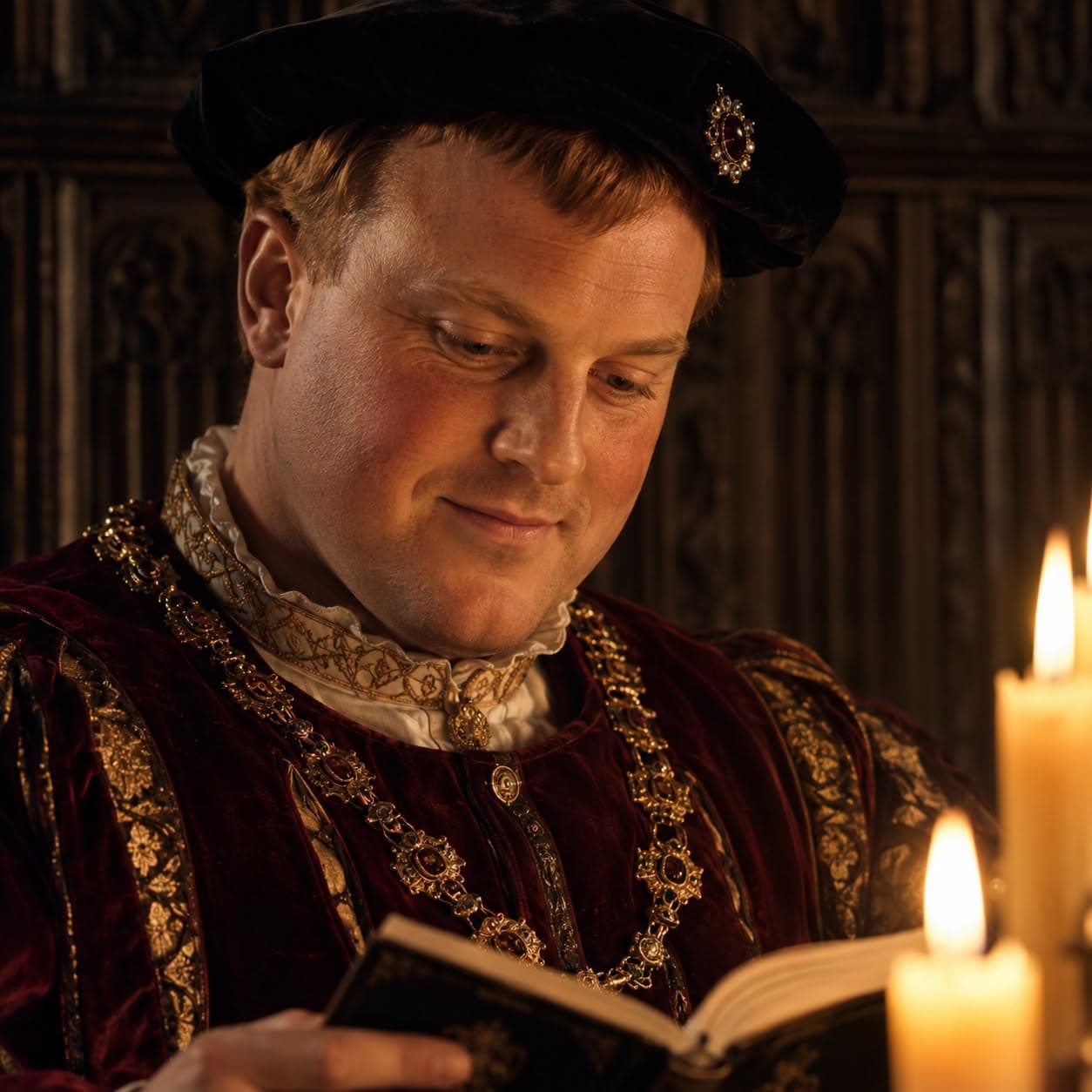

She was seventeen years old when Paris gave itself over to loving her. Twenty years later the same city sent her to the guillotine. On the eighth of June 1773 she stood on the balcony of the Tuileries and wept, and she had no reason yet to know the difference between the two things.
Marie Antoinette had arrived in France in 1770 as the Austrian archduchess sent to secure an alliance between the Habsburgs and the Bourbons, fourteen years old, handed across a border on an island in the Rhine in a ceremony that required her to leave behind every Austrian attendant and every familiar thing and step into a French life that had been designed for her in her absence. She had been dauphine since then, wife to the future Louis XVI, watched at every moment, and she had not yet seen the city that would one day decide what to do with her.
The entry into Paris on the eighth of June 1773 was her formal introduction to the capital. Contemporary accounts estimated the crowds at two hundred thousand or more, the streets and windows and rooftops of the city filled with people who had come to see the woman who would one day be their queen. She rode through the city and the sound was unlike anything she had encountered at Versailles, where applause was a courtly gesture performed at a controlled distance. This was something else entirely. This was a city giving itself over.
At the Tuileries Palace they brought her to a balcony and she looked out at what Paris had sent to meet her, the sea of faces and the noise and the press of a city that had decided, in that moment, that it loved her. She wept. The military governor of Paris, the duc de Brissac, looked at the crowd below and then at the weeping girl beside him and told her: Madame, they are two hundred thousand of your lovers.
She was seventeen years old and she had been in the country for three years and she had never been wrong about anything yet because she had not yet lived long enough for the world to teach her what it was capable of.
She could not have known what she was looking at.
The France that sent two hundred thousand people into the streets to cheer a seventeen-year-old archduchess on the eighth of June 1773 was a France that had not yet broken. The fractures were there, the debt, the taxation, the vast distance between the court at Versailles and the lives being lived beyond its gates, but they had not yet run to the surface in any way that the girl on the balcony could have been expected to read.
Twenty years later Paris would know her by a different name. The city that called her to the balcony in 1773 would call her the Austrian woman, the foreigner, the one who had never truly been theirs despite the tears and the cheering and the afternoon the people of France gave themselves over to loving her.
The revolution that consumed the monarchy would reach her in stages, each one more severe than the last, and she would face the worst of them with a composure her enemies would call coldness. She would go to the guillotine on the sixteenth of October 1793, in the same city, before a crowd that contemporary accounts describe as no less vast than the one that had cheered her two decades before.
She was thirty-seven years old. She had been in France for twenty-three years. She stood on the balcony and wept, because she had never felt anything like it before. There was nothing in the summer air that night that warned her what the same city would one day ask of her.