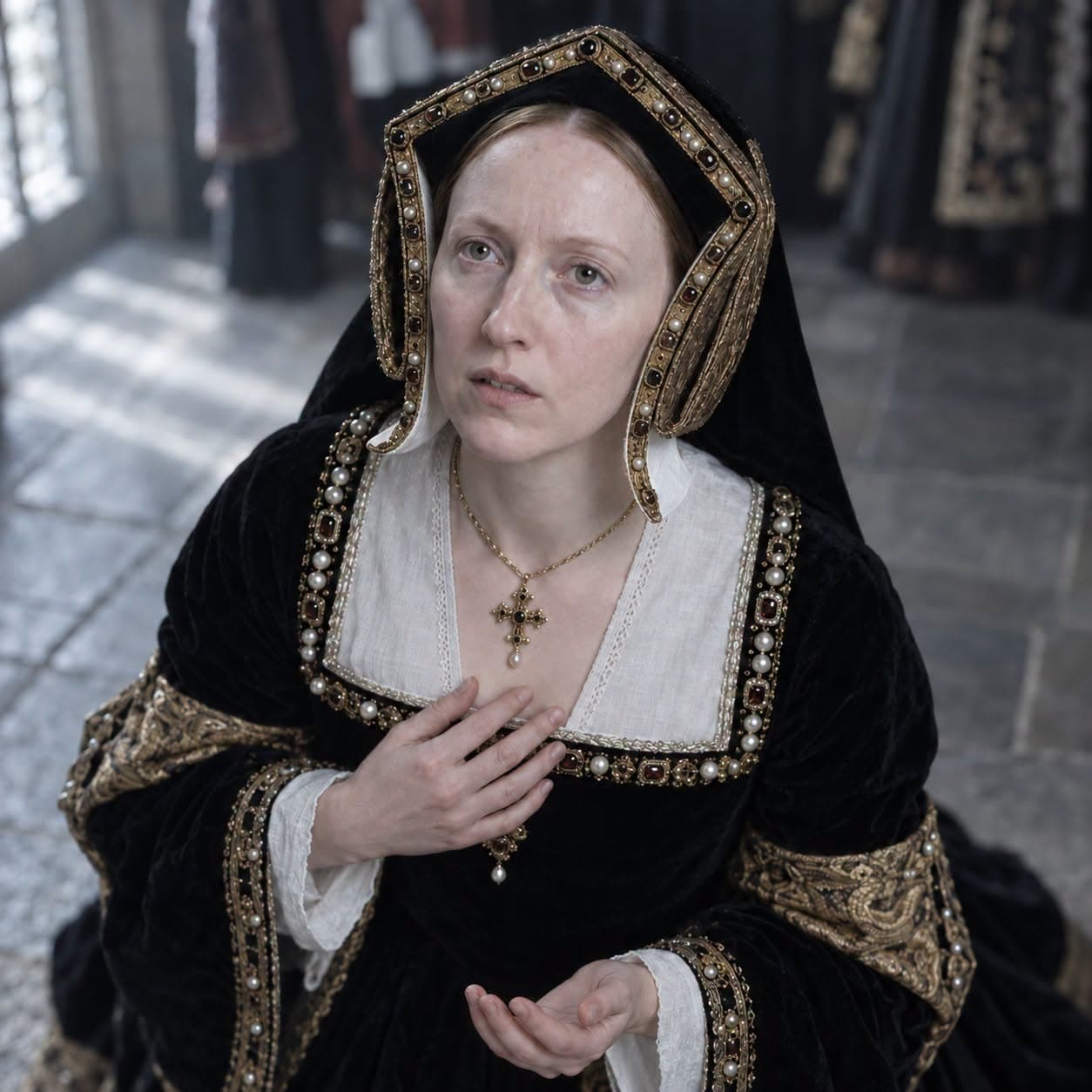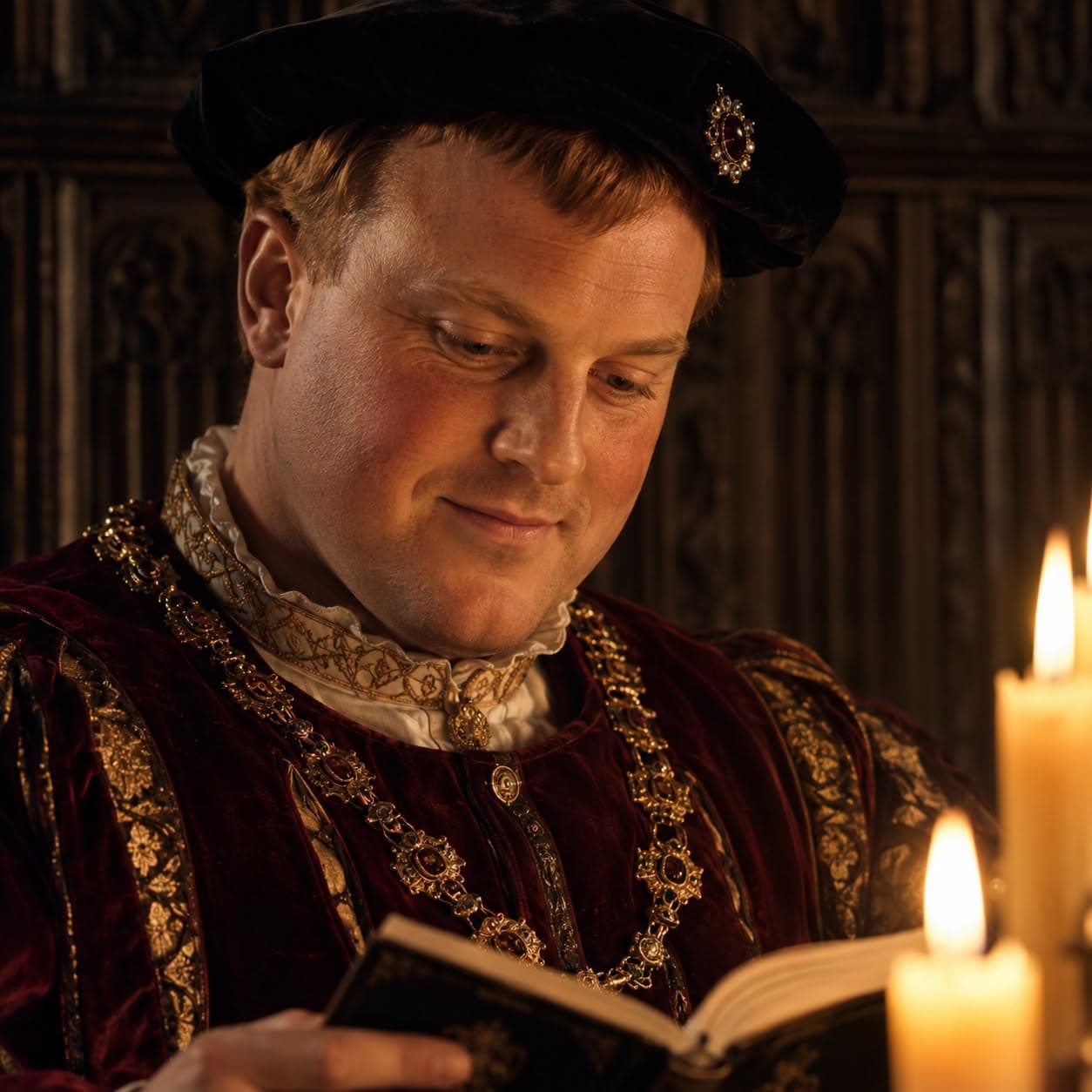
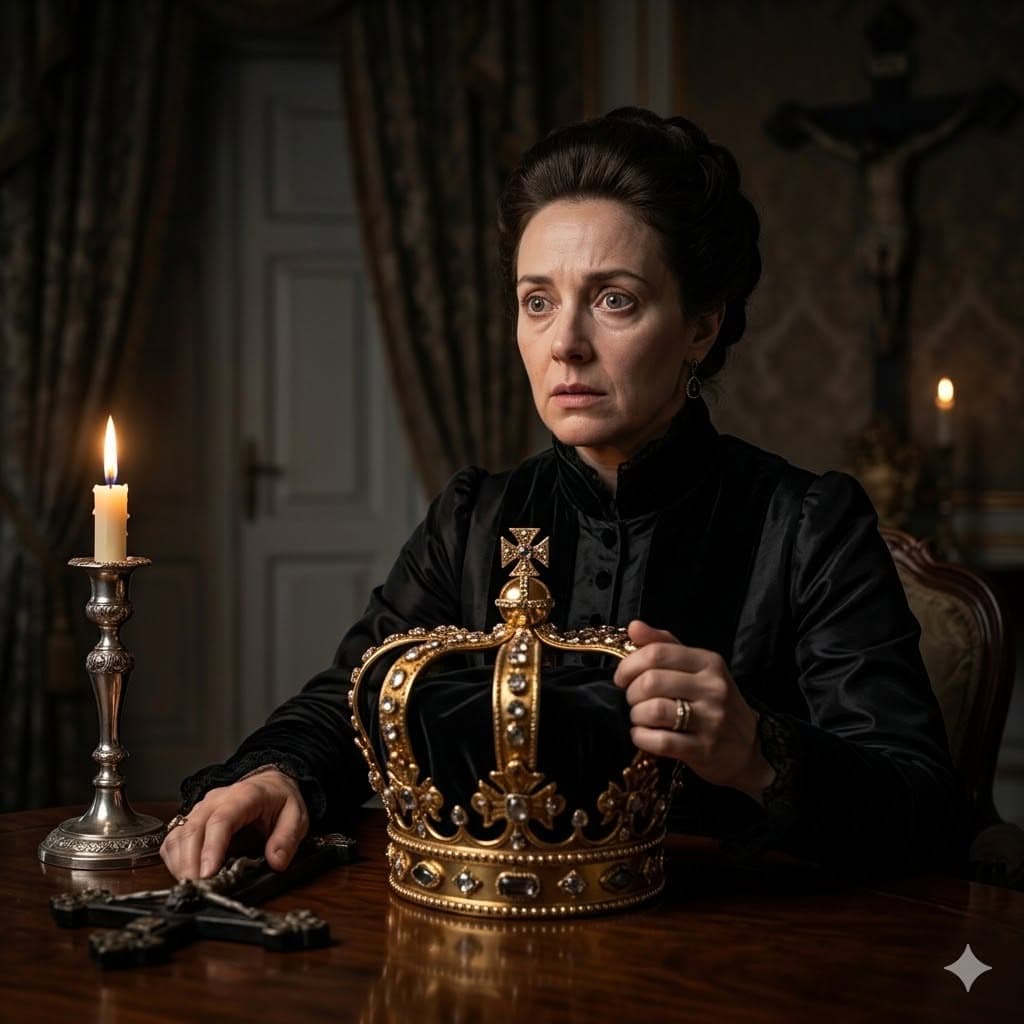
The death of her husband on this exact day, May 25th in 1786, triggered a devastating psychological collapse for Queen Maria I that would ultimately rip her absolute power away. Before May 25th, Maria ruled alongside King Pedro III in a partnership that helped shoulder the immense burden of the Portuguese Empire. When he took his final breath, she was suddenly left entirely alone at the helm of a global superpower. The immense grief of losing her life partner was compounded by the sudden and suffocating isolation of absolute monarchy.
Maria was the first undisputed queen regnant of Portugal. She was known as a deeply pious and dedicated ruler who genuinely cared for her subjects. Her reign had been marked by economic growth and diplomatic success, but the demands of the crown were relentless. Managing vast territories across multiple continents required a mental fortitude that few possessed. Pedro had been her anchor in this turbulent sea of political intrigue and endless state responsibilities.
The immediate aftermath of his death shattered her stability. Without her closest confidant to share the relentless pressure, the Queen began to buckle under the impossible weight of her duties. Her profound grief rapidly morphed into something far more severe. Maria turned completely to religion for solace, but her piety soon twisted into a dark and terrifying religious mania. She became obsessed with the fear of eternal damnation and the perceived sins of her family.
As the years passed, the brilliant ruler was slowly consumed by her own mind. She suffered from agonizing hallucinations and was frequently heard echoing through the halls of her palace screaming in absolute terror. The court watched helplessly as their monarch descended into total despair. The brightest medical minds of the era were completely baffled by her condition. They were entirely unable to cure a woman whose mind had been fractured by the unbearable intersection of immense power and profound personal tragedy.
Eventually, the situation became completely unsustainable for the nation. By 1792, her mental state had deteriorated so severely that she was deemed unfit to rule, forcing her son to take over the government as Prince Regent. History often unfairly reduces her memory to a single cruel nickname, "Maria the Mad," completely stripping away her humanity. Her actual story is far more tragic. It is the heartbreaking tale of a capable leader who was simply crushed by the devastating loss of her husband and the absolute loneliness of the throne.