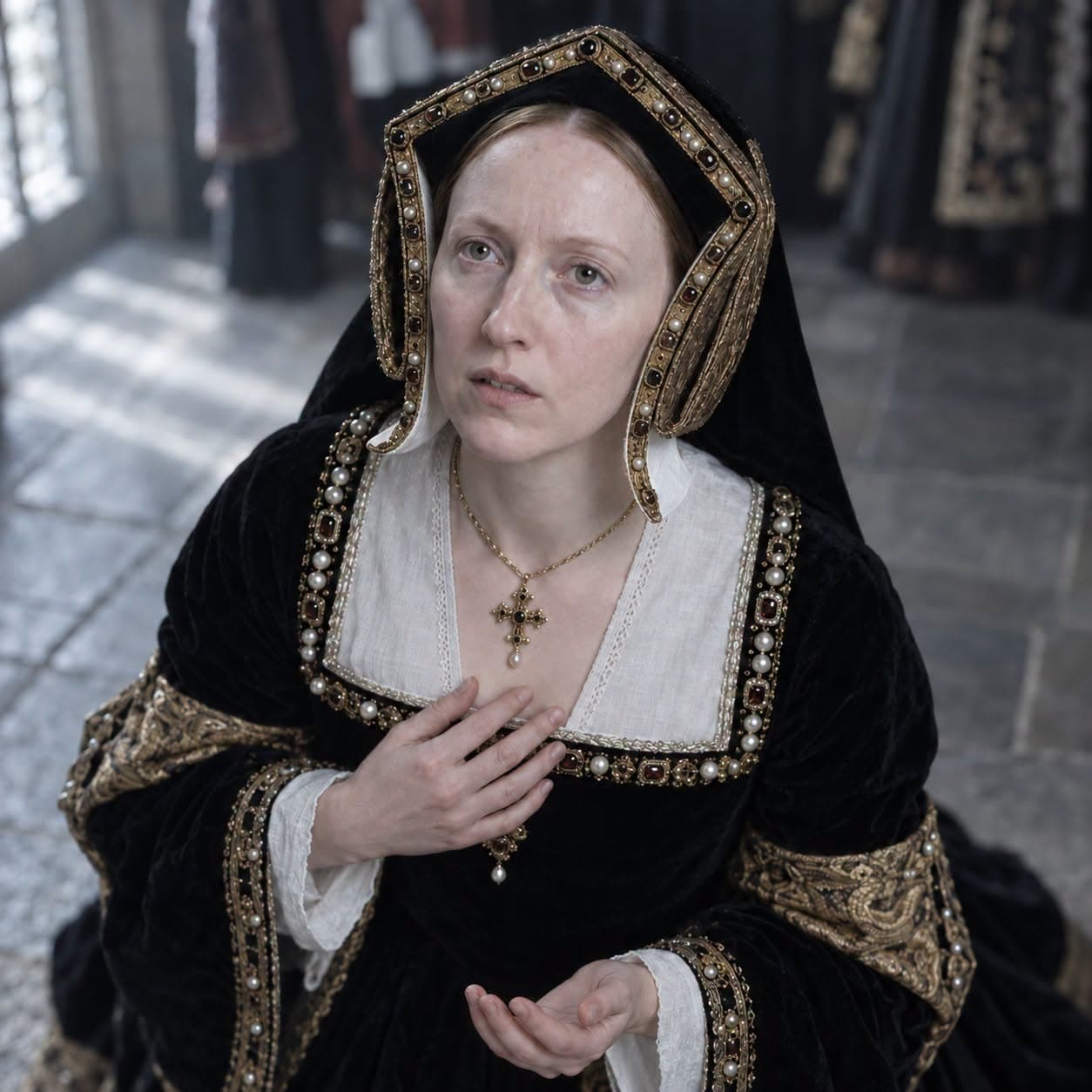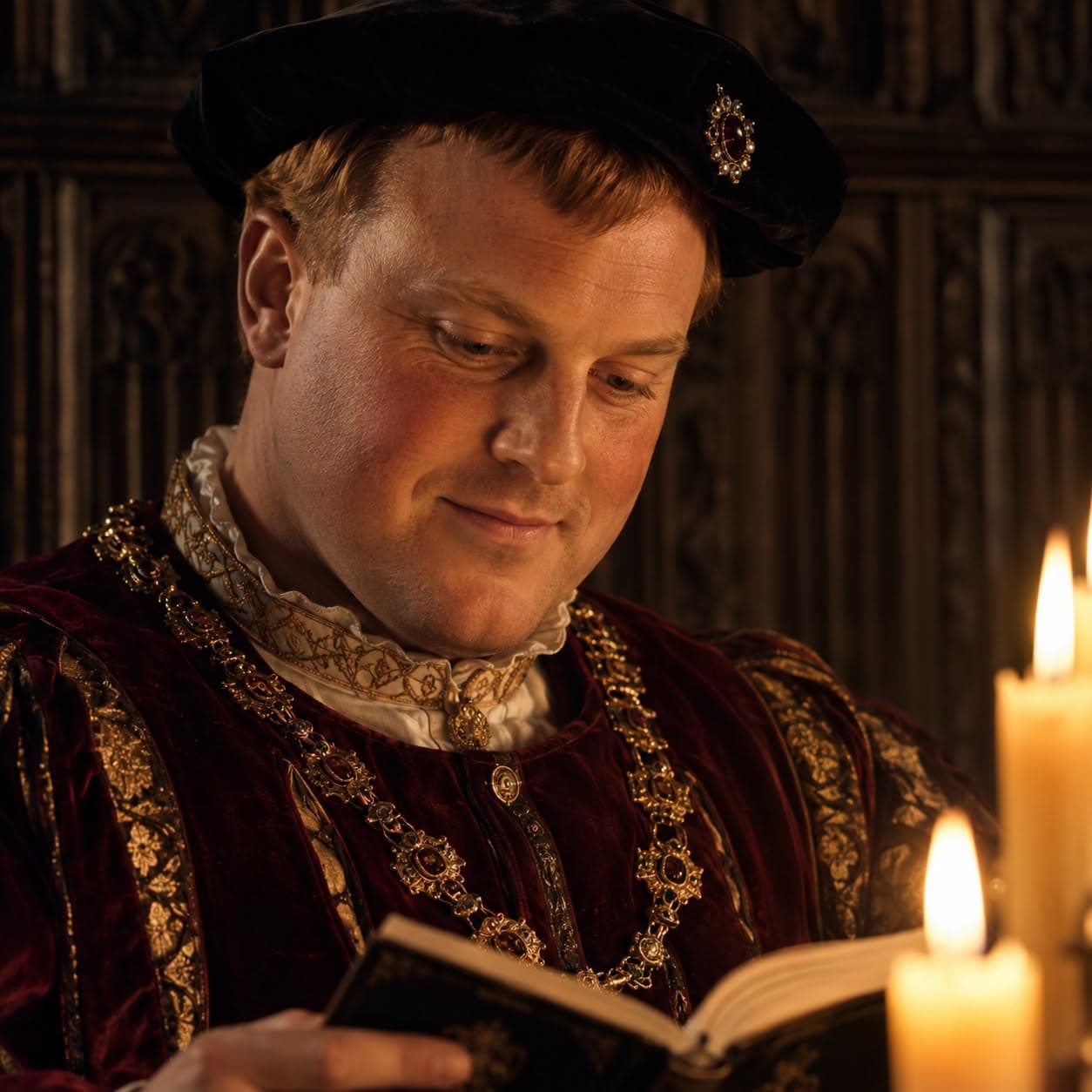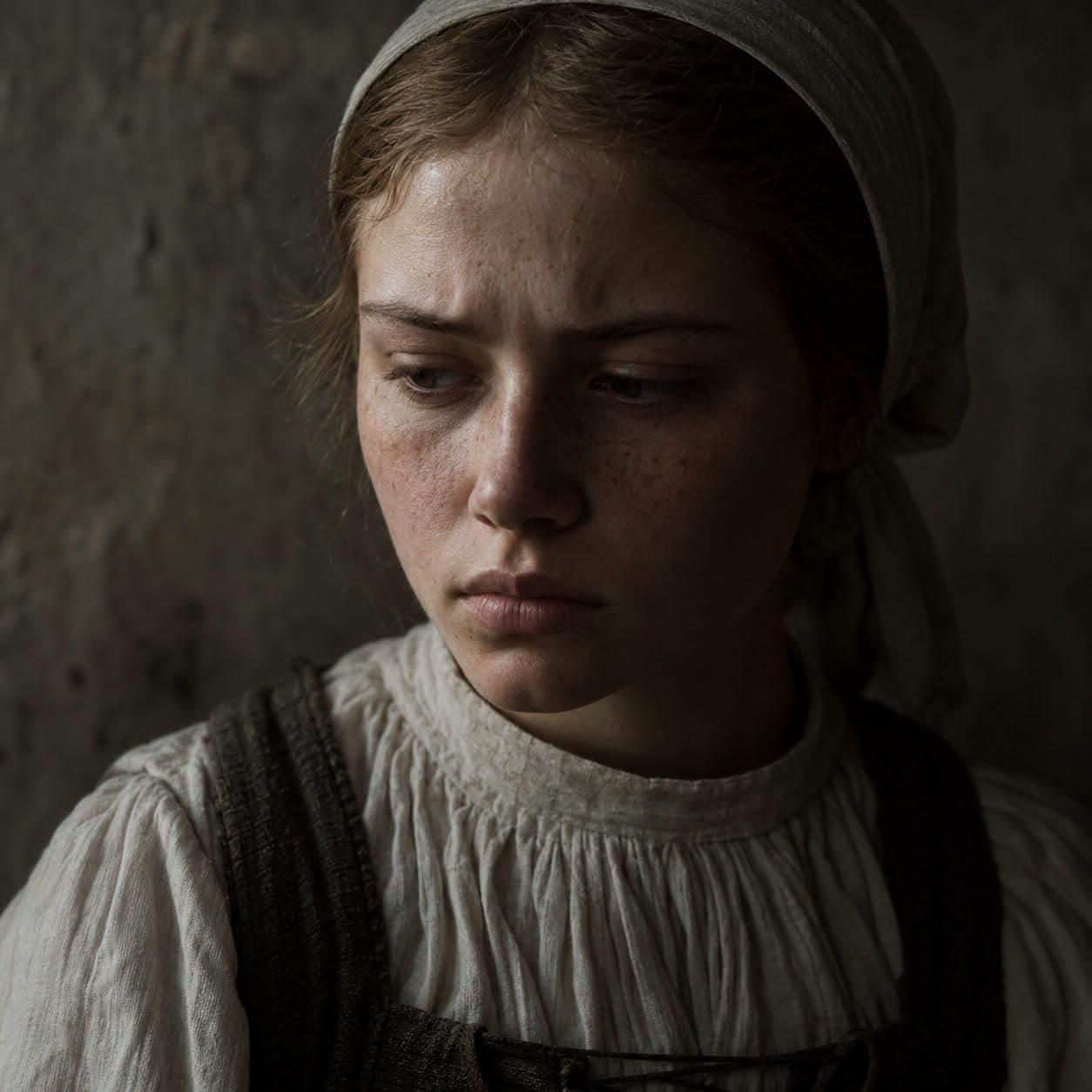
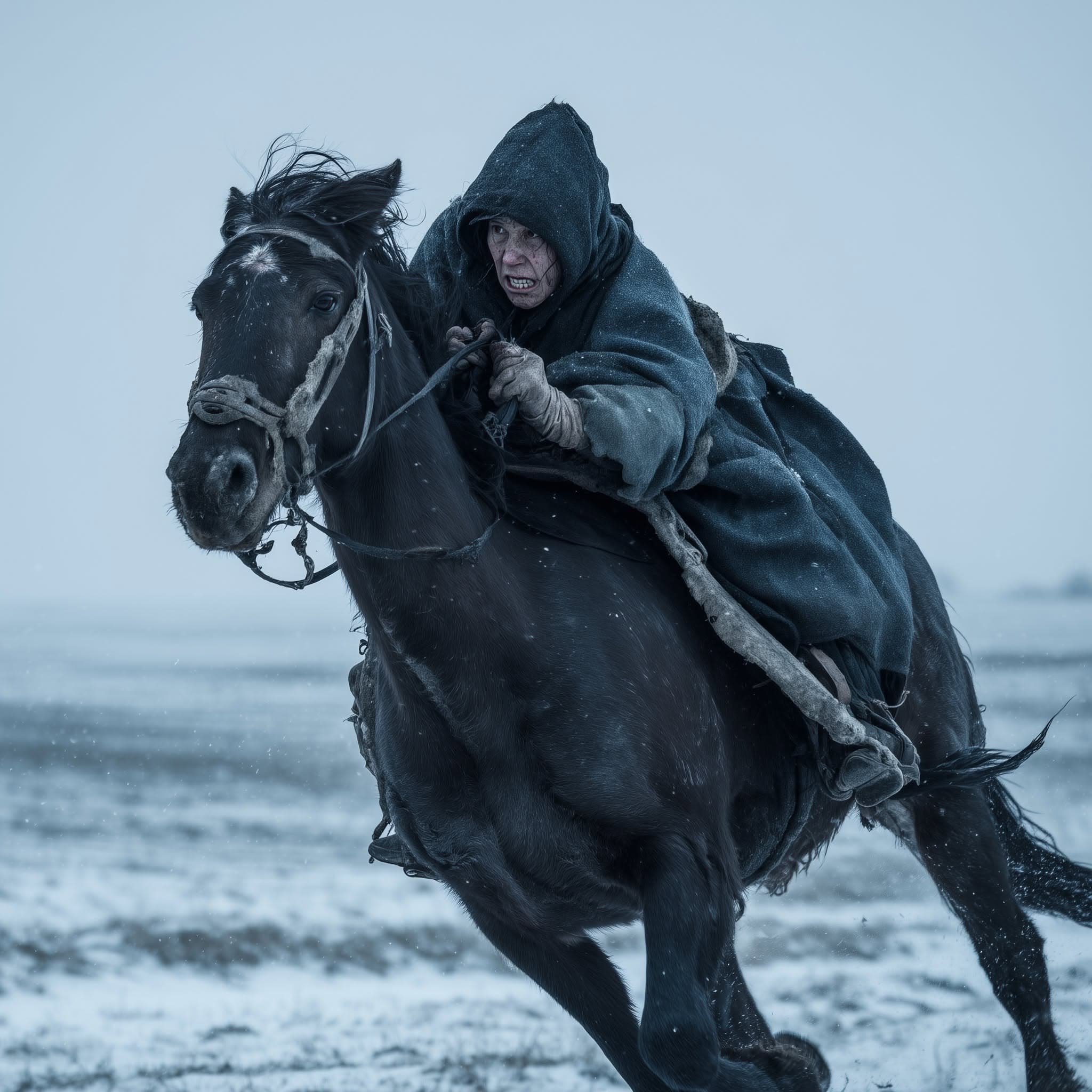
She rode through a January blizzard to reach a dying woman the king had forbidden her to visit. She had been riding for Katherine of Aragon for thirty-five years. She was not going to stop for Henry Tudor or a snowstorm.
María de Salinas was born around 1490 in Castile, the daughter of a Spanish nobleman with connections to the court of Ferdinand and Isabella, and she came to England in 1501 as part of the retinue accompanying the Infanta Katherine on the journey that was supposed to end in a glittering Anglo-Spanish alliance and did end, after a fashion, only not the one anyone had planned. She was perhaps eleven years old. She had never left Spain. She would never go back.
Katherine married Arthur, Prince of Wales, in November 1501. Arthur was dead by April. Katherine was sixteen years old, widowed, stranded in a foreign country, her future the subject of negotiations between two kings who treated her as a piece of property whose value was still being assessed. Most of her Spanish retinue went home. The sensible ones, the ones with families to return to and futures that did not depend on the survival of a Spanish princess in an English court, took the passage back to Castile and did not look back.
María stayed. She had no particular reason to stay that the records show. She stayed anyway.
She stayed through the seven years of Katherine's waiting: the limbo years when Henry VII kept Katherine in England, neither returning her to Spain nor completing the marriage to his second son, her dowry withheld, her household underfunded, her status suspended between princess and pauper while the old king calculated.
She stayed through the accession of Henry VIII in 1509 and the marriage that finally made Katherine Queen of England, through the coronation and the early years when Henry was young and the marriage was good and Katherine rode beside her husband in the tilts and the court was full of music.
She stayed through the pregnancies, six of them, all but one ending in death or silence, the nursery at Greenwich filling and emptying with a regularity that would have broken a woman without Katherine's particular architecture of faith and stubbornness. She stayed.
By the 1520s María had married. William Willoughby, an English baron, took a Spanish woman for his wife and died in 1526 leaving her the title Lady Willoughby and a daughter named Catherine and an English life that had grown up around her while she was not quite looking. She had become, without entirely meaning to, an Englishwoman. She spoke the language. She ran an English household. She had an English daughter and English estates and English obligations. She was also still, underneath all of it, the Spanish girl who had stayed when the others went home, and the woman she had stayed for still needed her.
The divorce proceedings began in earnest in the late 1520s. Henry wanted Katherine gone. Cromwell and Cranmer and the full machinery of the Tudor state were assembled to make it happen, and Katherine stood in the middle of all of it with the composed, immovable dignity of a woman who had decided that she was Queen of England and would die Queen of England and that no court and no archbishop and no act of parliament could make her otherwise.
She was right about the last part. She held. And in the rooms where the English ladies whispered and calculated and weighed which way the wind was blowing and adjusted their positions accordingly, María did not adjust. She spoke Castilian with Katherine when the English rooms became unbearable. She was the one person left who had known Katherine before she was a queen, who had watched her become one, who could remember what she had been before England made her into a symbol.
Henry stripped Katherine of her title in 1533. She was no longer Queen of England; she was Princess Dowager, the widow of Arthur, a woman whose second marriage had never been valid. Katherine refused the title entirely. She was moved from house to house, her household reduced, her access to her daughter Mary cut off, the pressure to accept the annulment steady and relentless and never quite sufficient.
In 1534 she was sent to Kimbolton Castle in Huntingdonshire, a damp and draughty place that did nothing good for her health. Henry had forbidden her visitors. He had not forbidden her María, not explicitly, but the instruction was clear enough: Katherine was to be isolated, worn down, made to understand through the mechanism of loneliness that resistance was more expensive than surrender. Katherine did not surrender. She was dying instead.
In January 1536 the reports from Kimbolton were bad. Katherine was failing. María wrote to Cromwell and begged permission. He did not reply. She gathered what she needed and rode north through a January storm, through cold that the chroniclers recorded as exceptional even for that winter, and when she reached Kimbolton she did not ask permission.
She told the guards her papers licensing the visit were coming, that she had been thrown from her horse in the storm, that she needed shelter. They let her in. She walked to Katherine's chambers and locked the door behind her and refused to come out.
She had two days.
On the sixth of January Katherine rallied. She gathered herself enough to tie her own hair and dress, the specific small assertion of dignity that a woman makes when she understands it may be the last one available to her. She could not make a formal will, as a foreigner living under the king's grace the law did not permit it, and so she made requests instead, writing to Henry to ask that her servants' wages be paid, that she be buried in a house of religion, that her daughter Mary be given her furs. She asked for the things a woman asks for when she has accepted what is coming and wants to leave what order she can behind her. María was in the room while she wrote them.
What passed between them in that room is not in the record. It was not the kind of thing that got written down.
Katherine died at two o'clock in the afternoon on the seventh of January 1536, in María's arms. She had been in England for thirty-five years. She had been Katherine's companion for all of them. Eight hours later, the castle steward had Katherine's body opened in a secret autopsy. All her organs were found healthy apart from her heart, which was entirely black, and a black growth attached to it that the physicians could not explain.
The candles were lit. The body was sealed in lead. María walked behind the coffin when it left Kimbolton three weeks later, travelling the road to Peterborough Cathedral where Katherine was interred with the honours due to a Princess Dowager of Wales and not the Queen of England she had always been.
She was forty-five years old. She had a daughter. She had estates. She had three years left, as it turned out, though she did not know that as she rode south through the winter fields with the road behind her and nothing ahead of it that resembled what had come before.
She died in 1539. She was buried in England, the country she had never quite chosen and never quite left, the country that had needed her to become something other than what she was and had got what it needed and had given her nothing in return except the chance to be present at the end.
María de Salinas rode through a blizzard in January 1536 to reach a dying woman the king had forbidden her to visit. She lied to get inside. She locked the door. She stayed until there was nothing left to stay for. She had been doing that for thirty-five years.
She was not going to stop for Henry Tudor or a snowstorm, and she didn't.