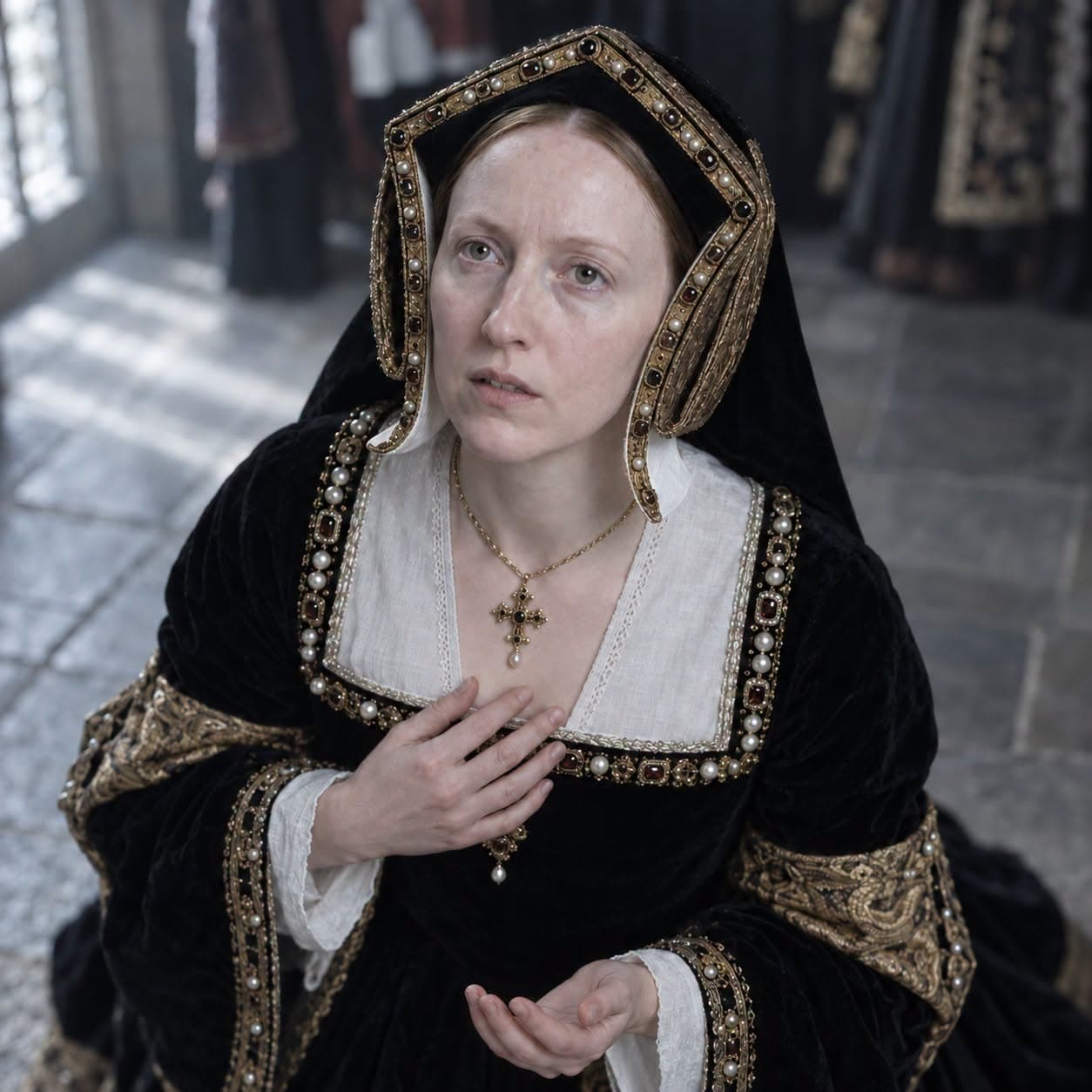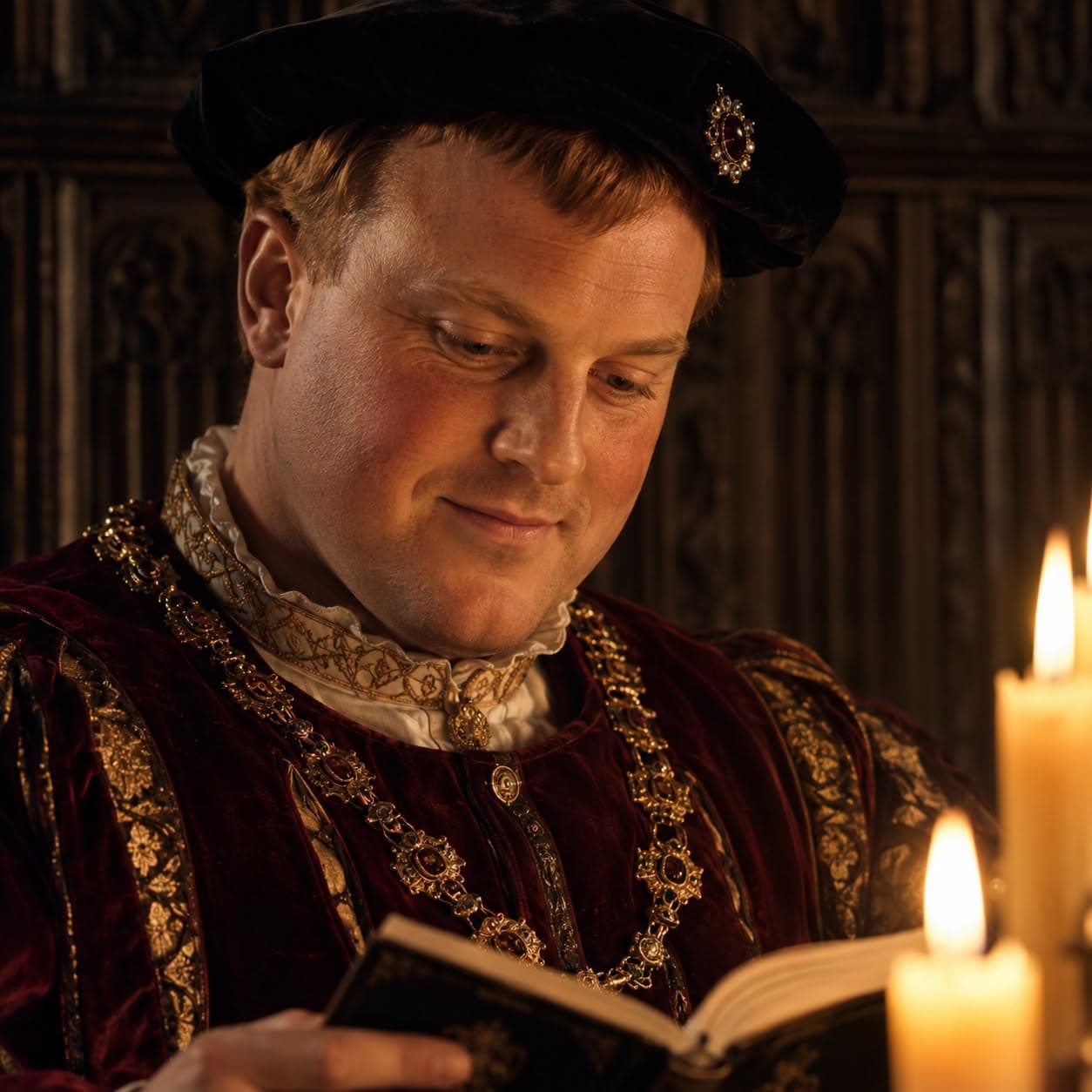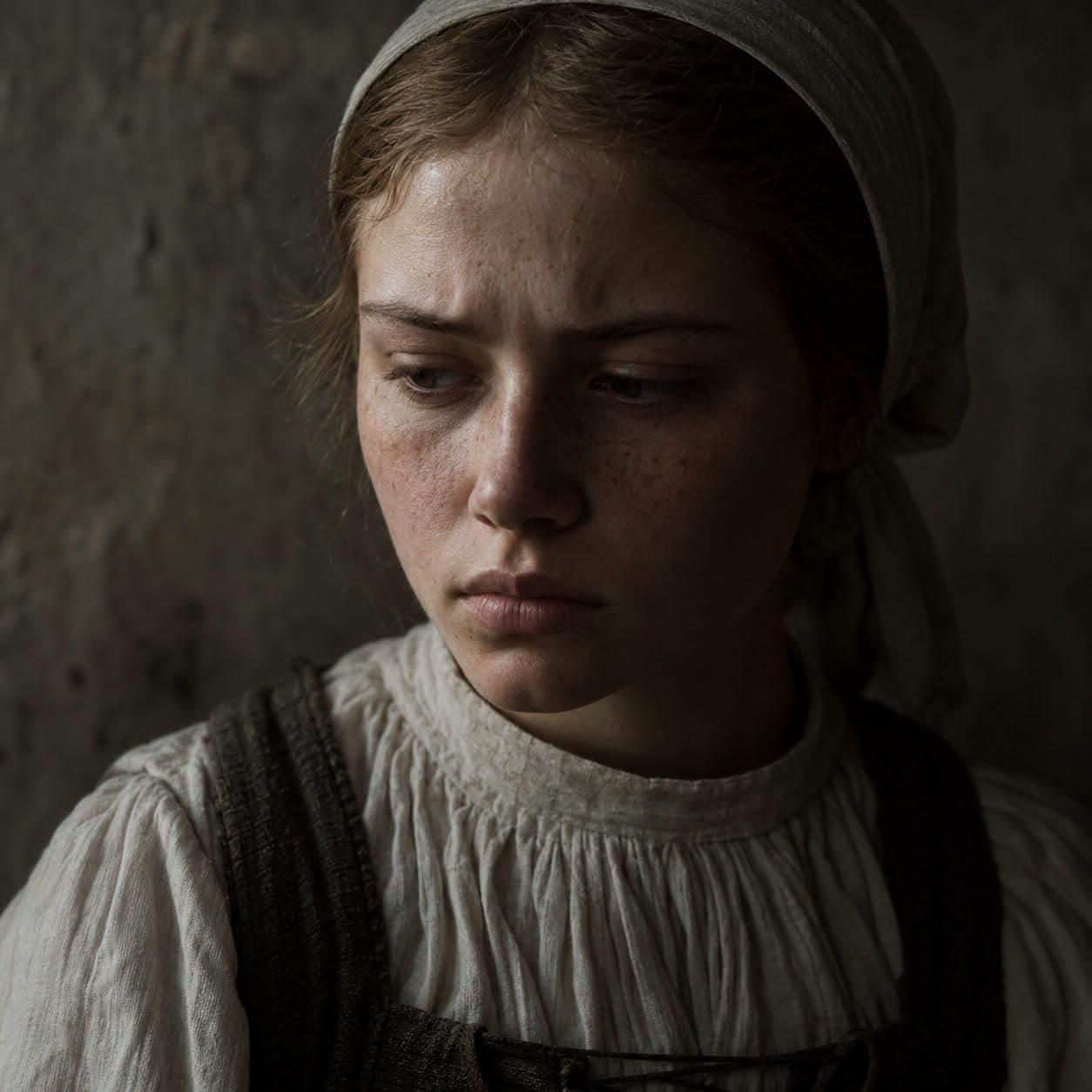
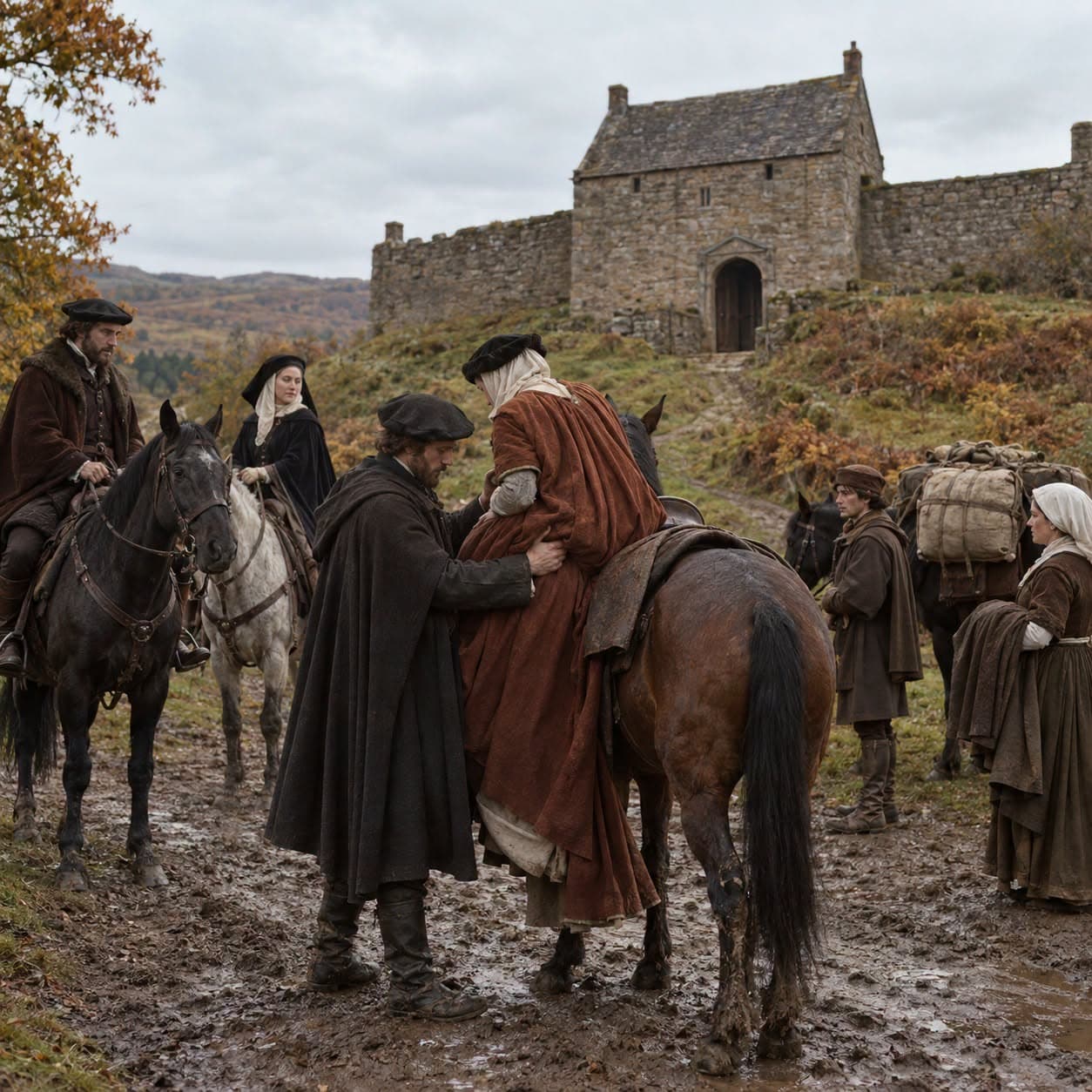
Margaret Tudor reached her brother's border heavily pregnant and was told to wait. The queen of Scotland could not step into England until Henry VIII said she could.
She entered England on 30 September 1515, accompanied by her new husband and a small household. Her two sons were not with her. James V, King of Scots, not yet four years old, and his younger brother Alexander, Duke of Ross, were in the care of the man who had taken her regency.
Three years earlier, none of this would have seemed possible. Margaret had been Queen of Scotland, wife to James IV, and after his death at Flodden in September 1513 she became regent for their infant son. She held real power in her own right, named in James IV's will as regent for as long as she remained a widow. That final clause would prove to be the trap that destroyed her.
On 6 August 1514, Margaret married again, in secret, in the parish church of Kinnoull near Perth. Her new husband was Archibald Douglas, 6th Earl of Angus, head of one of Scotland's most powerful noble families. Whatever affection or calculation lay behind the match, its political consequence was immediate and severe: under the terms of James IV's will, Margaret's remarriage ended her regency outright. She had married for herself and lost the regency in the same act.
Into the vacancy stepped John Stewart, Duke of Albany, a cousin of the dead king summoned from France by the Scottish council to take up the regency Margaret could no longer hold. Albany's authority depended on controlling the person of the young king. He had no intention of leaving James V, or his brother, in the household of a mother who had just allied herself by marriage to the Douglas faction.
Margaret resisted. For months she held her sons at Stirling Castle, resisting Albany's demands and appealing to her brother, Henry VIII, for support. Henry had been urging her for some time to bring the boys south into England, where he could offer them protection and, not incidentally, considerable leverage over Scottish affairs. Margaret refused for as long as she believed there was a way to keep her sons in Scotland under her own protection.
There was not. In August 1515, with Albany's forces surrounding Stirling and her position untenable, Margaret surrendered custody of both boys. James V and Alexander passed into the regent's hands. Margaret, married to a man whose own political standing was now under threat, and pregnant with his child, no longer had a regency or her sons.
She fled south with Angus.
She had gone to Linlithgow Palace for her lying-in, and from there she rode for Tantallon, the Douglas fortress on the coast, leaving a coffer of jewels behind in the keeping of a Scottish knight, Alexander Jardine of Applegarth. She went on toward the border, to Blackadder Castle. Albany's letters followed her to both.
At Blackadder she could go no further. She was Henry VIII's sister, but she could not cross into his kingdom without his leave, and she waited for it, heavily pregnant, on the edge of another country. It came on 30 September.
The journey was not a clean escape into safety. Margaret crossed the border, but the strain of travel while heavily pregnant, combined with her own poor health, forced the party to stop before they could reach the greater security of Morpeth. They took refuge instead at Harbottle Castle, a remote border fortress in Northumberland held by Thomas, 2nd Lord Dacre. It was there, within a week of her crossing, that Margaret went into labour.
There was no royal ceremony, no gathering of Scottish nobles, none of the state that had attended the birth of James V three years before. Margaret gave birth at Harbottle to a daughter, whom she named Margaret after herself.
Days later, on 10 October, she wrote to Albany. "Cousin, I heartily commend me unto you, and where I have been enforced for fear and danger of my life to depart forth of the realm of Scotland, so it is that, by the grace of Almighty God, I am now delivered and have a Christian soul, being a young lady." She was writing to the man who held her sons.
Margaret Tudor, former Queen of Scotland, now lay recovering in a border garrison, her infant daughter beside her, while her two sons remained in Scotland under the control of the regent who had displaced her.
She would not see Alexander again. In December 1515, only weeks after his mother gave birth in exile, the young Duke of Ross died in Scotland. He was not yet two years old. Margaret, still recovering at Harbottle and then at Morpeth, was in no position to return, and could do nothing for him. Whatever grief she carried for the son she had been forced to leave behind, she carried it from within England. She blamed Albany directly, writing that "it is much to be suspected he will destroy the young King, now that her son, the young Duke, is dead, most probably through his means."
Two weeks later Angus told her he would not come with her to Henry's court. He went back to Scotland and, in time, made his peace with Albany. The man she had lost the regency for was making terms with the man who had taken it.
James V survived Albany's regency and would eventually rule Scotland in his own right. Between 1516 and the end of that regency in 1524, Margaret was allowed to see him only once. It was the price of 1515: the marriage that had cost her the regency, the surrender at Stirling, and the flight that had separated mother from sons at the moment they most needed each other.
The daughter born at Harbottle carried the story forward in ways Margaret could not have foreseen. Margaret Douglas grew up shuttling between the English and Scottish courts, eventually marrying Matthew Stewart, Earl of Lennox. Their son, Henry, Lord Darnley, married Mary, Queen of Scots, and their child became James VI of Scotland and, after 1603, James I of England, the king in whom the crowns of both kingdoms were finally united.
The infant born in a border castle to a queen who had just lost everything became, two generations later, the grandmother of the king who wore the crowns of both kingdoms. Margaret Tudor could not have known, in October 1515, that the daughter she delivered in exile would stand at the root of the union of the crowns.