Her mother wrote within a week of her birth that God had chosen to give her a daughter, contrary to all their wishes. When Napoleon Bonaparte died on Saint Helena in 1821 with one word on his lips. It was not France. It was not glory. It was her name.
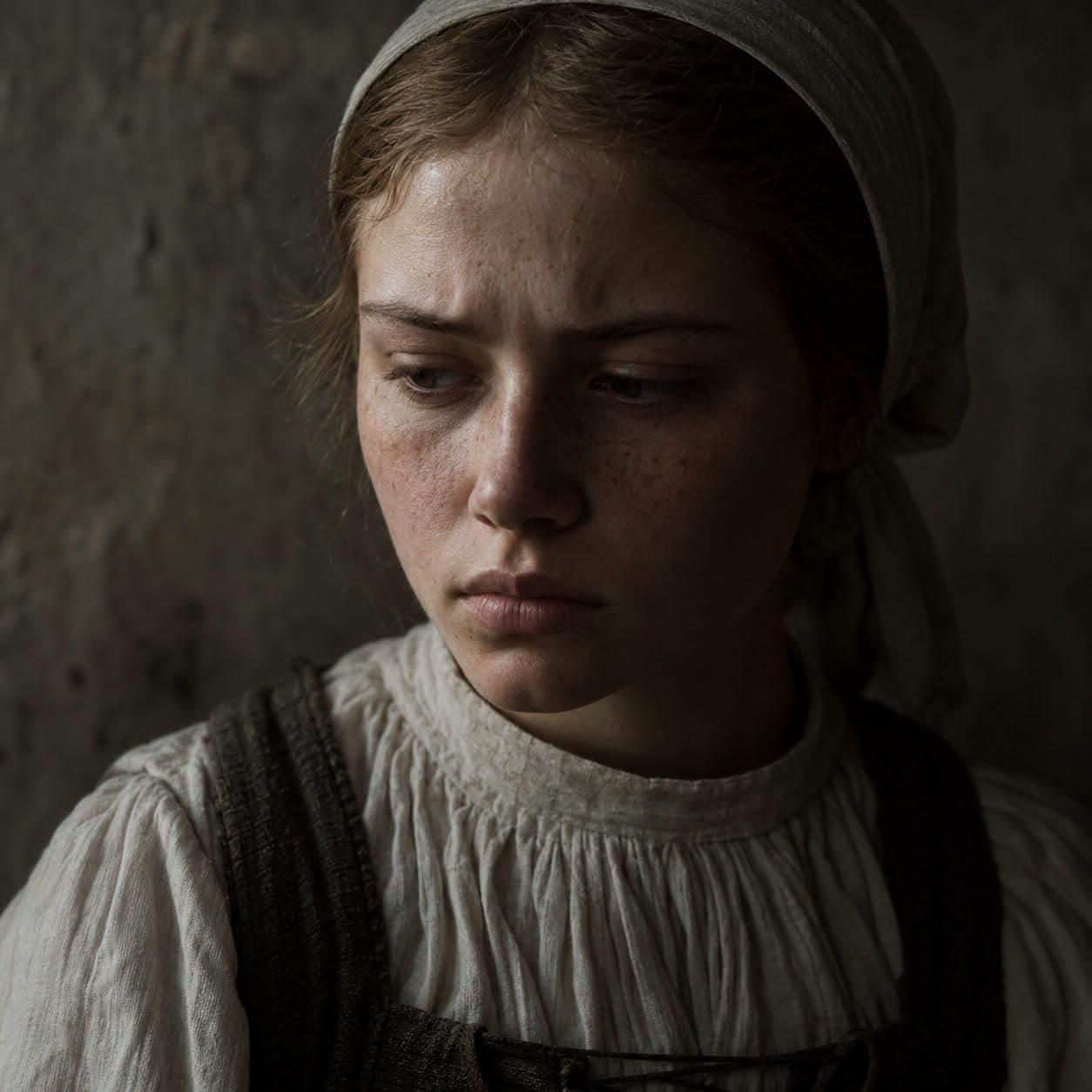
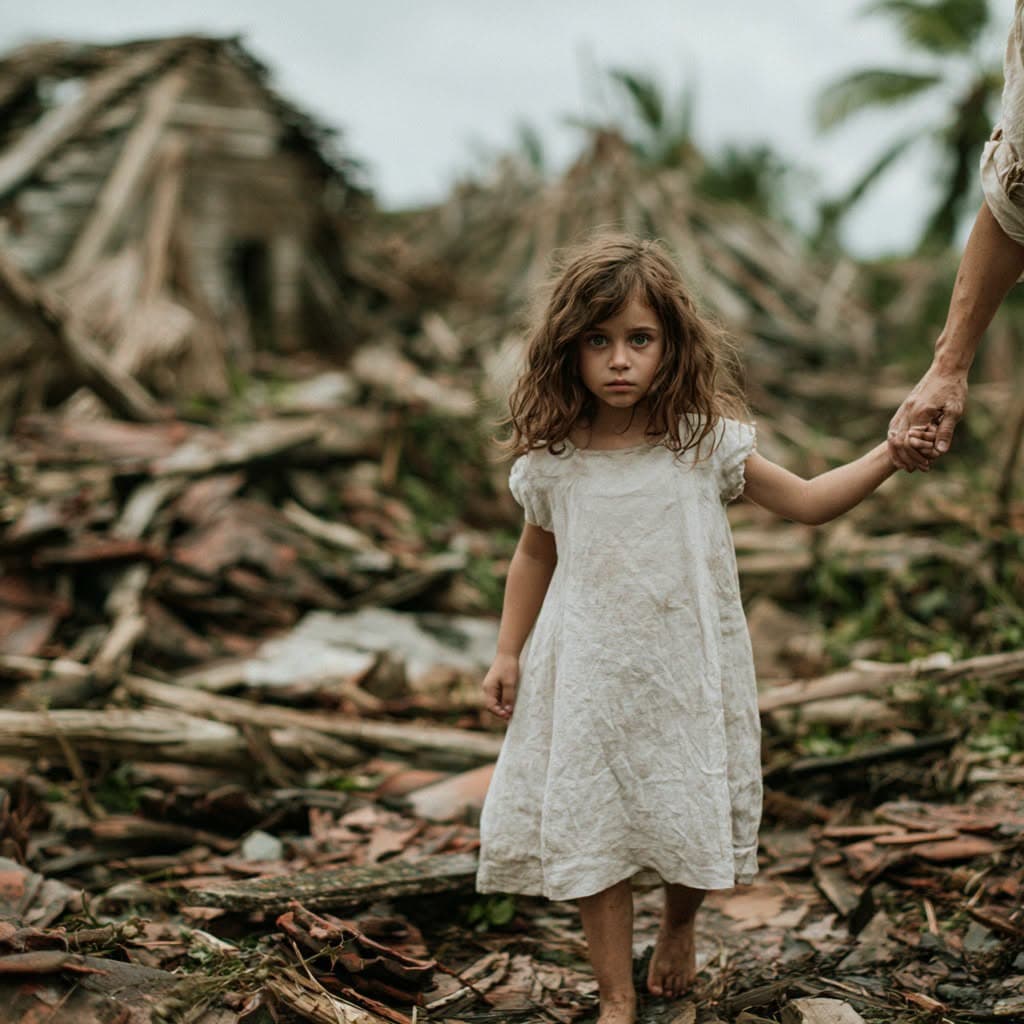
Marie-Josèphe-Rose de Tascher de La Pagerie was born on the twenty-third of June 1763 on the family sugar plantation at Trois-Îlets on the French Caribbean island of Martinique. The plantation ran on the labour of three hundred enslaved people. Her father was a former Versailles page who gambled and mismanaged what should have been a profitable operation. When she was three years old the hurricane of 1766, the worst in the island's recorded history, destroyed the family house. Her father did not rebuild it. He moved the family into the upper floor of the sugar refinery and added a veranda and called it permanent. That was the world she grew up in.
She was sent to Paris at sixteen for an arranged marriage to Alexandre de Beauharnais, a viscount with a fortune to inherit who needed a wife. He had originally intended to marry her younger sister. The sister died. Then another sister was considered. She fell ill. What about the eldest one. That was how Rose de Tascher became Vicomtesse de Beauharnais. The marriage was unhappy. Alexandre was unfaithful and eventually separated from her, leaving her in Paris with two small children, Eugène and Hortense, and very little money. She sold jewellery to pay expenses.
Then the Revolution came and remade everything. Alexandre rose to command an army, failed to hold Mainz against the Prussians, and was arrested during the Terror. Rose was arrested with him. He went to the guillotine on 23 July 1794. She was in her cell awaiting the same fate when Robespierre fell nine days later. She was released into a Paris that had consumed everything around her and left her standing.
In 1795 a socialite introduced her to a Corsican general at a party. He was twenty-six. She was thirty-two. He fell entirely in love with her and wrote her letters of extraordinary passion from his campaigns. She thought him her best available option. He called her Josephine, a name she had never used, and she adopted it for the rest of her life. They married in 1796. He left for Italy within days of the wedding and sent more letters. She did not always reply.
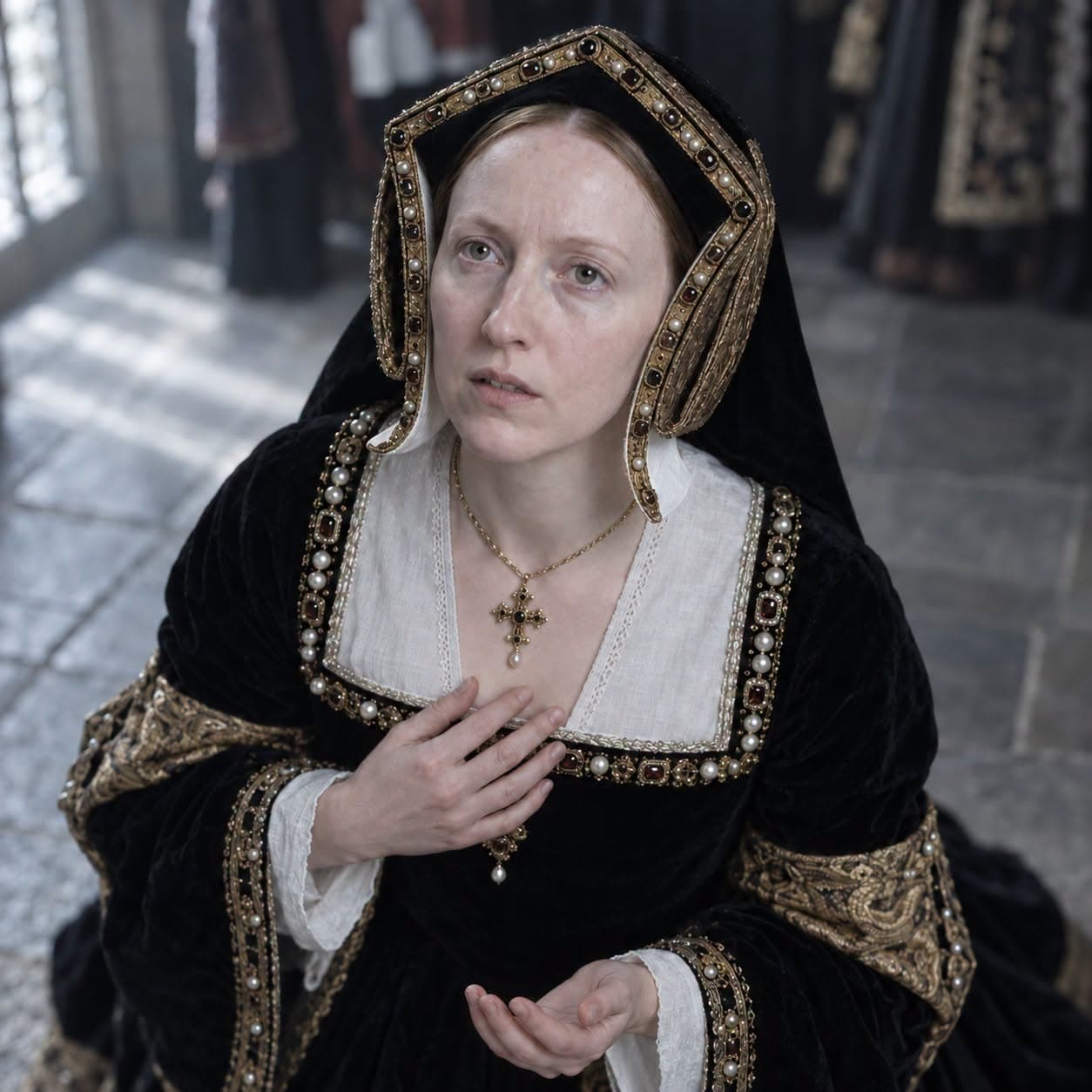
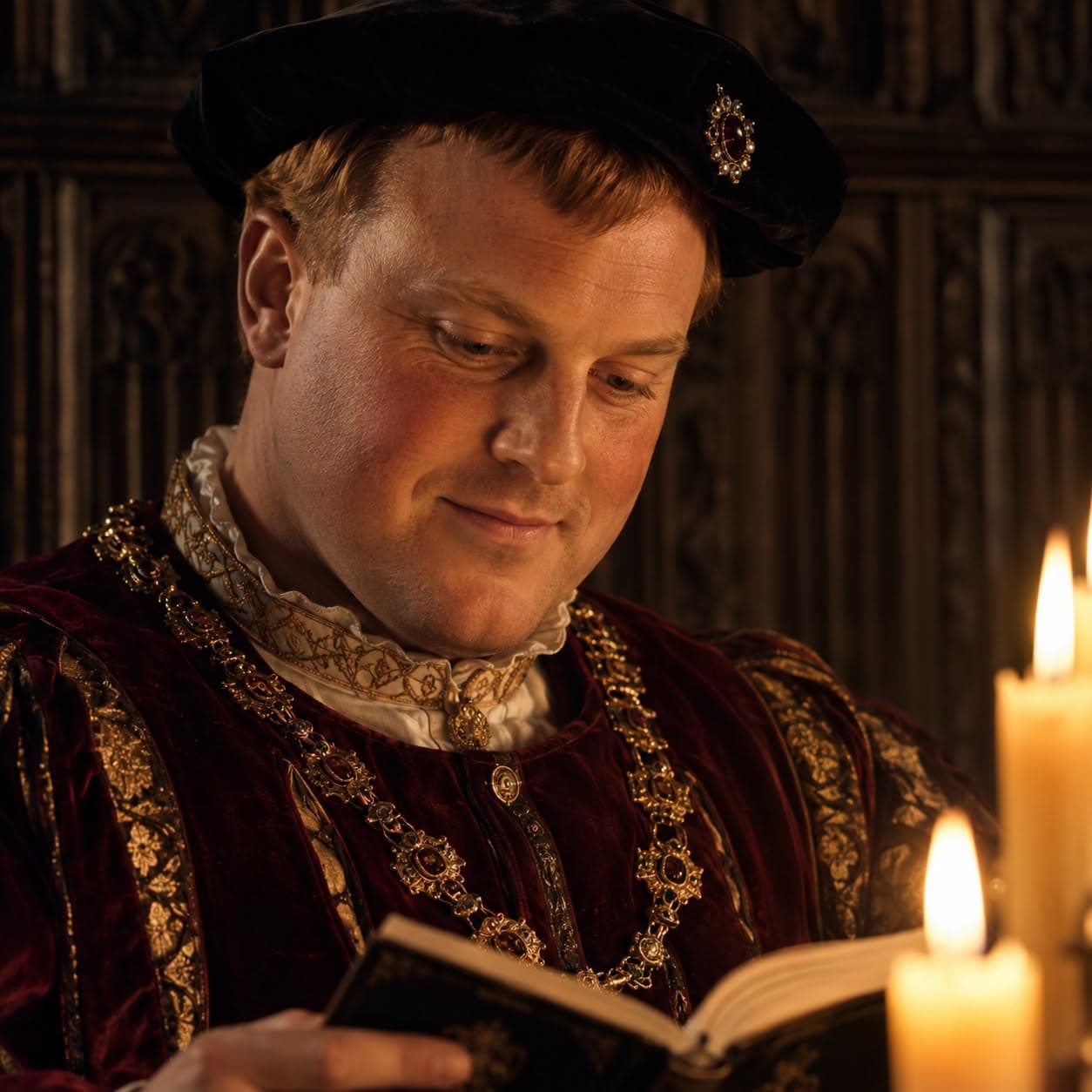
In December 1804 in the Cathedral of Notre-Dame in Paris, Napoleon placed the crown of Empress of the French on his own head and then placed a crown on hers. He had insisted on crowning her personally rather than allowing the Pope to do it, a public statement made in front of the assembled court and the Pope himself. His family despised her. His mother refused to attend the ceremony. By 1809 the pressure to produce an heir had become the only calculation that mattered. Josephine had two children from her first marriage. She and Napoleon had none together. In December 1809 he divorced her. She wept throughout the ceremony. He wept too and went through with it anyway.
She lived out her remaining years at the Château de Malmaison outside Paris, surrounded by the roses she cultivated with the obsessive attention she had always given beautiful things. Napoleon visited occasionally. He sent money. He married Marie-Louise of Austria and had a son. Josephine died at Malmaison in May 1814 of diphtheria, a few weeks after Napoleon's first abdication. She was fifty years old.
Napoleon died on Saint Helena on the fifth of May 1821. Those present recorded his final words as Josephine, France, army. In some accounts her name came first. The girl whose mother had written contrary to all our wishes God has chosen to give me a daughter, was the last word of the man who had conquered a continent.