Scotland lit bonfires when Joan Beaufort gave birth to twin princes. Before the surviving boy was nine, she had been imprisoned by the man who would take charge of him.
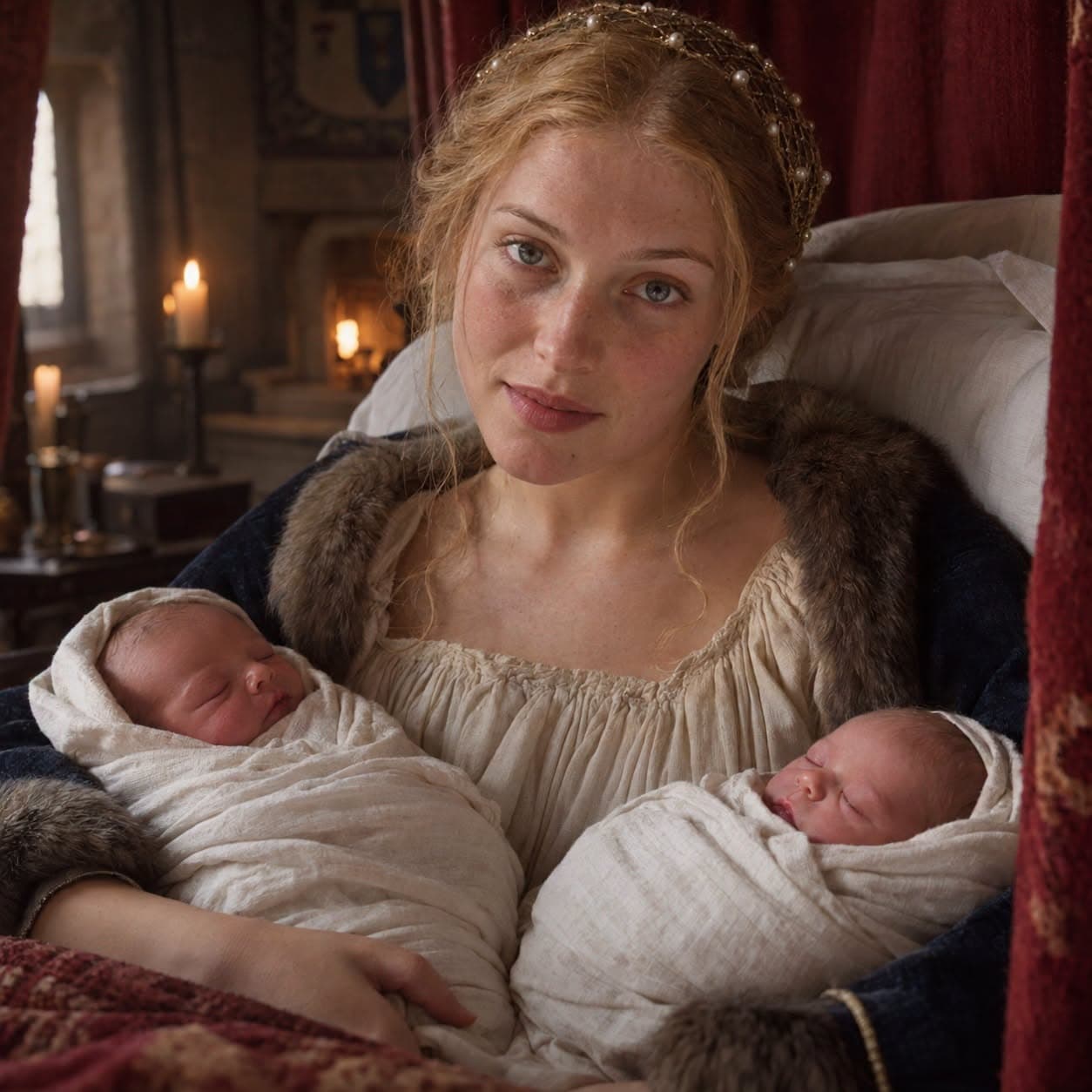
On 16 October 1430, Joan, Queen of Scots, gave birth to Alexander and James at Holyrood Abbey in Edinburgh. Food and wine were given out freely in the town, and music continued through the night. The royal couple already had daughters. Now there were two sons, and the celebrations announced a future in which the succession appeared considerably safer than it had the day before.
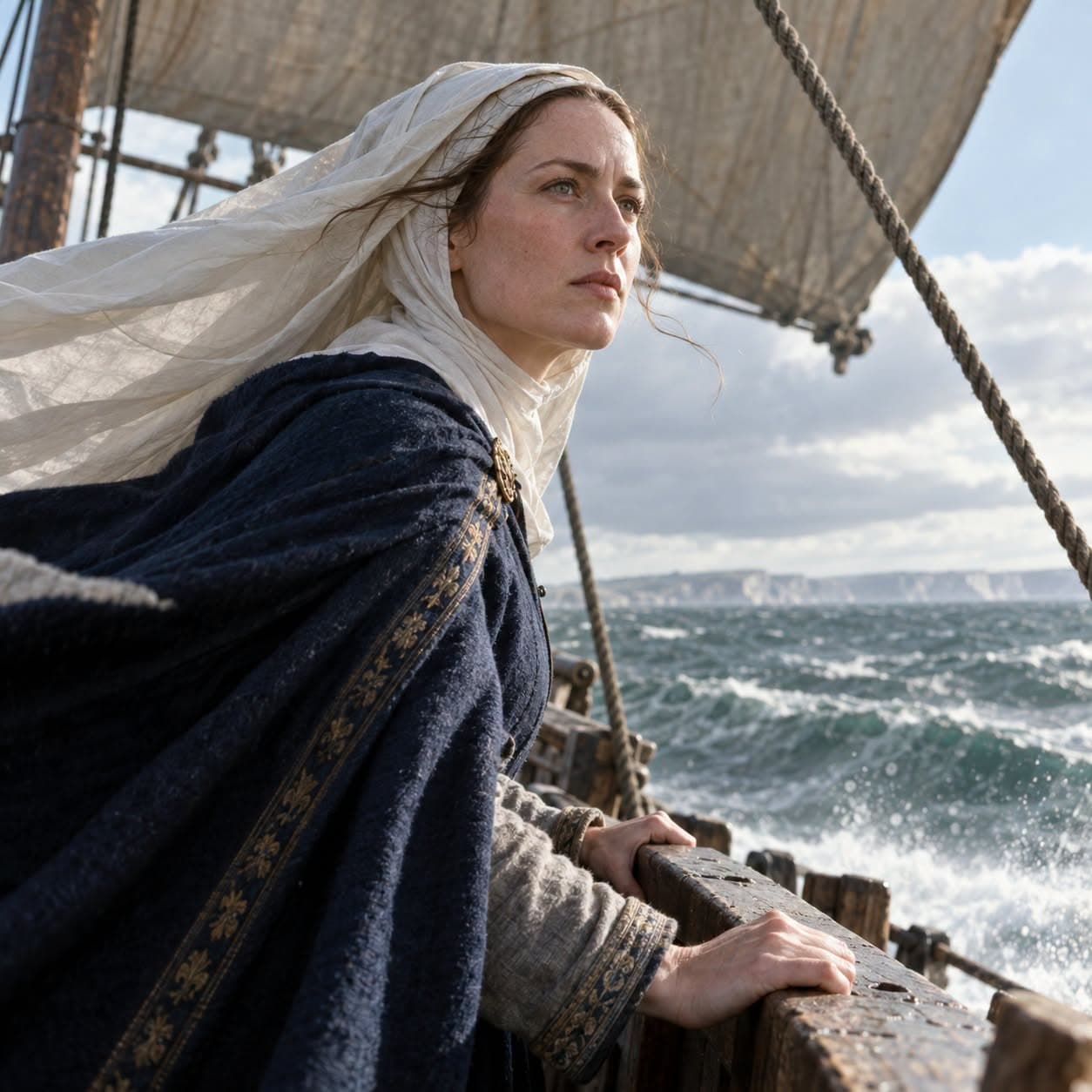
Joan had come to Scotland from an English family whose marriages reached into the royal houses of Europe. Her father was John Beaufort, Earl of Somerset, a son of John of Gaunt and Katherine Swynford. She was a king's great-granddaughter before she became a king's wife. Her marriage to James I in 1424 joined the Scottish crown to the powerful Beaufort family, and accompanied his return to a country he had spent eighteen years unable to govern in person.
James had been held in England since boyhood. He returned with a wife and a ransom to pay, to nobles accustomed to conducting affairs without him. Restoring royal authority meant challenging people who had done very well during his absence. Joan's place beside him carried responsibilities beyond the royal nursery. He required oaths of loyalty to her, making provision for the authority she might need if he died before her.
For the moment, there were the two boys.
Alexander, the elder twin, died in infancy. James survived, taking his brother's place as heir. The public festivities belonged to both children, but only one would grow old enough to inherit what had been celebrated. Joan had given birth to two sons. The future of the crown now rested on one.
In February 1437, armed men entered the royal lodgings at the Blackfriars monastery in Perth. James I was murdered. Joan was wounded in the attack and survived. The arrangements her husband had made for a possible widowhood had become immediate business, with a living queen, a dead king and a boy of six who was now James II.
Joan went to Edinburgh and secured her son. He was crowned at Holyrood the following month, in the abbey where she had given birth to him. Less than seven years separated the celebration of an heir from the coronation of a child whose father had been killed.
She had survived the men who murdered her husband. Keeping authority over their son would require a different struggle.
The Earl of Douglas became lieutenant-general of the kingdom. Joan had custody of James, but she did not command the government alone. Around the young king were men whose strength rested on castles, offices and powerful connections. Alexander Livingston was keeper of Stirling. A king too young to rule still had a household, an income and a name in which decisions could be made. The question of who brought him up was also a question of who governed Scotland.
Douglas died in 1439. That summer Joan married Sir James Stewart of Lorne, known as the Black Knight. A new husband brought another set of family connections into the contest around the king. Remarriage could strengthen a royal widow's position. It could also unite people who preferred her position weak.
In August, Livingston had Joan and her husband arrested.
The queen who had escaped the attack at Perth was now a prisoner in Stirling. Her son was eight. Neither her rank nor her relationship to the king had been enough to prevent it. When the settlement came on 4 September, its language was impeccably courteous.
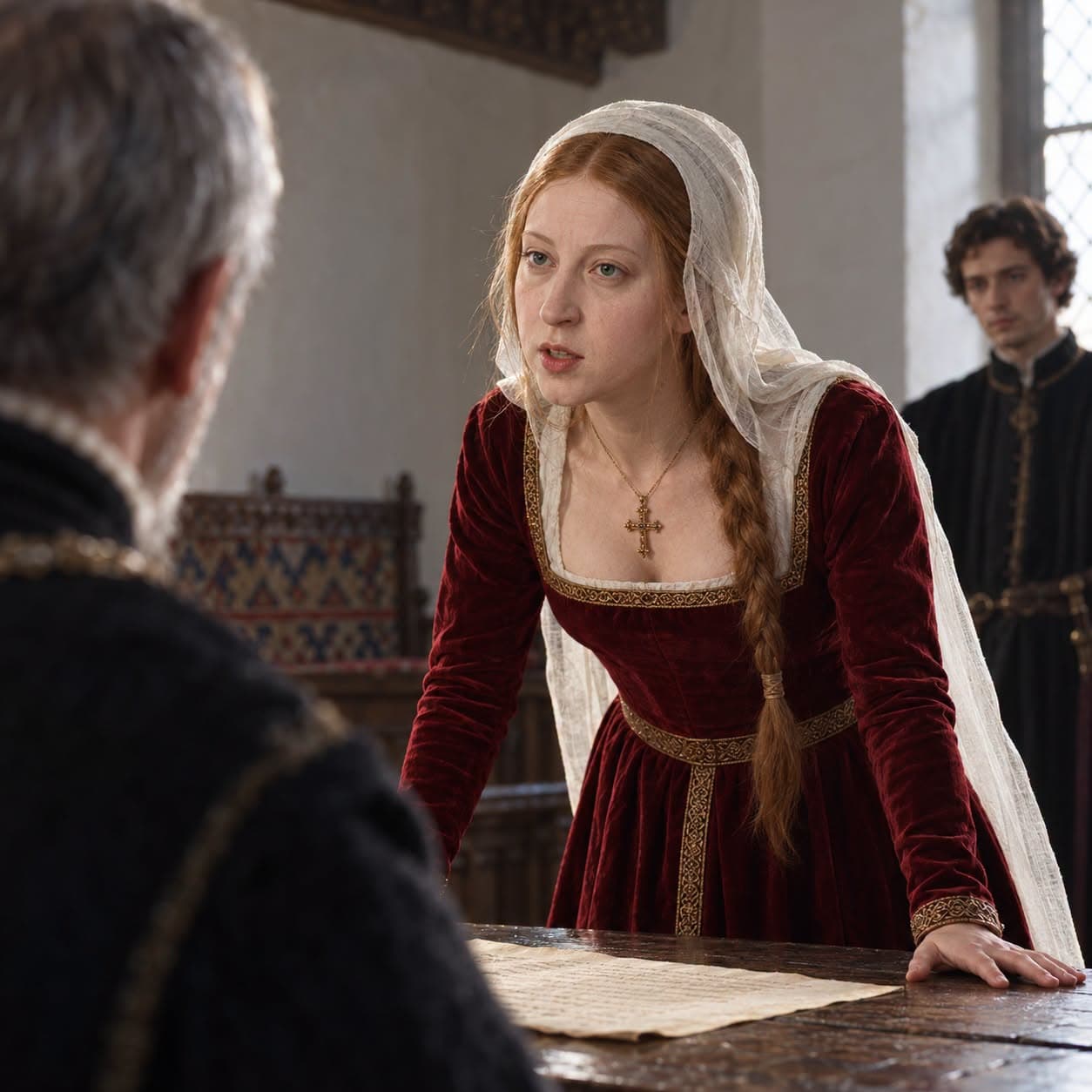
Joan acknowledged that the men who had deprived her of liberty had acted loyally. She remitted the displeasure their conduct had caused. Her loss of liberty, the agreement added, had not been done for any villainy or harm to her person. Everyone's honour had been attended to. The practical arrangements favoured Livingston.
He received custody of James until the king came of age, the use of Joan's castle of Stirling and 4,000 merks assigned for the upkeep of the king and his sisters. The lords of her own following were to give Livingston letters under their seals, promising not to help her break the agreement. There would be little use in forgiving her captors on paper if she could call on her following to undo their work afterwards.
The settlement also preserved her access to James. She could visit him at her pleasure, with "unsuspected persons" for company. The woman whose sons had been welcomed with wine and music remained a queen, and James remained her child. In her own castle, he would be in Livingston's keeping. Her right to come and see him required a clause of its own.