A prince came to stay. Within little more than a year the house had been burned by the troops of a king, and her husband was dead.
On 18 October 1746, Donald MacDonald of Kinlochmoidart was executed for high treason at Carlisle. Isobel Stewart was his wife, a daughter of the Stewarts of Appin, and the mother of his children. The rising that had brought Charles Edward Stuart into their house ended with Donald condemned, his estate forfeited and the house itself destroyed. A change of dynasty had been the ambition. The losses were considerably closer to home.
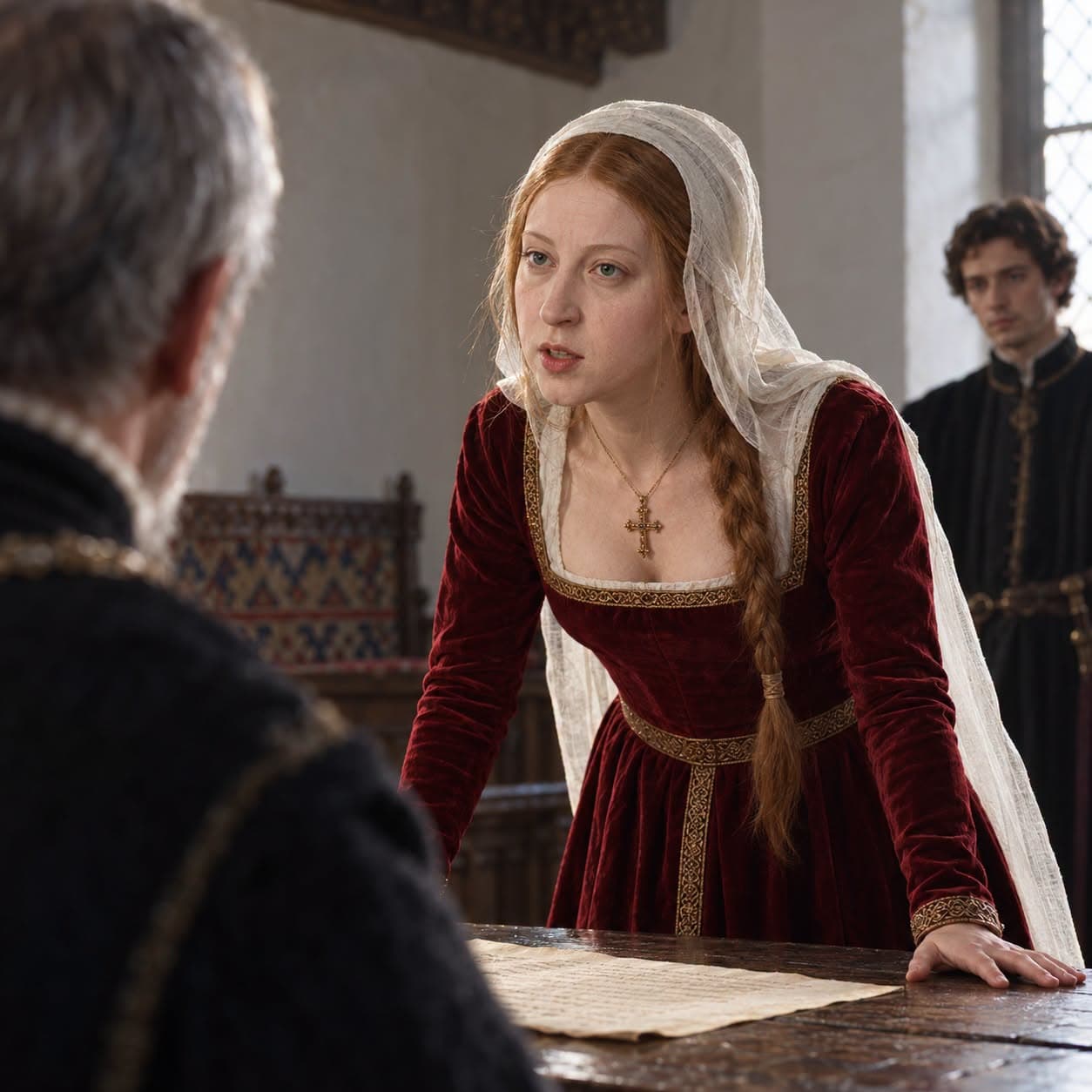
On 7 May 1740, a liferent of Donald's lands of Kinloch had been confirmed to Isobel. It gave her the right to benefit from those lands for as long as she lived, without making them hers to sell. There is something very ordinary about that arrangement beside the events that followed: a married woman's future expressed in the income of land, with provision reaching beyond her husband's life. Before there was a prince to accommodate, there was a household to provide for.
Loyalty to the exiled Stuarts was not new on her side of the marriage. Her father's clan, the Stewarts of Appin, had come out for them in 1715 and fought at Sheriffmuir. In families like hers, the cause was an inheritance before it was a decision.
Donald belonged to a branch of the Clanranald MacDonalds. At Kinlochmoidart, near the head of Loch Moidart in the western Highlands, he built a new house in the 1740s. In August 1745, Charles Edward Stuart stayed there before raising his standard at Glenfinnan. The house belonged to the opening of the venture, when the prince was gathering the support with which he intended to restore his father to the throne.
Charles stayed from 11 to 17 August. On 19 August, the standard went up. For those days, a family house formed part of the practical arrangements of an attempt to overthrow George II. Princes needed roofs as well as followers. Donald supplied both his hospitality and his service, becoming a colonel and aide-de-camp to Charles.
His work took him between supporters of the cause. On one such journey he and his servant were captured and sent to Edinburgh Castle. He was a prisoner there in 1745, months before the battle that would destroy the Jacobite army. His road to Carlisle began while the rising was still going on.
At Culloden on 16 April 1746, the Duke of Cumberland's government army defeated Charles's forces. For Isobel's family, the names among the dead were names joined to their own by marriage. Alexander MacDonnell of Keppoch, her sister Janet's husband, was killed there. So was Lachlan MacLachlan, who had married her half-sister Mary. One battle reached into several branches of the same family. Donald's death would come through a court and an execution, six months later.
At Carlisle, the preparations were described with some satisfaction. In September the officer commanding there reported that "a fine new gallows" had been put up, one "which will hold fifteen at a time." He added: "God send it may be made a proper use of." The men awaiting trial appeared in his letters as business to be completed.
Nine were executed on Saturday, 18 October. Donald was among them.
Five days later the same officer reported that the executions had been carried out "in the greatest decency", and found fault only with the condemned. The men had prayed for the Pretender to the end. Even the calm of one of them could not satisfy him, because it was spoiled by his "obstinacy in so infamous a cause." The government had its convictions and had carried out its sentences. It still found the prisoners' loyalty objectionable at the end.
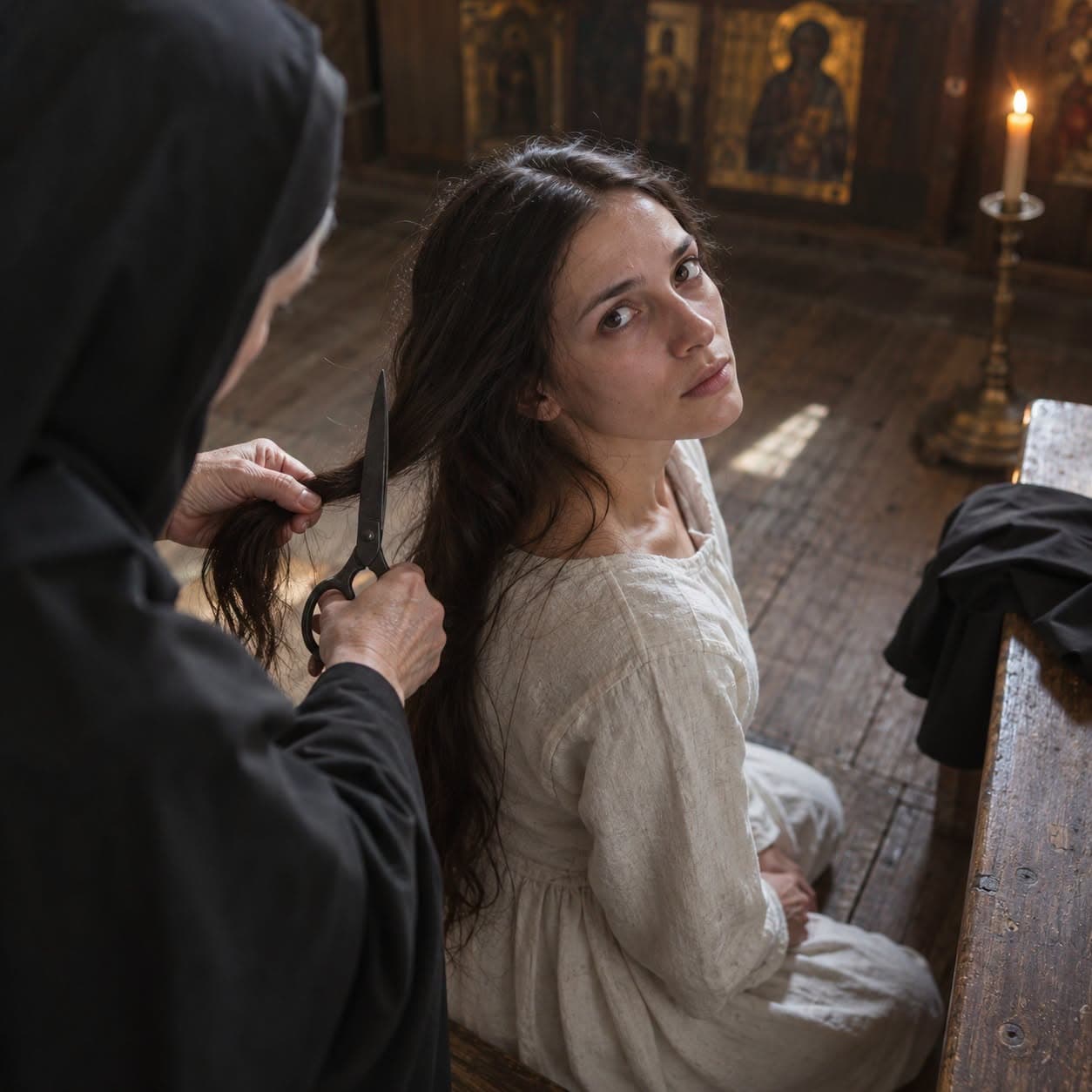
Isobel was a widow. Donald's estate was forfeited. Earlier that year, in reprisal, Cumberland's troops had burned the house that had accommodated Charles. The punishment of the rising reached beyond the men who could be brought before a judge, into the buildings and land their families' lives depended on.
The provision made for Isobel in 1740 had looked beyond her husband's death, promising her a lifetime's benefit from the land at Kinloch. The new house belonged to the same brief stretch of years before the rising, built by Donald in the 1740s. Within a year of sheltering a prince, it had been burned by the troops of a king, and the lifetime the liferent was written for had begun without him.